Commercial water features are built to run all year
Commercial water features are built to run all year
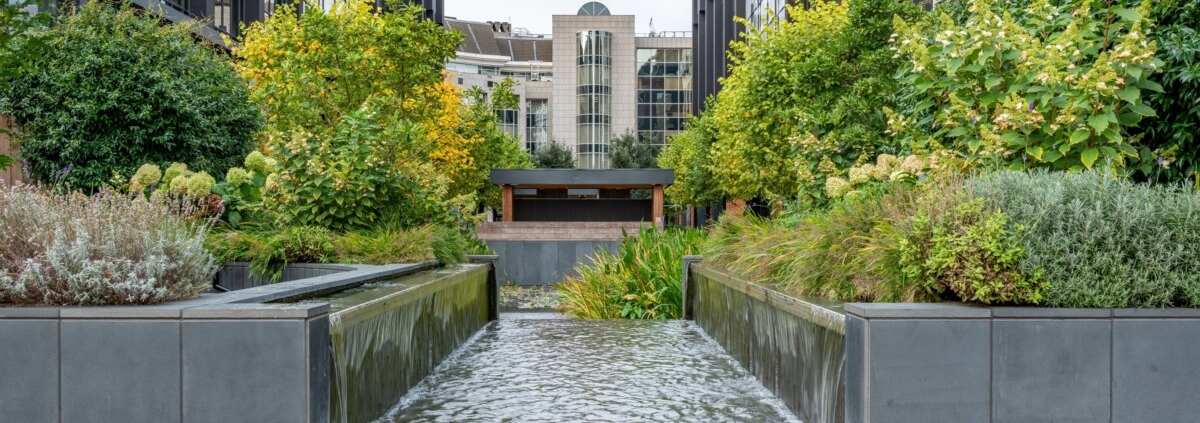
Commercial water features typically run all year round and only need draining when maintenance work calls for it or, on some sites, where ice from spray would create a safety hazard, according to commercial water feature specialist Waterscapes, which has published new guidance for facilities teams on when a drain-down is and isn’t justified.
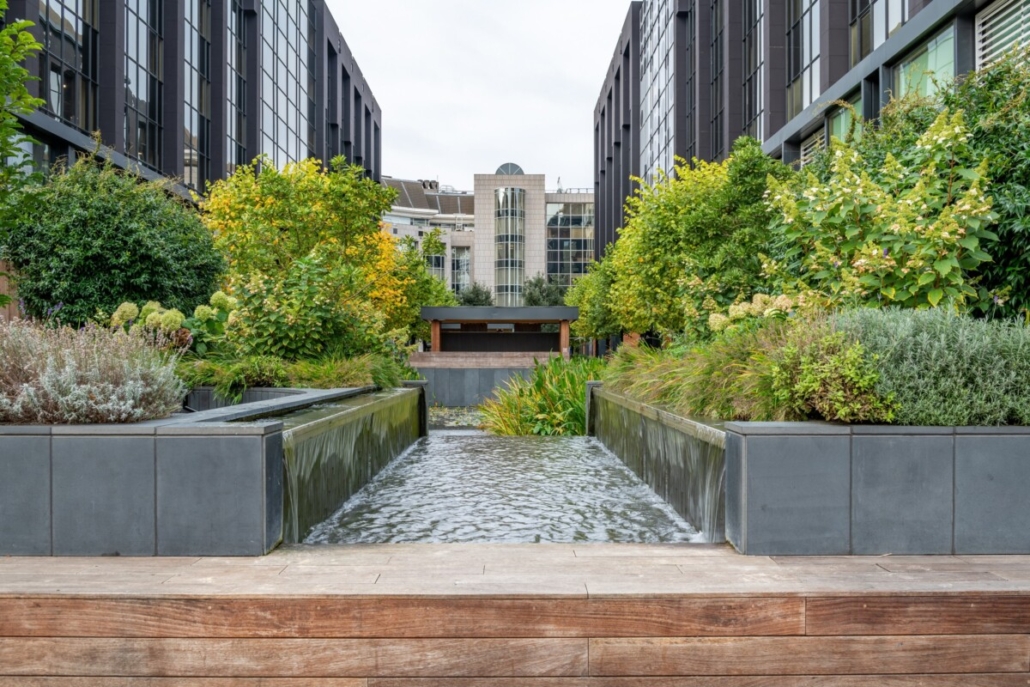
Commercial water features are built to run all year
The guidance, Do Commercial Water Features Need Draining? Why They Run All Year, explains why a feature built for a commercial site doesn’t need a seasonal drain-down, and argues that draining should be a planned maintenance step rather than a seasonal habit.
Waterscapes, which maintains commercial water features for public realm schemes, office developments, heritage gardens and managed estates, still sees the habit on some sites each autumn. Features are switched off and emptied with no work planned, then sit dry or part-filled with rainwater and leaves through the winter, before needing a full clean, refill, water treatment reset and recommissioning in spring.
“A feature that’s running gets looked at. One that’s been drained tends to be forgotten until March, and that’s when the problems show up,” said Ed Harwood, Maintenance Contracts Manager at Waterscapes. “If there’s a repair to do, drain it, fix it and get it running again. If there isn’t, leave it on and keep it maintained.”
The guidance identifies three costs of draining by default: an empty pool in public view for several months; standing water and debris collecting in a feature that is no longer circulated or treated; and a larger, costlier restart in spring, when there is little time to fix faults before the busy season.
It also sets out when a drain-down is the right call. Repairs, leak investigation, deep cleaning, resurfacing and refurbishment all need a feature empty, and that work can happen at any time of year, although winter often suits it because a planned shutdown affects fewer people. Waterscapes advises that any drain-down should have a defined scope and a date for refilling, rather than being left open-ended until spring.
“The question we’d ask any facilities manager is simple: is there work that needs the feature empty?” said Ed Harwood. “If the answer is no, draining it usually costs more than it saves.”
For features that keep running, the guidance recommends agreeing three things with whoever maintains them: who checks the feature and how often, what changes should be reported, and who to call for specialist support.
The full guidance is available at https://waterscapes.co.uk/blog/do-commercial-water-features-need-draining.
For the latest industry news visit turfmatters.co.uk/news
Get all of the big headlines, pictures, opinions and videos on stories that matter to you.
Follow us on Twitter and Instagram for fun, fresh and engaging content.
You can also find us on Facebook for more of your must-see news, features, videos and pictures from Turf Matters