Turf News is the perfect place for professionals working within the UK’s vibrant turf industry – keeping you up-to-date with topical news, latest market developments and much more across all areas of the industry.
NEWS ARTICLES

Ag Biologicals and Organic Growth

Ag Biologicals and Organic Growth: The agricultural landscape is profoundly transforming as the global drive toward sustainability accelerates. The sector’s projected growth to a staggering $1.2 trillion by 2034 signals immense economic potential and underscores a significant shift toward environmentally responsible farming practices.

With the agricultural biologicals market forecasted to surge from $16.7 billion in 2024 to $31.8 billion by 2029 (Markets and Markets, 2024), alongside significant expansions in agrochemicals and organic food markets, we are on the brink of a revolution in how food is grown, protected, and consumed.

Ag Biologicals and Organic Growth

Ag Biologicals and Organic Growth

Unprecedented Growth in Agricultural Biologicals

The global agricultural biological market is expected to grow at a compound annual growth rate (CAGR) of 13.5%, reaching $31.8 billion by 2029. Agricultural biologicals—including biopesticides, biofertilisers, and biostimulants—are essential to sustainable farming practices. These products enhance crop protection, improve nutrient efficiency, and restore soil health while avoiding the environmental damage associated with synthetic chemicals.

Several key factors are driving this shift:

  • Consumer Demand for Organic Produce: Globally, consumers increasingly seek natural, chemical-free products, pushing farmers to adopt biological alternatives.
  • Stricter Regulations: Governments in Europe, North America, and other regions are implementing stricter controls on chemical inputs, speeding up the transition to biologicals.
  • Environmental Awareness: The adverse effects of chemical-intensive farming on ecosystems are becoming more apparent. Biologicals offer a sustainable solution with minimal environmental harm.

Regional Drivers of Growth

The Asia-Pacific region is set to be a significant growth engine for agricultural biologicals. Countries like India and China, with vast agricultural sectors and growing populations, are increasingly focusing on sustainable farming practices. Thanks to its stringent regulatory environment, Europe continues to play a leading role, mainly through the EU’s Farm to Fork strategy, which aims for a 50% reduction in pesticide use by 2030.

The U.S. market is expanding rapidly in North America due to increased investment in biological research and innovation. Latin America, especially Brazil, is emerging as a critical player in biologicals, driven by its leadership in organic farming and alternatives to agrochemicals.

Agrochemicals: A Market in Transition

Despite the rise of biologicals, the agrochemicals market is expected to grow from $365.6 billion in 2024 to $491.69 billion by 2032 (Market Research Future, 2024). However, the narrative surrounding agrochemicals is shifting. Farmers are increasingly adopting integrated pest management (IPM) strategies that combine biologicals with synthetic chemicals, balancing yield targets with environmental sustainability.

Agrochemicals will still play a role in global food production, but their use will increasingly be complemented by biological solutions to reduce environmental impact. This hybrid approach is critical in regions where fully transitioning to biological methods is not feasible due to scale, cost, or other constraints.

Organic Food: A Powerhouse Market

The global organic food market is forecasted to rise from $228.35 billion in 2024 to $658.38 billion by 2034 (Precedence Research, 2024). This reflects a significant shift in consumer preferences toward healthier, environmentally friendly food choices.

Organic farming emphasises sustainability, biodiversity, and soil health, making agricultural biologicals a natural fit for this market. Biopesticides, biofertilisers, and biostimulants are at the core of organic farming systems, replacing chemical inputs with natural solutions aligned with organic certification principles. Countries like Germany, the U.S., and France lead this trend, with robust organic farming sectors and consumers willing to pay premiums for organic products.

Regulatory Frameworks Shaping the Market

The regulatory landscape is pivotal to the growth of agricultural biologicals. In the European Union, the regulatory framework has become increasingly favourable for biologicals, particularly with the implementation of the European Green Deal and the Farm to Fork strategy, which promote sustainable food systems and aim to reduce pesticide use significantly. The U.S. Environmental Protection Agency (EPA) has also streamlined the biopesticide registration process, encouraging faster adoption.

In Brazil, one of the world’s largest agricultural markets, regulatory reforms have accelerated the approval of biological products. The country’s leadership in organic farming and favourable policy environment make it a key player in driving biological adoption in Latin America. Similarly, India has introduced initiatives through the Indian Council of Agricultural Research (ICAR) and its Farm Science Centres (KVKs) network to promote biological products.

However, challenges remain, particularly in harmonising regulations across regions. Global regulatory collaboration is necessary to establish consistent standards, reduce registration bottlenecks, and foster innovation.

Key Trends Driving Growth

  1. Innovations in Microbial Technology: Microbial research advances enable the development of highly effective biological products that target specific pests, improve nutrient uptake, and enhance plant resilience. Innovations in formulation technologies, such as encapsulation and controlled-release systems, are improving the stability and efficacy of biologicals, making them more viable for large-scale farming.
  2. Consumer Awareness and Organic Certification: As consumers become more conscious of the environmental impact of their food choices, demand for organic and sustainably produced food is rising. This shift drives the need for biological inputs that meet organic certification standards, further boosting the adoption of biological solutions.
  3. Climate-Smart Agriculture: Agriculture significantly contributes to greenhouse gas emissions. Agricultural biologicals, particularly soil microbes, play a crucial role in mitigating climate change by enhancing carbon sequestration, improving soil health, and reducing the carbon footprint of farming practices.

Challenges to Overcome

Despite rapid growth, the agricultural biologicals market faces several challenges:

  • Regulatory Hurdles: Fragmented regulatory environments across regions slow the approval process for new biological products. Harmonising regulations will be vital in accelerating innovation and adoption.
  • Farmer Education and Confidence: Many farmers remain sceptical of biological products due to a lack of knowledge or previous experiences with ineffective or ingenuine products. Education and field demonstrations are essential for building farmer confidence and ensuring widespread adoption.
  • Supply Chain and Scalability: The infrastructure needed to produce, store, and distribute biological products at scale is still developing. Investments in supply chain logistics, cold storage, and distribution networks will be critical to meeting future demand.

Conclusion: The Future of Sustainable Agriculture

The $1.2 trillion surge in the agricultural biologicals, agrochemicals, and organic food markets reflects more than just economic growth—it signals a global commitment to transforming agriculture into a sustainable, eco-friendly industry. As the world grapples with climate change, food security, and environmental degradation, the rise of agricultural biologicals offers a pathway to a healthier and more sustainable future.

Innovations in microbial technology, growing consumer demand for organic products, and favourable regulatory frameworks are positioning agricultural biologicals as a cornerstone of global food production. By investing in these sustainable solutions today, we are laying the foundation for a future where agriculture feeds the world and preserves the planet for generations to come.

Agriculture is no longer just about yields; it’s about balancing productivity with responsibility. As the agricultural biological sector evolves, it is poised to create a future where farming is both economically viable and ecologically sound.

For the latest industry news visit turfmatters.co.uk/news

Get all of the big headlines, pictures, opinions and videos on stories that matter to you.

Follow us on Twitter and Instagram for fun, fresh and engaging content.

You can also find us on Facebook for more of your must-see news, features, videos and pictures from Turf Matters.

Thomas Tomlinson Joins ICL

Thomas Tomlinson Joins ICL: ICL is delighted to announce the appointment of Thomas Tomlinson as the new North East Technical Area Sales Manager.

Thomas joins ICL from his role as Course Manager at Ravensworth Golf Club, where he oversaw course management and introduced sustainable practices to enhance the club’s environmental standing. He began his career in greenkeeping at a young age, completing an apprenticeship at South Moor Golf Club before progressing to Deputy Head Greenkeeper at Boldon Golf Club. Throughout his career, Thomas has demonstrated a commitment to innovation and sustainability, gaining extensive experience in course performance and member communication.

Thomas Tomlinson Joins ICL

Thomas Tomlinson Joins ICL

Thomas’s dedication to continuous learning is evident through his selection as an ICL Scholar at BTME’s Continue to Learn programme in 2020.

Phil Collinson, Sales & Business Development Manager – UK North, commented, “We are thrilled to welcome Thomas to the ICL team. His wealth of greenkeeping experience, coupled with his dedication to learning and growth, makes him the perfect fit for this role. We are confident that he will make a significant impact in the North East and contribute to the continued success of our business.”

In his new role, Thomas will collaborate closely with distributors and end users to strengthen ICL’s presence in the North East. His proactive attitude and commitment to professional development were key factors in his appointment, and we are excited to see how he will contribute to the team.

Outside of work, Thomas enjoys kayaking, hiking, and playing golf, maintaining an impressive handicap of 5.1.

Please contact ICL on 01473 237100 or visit www.icl-growingsolutions.uk and www.icl-growingsolutions.ie if you are in Ireland.

For more news and insightful views, you can follow ICL on Twitter @ICL_Turf

For the latest industry news visit turfmatters.co.uk/news

Get all of the big headlines, pictures, opinions and videos on stories that matter to you.

Follow us on Twitter and Instagram for fun, fresh and engaging content.

You can also find us on Facebook for more of your must-see news, features, videos and pictures from Turf Matters.
Origin Amenity Solutions Sponsors Wales in Bloom

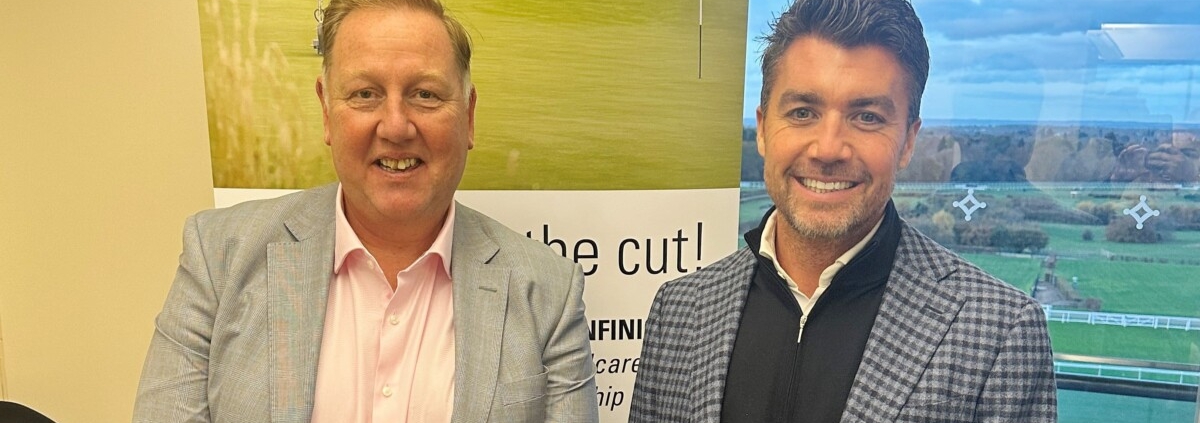
Origin Amenity Solutions Sponsors Wales in Bloom: Origin Amenity Solutions (OAS) is proud to announce its sponsorship of the City Category Award at the prestigious Wales in Bloom 2024 Award Ceremony, an event dedicated to celebrating bloom group’s achievements across Wales.

Wales in Bloom is a national element of the RHS Britain in Bloom Competition, working in partnership with the Royal Horticultural Society (RHS) to promote environmental stewardship and community engagement through gardening projects whilst supporting and enhancing their local communities, parks, and green spaces.

Origin Amenity Solutions Sponsors Wales in Bloom

Origin Amenity Solutions Sponsors Wales in Bloom

A voluntary organisation, Wales in Bloom, plays a crucial role in encouraging communities to take pride in their surroundings. By supporting the RHS “It’s Your Neighbourhood” campaign, which this year attracted 130 entries from across Wales, Wales in Bloom reinforces its mission to “Help Communities Grow” by inspiring voluntary efforts to improve local environments.

OAS is honoured to support such an important initiative, recognising the significant impact that Wales in Bloom has in fostering community spirit and enhancing the natural environment. The City Category Award, sponsored by OAS, was presented at the Wales in Bloom Annual Award Ceremony 2024, held in Abergavenny on Friday, 13th September. The ceremony was hosted by Abergavenny in Bloom, and OAS co-presented the award alongside Peter Barton-Price, Chairman of Wales in Bloom.

Peter Barton-Price, expressed his gratitude for the support of OAS, stating, “We are delighted that Origin Amenity Solutions sponsored the Wales in Bloom Main City Category Award this year.  Their commitment to environmental sustainability and community engagement aligns perfectly with our mission. The support of companies like OAS is invaluable in helping us achieve our goals.”

OAS also supplies Euroflor Flower seed mixes, which have been incorporated into numerous neighbourhood schemes throughout Wales, creating colourful and visually appealing green spaces and promoting biodiversity. This collaboration with Wales in Bloom reflects OAS’s dedication to supporting initiatives that enrich local communities and contribute to the overall well-being of the environment.

Wales in Bloom continues to work in partnership with the RHS, voluntary sectors, bloom and environmental groups, the tourism sector along with industries such as Transport for Wales to promote sustainable practices and community involvement. The City Category Award, sponsored by OAS recognises the outstanding efforts of cities across Wales and highlights the importance of collective action in creating vibrant, biodiverse, and sustainable communities.

For more information on Wales in Bloom and how your group could get involved email campaign@walesinbloom.org for further details.

For the latest industry news visit turfmatters.co.uk/news

Get all of the big headlines, pictures, opinions and videos on stories that matter to you.

Follow us on Twitter and Instagram for fun, fresh and engaging content.

You can also find us on Facebook for more of your must-see news, features, videos and pictures from Turf Matters.

Engagement in GMA’s training and qualification increases

Engagement in GMA’s training and qualification increases: The Grounds Management Association (GMA), the UK’s leading organisation for the grounds management industry, has seen a 43% rise in uptake of its training compared to this time last year.

This follows a challenging season for many sports. Over the past 12 months, the GMA saw enquiries related to flooding surge, coinciding with increased rainfall that was up 147% on the long-term average in some parts of the country.

In the North East of England, football clubs needing support because of water-logged pitches were up 244%. And 80% of rugby union clubs have had drainage issues this year compared to 50% last year.

Jason Booth, chief operating officer of the GMA, says: “We know last year was a tough season for many. More extreme weather means the challenges in our industry are getting greater. It’s time to focus on knowledge and skills to get ahead of the game so it’s essential clubs invest in their pitches and grounds teams.

“The GMA’s unique suite of training and qualifications are designed to help groundspeople advance their knowledge and skills – including courses specifically geared towards the new challenges faced in winter sports, like football, rugby league and rugby union.

“Our training is designed with the help of industry experts and supported by national governing bodies, including The FA, ECB, RFL and Sport England. We’re also the only industry association to be accredited by the Department of Education’s matrix Standard.

“As well as in person training, there are also plenty of online courses, perfect for busy professionals and volunteers who want to enhance their turf maintenance knowledge from anywhere.

“Grow your knowledge today, head over to our website and check out the training and qualifications we’ve got available.”

Discover the wide range of easy-to-access, high-quality training courses on the GMA website: https://thegma.org.uk/learning/training

For the latest industry news visit turfmatters.co.uk/news

Get all of the big headlines, pictures, opinions and videos on stories that matter to you.

Follow us on Twitter and Instagram for fun, fresh and engaging content.

You can also find us on Facebook for more of your must-see news, features, videos and pictures from Turf Matters.

Somerset and Dorset greenkeepers earn student awards victories

Somerset and Dorset greenkeepers earn student awards victories: The British and International Golf Greenkeepers Association (BIGGA), Reesink UK and Toro have revealed the winners of the prestigious Toro Student Greenkeeper of the Year awards at a spectacular event at Oulton Hall in West Yorkshire.

Two student greenkeepers who had travelled the furthest proved victorious, with Jack Vowell of Farrington Park in Somerset and Daniel Parker of Knighton Heath in Dorset claiming the top prizes.

Somerset and Dorset greenkeepers earn student awards victories

Somerset and Dorset greenkeepers earn student awards victories

Following regional judging earlier in the year, 10 finalists were selected to contest the prestigious awards at Oulton Hall, where there was further examination of their abilities with a series of tests that gave them the opportunity to demonstrate their knowledge and passion for the greenkeeping industry.

The Toro Student Greenkeeper of the Year Award was presented to Jack Vowell, Deputy Head Greenkeeper at Farrington Park, by Jon Cole, Divisional Business Manager at Reesink Turfcare and main award judge. Jack is a former recruitment consultant who switched to greenkeeping five years ago and is a student at Bridgwater and Taunton College.

Jack said: “It was such a strong field that when the runner-up’s name was read out I thought, ‘I’ve got no chance, he’s fantastic compared to me’ and so I was in complete shock when my name was announced as the winner. I just couldn’t believe it was me! ”

Jon Cole added: “The five main finalists were very impressive and they have done themselves and their clubs proud. They show that the industry is in extremely safe hands going forward. It was a closely run competition and everyone acquitted themselves well. Jack, however, showed a balance of professionalism and technical knowledge, which he knew how to deliver.”

Runner-up in the main category was Jack Wellings, Senior Greenkeeper at the JCB Golf and Country Club and a student at Myerscough College.

The Toro Young Student Greenkeeper of the Year Award was presented to Daniel Parker, Apprentice Greenkeeper at Knighton Heath, by David Timms, National Accounts Manager for Reesink Turfcare and young award judge. Daniel is a student at Sparsholt College.

Daniel said: “So many emotions were going around my head, I couldn’t believe it, but it’s brilliant. I phoned my dad as soon as I found out and he was with some family at home and they were all celebrating with me. I then spoke to my course manager and he and the rest of the team were completely thrilled. This award is as much for them as it is for me because we’re all part of a team.”

David Timms added: “The young finalists shone on the course walk, demonstrating a fantastic level of knowledge with enthusiasm and confidence. All the awards judges felt proud, pleased and privileged to be able to see the calibre of the next generation of greenkeeping in front of us. Daniel is destined for a long career in the industry and is a worthy winner of the Young award.”

Runner-up in the young category was Alex Fox, Apprentice Greenkeeper at Woodhall Spa and a matchday groundsperson at Lincoln City FC and Wembley Stadium. Alex is a student at Bishop Burton College.

Jim Croxton, BIGGA CEO, said: “Congratulations to Jack Vowell and Daniel Parker, two very worthy winners, and huge thanks to our friends at Reesink Turfcare and Toro for another truly inspirational Toro Student Greenkeeper of the Year finals here at Oulton Hall. It’s been a fantastic event with 10 wonderful finalists all trying their best. BIGGA exists to try and improve the world for greenkeepers and looking at what we’ve had in front of us today and over the last few months through the process, I think greenkeeping has a bright future ahead.”

The Toro Student Greenkeeper of the Year Awards will return in 2025. More information including how to nominate a student greenkeeper and the extraordinary prizes on offer is available on the BIGGA website and the Reesink Turfcare website Students Awards | Reesink Turfcare.

You can also watch the moment the winners were revealed and view exclusive interviews with Jack Vowell and Daniel Parker on the BIGGA website.

For the latest industry news visit turfmatters.co.uk/news

Get all of the big headlines, pictures, opinions and videos on stories that matter to you.

Follow us on Twitter and Instagram for fun, fresh and engaging content.

You can also find us on Facebook for more of your must-see news, features, videos and pictures from Turf Matters.