Turf News is the perfect place for professionals working within the UK’s vibrant turf industry – keeping you up-to-date with topical news, latest market developments and much more across all areas of the industry.
NEWS ARTICLES

Bespoke DLF Wildflower mix brightens the landscape

Bespoke DLF Wildflower mix brightens the landscape: A wildflower meadow at the heart of a brand-new retirement village in Alcester has been praised for its outstanding, long-lasting visual impact.

For the contractors, HFN Landscapes, the project was fraught with challenges – difficult ground conditions and high magnesium soil required a bespoke mixture, created by DLF Seeds.

Bespoke DLF Wildflower mix brightens the landscape

Bespoke DLF Wildflower mix brightens the landscape

When Contracts Manager David Smith commenced work on the Great Alne Park project in February, he was greeted by what could only be described as a 20,000 square metre mud bath! “Phase one, the construction of the homes was complete, when we then came in to carry out the soft landscaping – this included allotments, a croquet lawn, the individual apartment gardens as well as a large wildflower area which was the centrepiece of the whole complex” explains David, who has been in charge of HFN’s soft-landscaping projects for two years.

“We used ProMaster 25 in a lot of the transition areas on the site, then when it came to the Wildflower meadow, we provided the architects’ specification alongside the soil analysis to Paul Hadley at DLF”. DLF produce a range of native wild flower mixtures to suit different soil types, however high magnesium was identified, which can contribute to deterioration of clay soil structures, reducing infiltration rates and causing an environment not conducive for effective germination. With this in mind, Paul formulated a bespoke wildflower mixture including species that can tolerate a mixture of environmental conditions such as Knapweeds and Buttercups, together with a number of indicator species including Wild Marjoram, more akin to alkali soils. To deliver an initial boost of colour in the meadow’s nursery year, a selection of Cornfield Annuals were also incorporated.

Bespoke DLF Wildflower mix brightens the landscape

Bespoke DLF Wildflower mix brightens the landscape

“There is no doubt that Paul’s knowledge gave us a mixture that not only met the architects vision, but exceeded what we hoped to achieve in its impact and longevity; especially given the fluctuating hot and wet weather conditions and the added complications that COVID restrictions have had on our work.”

The outstanding floral display has since attracted much attention, including on Central News where residents complimented the space as a haven during the lockdown period. “Six months since we seeded the area and it’s still a sea of colour, which couldn’t be further away from where we started!”. David concludes, “As a business, HFN are very proud of what we have achieved, but that wouldn’t have been possible without Paul’s advice and the quality wildflower mixture DLF delivered. As we increasingly get asked about recreating wildflower and meadow style areas, we know we have the support and product to deliver.”

For the latest industry news visit turfmatters.co.uk/news

Get all of the big headlines, pictures, opinions and videos on stories that matter to you.

Follow us on Twitter and Instagram for fun, fresh and engaging content.

You can also find us on Facebook for more of your must-see news, features, videos and pictures from Turf Matters. 

A seasonal guide to golf course maintenance

A seasonal guide to golf course maintenance: As we head into the winter months, with the chilliest and the wettest of the weather yet to come, you may be asking what maintenance is necessary as the seasons change.

In this blog, we’ll be running down the typical kinds of maintenance that you need to undertake to ensure that your golf course remains at its best season-after-season.

A seasonal guide to golf course maintenance

A seasonal guide to golf course maintenance

This schedule will apply to most golf courses, but each maintenance schedule will need to be tailored to soil type, weather patterns and other, similar, site-specific factors.

Spring

March

In any typical year, March will see in the backend of winter and welcome milder temperatures, which increase both air and soil temperatures, encouraging growth. If you enjoy a few days’ worth of mild weather, apply a light application of lawn tonic to encourage some further early grass growth. This will help to create smoother surfaces earlier in the year and help to avoid some of the issues we see at some of the earlier golf tournaments in the year.

Dry Patch will also be an issue on many courses, so it’s certainly worth doing all you can to be prepared for this eventuality. An early application of wetting agent will be ideal around now because the ground will still be moist; thus, ground penetration will be felt throughout the season and will combat dry patch as your wetting programme continues.

April

April is one of the busiest times for maintenance around the course; the onset of growth is imminent, so now is the time to tidy up, mow and prepare for the most active golfing period of the year.

May is usually the best time of year to spray broadleaved weeds around the course. But by preparing everything you need for this in April, you can reduce the pressures on your time as the course gets busier and negate any health and safety concerns that come with using chemicals.

If you’re planning to use a contractor for this, now is perhaps your last good opportunity to book them. In the meantime, reduce your usual nitrogen feeding routine as this encourages excess leaf growth, without encouraging root development. Instead, increase potassium applications to improve the roots of the grass and its ability to pull water from the soil.

Other key pointers this month, include:

  • Avoid the application of any chemicals that might impact the growth of the grass roots; for example, herbicides could be detrimental if you experience a period of dry weather.
  • Continue to aerate the soil around the course to promote the growth of roots and the movement of air and water within the soil.
  • Ensure mower blades are sharp and cutting cleanly – a blunt blade can damage swards.
  • Raise the blade of the mower and trim only when necessary to avoid excess stress on the grass.
  • Confine irrigation to only crucial areas, such as the green – brown fairways are not the end of the world at this time of the year.
  • Any fairways with shallow soils should be given a layer of topdressing to improve soil depth and aeration to increase rooting depth.

May

It’s at this time of year when warmer weather will create the ideal conditions for a good spell of growth. The past few years have seen prolonged dry spells during the summer, so now is a good time to think about collecting rainwater and minimising water use where you can in preparation for high temperatures.

Summer

June

During June, you should begin:

  • Reducing your applications of nitrogen.
  • Reduce irrigation so that the surface firms and the roots must work that bit harder for their water.
  • Watering by hand to prevent water build up in areas of low land.
  • Frequently verti-cutting without overstressing the surface.
  • Frequently dressing surfaces to maintain a smooth, freely draining surface.
  • Regularly aerating to ensure the free draining of any surface water.
  • Removing excess organic matter or debris, such as sticks, weeds and fallen leaves.
  • Brushing the grass to ensure that the surface is aerated, free of debris and produces a cleaner cut during mowing.
  • Rolling to keep the surface smooth and to remove any developing bumps or problem areas.
A seasonal guide to golf course maintenance

A seasonal guide to golf course maintenance

July

As the weather continues to get warmer, more golfers will visit the course, which unfortunately brings about disease that may affect your grass. This is a difficult time for any groundsman; while you obviously want golfers to enjoy the fruits of your hard work, at the same time, you need to be on your toes to ensure that your grass remains healthy.

Sustaining healthy turf is crucial to sidestepping disease, excessive strain and maintaining a nutritional balance. If you’re faced with symptoms that you’ve never seen before, while it might not be anything to worry about, it’s best to get them checked by a specialist. This is especially important when you consider that back in 2012, two new turf diseases were found on courses in England and Ireland.

Once you’re fully aware of what you’re dealing with, the correct action can be taken to protect the grass.

By simply ensuring that your grass remains stress-free, you can actually prevent a great deal of diseases. Feeding, irrigation, maintenance and mowing are all key factors in ensuring that your grass is relaxed and content.

August

August can be a great time to begin corrective works such as hollow coring and the overseeding of greens. This is because the temperatures in both the ground and in the air are usually high enough to ensure that grass recovery from your works will be very quick.

Consider that recuperation from these works may take as little as two weeks in August, but if you’re leaving it until September, you may find it can take up to four to six weeks.

That said, while many golf courses may see much less foot traffic during August, not all courses are quiet. In this case, any repair and renovation work will need to be planned carefully around how busy the course is.

Autumn

September

Typically, at this time of year, temperatures will begin to fall, and morning dews may appear across the course. They’ll be less pressure on water resources, and if your previous repair and maintenance works have taken well, you’ll have some time for other essential jobs before the leaves begin to fall.

One area of the course that you should be reviewed every couple of years is the teeing grounds. Tees are frequently forgotten in favour of greens, however as play increases the tee size and condition may not be adequate to support play.

Your tees must have access to plenty of light, so be sure to prune, trim and remove branches of neighbouring trees where necessary to keep the turf in good condition. Taking advantage of the drop off in play at this time of year to begin a tee maintenance project ensures that it has time to settle before the start of the next season.

A seasonal guide to golf course maintenance

A seasonal guide to golf course maintenance

October

Now Autumn is beginning to come to a close; it’s time to think very carefully about your course’s winter golf policy. There’s no question that playing on frosted greens will cause damage to the plant; however, such damage is really down to the discretion of the individual course to decide whether it is acceptable.

On the one hand, two or three golfers on frosty greens might not be a problem, but when you have a hundred doing so in a given day, then it may well be. This could spell the difference between a few footprints, which will rectify itself in spring, or a setback of two to three weeks in the grass coming into its summer condition.

Winter

November

The larvae of crane flies, leatherjackets, aren’t always a problem on every course, and some that are impacted will experience such a small invasion that it won’t warrant the cost of spraying. However, these pests can grow up to 4cm and have a particularly ravenous appetite when it comes to grassroots and stems of fine turf. By treating this issue anytime from now until next April, you’ll spare yourself another headache.

Although tree-lined courses are a significant draw for golfers, they can also give groundskeepers a great deal of work to do at this time of year. Although leaf blowers and sweepers can make life just that bit easier, there’s still a good few weeks of leaf collection ahead of you. Once the leaves are all down, take some time to ensure you’re removing any damaged or diseased wood from the trees and remove those which are casting shade or restricting airflow to the turf.

With less light during the day, you may find surface moisture and shade will create moss and algae. If you can’t remove this, try using a soil amender as a top-dressing to keep the surface dry.

A seasonal guide to golf course maintenance

A seasonal guide to golf course maintenance

December, January & February

As you come to the end of one year and into the beginning of the next, it’s time to begin planning for the new season.

The height of winter is a great time to look for any areas of the course that aren’t draining as you’d like and where drainage work is necessary. Movement across the course will become more difficult at this time of year, and if your winter policy allows play, then it’s important to monitor what effect this may be having and whether further paths and thoroughfares are necessary.

Stephen Beal is a grass seed expert and the Sales & Marketing Manager at www.barenbrug.co.uk

For the latest industry news visit turfmatters.co.uk/news

Get all of the big headlines, pictures, opinions and videos on stories that matter to you.

Follow us on Twitter and Instagram for fun, fresh and engaging content.

You can also find us on Facebook for more of your must-see news, features, videos and pictures from Turf Matters. 
Strong summer sales for Engcon

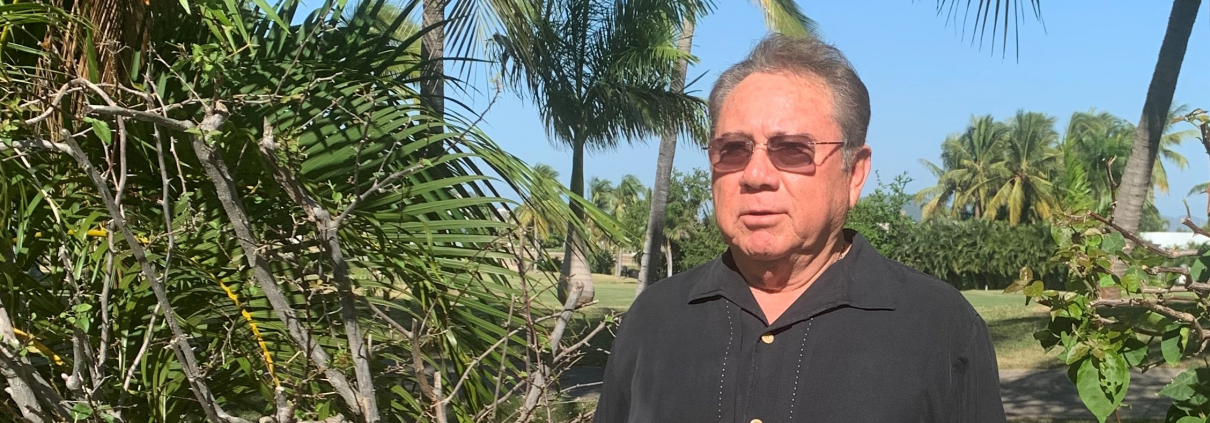
Strong summer sales for Engcon: The effects of Covid-19 are not over yet, but this summer’s sales figures have provided Engcon with a positive outlook. The unexpected increase in sales during the months of June and July mean that Engcon is now overseeing extra efforts to produce and fulfil the delivery of additional orders.

Engcon like many companies was affected when Covid-19 struck with full force in the spring. As well as impacting sales, Engcon was forced to cancel and return early from this year’s largest construction trade show CONEXPO, in Las Vegas. Engcon is known for its good financial management and immediately acted with a package of measures, that included cost savings, budget adjustments and prioritising efforts to streamline processes and working practices. However, this summer’s sales figures were better than expected, which meant ramping up production to meet the increase in customer orders.

Strong summer sales for Engcon

Strong summer sales for Engcon

”For us, it is of the utmost importance to run the company in a serious and long-term way. In uncertain times, we do what we can to minimise the effects if it should be a worst case scenario,” says Krister Blomgren, CEO of Engcon Holding, and continues:

“But it turned out pretty soon that despite the pandemic, many excavator operators around the world continued their work with maintenance of railways, highways, forestry and building structures. We know that our products contribute to socially beneficial activities and these priorities around the world have therefore of course been favourable for us as a company. This is a strong contributing factor to our positive sales figures”.

In total, Engcon Group sales dropped by approximately 14 percent from January to July 2020, compared with the same period last year, while sales increased by 18 percent in the non-Nordic markets.

“What you have to remember is that it is the other markets that are growing at a higher rate right now, meanwhile sales remain sluggish in our normally stronger markets here in the Nordic region”.

However, Engcon has seen greater caution around larger investments, but at the same time can see that many excavator operators barely have time available for all their assignments right now. Those who can afford it are thus making the smart move to invest in an economic downturn in order to prepare for the upturn.

”Investing in a tiltrotator makes digging considerably more efficient, which means extra capacity to catch up with more jobs in hectic times. It is wise to equip the business, regardless of whether you are a local excavation company or a large global corporation,” says Krister Blomgren.

Engcon has a number of activities prioritised to further develop the business and come out stronger on the other side of the pandemic.

“For example, we have just chosen a supplier for a new business system, as part of a decision we made over a year ago. Our strategy is to streamline our processes and make smart investments to become even better. This summer’s sales have been good, and we are cautiously optimistic, even though we have not heard the latest about Covid-19 yet,” Krister Blomgren concludes.

The markets where sales rose significantly during the year were North America (USA and Canada), Denmark, the United Kingdom and Australia.

For the latest industry news visit turfmatters.co.uk/news

Get all of the big headlines, pictures, opinions and videos on stories that matter to you.

Follow us on Twitter and Instagram for fun, fresh and engaging content.

You can also find us on Facebook for more of your must-see news, features, videos and pictures from Turf Matters. 

CMAE European Conference opens for registration

CMAE European Conference opens for registration: The 2020 European Conference on Club Management hosted by the Club Managers Association of European (CMAE) is today open for registration.

The virtual event takes place over three days from the 30th November to the 2nd December 2020 and uses online technology to create a delegate experience like never before.

CMAE European Conference opens for registration

CMAE European Conference opens for registration

The conference features an exciting line up of over 30 speakers, including 10 Certified Club Managers, who will all share their expertise on subjects relating to the 11 core competencies of club management, including Membership & Marketing, Interpersonal Skills, Facility Management, Food & Beverage, HR and Strategy.

The programme also includes an impressive line-up of keynote speakers.

GGA Partner’s Rob Hill will open up the event with a Governance session called “Measuring Leadership Success.” where he will suggest metrics for measuring leadership success in 2020 and beyond.

Former General Manager Andre Van Hall went blind and will talk about influencing change instead of being afraid of it.

Arnaldo Cocuzza CCM will talk about his fascinating story from being a successful club manager in Italy and President of CMAE, to then losing his job and starting his new life in the USA where he now finds himself at the exclusive Desert Mountain Club in Arizona.

Also joining the keynote line up is Vincent Phipps. Vincent is an keynote speaker, workshop facilitator and communication coach. Vincent is called The Attitude Amplifier due to his high energy, content rich material, and interactive presentation style. Vincent’s philosophy is, “If I can get you to laugh, I can get you to listen.  If I can get you to listen, I can help you amplify.”

The event uses video conferencing tools and branded online platforms creating space to connect with delegates, sponsors and educators from across the globe creating a unique learning and networking experience.

An early bird registration fee of £225 is available to those who book their place before September 30th. The standard fee of £295 will apply thereafter.

The event is open to CMAE members only and members of CMAA, CMAS, CMASA, CMHK, GMA, GMANZ

Full details and a link to register can be found at http://www.cmaeurope.org/news-events/conf2020

Link to YouTube video https://youtu.be/Dh7lo0r-svo 

For the latest industry news visit turfmatters.co.uk/news

Get all of the big headlines, pictures, opinions and videos on stories that matter to you.

Follow us on Twitter and Instagram for fun, fresh and engaging content.

You can also find us on Facebook for more of your must-see news, features, videos and pictures from Turf Matters. 

Walton Heath invests in Toro fleet deal

Walton Heath invests in Toro fleet deal: Walton Heath Golf Club has had Toro machinery in its fleet of greenkeeping machinery for decades, but after seeing the benefits a Toro package deal would bring to the course and its members, the club signed its first five-year agreement with the brand.

With its Old Course having ranked in world top 100 lists every year since the inception of the rankings in 1938, Walton Heath Golf Club knows a little something about consistently providing excellence. This is part of the reason they opted for a Toro fleet deal, as club chairman Dr Alastair Wells explains:

Walton Heath invests in Toro fleet deal

Walton Heath invests in Toro fleet deal

“Having a fully modern fleet means we can maintain the courses to a very high standard,” he says. “For example, the uniformity of cut and reliability are always going to be better with new Toro machines, plus there are financial benefits. With a package deal we can retain cash as the cost is spread out over five years, which was one reason why we made the switch from buying machines on an annual basis.”

“With such a large investment to consider, the decision to go with Toro wasn’t made lightly as we wanted to provide our highly valued course manager Michael Mann and his team the best possible equipment. We had machinery demonstrations from a number of leading brands, however it became clear that Toro was the way to go. Toro and Reesink Turfcare are such reputable companies for one but added to that is the fact that Toro equipment is first class.”

The comprehensive fleet deal includes four Toro Greensmaster TriFlex Hybrid 3420s, two Groundsmaster 4700-Ds, four Reelmaster 6700-Ds and a further two Multi Pro 5800-Ds, three Workman HDXs and one Workman MDX.

“Toro really suits the terrain here,” continues Dr Wells. “We’ve been happy with the service from Reesink and Toro before, so it made sense to invest in a brand we know and trust.”

With the new deal spearheaded by course manager Michael Mann, this significant investment in Toro is only one part of the club’s efforts to improve and develop the course.

“The two courses here at Walton Heath are highly regarded across the country, in part due to the great tournament history they have, but also because of our continuous efforts to make improvements,” continues Dr Wells. “Since 2000, nine hectares of pure heath land have been restored and more recently we’ve brought in architects Mackenzie and Ebert to review both the Old and New course. This new agreement with Toro and Reesink is just the start of further development in the club, which we believe will see improved results.”

Reesink’s Jon Cole, branch manager – South East, adds: “We are delighted to have cemented our long-term relationship with Walton Heath Golf Club following the club’s due diligence process. Our local representative, Mike Taylor, supported by the Reesink South East team engaged in a busy evaluation process with Michael Mann and his team at Walton Heath. So after the hard work put into the selection process, we are immensely pleased to have the club reconfirm their confidence in us and the Toro brand.”

For the latest industry news visit turfmatters.co.uk/news

Get all of the big headlines, pictures, opinions and videos on stories that matter to you.

Follow us on Twitter and Instagram for fun, fresh and engaging content.

You can also find us on Facebook for more of your must-see news, features, videos and pictures from Turf Matters.