Tag Archive for: Chafer

NemaTrident techniques to target chafer grub larvae

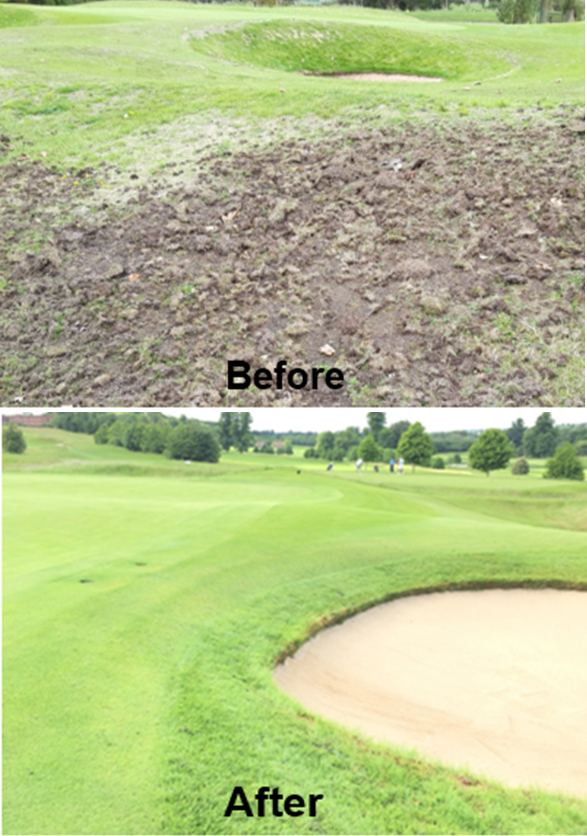
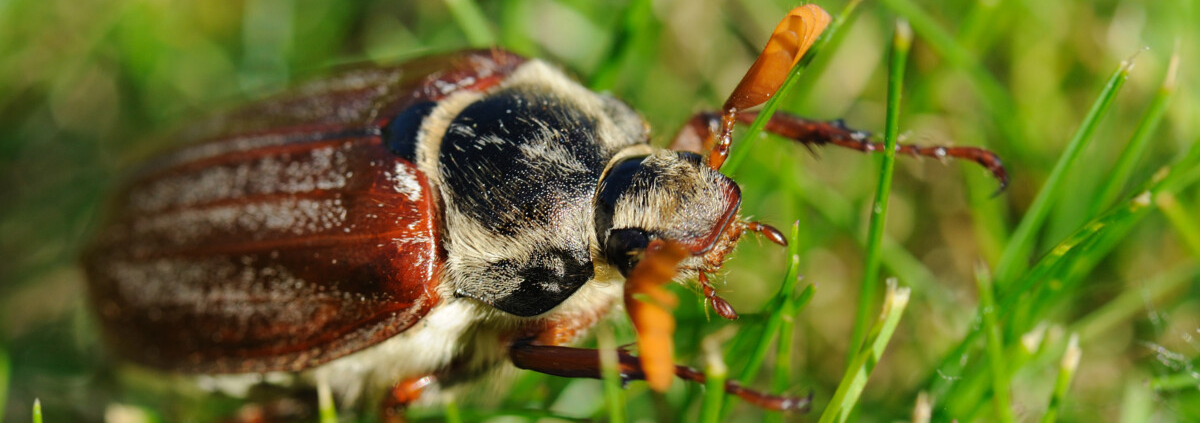
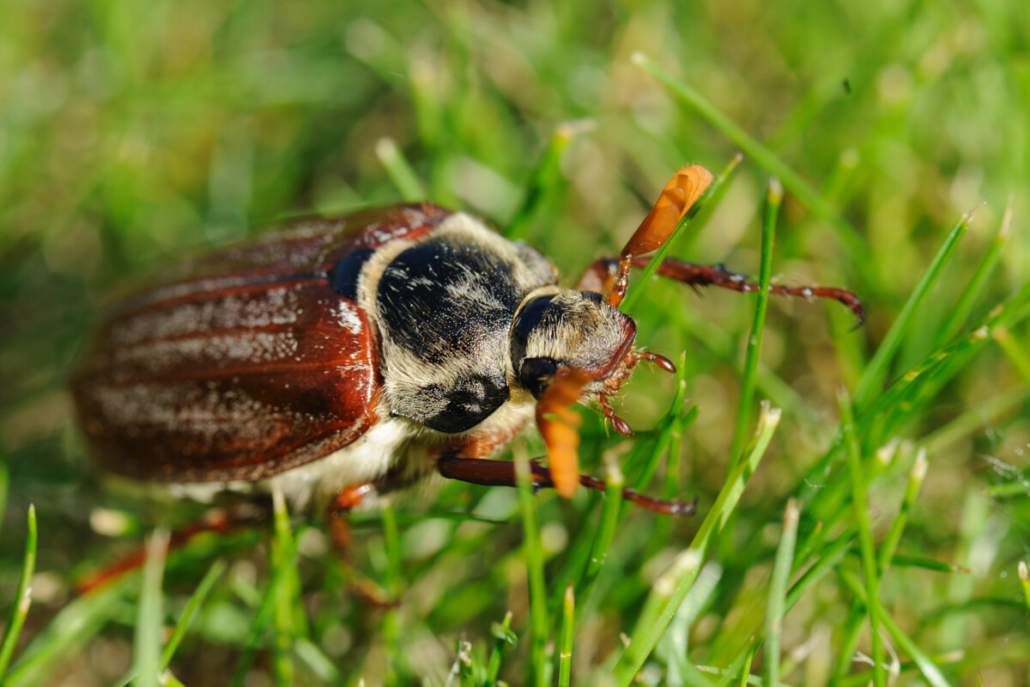
NemaTrident techniques to target chafer grub larvae: Chafer season has been slow to start this spring, but is now taking off with adult beetles emerging. Moist soils now make ideal conditions for egg laying, with warmer temperatures for larval hatch and feeding activity.

However, warm and moist soil conditions are also ideal for beneficial nematode action to target larvae in the early stages of the life cycle, advises Syngenta Technical Manager, Sean Loakes.
NemaTrident techniques to target chafer grub larvae

NemaTrident techniques to target chafer grub larvae

“Soil temperature consistently above 12⁰C for at least three hours a day are ideal for the NemaTrident B nematode species, Heterorhabditis bacteriophora, that has been specifically selected to effectively target chafer larvae.”

“NemaTrident B can provide highly effective control of chafer larvae. New trials have shown how we can now best harness the beneficial nematodes in effective Integrated Turf Management strategies.”

He points out that chafer control with nematodes is a numbers game, with the more nematodes applied in the optimum conditions, the greater the opportunity for sufficient parasitic worms to get into the active larvae.

“Chafer grubs are remarkably adept at avoiding nematode attacks, using their pseudo legs to wipe nematodes off their torso. However, if there are sufficient nematodes present they will overwhelm larvae, with potential for good results even on larger instar grubs.

“It’s important to select the most appropriate nematode for the target pest, and applying the maximum number in the best condition. Using a product with a mixed population of different nematodes species could result in too few of the required nematodes in the soil zone or inactive at lower soil temperatures,” he warns.

NemaTrident B nematodes are particularly active at seeking out chafer grubs in the soil. Once they penetrate into the larvae, they release a bacteria that kills it. Nematodes move through the soil in a film of moisture, so are best applied when soils are moist and ideally kept irrigated or moist for 14 days after application. Unirrigated sites pose a serious challenge for nematode use, where they should be applied in a period of rainfall.

“NemaTrident should be applied in conjunction with NemaSpreader, a bespoke blend of surfactants designed specifically to retain the conditions for optimum nematode movement in the soil.” Trials have shown up to 30% better soil pest control when NemaTrident is used in conjunction with NemaSpreader.

Sean advocates NemaTrident B application should be timed after the point of peak adult chafer activity and egg laying, to ensure the nematodes are in the soil profile as the larvae are emerging after three to four weeks; young larvae are the most effectively controlled.

Establishing which species of chafer beetle is the key target species will influence optimum application timing, as well as the population of larvae to be controlled, he highlights.

The most common garden chafer, for example, are typically most active egg laying through mid to late June and only have a one-year life cycle that can be especially well targeted for control; while the summer chafer is most active in July and August, as well as having two-year life cycle that is more difficult to control where older large grubs are present.

“That makes timing and application technique so important to get the optimum results. Nematodes are living organisms, and as such have to be treated carefully from delivery, through storage and to application that will ensure the maximum number are applied in the best condition.”

Seans Top Tips for success with nematodes include:

  • Store in the fridge at 4-7⁰C as soon as possible on delivery
  • Pre-mix in lukewarm water before adding to the spray tank
  • Remove filters from the sprayer and ensure it is clean
  • Apply in a water volume of 500 – 1000 litres/hectare
  • Use the Syngenta XC 08 Soil Nozzle
  • Always use NemaSpreader with NemaTrident applications
  • NemaTrident B should be applied at a rate of five billion nematodes per hectare

Syngenta trials have shown the most reliable and consistent chafer grub control with an integrated approach using NemaTrident B plus NemaSpreader, following an Acelepryn insecticide treatment.

Recent studies at Forest Pines Golf Course in Lincolnshire – using a well-timed application of Acelepryn at peak egg laying, followed by NemaTrident B – have confirmed that larger chafer larvae stressed or weakened by Acelepryn may prove more susceptible to nematode incursion, to deliver more effective and reliable overall control.

“Where chafer grubs are the primary target this two-pronged approach can give the optimum results,” reports Sean.

“However, turf mangers and agronomists must be aware that only one application of Acelepryn is permitted per season and with limited treatment area, so if leatherjackets are the greater issue the insecticide may be better utilised there, and NemaTrident B the key asset for chafer grub control.”

For the latest industry news visit turfmatters.co.uk/news

Get all of the big headlines, pictures, opinions and videos on stories that matter to you.

Follow us on Twitter and Instagram for fun, fresh and engaging content.

You can also find us on Facebook for more of your must-see news, features, videos and pictures from Turf Matters.
Fight against the Garden Chafer

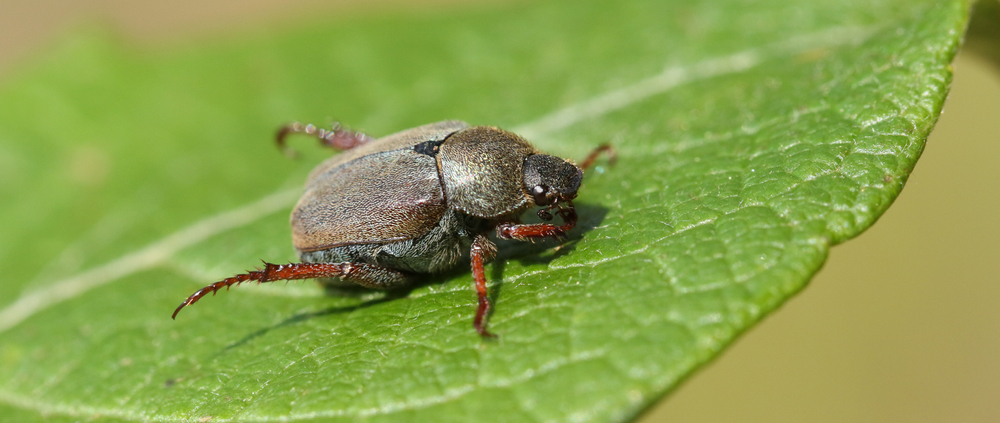
Fight against the Garden Chafer: International Pheromone Systems is looking for trial sites as part of its work to develop lures and traps to help monitor and control an insect pest that is menacing golf courses, race courses, amenity gardens and parks across much of the UK.

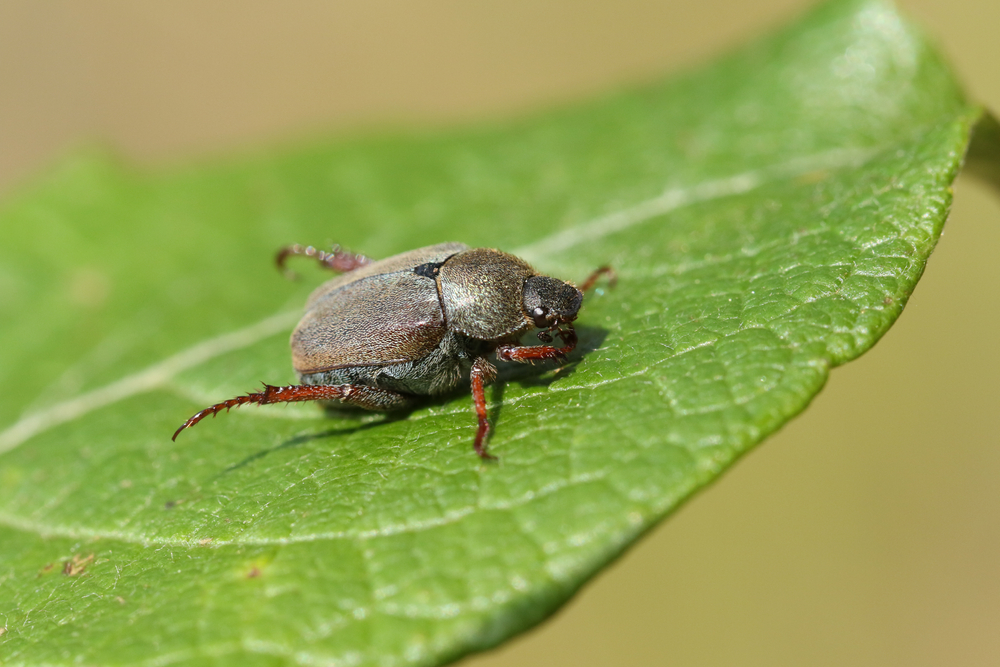
Dr Sam Jones, Technical Manager for IPS, explains: “Garden Chafer beetles are turf pests and are most problematic in locations where turf must be kept pristine.

Fight against the Garden Chafer

Fight against the Garden Chafer

“While adults can cause some damage from feeding it is the grubs (larvae) that are the most damaging as they feed and develop on the roots of the grass. In certain locations populations of the Garden Chafer can proliferate. There has been an increasing demand for an environmentally friendly, biocontrol method of managing these pests particularly following the ban of some pesticides. We estimate that a typical golf course would probably need 8 – 12 traps to efficiently monitor for these pests, dependent upon size, shape and planting.”

Monitoring provides early warning of a pest’s presence and identifies areas to be targeted, rather than treatments being applied to large regions where the beetle may not be present. Any trials would be expected to take place between May and July when the pests are usually most abundant.

“We don’t have a pheromone for either the Garden Chafer or the Welsh Chafer, so we currently use plant derived attractants which in the case of the Garden Chafer are floral odours. The hope is that our new lure formats will attract both species. This work will later be extended to the less damaging pests, the Rose Chafer and the Cockchafer,” Sam added.

Chafer larvae are distinguished by their “C” shaped body, which is white with a pale brown head. Garden chafer larvae reach up to 15 mm long when fully grown. Larvae feed on the roots of grasses which results in the formation of patches. Damage is often exacerbated by badgers and crows which like to dig into the turf to feed on the larvae.

“Damaged turf on sports pitches can sometimes impact on player welfare. Once weakened the turf may not provide adequate traction which can result in increased slips and falls and potential player injury.

“As well as injuries there can be loss of revenue for the facility if a sporting event has to be cancelled and the capital costs of replacing the damaged turf can often be substantial,” Sam explains.

International Pheromone Systems offers a nature-based approach and specialist knowledge for natural and safe solutions to monitor and manage pests in agricultural and domestic environments.

The company’s highly skilled entomologists find solutions from nature itself. Together with universities, scientific partners and growers, the IPS team works to find natural solutions to help reduce pesticide use and support integrated pest management (IPM) in agriculture, horticulture and forestry businesses.

A healthier, safer and more productive environment is achieved by using the natural behaviour of pests and finding the right pheromone combination and trapping solution specific to a particular species.

For the latest industry news visit turfmatters.co.uk/news

Get all of the big headlines, pictures, opinions and videos on stories that matter to you.

Follow us on Twitter and Instagram for fun, fresh and engaging content.

You can also find us on Facebook for more of your must-see news, features, videos and pictures from Turf Matters.
Emergency Chafer Summit Held

Emergency Chafer Summit Held: The Turf and Amenity industry united to declare that an integrated pest management (IPM) is need of the hour for Chafer and Leatherjacket control.  This was the conclusion of the sell-out Emergency Chafer and Leatherjacket Summit that took place on 9th May 2019 at Burton Albion Football, Staffordshire.

With many chemicals now removed from the turf and amenity sector, crucial practices such as monitoring and using a range of preventative measures within the IPM approach was encouraged. It was also recognised that the identification and understanding the life cycle of these pests is key to successful control.

Emergency Chafer Summit Held

With limited time to act upon, a cross section of industry stakeholders gathered at Burton Albion Football Club and agreed that a co-ordinated industry-led Chafer and Leatherjacket centred strategy from all areas of the supply chain is needed.

Speakers covered topics including pests and disease problem, natural solution including plant extracts and biocontrol, biostimulants, pest monitoring and case studies on Chafer and Leatherjackets.

The event was organised by Bionema with the support from Rigby Taylor, Maxstim, Ecospray and E. Marker in association with BIGGA and IOG.  The summit brought those affected by these pests, in order to discuss effective methods of control that are available now.

Alternative controls such as biopesticides and entomopathogenic nematodes were discussed throughout the event and attendees were encouraged to consider options available based on plant susceptibility, growth stage, crop culture (indoor/outdoor) and to focus on the behaviour and life cycle of the Chafer and Leatherjacket in identifying suitable products, treatment times and application methods.

“The more we know about these insect pest issues – their biology, what they do, identification, different developmental stages and susceptibility to biocontrol agents such as entomopathogenic nematodes – the better. We can control,” explained Dr Minshad Ansari, Founder and CEO of Bionema.

Dr Ansari also added that “there are several species of chafer in the UK and greenkeepers need to know which one of them attack their greens as different Chafers have different life cycles”. The most common in amenity and sports turf is the Welsh Chafer, with a two-year life cycle and Summer Chafer and Garden Chafer have a one-year life cycle. A fourth Chafer found in turf is the May beetle, or Cockchafer, with a three- to four-year life cycle. There are 303 species of Leatherjacket, the most common in turf being Tipula paludosa, and it is on the increase.

Peter Corbett, Speciality Products Manager for Rigby Taylor reminded those present of the importance of applying different products in the correct manner and at the full label dose rate in order to achieve control.

Peter commented “It is important to ‘break the cycle’ of the Chafer and Leatherjacket and employ combined solutions which can work synergistically. Turfgrass is susceptible to the pest at the larval stage, affecting the roots.  The adult stage causes no damage but capturing via trapping can limit population growth for future seasons. It is Important to check with your turf supplier to see if the turf is already infested with Chafers or Leatherjackets and if necessary apply beneficial nematodes before egg laying.”

Ecospray’s EGC nematicide is also reported to have an effect on leatherjackets when used as a nematicide when the threat from Leatherjackets are present causing behavioural modification to egg laying females as well as direct ovicidal and early larvicidal activity and is suggested as a useful tool prior to applying beneficial nematodes. Nicholas van Cutsem, Sports and Amenity Manager for Ecospray says: “An IPM programme integrating the use of EGC and entomopathogenic nematodes that attack leatherjackets may result in longer-term control but timing the timing interval between the different products is critical, with EGC being applied first followed by the other treatment.”

Richard Salvage, MD, Maxstim said, “Look after the root zone to optimise turf and root zone health in order to discourage problems.” That includes the use of biostimulants to help the plant help itself.

The event established the true extent of the problem faced by the turf and amenity sector and gave a more in-depth look at the pests and the current controls available.  An important element of the day was hearing first hand from course managers who had successfully reduced their reliance on conventional chemical treatments.  Phillip Chiverton, course manager at The Grove Golf Resort shared his experience where chafer grubs had caused >£70,000 worth of damage. Phillip said, “There was light at the end of the tunnel as how effective Bionema’s biological approach has been which provided up to 80% control in year one”. A case study on Philip experience is available on YouTube or via Bionema’s website www.bionema.com.

Mark Tucker, head greenkeeper, Neath Golf Club, South Wales said: “TourTurf STA slows down the activity of Leatherjackets prior to applying Bionema NemaTrident®L with Nemaspreader®, a compatible wetting agent which is a viable solution to this devastating issue, but correct application is vital to  success”.

Speaking in the emergency summit, Prof John Moverley, Amenity Forum said: “The demand for high quality pest-free turf is higher than ever and greenkeepers, race course managers and groundsmen’s jobs are all the more strained because at present there is no ‘silver bullet’ control option due to the removal of conventional chemical pesticides”.

The final summit session was an interactive panel discussion, focusing on research and development into the control of Chafer Grubs and Leatherjackets, questions from the audience were plentiful, as the frustrations of the Chafers and Leatherjacket were overwhelmingly expressed.   Highlights of this panel discussion will be made available via website www.bionema.com shortly.

The Emergency Chafer and Leatherjacket Summit was organised as a matter of urgency, as failure to prepare properly prior to May this year could have detrimental effects on turf and the livelihoods of many.

If you have not taken steps to treat Chafer and Leatherjacket already this year, then the next 2 weeks is the optimal time to contact your pest control supplier and ask them to work with you to implement an IPM solution.

These biological approaches will continue to be explored at Bionema’s second event this year, The Biopesticide Summit and Global Biopesticide Awards, to be held on the 2-3rd of July at Swansea University www.biopesticidesummit.com

For the latest industry news visit turfmatters.co.uk/news

Get all of the big headlines, pictures, opinions and videos on stories that matter to you.

Follow us on Twitter and Instagram for fun, fresh and engaging content.

You can also find us on Facebook for more of your must-see news, features, videos and pictures from Turf Matters.

Emergency Chafer Grub and Leatherjacket Summit

Emergency Chafer Grub and Leatherjacket Summit: An emergency summit is to be held with the aim of finding industry-led solutions to the threat of Chafer Grubs and Leatherjackets in the turf industry.

The Summit will take place on 9th May 2019 at Burton Albion Football, Staffordshire.

Emergency Chafer Grub and Leatherjacket Summit

Attendance at this industry summit is vital to those in the industry that want to develop a long-term preventative strategy for Chafer Grubs and Leatherjackets.

Now that many of the chemicals which were routinely used to keep golf courses and sports pitches free of pests have been withdrawn, we need to find alternatives. This Summit will explore the current challenges in sustaining turf quality in a chemical-free environment.

Without proper preparation and action prior to May this year, there is a high risk of increased attack by Chafer Grubs and Leatherjackets. Many grounds personnel are unaware of a problem until they see evidence – such as birds picking insect larvae by uprooting the dead grass.  However, prevention is better than a cure and scientifically-developed natural pest control solutions when applied in advance will help control the problem.

This event is supported by Bionema, Rigby Taylor, Maxstim, EcoSpray and E. Marker A/S and is held in association with the editors of BIGGA, IOG and Horticultural Week, leading industry magazines.

Dr Minshad A Ansari, Founder and CEO of Bionema, said:

“This summit is the first step in working together as an industry – pooling our knowledge and using all the tools we have in an integrated way to achieve control of these devastating pests”

This emergency Summit will include:

Welcome and Introduction Dr Minshad Ansari, CEO Bionema

Jim Croxton, CEO, BIGGA

Karen Maxwell, The Institute of Groundsmanship Sally Drury, Horticulture Week

Current pest and disease management in the UK: The push towards integrated approaches Professor John Moverley, Amenity Forum, UK
Major turf pests and diseases Dr Kate Entwistle, The Turf Disease Centre, UK
Rising threats of plant parasitic nematodes in turf Colin Fleming, Agri Food and Biosciences Institute
Biology of Chafers and Leatherjackets Dr Minshad Ansari, Bionema
The role of Biostimulants in turf management and root development Richard Salvage, Maxstim
The natural solution for pest and disease control Philip Charlton Smith, CEO, EcoSpray
Current products and their application: Do they interfere? Peter Corbett, Rigby Taylor
Natural solutions to control of Chafer Grubs and Leatherjackets: How do they work? Dr Minshad Ansari, Bionema
Chafer traps: A natural device to monitor Chafer Beetle populations Peter Corbett, Rigby Taylor
Synergy between Chemical & Biological solutions Carsten Marker, E. Marker, Denmark
Case study 1: Chafer Grub control at the Grove

Phillip Chiverton, Golf Course & Estate Manager at the Grove, UK

Case study 2: Leatherjacket control at Neath golf club

Mark Tucker, Head Greenkeeper, Neath Golf Club, UK

The event will establish the true extent of the problem faced by the turf and amenity sector, offer a better understanding of the pests and the current controls available. It will culminate in an interactive debate, chaired by BIGGA, IOG, Horticultural Week editors to help plan the next steps for the industry to take to combat the pest threat. The Summit will conclude with an insight into research and development into the control of Chafer Grubs and Leatherjackets in turf and amenity sector by Dr Minshad Ansari from Bionema.

Attendance is FREE, but spaces are limited so please book early
to avoid disappointment contact. Please contact Matt Rogers
m.rogers@bionema.com – +44 (0) 7786991146

For the latest industry news visit turfmatters.co.uk/news

Get all of the big headlines, pictures, opinions and videos on stories that matter to you.

Follow us on Twitter and Instagram for fun, fresh and engaging content.

You can also find us on Facebook for more of your must-see news, features, videos and pictures from Turf Matters.