Tag Archive for: Green

Keep it clean and green with Bio-Circle

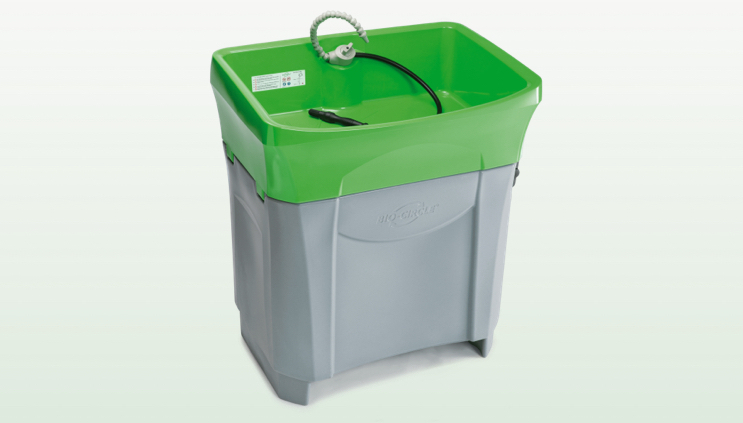
Keep it clean and green with Bio-Circle: Reesink Turfcare has made huge leaps in recent years to bring customers sustainable machinery choices, so it only makes sense for this green ethos to extend to cleaning machines too. Enter the Bio-Circle GT Maxi: the parts cleaner that eliminates water waste and pollutant run-off into the water system.

When it comes to disposal, water reduction and waste avoidance are the magic words and Bio-Circle’s GT Maxi brings customers both, as Jon Cole, divisional business manager – turfcare at Reesink Turfcare, explains: “Clubs can use upwards of 400-600 litres of water per hour to wash their equipment with a pressure washer. In a climate where responsible water management is paramount, Bio-Circle provides an alternative way of cleaning parts that limits this kind of wastage, which has a positive effect on a club’s finances as well as the environment.”

Keep it clean and green with Bio-Circle

Keep it clean and green with Bio-Circle

Both VOC-free, and pH neutral, Bio-Circle GT Maxi uses water-based cleaning with natural microorganisms without solvents or cold cleaners. While it’s gentle on the environment, it’s powerful enough to cut through grease, oil, grass contamination, whiteline paint and fertiliser, and eliminates the need to pressure wash parts which avoids the risk of damage that can be caused by high pressure cleaning applications.

A closed-loop filtration system ensures the cleaning liquid is both recycled and cleaned via bio-remediation, meaning the Bio-Circle GT Maxi can deliver consistent cleaning performance all while maintaining a very long service life.

The Bio-Circle GT Maxi parts cleaner is high performance, sturdy and durable consisting of a large basin ideal for cumbersome parts and designed to be deep enough to prevent splashback. And it’s not only on the green side of things that it keeps things clean, an optional lid prevents cross-contamination, and brush attachment on the long hose makes cleaning the basin itself easy. There’s the option of coarse, fine and bag filters plus a magnet in the basin drain to account for every type of cleaning job. Moreover, the double-walled fluid tank acts as an insulation to help reduce heat loss.

The Bio-Circle GT Maxi has impressed both with its results and its sustainability, so much so that it is used by Reesink’s Burwell branch on all customer machine services.

To learn more about the Bio-Circle GT Maxi and sustainable parts cleaning speak with Reesink Turfcare by phone on 01480 226800, by email at info@reesinkturfcare.co.uk or online at reesinkturfcare.co.uk 

For the latest industry news visit turfmatters.co.uk/news

Get all of the big headlines, pictures, opinions and videos on stories that matter to you.

Follow us on Twitter and Instagram for fun, fresh and engaging content.

You can also find us on Facebook for more of your must-see news, features, videos and pictures from Turf Matters.

Turf grower challenges industry to become truly green

Turf grower challenges industry to become truly green: A leading UK turf grower is calling for the end of the use of plastic netting in turf – something he says is causing unseen environmental damage.

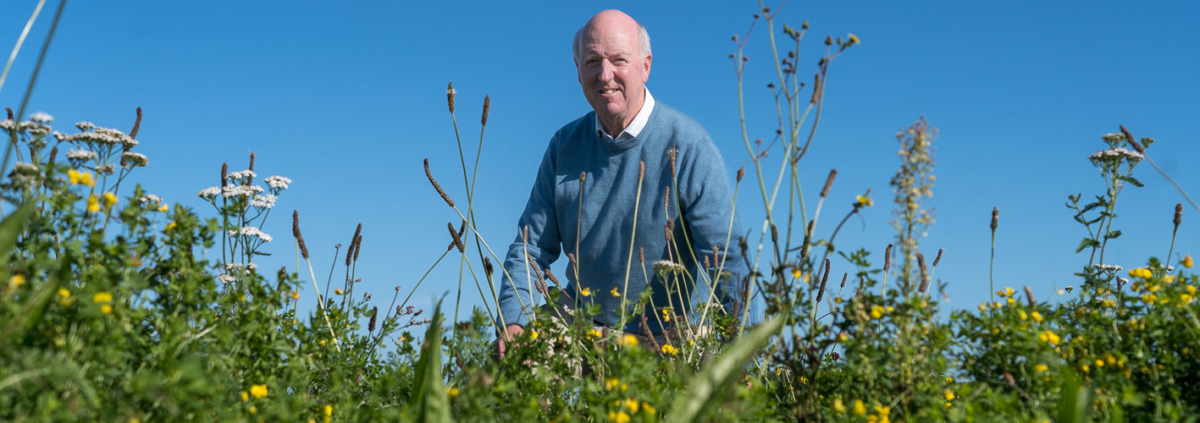
Stephen Fell, who owns Yorkshire-based business Lindum Turf, describes the plastic netting – which is in the majority of turf sold in the UK – as a completely avoidable source of pollution, adding few British consumers even know that most turf sold in the UK contains plastic.

Turf grower challenges industry to become truly green

The call is being supported by industry body the Turf Growers Association, which is encouraging its members to go plastic free by 2025.

Stephen made the call after Lindum Turf reported a threefold increase in sales of its plastic-free wildflower turf product over the past two years as the trend for replacing manicured lawns with wildflower meadows has gathered pace.

People buy wildflower turf to increase biodiversity and attract pollinators to their gardens, Stephen said, but are often appalled when they discover the product they are laying could cause significant damage to the environment.

“The trouble is, over time the plastic netting breaks down into microplastics and pollutes the soil and can leach off into watercourses,” Stephen said.

“But because the net is hidden within the turf and people can’t see it, they don’t know it is there. So, despite people having the best intentions of doing the right thing for the environment, they often don’t realise the damage choosing the wrong product can cause.

“It’s a throwback to earlier production methods the industry likes to keep quiet about. But technology has moved on. We have worked hard for many years to eliminate plastic from our turf, including our wildflower turf, and we believe it is now time for the rest of the industry to catch up.”

According to industry figures, around 70m sqm of turf are laid each year in the UK.

One argument employed by some turf growers to provide reassurance to consumers about the environmental credentials of their product is to describe the plastic ‘degradable’.

But this term often confuses consumers into thinking the plastic mesh used is biodegradable and therefore harmless to the environment.

Sadly, the opposite is true. Whereas ‘degradable’ plastic does degrade in the ground, it does so into harmful, polluting microplastics, and not harmless organic matter.

This can cause major issues in soil and water, and for wildlife.

Stephen added: “Wildflower turf is becoming incredibly fashionable. It is the only quick, easy, and reliable way to create a wildflower meadow which not only provides a beautiful spectacle to look at, it increases biodiversity and attracts vital pollinators.

“So, to create a product with that intention, only to line it with damaging single-use plastic seems perverse to me, especially when it is possible to create sturdy, plastic-free wildflower turf. The industry needs to address this issue and pledge to remove plastic from turf by 2030 at the latest.”

According to the TGA, the vast majority of UK turf growers use some kind of plastic turf netting in some or all of their products, meaning thousands of tons of single use plastics are being buried in the ground every year.

Not only does this cause issues with microplastics getting into the environment, farmers who let their land out to turf growers are being left with bits of plastic in their fields which cause problems when growing root crops like carrots and potatoes.

Birds, hedgehogs and other wildlife often suffocate or starve to death after getting trapped in the plastic debris.

Richard Owen, Chairman of the TGA, described the use of plastic turf netting as a major environmental problem.

He said: “It is very difficult to quantify exactly how much turf is laid in the UK, but it is likely that a significant amount of plastic turf netting is being put into the ground each year.

“This causes a problems for wildlife, for farmers on whose land the turf is grown, and most seriously, it decays into polluting microplastics that can leach into watercourses and get into the food chain.

“It is for this reason we are encouraging our members to stop using single use plastic mesh in their turf by 2025 and support calls for an industry-wide cessation.”

The view that single use plastics should not be in wildflower turf, or other types of turf, is also shared by Chelsea Flower Show organiser the RHS.

The organisation’s sustainability policy is working to reduce the use of three materials at its shows: concrete, virgin timber and plastics. Having already banned plastic bags and floral foam across the shows, they are aiming for the complete removal of single use plastics by 2025.

The nature of Lindum’s plastic free turf allows the RHS and the exhibitors who use it, to throw away less organic material after the shows as the RHS allows turf that is not reinforced or meshed to be left for reinstatement or composted.

Lindum Turf has not only exhibited their turf at RHS Chelsea for the past three shows, they are a supplier to the shows team and many garden designers. As more organisations like the RHS launch ambitious sustainability policies, companies like Lindum will be well placed to have the monopoly on the wildflower turf market.

For the latest industry news visit turfmatters.co.uk/news

Get all of the big headlines, pictures, opinions and videos on stories that matter to you.

Follow us on Twitter and Instagram for fun, fresh and engaging content.

You can also find us on Facebook for more of your must-see news, features, videos and pictures from Turf Matters.

TriCure AD™ keeps the greens green

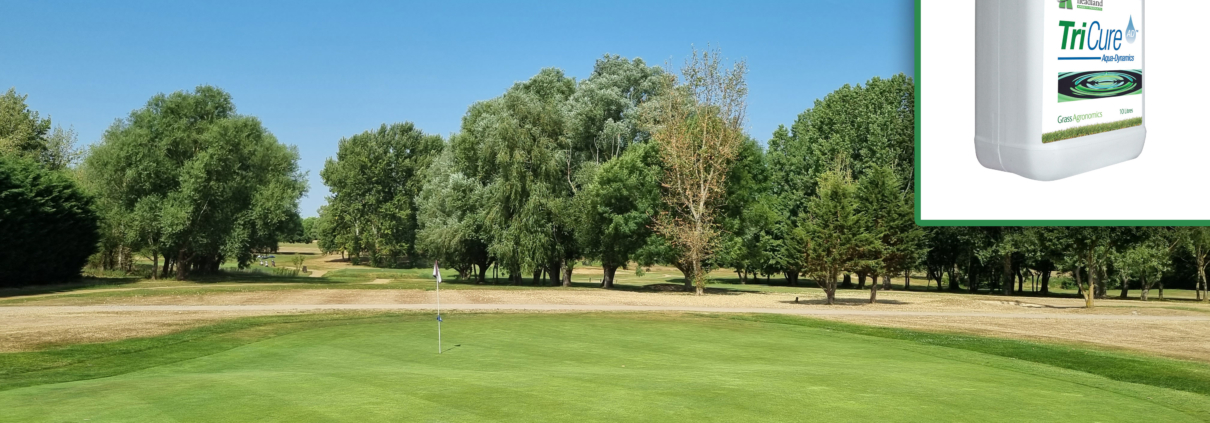
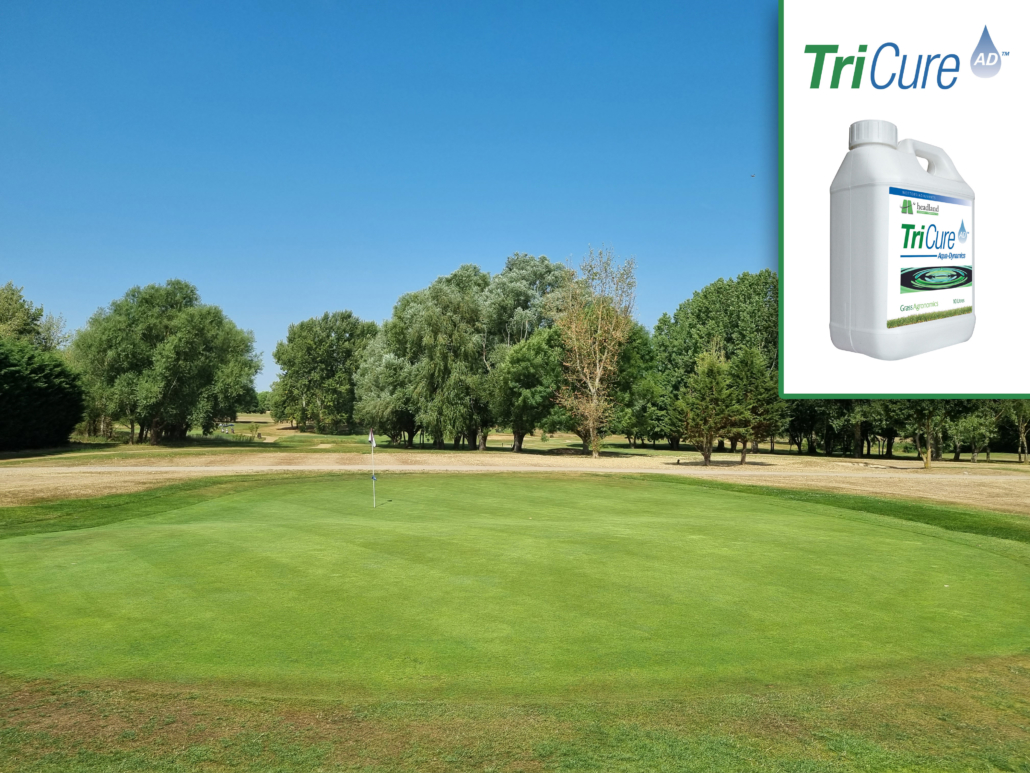
TriCure AD™ keeps the greens green: As the UK scorches in some of the hottest temperatures ever recorded, the greens at Wexham Park Golf Centre are… well, green, thanks to TriCure AD™ from Headland Amenity!

Course Manager Tom Evans has praised the multi-molecular soil surfactant for retaining condition and presentation on the venue’s 27 greens – citing both a reduction in the amount of hand-watering required and, in turn, an increase in available water to maintain other areas of the site.

TriCure AD™ keeps the greens green

TriCure AD™ keeps the greens green

Three and a half years into his tenure as Course Manager, Tom is currently overseeing a major redevelopment project at the Buckinghamshire club alongside his team of six greens staff. He explains, “No two days are the same and the weather is certainly throwing more challenges into the mix for us. There’s no doubt we’re seeing more of these prolonged periods of hot and dry weather, and that’s when I’m really grateful that we’ve got a solid regime in place with TriCure AD™.”

“Over the years I’ve trialled various wetting agents, but TriCure is the one I keep coming back to – applied at 10L/hectare, monthly, between April and the end of September.” The ‘Tri’ of TriCure AD™ represents the three active surfactant chemistries which work together to help prevent and cure hydrophobic conditions. This combination enhances efficiency over single molecule wetters, treating all types of rootzone particles at much lower rates (like for like) than competitor products.

“This year, more than any other, we’ve noticed just how well it’s working. It has seen us through a dry spell in April/May and again now in the July heatwave, keeping the greens where we want them to be with barely any hand watering needed. We have also, this year, trialled using TriCure on one of our tees with great results. Hopefully, budget permitting, this can be factored into our programme in coming years which will be a major step forward for us in being better equipped cope with these more frequent hot conditions.”

Tom continues, “Like a lot of clubs our water supply is limited. In previous years the water to the tees has been turned off because of how much was required to keep the greens in good shape. That hasn’t been necessary this year, and that really is testament to the effectiveness of the TriCure AD™.”

TriCure AD™ is available in liquid, granular and pellet form, for accurate dosing through hose end applicators and offers cost-effective multi-rate use on all types of sports turf surface.

For the latest industry news visit turfmatters.co.uk/news

Get all of the big headlines, pictures, opinions and videos on stories that matter to you.

Follow us on Twitter and Instagram for fun, fresh and engaging content.

You can also find us on Facebook for more of your must-see news, features, videos and pictures from Turf Matters.

Johnsons J Green helps Wantage BC

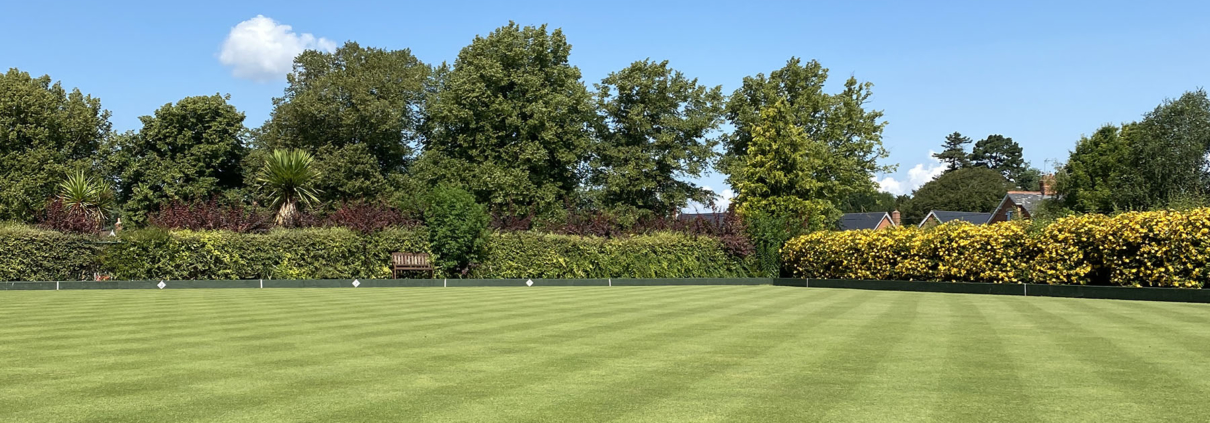
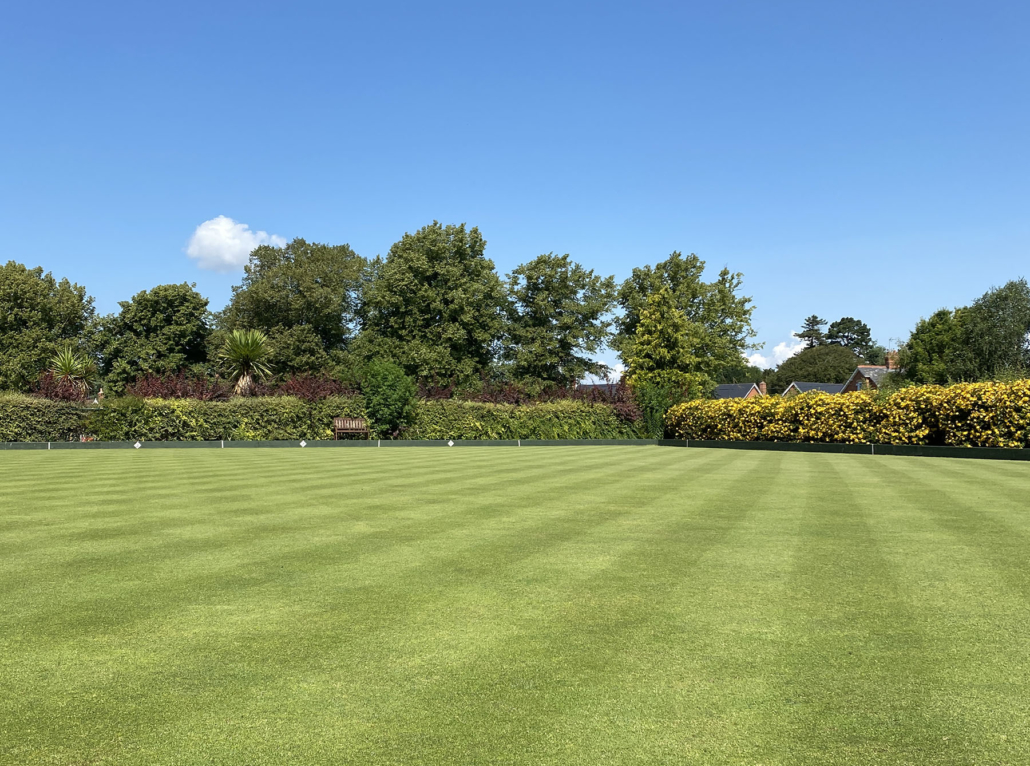
Johnsons J Green helps Wantage BC: Wantage Bowling Club are celebrating their centenary year with a green that is denser and healthier than it has ever been, thanks to the switch to Johnsons Sports Seed.

Volunteer Greenkeeper Dean Gibbons has praised the combination of Johnsons J Green and J Rye Green for delivering exceptional germination and a smooth playing surface that is fit for a series of special events marking the club’s 100-year anniversary.

Johnsons J Green helps Wantage BC

Johnsons J Green helps Wantage BC

Since Dean took charge 10 years ago, he has successfully adapted a number of mechanical and nutritional programmes to achieve a pesticide and fungicide-free approach to his green’s maintenance. To assist with that, specifically to help prevent weed ingress, Dean reviewed his choice of seed three years ago after suffering several seasons of sparse coverage. “I knew we needed to introduce some different high-quality cultivars to improve the density of the green so I referred to the BSPB guide and spoke to some other greenkeepers who all highly recommended the J Green mixture from Johnsons.”

J Green incorporates top-rated fine fescues and bent grass cultivars to deliver fast, sustainable and disease-resistant greens suitable for bowls and golf. Dean has used J Green for the club’s end of season renovations, together with localised seeding of rink ends and other high-wear areas throughout the playing period. For some particularly problematic areas, he’s used Johnsons J Rye Green – combining perennial rye, slender creeping red fescue and browntop bent for fast establishment, exceptional recovery and tolerance of wear.

“The first and main thing I’ve noticed is the quality of germination achieved with J Green and, importantly, the survival rates of the seedlings. While several inputs will of course influence this, the quality and purity of the Johnsons mix, together with the fact the seed is coated with GroMax biostimulant seed treatment, appears to be a massive factor and has resulted in a visibly denser, thicker and healthier sward.” Dean continues, “Since we switched to Johnsons, I have also had regular visits from DLF’s Regional Technical Manager Ian Barnett, that always bring insightful and helpful advice to help in the objective of improving the green.”

He adds, “The work to date hasn’t gone unnoticed. The improvements in our bowling surface have been recognised around the county and beyond, with lots of positive feedback and requests to use our green to host prestigious games so we must be doing something right!”

For the latest industry news visit turfmatters.co.uk/news

Get all of the big headlines, pictures, opinions and videos on stories that matter to you.

Follow us on Twitter and Instagram for fun, fresh and engaging content.

You can also find us on Facebook for more of your must-see news, features, videos and pictures from Turf Matters.

Suståne keeps Rushmore Golf Club ‘green’

Suståne keeps Rushmore Golf Club ‘green’: While the course at Rushmore Golf Club may be a tale of two halves, the approach to nutrition is wholly focussed on sustainability – with Course Manager Jaime Acton very proud of the six years that the greens have now been completely chemical-free.

Alongside cultural practices and an overseeding programme, much of the success Jaime attributes to products from the Suståne range of organic fertilisers which have delivered outstanding plant health, strength and resilience.

Suståne keeps Rushmore Golf Club ‘green’

Suståne keeps Rushmore Golf Club ‘green’

With the county line between Wiltshire and Dorset cutting straight through the ancient estate within which Rushmore is situated, the course delivers mature parkland or a more modern challenge depending on which of the 18 holes you’re on! The estate has sustainability at its heart, an ethos which Jaime and his team share and put into practice with the Suståne products. “When I took over almost 10 years ago, I inherited quite a heavy feeding regime, largely based on synthetic fertilisers” explains Jaime.

“I had used formulations from Suståne in previous roles, and knowing what they could do, began ‘weening’ the greens away from the synthetic feeds and the additional chemicals this programme required, and onto a primarily organic regime.” Working closely alongside technical representatives from local distributor AGS, the Suståne programme has been refined over the years depending on the soil’s requirements – now consisting of 6-2-4 Turf Revival in the summer and 5-2-4+Fe for feeds throughout the cooler months.

Suståne 6-2-4 is specifically formulated to provide the right nutrients to assist with post-maintenance recovery and plant stress. In addition to water-soluble and organic sources of Nitrogen, 6-2-4 features Vesicular Arbuscular Mycorrhizae which has been enhancing the germination of Jaime’s bent overseeding programme. “We apply 6-2-4 every six to eight weeks at 25g/m2 which tends to correlate with our overseeding work meaning the seed is sown straight into that nutrition. The plant is strong and resilient enough to cope with the pressures of that period, including disease, and specifically Anthracnose.”

Jaime continues, “In the autumn and winter we continue the dormant feeding with Suståne 5-2-4 which keeps microbial levels up, allowing us to protect against disease rather than having to react to it. The small amount of Iron in this formulation also helps to give us good winter colour.”

“While we haven’t used any herbicides or fungicides for six years, that’s not to say we haven’t had disease! But what we do get we can manage by reducing the stress and encouraging the plant to grow again.” He concludes, “With our Suståne programme, we are feeding the soil rather than the plant, getting the nutritional needs right from the ground up and allowing the plant to take everything it needs to remain strong and healthy.”

For the latest industry news visit turfmatters.co.uk/news

Get all of the big headlines, pictures, opinions and videos on stories that matter to you.

Follow us on Twitter and Instagram for fun, fresh and engaging content.

You can also find us on Facebook for more of your must-see news, features, videos and pictures from Turf Matters.