NemaTrident techniques to target chafer grub larvae
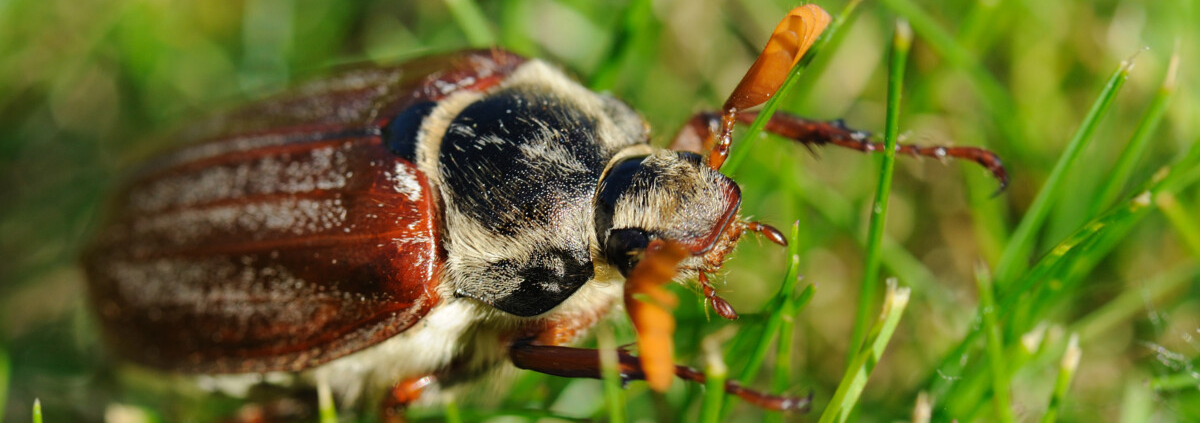
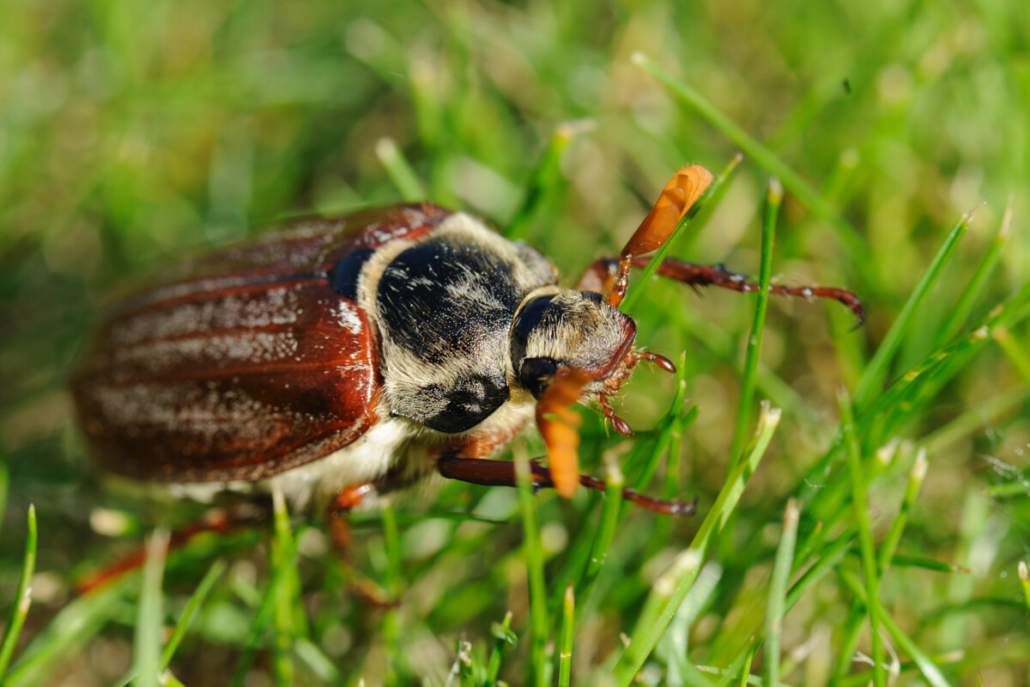
NemaTrident techniques to target chafer grub larvae: Chafer season has been slow to start this spring, but is now taking off with adult beetles emerging. Moist soils now make ideal conditions for egg laying, with warmer temperatures for larval hatch and feeding activity.
However, warm and moist soil conditions are also ideal for beneficial nematode action to target larvae in the early stages of the life cycle, advises Syngenta Technical Manager, Sean Loakes.
NemaTrident techniques to target chafer grub larvae
“Soil temperature consistently above 12⁰C for at least three hours a day are ideal for the NemaTrident B nematode species, Heterorhabditis bacteriophora, that has been specifically selected to effectively target chafer larvae.”
“NemaTrident B can provide highly effective control of chafer larvae. New trials have shown how we can now best harness the beneficial nematodes in effective Integrated Turf Management strategies.”
He points out that chafer control with nematodes is a numbers game, with the more nematodes applied in the optimum conditions, the greater the opportunity for sufficient parasitic worms to get into the active larvae.
“Chafer grubs are remarkably adept at avoiding nematode attacks, using their pseudo legs to wipe nematodes off their torso. However, if there are sufficient nematodes present they will overwhelm larvae, with potential for good results even on larger instar grubs.
“It’s important to select the most appropriate nematode for the target pest, and applying the maximum number in the best condition. Using a product with a mixed population of different nematodes species could result in too few of the required nematodes in the soil zone or inactive at lower soil temperatures,” he warns.
NemaTrident B nematodes are particularly active at seeking out chafer grubs in the soil. Once they penetrate into the larvae, they release a bacteria that kills it. Nematodes move through the soil in a film of moisture, so are best applied when soils are moist and ideally kept irrigated or moist for 14 days after application. Unirrigated sites pose a serious challenge for nematode use, where they should be applied in a period of rainfall.
“NemaTrident should be applied in conjunction with NemaSpreader, a bespoke blend of surfactants designed specifically to retain the conditions for optimum nematode movement in the soil.” Trials have shown up to 30% better soil pest control when NemaTrident is used in conjunction with NemaSpreader.
Sean advocates NemaTrident B application should be timed after the point of peak adult chafer activity and egg laying, to ensure the nematodes are in the soil profile as the larvae are emerging after three to four weeks; young larvae are the most effectively controlled.
Establishing which species of chafer beetle is the key target species will influence optimum application timing, as well as the population of larvae to be controlled, he highlights.
The most common garden chafer, for example, are typically most active egg laying through mid to late June and only have a one-year life cycle that can be especially well targeted for control; while the summer chafer is most active in July and August, as well as having two-year life cycle that is more difficult to control where older large grubs are present.
“That makes timing and application technique so important to get the optimum results. Nematodes are living organisms, and as such have to be treated carefully from delivery, through storage and to application that will ensure the maximum number are applied in the best condition.”
Seans Top Tips for success with nematodes include:
- Store in the fridge at 4-7⁰C as soon as possible on delivery
- Pre-mix in lukewarm water before adding to the spray tank
- Remove filters from the sprayer and ensure it is clean
- Apply in a water volume of 500 – 1000 litres/hectare
- Use the Syngenta XC 08 Soil Nozzle
- Always use NemaSpreader with NemaTrident applications
- NemaTrident B should be applied at a rate of five billion nematodes per hectare
Syngenta trials have shown the most reliable and consistent chafer grub control with an integrated approach using NemaTrident B plus NemaSpreader, following an Acelepryn insecticide treatment.
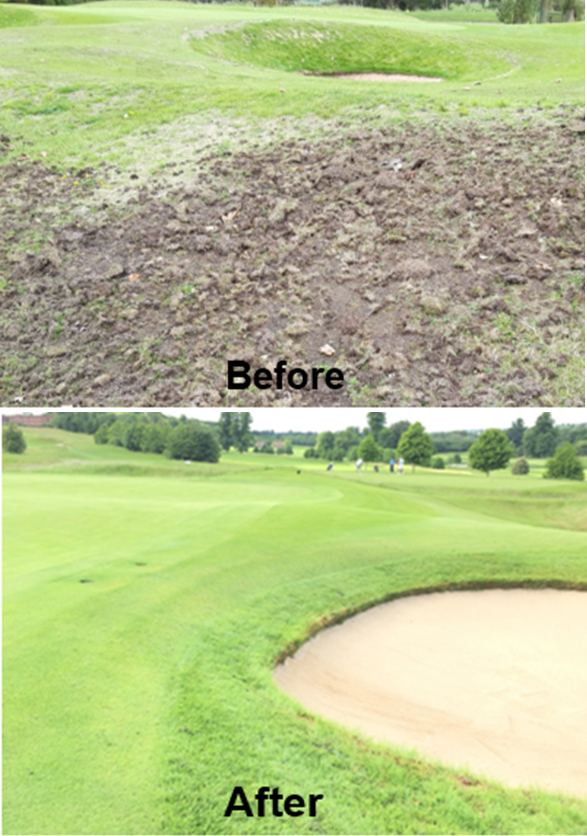
Recent studies at Forest Pines Golf Course in Lincolnshire – using a well-timed application of Acelepryn at peak egg laying, followed by NemaTrident B – have confirmed that larger chafer larvae stressed or weakened by Acelepryn may prove more susceptible to nematode incursion, to deliver more effective and reliable overall control.
“Where chafer grubs are the primary target this two-pronged approach can give the optimum results,” reports Sean.
“However, turf mangers and agronomists must be aware that only one application of Acelepryn is permitted per season and with limited treatment area, so if leatherjackets are the greater issue the insecticide may be better utilised there, and NemaTrident B the key asset for chafer grub control.”
For the latest industry news visit turfmatters.co.uk/news
Get all of the big headlines, pictures, opinions and videos on stories that matter to you.
Follow us on Twitter and Instagram for fun, fresh and engaging content.
You can also find us on Facebook for more of your must-see news, features, videos and pictures from Turf Matters.