Tag Archive for: ICL’s

ICL’s New Research Project

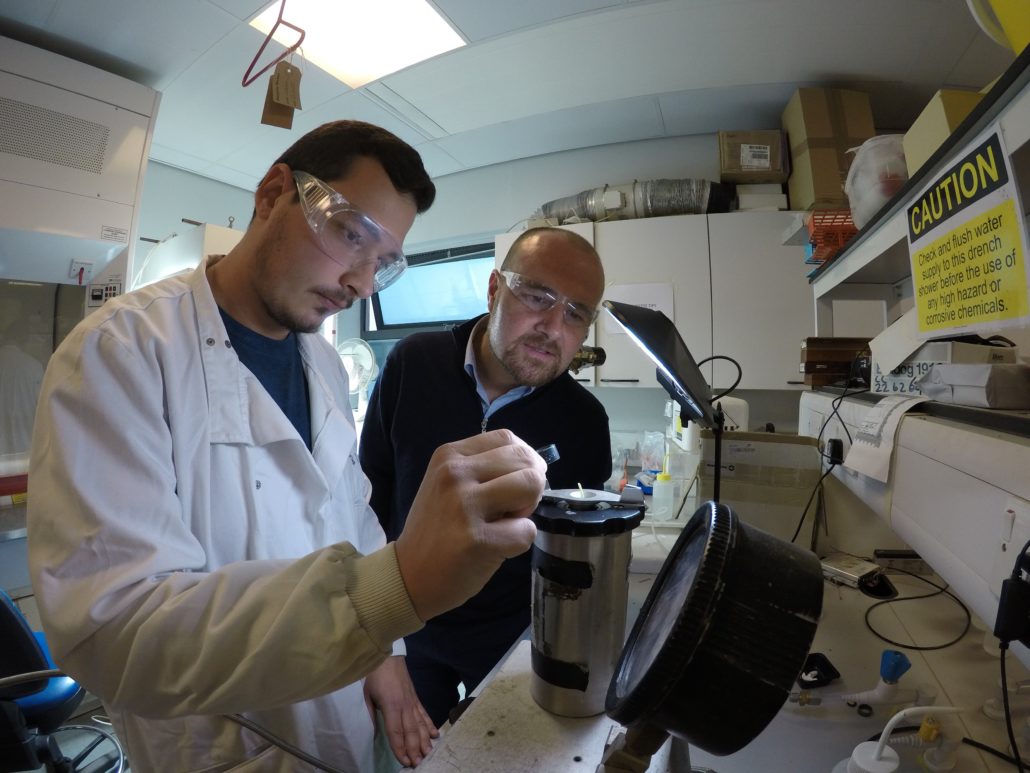
ICL’s New Research Project: Producing the top-quality turf needed for high-level sports requires a keen focus on turf maintenance and inputs. All applications of water and nutrients should be optimised to ensure responsible resource-use efficiency. ICL has started an exciting research project exploring the use of wetting agents to further improve water use and to potentially help optimise nutrient use for managed amenity turf.

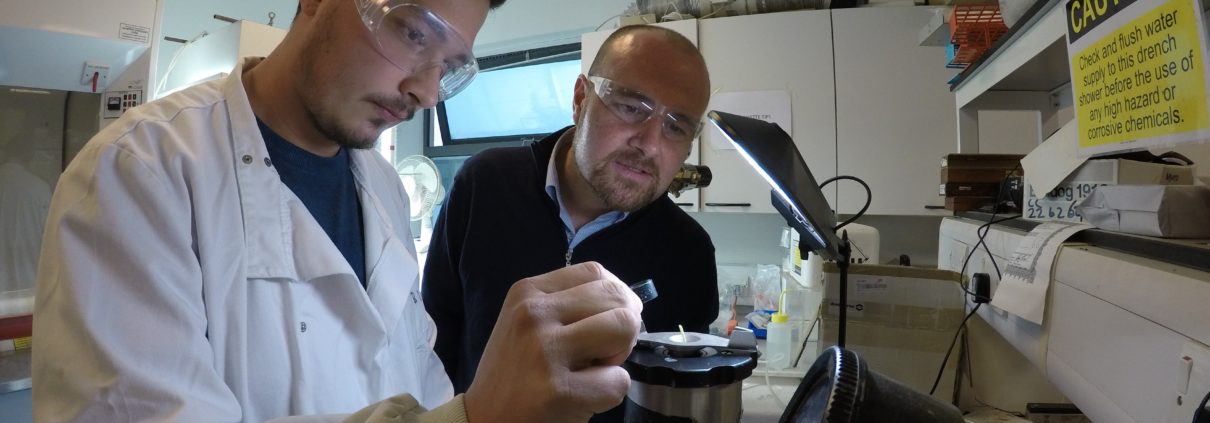
It is a three-year research project delivered through the Centre for Global Eco-Innovation, Lancaster University. The Centre is part funded by the European Regional Development Fund and is supporting local sports field construction specialists J Mallinson in collaboration with surfactant specialists at ICL.
ICL's New Research Project

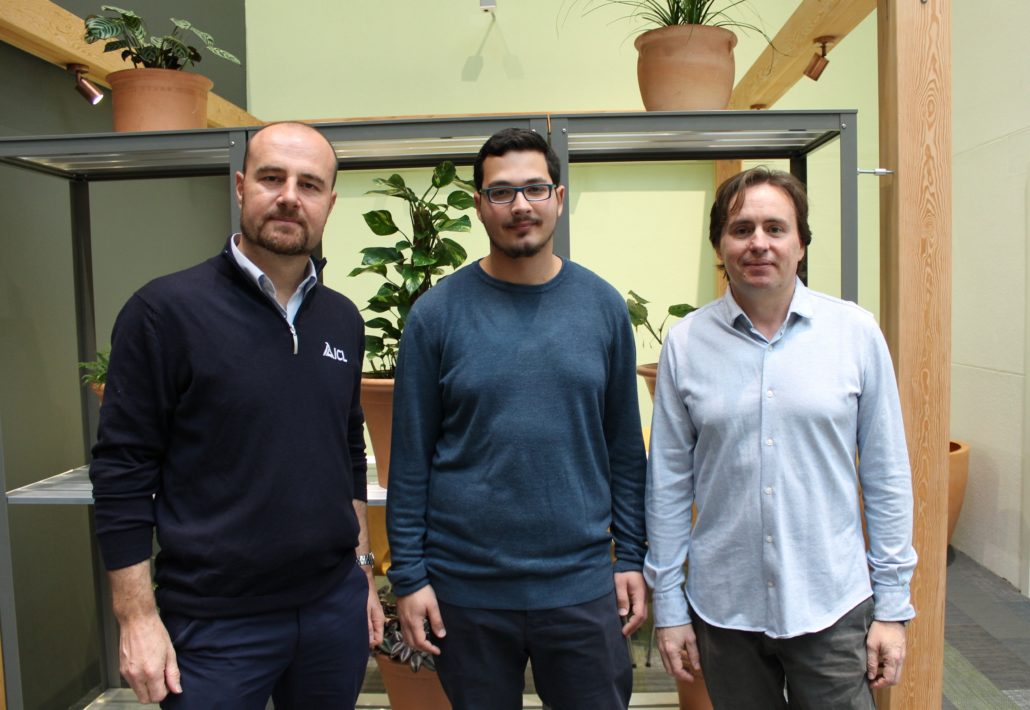
Dr Andy Owen (ICL International Technical Manager) has been instrumental in planning the project. “I have known the research team here at Lancaster Environment Centre for a number of years and the chance to collaborate and generate useful research optimising inputs to turf through wetting agent use is invaluable.”

Graduate researcher Vasileios (Billy) Giannakopoulos is working under the supervision of Dr Jaime Puertolas and Professor Ian Dodd. Billy was selected ahead of a number of other applicants to embark on the three-year project and said “I’m delighted to be a part of this project as this kind of research has never been undertaken until now. It is such an interesting and relevant topic, with the potential to make a real difference for turf and crop management.”

The project will be utilising ICL’s H2Pro range of wetting agents which includes TriSmart, AquaSmart and FlowSmart and the research team will be using these products in a series of experiments, both laboratory, glass house and field-based.

A year has already passed on the three-year project and Dr Puertolas believes that some new ground-breaking information could well be on the horizon.

“Understanding surfactants and what they do is a very interesting subject, we normally modify the soil moisture by how we place the water through irrigation type or the frequency of the irrigation application but this is another way of manipulating how the water is distributed in the soil.”

“We hope to generate information which could improve irrigation effectiveness and better understand water and nutrient movement through a soil and uptake by a plant.”

“Working with J Mallinson and ICL is a win-win situation because we can deliver research in our line of expertise but also connect with industry practice; that is really important to us because it covers two of our aspirations – to be more environmentally friendly and to continue to innovate.”

Lana Farren, Research Manager for ICL, believes that the research is being carried out at an incredibly appropriate time. “The world is becoming more and more environmentally aware. The reality is that demand for water is increasing with large volumes being used for irrigating crops and amenity turf.

We also lose a lot of applied nutrients through leaching which can be environmentally damaging. If we can improve water and nutrient use efficiency then ultimately, we are becoming more sustainable.”
ICL's New Research Project

Prof Dodd commented “Providing sufficient water for crop production is a major challenge in many parts of the world. Even in the UK it can be difficult to assure this, as crop water use peaks in the summer when water availability in the environment can be limited, as we’ve seen this year.

This project is one of a number that have been funded in Lancaster’s Plant & Crop Sciences research group via the Centre for Global Eco-Innovation, and it is heartening to see such engagement between academics and industry to develop real-world solutions.”

Andy feels that as a global supplier of turf and agricultural products, ICL has a certain responsibility to conduct such vital research. “ICL will continue to invest in good quality independent research that helps support our products. We recognise that water and nutrient use efficiency is critical for crop management worldwide, so this research is vitally important.”

“Our wetting agents are used both in sports turf and agriculture and ultimately we want to be able to support the whole range with robust data, so we can market them responsibly.”

For more information about the H2Pro wetting agent range please contact ICL on +44 (0)1473 237100 or visit www.icl-sf.co.uk or www.icl-sf.ie. For more information about the Centre for Global Eco-Innovation please visit www.globalecoinnovation.org.

For the latest industry news visit turfmatters.co.uk/news

Get all of the big headlines, pictures, opinions and videos on stories that matter to you.

Follow us on Twitter for fun, fresh and engaging content.

You can also find us on Facebook for more of your must-see news, features, videos and pictures from Turf Matters.

ICL’s Four-Year Seaweed Project

ICL’s Four-Year Seaweed Project: ICL has teamed up with Royal Holloway, University of London to embark on a unique four-year research project which will look in depth at the effects of seaweed products on turfgrass plant parasitic nematodes.  The project is funded by the Biotechnology and Biological Sciences Research Council (BBSRC) and ICL.

“It came about following a discussion with Andy Owen (ICL International Technical Manager) at a greenkeeper meeting a couple of years ago,” says Alan Gange, Professor of Microbial Ecology at Royal Holloway. “We started talking about the need for turfgrass research, particularly focused on nematodes because we had noticed that in the last ten years greenkeepers and groundsmen have become much more aware of these and they appeared to be becoming a real problem.”

ICL's Four-Year Seaweed Project

Alan believes that the rise of nematodes could potentially be attributed to the loss of certain chemicals and the effects of climate change. As it stands, there are few options available for the turf manager who has a nematode problem but Alan feels that seaweed could well offer a sustainable solution.

“There are scattered reports that some seaweed products or extracts, contain various chemicals which can protect plants against pests and diseases. We think that when the right seaweed is applied to a grass plant it could change the resistance of the plant to disease and insect attack. Nematode infection could then be reduced when the seaweed product is applied. So that is the essence of what we are trying to do here in sports turf.” Someone asked me a while ago if we are creating antibiotics for plants and in a way that is indeed what we are trying to do – we are trying to harness the plant’s natural resistance mechanism and improve it.

ICL’s SeaMax product, which is used as a bio-stimulant and fertilizer, has been a huge success in the sports turf industry. It contains a premium high concentration of Atlantic Ascophyllum nodosum seaweed extract, sustainably harvested from renewable resources by Acadian Seaplants. We have already shown many turf benefits through using Seamax says Andy Owen, and we wanted to explore its capabilities further, with a more detailed research project with Royal Holloway.

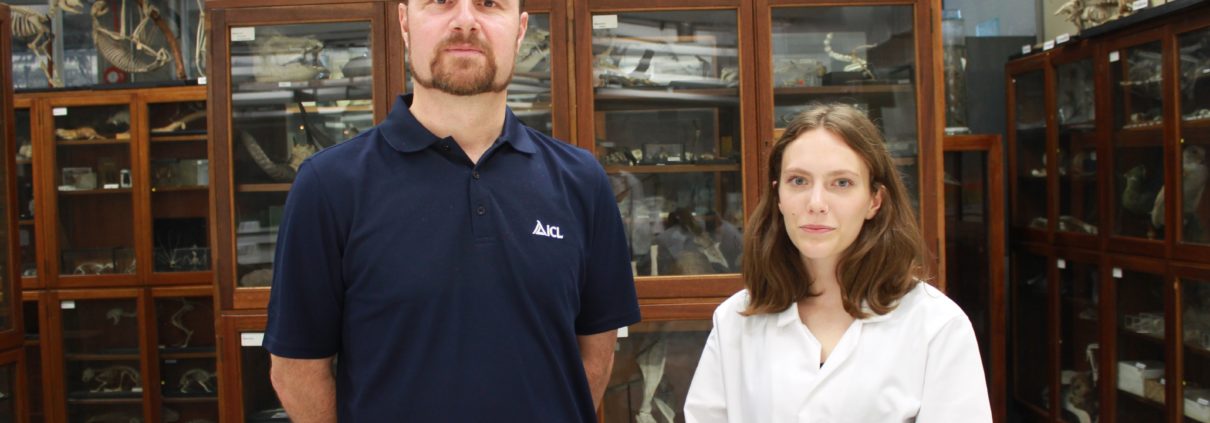
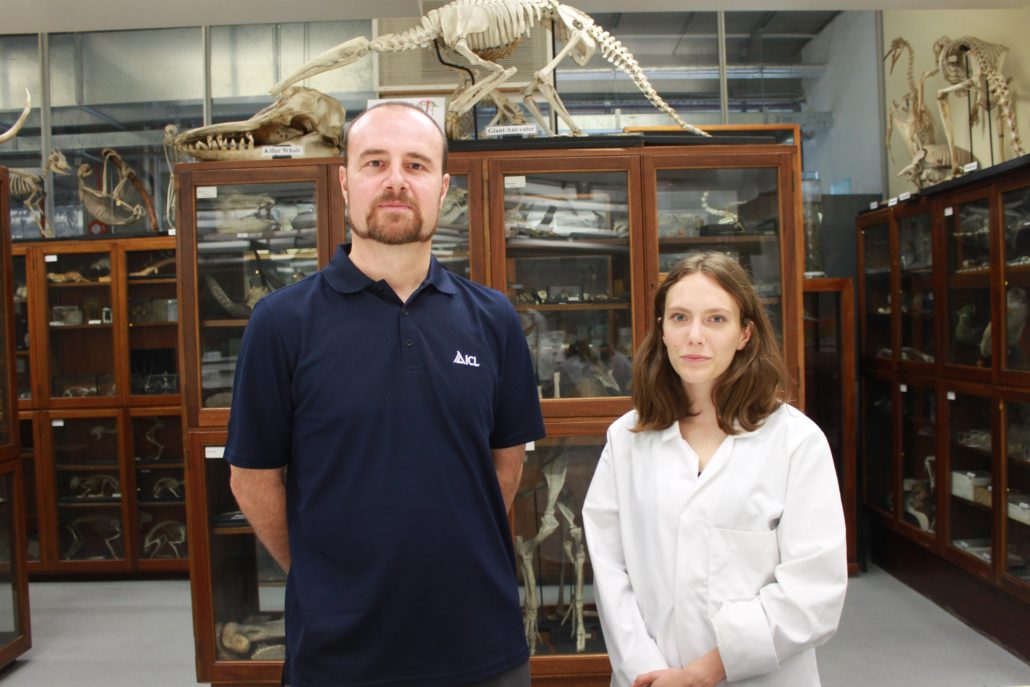
Integral to the research project is student Tamsin Williams, who was successfully appointed following a rigorous interview process. Tamsin, who throughout the four-year project will be working with ICL to better understand how the commercial side of the sports turf industry works, believes that this studentship was a perfect fit for her ambitions to develop a career in research.

“In my previous role I was working on pathogen and insect bio-control using fungal bio-pesticides. I had also worked with plant parasitic nematodes before, so when I heard this was a bio-control project for nematodes I felt that it was perfect and it made so much sense to apply. Nematology is one of my main interests, but it’s also the fact that seaweed products are sustainable – we could be finding an environmentally friendly solution for a serious turf problem, which potentially could transfer to other crops as well. This makes it a really valuable research topic.

ICL's Four-Year Seaweed Project

Tamsin has already begun her experiments looking at how plants and the soil microbiota respond to SeaMax seaweed application, before she will add plant parasitic nematodes into the study. However, these are just the first steps in an ever-evolving project according to Andy Owen.

“We will start with a proof of concept to gather further evidence that it does indeed work. In subsequent years there will be a focus on investigating the modes of action that are occurring, and then optimising applications in terms of rates, timings and frequency, so that we can provide the right advise to the end-user.

“Hopefully this project will generate the research to show turfgrass managers that certain approaches can help support and develop a plant’s resistance to pests and diseases and that you might require fewer synthetic chemical applications,” adds Alan. “Ultimately providing a sustainable and integrated management approach to keep surfaces healthy.

“As an ecologist it concerns me that many biological products, which contain microbes, are being sold in the turf marketplace with little or no supporting research behind them whatsoever. It is never published in reviewed journals and therefore with most of the products, one has suspicions about them because you just don’t know what independent research has been conducted. However, ICL genuinely want to find out more about their own products and they are committed to research.”

In re-iterating Alan’s sentiments, Andy confirmed that ICL will look to publish this work where possible and intend to present the data openly at a number of events. The industry will be able to gain a greater insight into the project in January 2019 when Alan’s research group will speak at BTME’s Continue to Learn education programme.

“What we want to do is support our products with robust research, and ensure that any claims we are making can be fully substantiated,” he says If anyone would like to find out more then come along to BTME in Harrogate next year.

“From our point of view, we are really excited to be working with Royal Holloway on this project. We are always looking to do independent research on our products and you don’t see very much of this happening in the turf industry. I can’t wait to see how it develops.”

Please contact ICL on +44 (0)1473 237100 or visit www.icl-sf.co.uk or www.icl-sf.ie.

For the latest industry news visit turfmatters.co.uk/news

Get all of the big headlines, pictures, opinions and videos on stories that matter to you.

Follow us on Twitter for fun, fresh and engaging content.

You can also find us on Facebook for more of your must-see news, features, videos and pictures from Turf Matters.
ICL’s Esteron New 2 Litre Pack

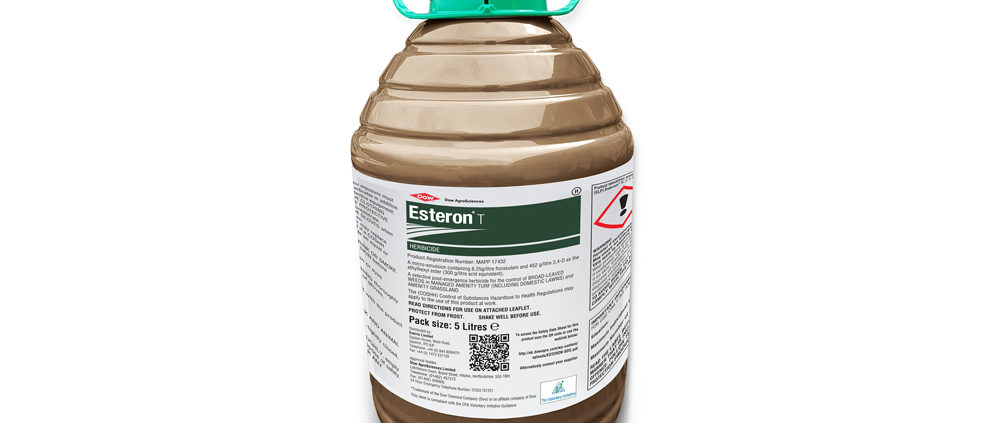
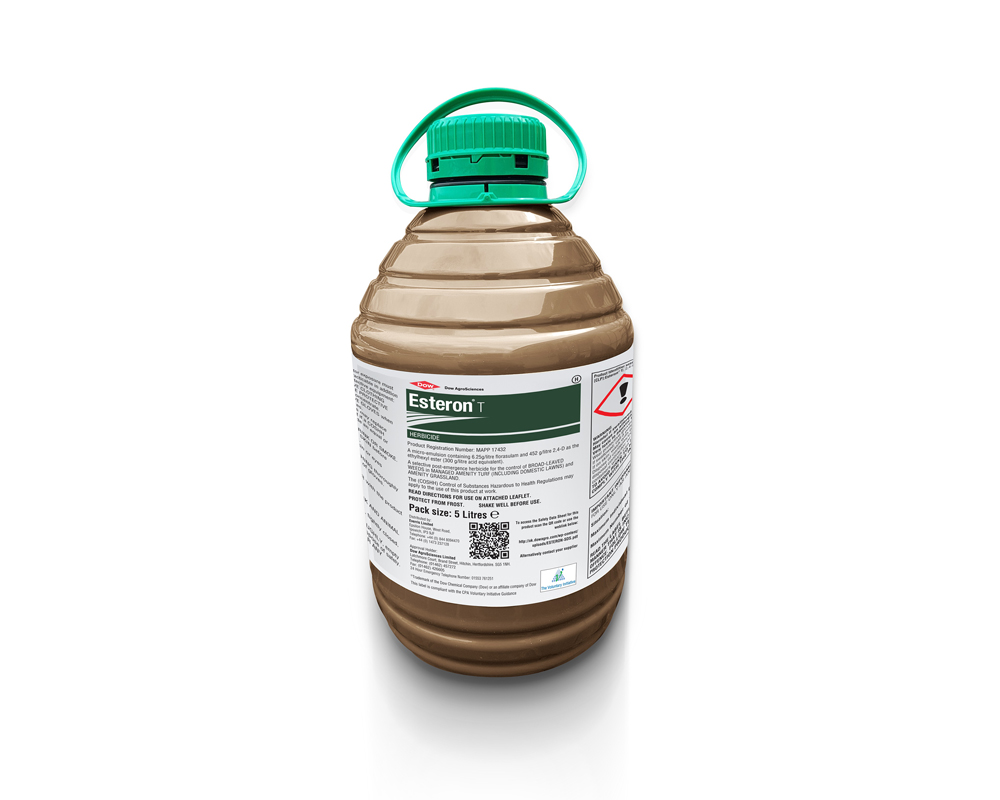
ICL’s Esteron New 2 Litre Pack: ICL’s Esteron T, a low volume dual action selective herbicide, is now available in a more convenient 2 litre pack.

Esteron T is an extremely effective turf herbicide containing the active ingredients florasulam and 2,4-D. It has been designed for the control of weeds in sports and amenity turf as well as domestic lawns and combats a broad range of weeds including Dandelion, Daisy and White Clover.

ICL’s Esteron New 2 Litre Pack

The more convenient sized pack will make it easier to measure out and its ultra-low application rate (1.2 L/ha) means the new smaller 2 litre pack can still treat 1.67 hectares.

Esteron T can be applied at low water volumes (100-400 L/ha) and for best results it should be applied when weeds are in active growth, normally between March and October when the soil is moist.

Rainfast in just one hour, one treatment a year of Esteron T is all that is needed to make a dramatic impact.

Please contact ICL on 01473 237100 or visit www.icl-sf.co.uk or www.icl-sf.ie if you are in Ireland.

For the latest industry news visit turfmatters.co.uk/news

Get all of the big headlines, pictures, opinions and videos on stories that matter to you.

Follow us on Twitter for fun, fresh and engaging content.

You can also find us on Facebook for more of your must-see news, features, videos and pictures from Turf Matters.