Tag Archive for: Investment

SIS Pitches Makes Landmark Investment

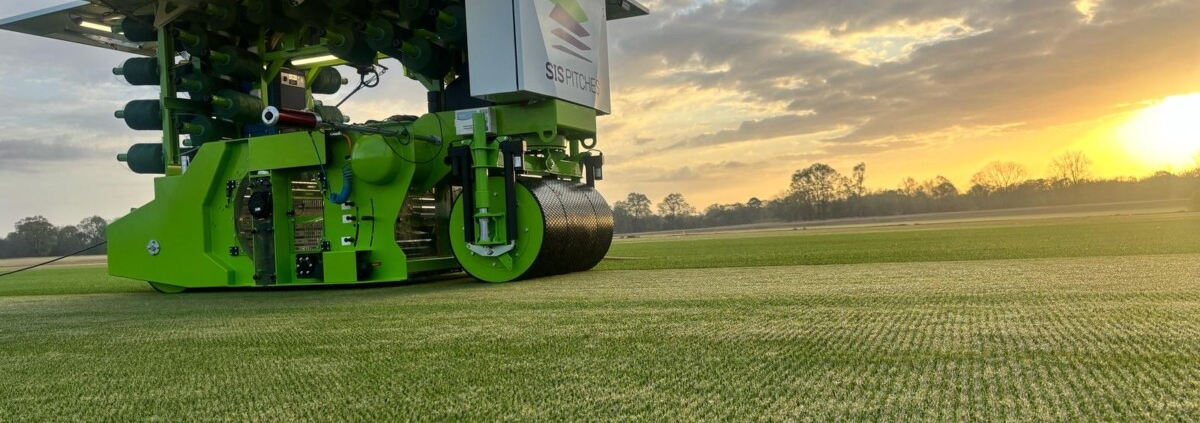
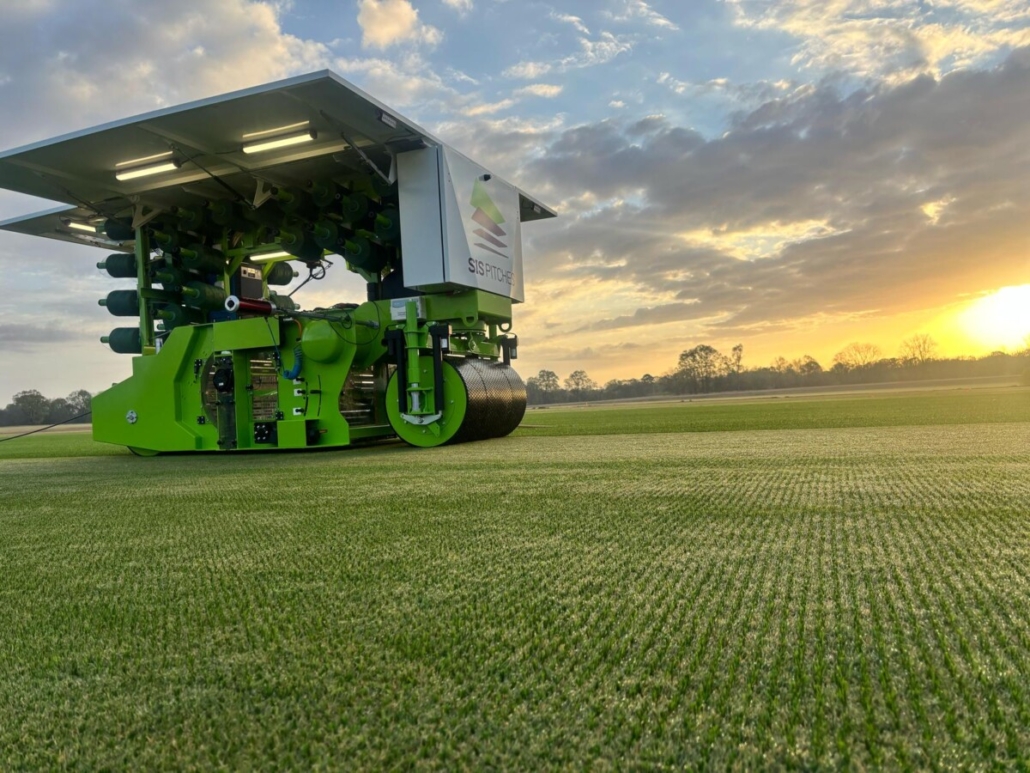
SIS Pitches Makes Landmark Investment: Sports surfaces specialist SIS Pitches has made a multi-million-pound investment into a fleet of 16 new hybrid pitch stitching machines.

Developed to meet growing demand for faster installations and greater configurability, the new state-of-the-art machines feature patented technologies that increase the rate and efficiency of fibre injection on grass-based sports surfaces. Once installed these fibres then accelerate recovery times and reinforce a playing surface by promoting stronger, healthier root systems.
SIS Pitches Makes Landmark Investment

SIS Pitches Makes Landmark Investment

The investment will allow SIS Pitches to ease the operational pressure on multi-use stadia, whose narrowing timeframes to install hybrid grass pitches between matches and non-sporting events represents a major challenge. This need for speed and flexibility – without compromising in quality – has been driven by clubs and franchises around the world seeking to maximise stadium revenue by hosting concerts, exhibitions and fixtures spanning multiple sports.

In response, SIS Pitches’ new fleet can now complete a full hybrid pitch installation in a much shorter timeframe than before. This is possible thanks to a more compact design that allows two units to be transported in a single shipping container. Working together, the machines are able to reduce the typical installation period of a full-sized football pitch from an industry average of around ten days to just over three. This reduction is expected to be a major boost to ground staff and facility operators alike, in some cases offering a time saving of up to 75% compared to competitors.

The benefits have already been seen first-hand at the Hard Rock Stadium, home to the Miami Dolphins, where ahead of the Club World Cup a fresh turf stitched pitch was recently completed in just three and a half days.

Two different models have been developed as part of the investment. The first, named Pro-X is designed to cover larger pitches, such as those already completed at Borussia Monchengladbach, Celtic Park and the Racecourse Ground, home to Wrexham Football Club. The second model, Spin-X, is the first hybrid machine made specifically for cricket pitches, with a lower weight and unique made-to-measure wicket option.

Development of the 16 new SIS Grass Hybrid machines will further improve the industry-leading quality, flexibility and speed of SIS Pitches’ stitching capabilities, which are frequently used for major sporting competitions, including the World Cup, Rugby World Cup, NFL, Premier League, Saudi Pro League and several other top European leagues.

Each new machine boasts a patented drum mechanism that allows for faster stitching by enabling forward movement in larger increments than comparable machines. Meanwhile, the combination of a new cutting device and an innovative needle clamp system ensures precision and consistency in every stitch. Both of these features have been recently patented.

Thanks to a fully customisable stitching configuration the new machines can stitch to any depth from 45mm to 180mm. This marks a major step forward from competing technologies of this type, which are generally limited to only two set depths. SIS Grass Hybrid machines can also offer the widest range of spacing options available on the market, from 15×20, 20×20 and 30×20. This ultimately allows grounds managers to specify an installation with the right level of reinforcement for their athletes and climate, while also accommodating the needs of a stadium, pitch profile or budget.

One of the configurations made possible by the new machines is SIS Pitches’ pioneering shallow stitch concept – GameReady Hybrid – with fibres pre-stitched into turf/sod rolls at 45mm depths.

This is a fully tested and data-backed innovation that offers an industry first: the installation of a pre-stitched turf that can be harvested, transported and laid as a ready-to-play reinforced hybrid surface in a matter of days. Three stadiums in the United States have already made use of the unique GameReady system: MetLife in New York, Camping World in Orlando and the Bank of America in North Carolina.

Ivo Lamot, CEO at SIS Pitches said: “The development of our new hybrid pitch stitching machines is a major step forward for us as a business, and demonstrates our continued commitment to innovation and providing the very best playing surfaces. Further, the new machines have immediately raised the bar for stadium owners and operators seeking the quick and customisable installation of a new playing surface.

“Throughout our R&D process, we’ve been conscious that grounds staff working in stadia around the world now typically have much narrower windows in which they are expected to change their pitch. Through a combination of patented technology and stadium-oriented design, we’ve created a solution that meets the evolving needs of customers around the world. Plans are already in place for us to apply this concept to world renowned stadia looking for the fastest ever turnaround between a concert and competitive fixture.

“As a business, our purpose is to power more play. By increasing both the speed and quality of a typical hybrid pitch installation, we’re making stitched hybrid technology more accessible than ever before, ensuring multi-use stadia can host more sporting events and generate more revenue than ever before.”

The fleet of new machines will be deployed across the world throughout July, strategically located in areas of anticipated demand. There will be sets located in Europe, USA, Canada, South America, the Middle East, and also a set that can be moved around the rest of the world as required.

For more information on SIS Pitches’ sports pitch installation services, visit sispitches.com

For the latest industry news visit turfmatters.co.uk/news

Get all of the big headlines, pictures, opinions and videos on stories that matter to you.

Follow us on Twitter and Instagram for fun, fresh and engaging content.

You can also find us on Facebook for more of your must-see news, features, videos and pictures from Turf Matters.
Investment shapes industry-leading seed facility at DLF

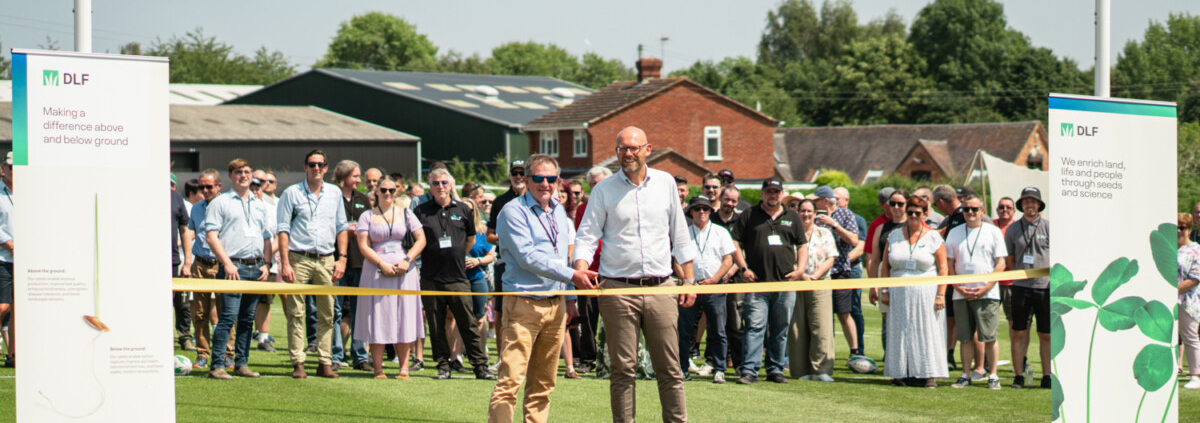
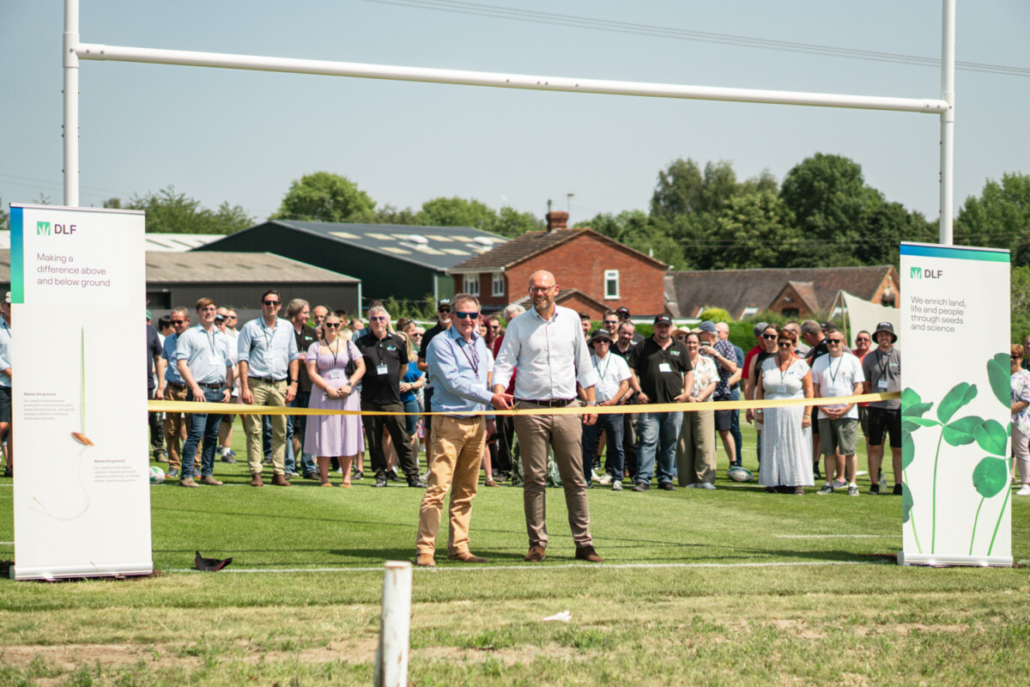
Investment shapes industry-leading seed facility at DLF: Staff and members of the amenity trade press were recently invited for an exclusive look at the next phase of the £4.5 million facilities upgrade at DLF’s UK headquarters at Inkberrow.

Officially opened by John Larsen, VP Sales and Marketing Greater Europe and DLF UK Managing Director Tim Kerridge, the events in June marked the completion of several major developments including the fully automated Titan mixing plant, robotic packing lines, expanded UK native wildflower production and brand-new trials and showcase area deemed ‘A Living Catalogue’.

Investment shapes industry-leading seed facility at DLF

Investment shapes industry-leading seed facility at DLF

The major project at DLF’s amenity operations centre has been underway for close to two years and, now complete, provides a unique and industry-leading centre for seed trials, product development, training and education of staff, distributors and customers.

With its 48-bin twin mixer and fully automated packing line, Titan is now the UK’s biggest seed mixing plant. Its introduction has brought significant increases in capacity, while reducing manual handling and lead times – ensuring that, even during peak season, seed is mixed, packed and dispatched with both speed and accuracy. Titan is at the heart of DLF’s operation, supplying more than 14,000 tonnes to the UK market, correlating to almost 30,000 individual customer shipments.

Impressive scale is also now demonstrated by DLF’s UK wildflower production, with 80 acres over three sites producing 50 different native flowering species. Expertly managed by Klaas Broersma and a dedicated wildflower production team, the meadows are harvested and cleaned in-house to ensure the highest quality, before being incorporated into DLF’s native Pro Flora range and Your Countryside farm stewardship mixes.

The bright blooms of native and non-native mixtures from the Pro Flora and ColourBoost collections were looking glorious in the Worcestershire sunshine on their own demonstration plots as part of the wider DLF Showcase. The Showcase headlines 12 acres of space dedicated to amenity seed trials, allowing visitors to observe current and future species and cultivars all in one place. It will also be the base for a sizeable programme of UK testing which feeds into the global picture of climate and disease tolerance trials.

The centrepiece of the Showcase is the new ‘Living Catalogue’ – a sports and landscape zone sown with mixtures from across the DLF portfolio. Featuring a hybrid winter sports pitch, cricket wicket, tennis court, horse racecourse and golf tee, fairway and green, all maintained by Head Grounds Manager Matt Lewis, the space will become the hub for training and education as well as providing a relaxing space for staff to unwind and enjoy.

“We’re incredibly pleased to be able to finally share this fantastic asset with our team, the press and the wider industry” comments Amenity Sales & Marketing Manager Derek Marriott-Smith. “The new additions and significant investment put us in a fantastic position to support the needs of the sectors in which we operate both today and tomorrow.”

For the latest industry news visit turfmatters.co.uk/news

Get all of the big headlines, pictures, opinions and videos on stories that matter to you.

Follow us on Twitter and Instagram for fun, fresh and engaging content.

You can also find us on Facebook for more of your must-see news, features, videos and pictures from Turf Matters.
Why Are Biological Companies Struggling for Investment

Why Are Biological Companies Struggling for Investment: In recent years, the agricultural biologicals sector has witnessed significant growth. The global market was estimated at $16.7 billion in 2024 and is projected to reach $31.8 billion by 2029. This surge underscores the increasing demand for sustainable agricultural solutions.

However, early-stage startups, particularly those in pre-seed and seed stages, face substantial challenges in securing investment. While more established companies like Switch Bioworks, Elicit Plant, Solasta, Agospheres, Biotalys, Micropep, Catalera, Botanical Solution, and BioConsortia successfully obtained funding in 2024, emerging enterprises often struggle to attract similar attention. This disparity is partly due to investors’ heightened expectations and a preference for ventures with proven technologies or those nearing revenue generation.

Why Are Biological Companies Struggling for Investment

Why Are Biological Companies Struggling for Investment

Current Investment Trends in Agricultural Biologicals

Geographically, Europe-focused venture capitalists (VCs) are leading the way in funding biological companies. Looking ahead to 2025, there is cautious optimism that U.S. investors will increase their participation, particularly as interest rates decline. However, uncertainties related to tariffs, the farm economy, and government agency (EPA) budgets persist, which could impact investment decisions.

The investment landscape has changed significantly. The willingness to fund biological companies at the high levels seen 3-5 years ago has diminished. Investors today possess more profound industry knowledge, making them more selective. They are increasingly drawn to companies with well-defined business models, clear paths to market impact, and solid financial planning.

The Challenges of Building a Successful Biologicals Business

Succeeding in the biological sector demands patience, effort, and strategic focus. Investors often have unrealistic expectations regarding market development, leading to an oversaturated and unsustainable market. Moving forward, I hope to see more realism in investor sentiment, which will benefit the entire industry by fostering sustainable growth and innovation.

Additionally, recent failures in agri-biological investments have made investors more cautious. To attract funding, companies must demonstrate:

  • Quality-driven research & development
  • Efficient spending and cost management
  • Clear and executable go-to-market strategies

Companies that meet these expectations will have a higher chance of securing funding, thereby improving the overall quality of investments in the sector.

Regulatory Barriers and Their Impact on Investment

My experience raising investment for Bionema has reinforced one of the most critical issues in this sector: the lengthy and costly regulatory approval process for biopesticides. While venture capital investors are interested in biological solutions, many are deterred by the extended timelines required to bring products to market. Unlike conventional agrochemicals, biopesticides require approximately £5-8 million per product for global registration, which is manageable for companies like Bionema. Still, the real challenge is the time needed for regulatory approval. This process often delays market entry by 5-7 years in the EU, 2-3 years in NA and 12 months in Brazil after biopesticides regulatory reform, making it difficult for investors to commit to early-stage funding.

Instead of investing in Series A or Series B rounds, I have observed greater interest from agrochemical multinationals in acquiring or licensing biological technologies. While this demonstrates the commercial viability of biologicals, it also signals a reluctance among large corporations to invest in the sector’s long-term growth. If the biological industry is to thrive and compete with synthetic chemicals, substantial investment will be required to accelerate development and commercialisation.

Moreover, biopesticide regulations must be harmonised globally to streamline approvals and reduce market entry barriers. The fragmented regulatory environment forces companies to undergo separate and costly registration processes in different regions, further discouraging investment. Unless regulatory agencies align their frameworks, the biological sector will struggle with slow growth and limited funding.

Key Areas of Growth in Agricultural Biologicals

From an industry perspective, biologicals are thriving, particularly in nitrogen use efficiency, nitrogen fixation, and biocontrol. New application methods like planter box technologies are experiencing significant growth and scaling.

For farmers, return on investment (ROI) remains the key driver. In the current economic climate, growers are seeking efficiency-enhancing solutions, including:
✔ Fertilizer replacements
✔ Yield enhancers
✔ Abiotic stress mitigation products

As growers become more educated about biologicals, their adoption rates are increasing rapidly, leading to further investment in these technologies.

Investor Expectations for the Future

Historically, venture capital has played a key role in funding biologicals and will continue to do so. However, some investors have overly enthusiastic expectations regarding short-term returns. As VCs gain a deeper understanding of the sector, we expect them to invest more targeted and strategically.

Private equity firms are taking a more cautious, sustainable approach to investment. These firms focus on long-term flexibility and adaptability, recognising the rapidly evolving nature of the AgBio industry.

The Reality of Raising Capital in 2025

The current investment climate in biorationals mirrors the broader agricultural market’s bearish trend. However, market growth in this sector, driven by:
✔ Public and grower demand for sustainable agriculture
✔ Stricter regulatory policies limiting chemical options

Farmers are expected to increase their adoption of biologicals, but only for science-backed solutions with proven efficacy that deliver real value.

Finding new capital to fund early-stage biological companies will remain challenging in 2025. Investors are becoming more critical and selective, favouring companies that:
✔ Have a proven technology platform
✔ Are generating (or near generating) revenue
✔ Have a clear pathway to profitability

As a result, securing seed funding or Series A investment will be challenging over the next 1-2 years.

The Long-Term Future of BioAg Investment

Despite the current challenges, biologicals attract significant interest, mainly from companies traditionally focused on agrochemicals and fertilisers. These corporations recognise the growing regulatory and consumer-driven shift toward sustainable agricultural solutions. However, we have seen a slight decline in mergers and acquisitions (M&A) activity and the closure of some companies in this sector. This highlights the difficulty of sustaining a BioAg business—balancing high investment costs with the need for consistent financial returns. Despite this, the long-term strategic value of biologicals is undeniable. The agricultural industry is undergoing a significant shift, and biologicals will be crucial in this transformation. Investors may remain cautious, but their interest in scalable, science-backed solutions will persist.

Final Thoughts

While securing investment remains a significant challenge for early-stage biological companies, those focusing on innovation, strategic planning, and strong financial models will continue attracting funding. Realism in investor expectations is key to building a sustainable and impactful BioAg industry.

The future of biologicals is bright, but companies must prove their value with solid science, strong business cases, and a clear go-to-market strategy.

For the latest industry news visit turfmatters.co.uk/news

Get all of the big headlines, pictures, opinions and videos on stories that matter to you.

Follow us on Twitter and Instagram for fun, fresh and engaging content.

You can also find us on Facebook for more of your must-see news, features, videos and pictures from Turf Matters.

Kubota’s investment outlined in press event

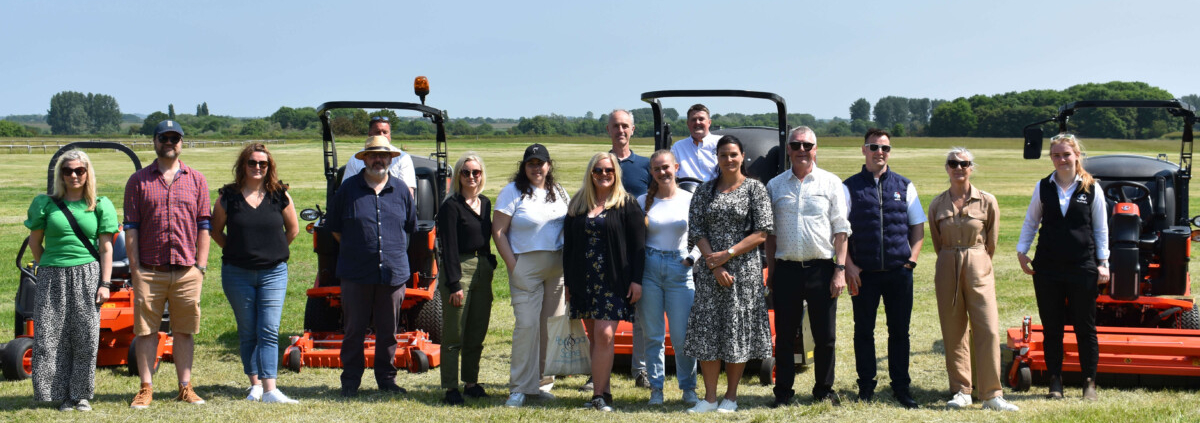
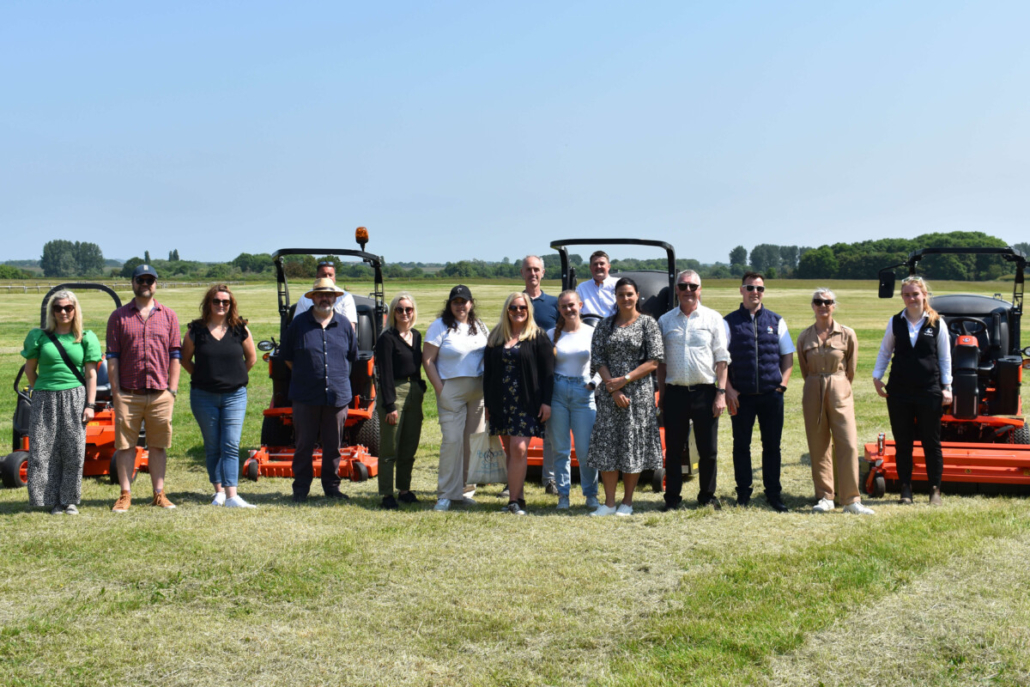
Kubota’s investment outlined in press event: Media spanning sports turf, landscaping, amenity and equine were recently given a rare insight into the ‘behind the scenes’ workings of one of the most recognisable brands in groundcare, as Kubota UK opened their doors for an update event.

The overarching theme of the two days was Kubota’s ongoing investment into the industry – with press updated on recent acquisitions and new initiatives in the areas of warranty and recruitment, while also having the opportunity to get ‘hands-on’ with some of the latest products from across their mower and compact tractor portfolios.

Kubota’s investment outlined in press event

Kubota’s investment outlined in press event

The sun was shining as Kubota UK Managing Director David Hart and General Manager for Tractor Business Unit (TBU) Henry Bredin welcomed members of the press to their Thame headquarters in early June. After learning about some of the corporate history and more recent global developments, such as the new £0.5bn Kubota Institute of Technology opened in Osaka Japan, attendees were treated to a tour of the facility where many questions on the challenges of worldwide manufacture, logistics and alternative power sources were answered.

Handing the baton to Phil Catley, Kubota UK Groundcare Product Manager and Field Service Manager Tom Lockwood, day two continued on a similar theme as the area of investment in aftersales was addressed. With the vision of creating an industry-leading dealer, technical and commercial support infrastructure, Tom discussed initiatives including the Kubota Service Excellence Awards and Kubota University programme, both of which are designed to develop and deliver training and advice to dealers thus ensuring the very best ongoing customer experience.

Also covered was the Kubota Apprenticeship programme, offered in partnership with Coleg Cambria Llysfasi, and designed to address the skills shortage in the industry. The four-year practical-based training scheme enrolled a record 13 students in 2023, setting the apprentices up for a career in engineering and progressing them into positions within Kubota dealerships across the UK.

Proceedings concluded with a ‘ride and drive’ experience where press had the opportunity to demonstrate a number of machines from across the range, including the recently-launched FC3 and FC4 mowers, and the LXe – Kubota’s first electric compact tractor, in the UK currently for extensive testing.

Commenting on the event, Kubota UK Marketing Manager Rob Edwards said, “We, like all manufacturers, are aware of the issues facing the industry and that doesn’t just stop at having the right products to fit today’s market. It was brilliant to be able to demonstrate to the press the programmes we’re delivering to support our dealers and our customers, and show how proud we are to be re-investing in the needs of the next generation. We extend a massive thank you once again, to all of those who took the time to attend.”

For the latest industry news visit turfmatters.co.uk/news

Get all of the big headlines, pictures, opinions and videos on stories that matter to you.

Follow us on Twitter and Instagram for fun, fresh and engaging content.

You can also find us on Facebook for more of your must-see news, features, videos and pictures from Turf Matters.

Investment in training is investment in machinery longevity

Investment in training is investment in machinery longevity: One of the greatest investments a customer can make in machinery is to invest in training according to Reesink Turfcare. And now there’s a new Electric Powered course meaning that no matter the power source, customers can get the best from their machinery.

Quality machinery is one of the biggest investments a club will make and needs to be safeguarded with proper training. A well-trained and attentive operating team will impact on running costs by catching things early and dealing with them at the most cost-effective point.

Investment in training is investment in machinery longevity

Investment in training is investment in machinery longevity

When it comes to mowers, Reesink offers three relevant training courses: Turfcare Mechanics to include cutting technology, the Safe Use of Ride-On Mowers and Reesink’s brand new Electric Powered Training.

Lee Rowbotham, service and training manager at Reesink UK, explains that having well-trained operators and mechanics can make machines go even further in both performance and longevity: “Reesink training provides customers with the confidence to operate and take care of their own machines so that operations can continue to run smoothly no matter what. It’s about investing in people as much as it is the machines themselves, but ultimately the two are always linked.”

With the rapid development of electric and hybrid technology, it’s important that skills and knowledge in those areas progresses at an equivalent rate so that technicians and dealers can better serve their customers and the Toro product. Hence the introduction of the new course.

Lee explains: “The Electric Powered Training course covers calibration and troubleshooting in Toro electric machinery, understanding how the electric system works and how each electrical component fits into the system. It is aimed at end users who currently have electric Toro products in their fleet.”

For diesel and petrol machines, Reesink’s Turfcare Mechanics course aims to instil confidence in troubleshooting, routine servicing and setting cutting units to manufacturers specification and can bring significant savings when it comes to machinery downtime. Lee says: “It’s surprising how the areas of maintenance that generate service time or bills such as lack of greasing, contaminated fuel or oil and blocked radiators or oil coolers are relatively easily avoided.

“The training Reesink provides teaches operators and mechanics how to keep their machines in a constant state of good condition so they can do a better job on the golf course all year round.”

The Turfcare Mechanics course, designed for dedicated workshop mechanics, also covers understanding Fault Codes and Level 1 Hydraulics and Electrics fundamentals to incorporate on board machinery diagnostics, Lee says: “This course allows clubs to take effective care of their groundscare machinery, meaning machines need less time in the workshop and can spend more time on the job.”

It’s not just in-depth maintenance knowledge that Reesink’s training provides, the Safe Use of Ride-On Mowers course ensures operators are well trained on equipment and find it easy and intuitive to use. This course is ideal for new starters, giving a practical and thorough overview of operating, checking and maintaining ride-on mowing equipment.

Reesink’s training doesn’t stop at mowers; also on offer is Reesink’s Professional Sprayer Operational and Calibration training for Toro sprayers.

Course material and assessment are included in the fees, and manufacturer backed certification is provided at the end. Each of Reesink’s courses range from one to two days of training and can be conducted on an individual basis or in small groups.

Find out more about these courses to help keep machinery performing to the best of its ability to deliver the very best playing surfaces by calling 01480 226800 or going online at reesinkturfcare.co.uk

For the latest industry news visit turfmatters.co.uk/news

Get all of the big headlines, pictures, opinions and videos on stories that matter to you.

Follow us on Twitter and Instagram for fun, fresh and engaging content.

You can also find us on Facebook for more of your must-see news, features, videos and pictures from Turf Matters.