Tag Archive for: Lawn

Celebrating ‘Organic September’ With Sustainable Lawn Care

Celebrating ‘Organic September’ With Sustainable Lawn Care: With Sustainable Lawn Care: ‘Organic September’ is here and the Lawn Association team firmly believes that aligning with nature, rather than battling it, is always the pivotal factor in achieving successful, sensible, and sustainable lawn care!

Sustainable and organic gardening go hand in hand, representing more than just passing trends, they are responsible practices that cultivate plants while preserving our environment. By embracing eco-conscious methods such as composting, natural pest control, and rejecting harmful products like synthetic polymer-coated fertilizers, we can actively reduce our negative impact on the ecosystem. So what should we think about lawn care wise this Organic September?
Celebrating ‘Organic September’ With Sustainable Lawn Care

Celebrating ‘Organic September’ With Sustainable Lawn Care

Keep your eye on thatch!

Are you concerned about excess thatch in your lawn? The solution lies in scarification, and there’s no better time to tackle it than September. Scarifying your lawn will give you better control over thatch levels. Furthermore, as we approach autumn and winter, we should also consider the potential issue of moss. Don’t underestimate its ability to thrive in saturated soils with reduced air space. This leads to slower water movement through the soil, keeping the surface wet for longer periods.

Thatch, a spongy material consisting of clippings, shoots, and organic matter, can exacerbate the problem by creating a moist environment for moss spores to germinate. Regular scarification provides an effective solution, promoting better water drainage and reducing the chances of moss spores taking hold. Additionally, extra aeration will be essential this autumn to maintain a healthy lawn.

Feed your lawn well and naturally, it will thank you for it!

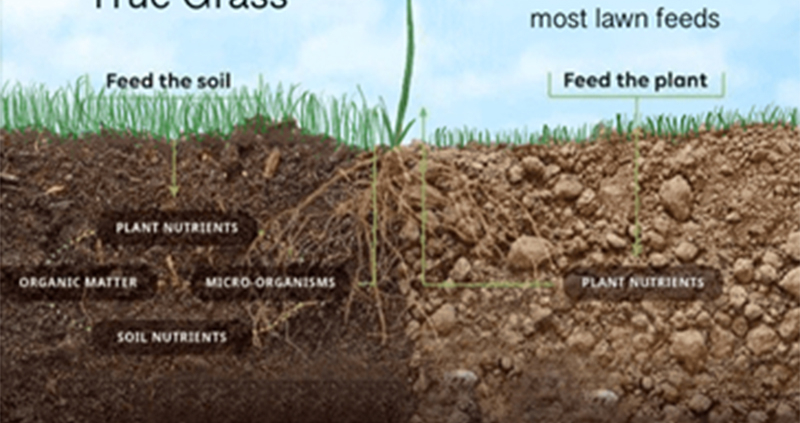
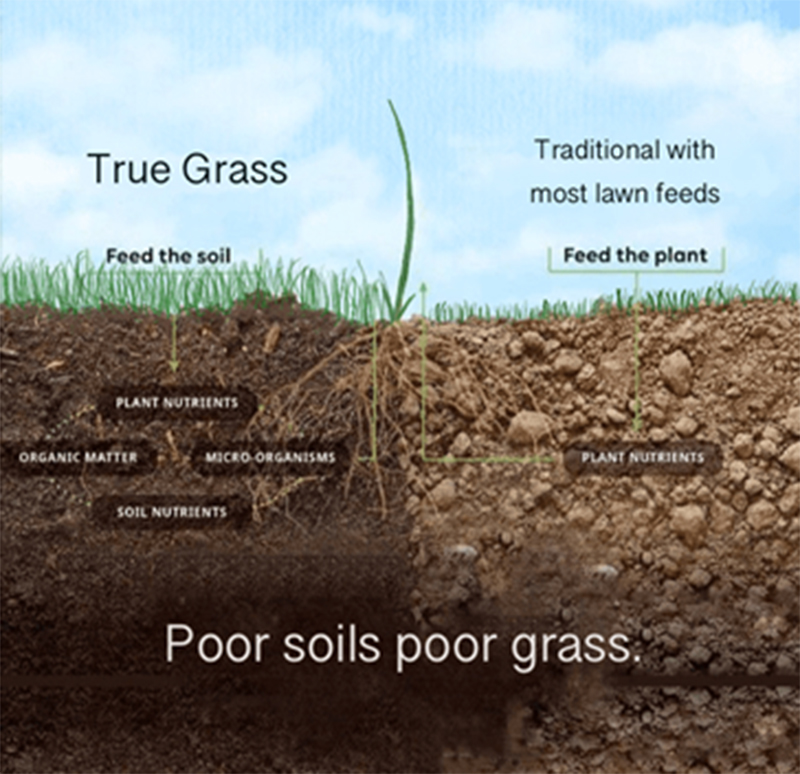
If you are scarifying your lawn this month to control thatch, then a good balanced feed afterwards is a must!  True Grass fertilizer is crafted from recycled food waste, breaking down into essential minerals and vitamins. Packed with humic, fulvic, and amino acids, along with seaweed, mycorrhiza, and an organic wetter, it’s the sustainable, organic solution that provides all the vital elements for luscious grass and healthy soil, making it the savvy choice for conscientious lawn care!

If it keeps growing, keep mowing!

Growth should be starting to slowdown so you can begin to reduce the regularity of mowing, whilst at the same time gradually increasing the cutting height.  You can aim for 2 to 5 cuts in September.  It is most important that you check that your mower blade is sharp…the job will only be as good as the tools you use!

Sustainable lawn care promotes responsible land stewardship, educating us on the importance of long-term harmony between human cultivation and the natural world. Let’s make a positive impact on our environment, one garden at a time.

Our core mission at the Lawn Association is to make accurate lawn care information readily available via our website and through our Free Membership Scheme for gardening enthusiasts.

Go to the @LawnAssociation Facebook page to join the Lawn Enthusiasts Group, and get free association membership via the website, www.lawnassociation.org.uk

For the latest industry news visit turfmatters.co.uk/news

Get all of the big headlines, pictures, opinions and videos on stories that matter to you.

Follow us on Twitter and Instagram for fun, fresh and engaging content.

You can also find us on Facebook for more of your must-see news, features, videos and pictures from Turf Matters.
No Mow May? Or mix up the monocrop lawn?

No Mow May? Or mix up the monocrop lawn?: The popularity of the environmental movement ‘No Mow May’ is growing like a damp lawn in the summer sun.

According to organisers Plantlife, the annual movement is aimed at providing a feast for pollinators, tackling pollution, reducing urban heat extremes, and sequestering atmospheric carbon in the soil.

No Mow May? Or mix up the monocrop lawn?

No Mow May? Or mix up the monocrop lawn?

As well as those vital pollinators, the campaign attracts its fair share of supporters, celebrity and otherwise.

Chris Packham recently took to social media to encourage his followers to buy his No Mow May t-shirts, and councils the length and breadth of Britain are clamouring to highlight their involvement with the initiative to bolster their environmental credentials with an easy win.

But does the annual campaign actually do any good for the environment and encourage an increase in pollinator numbers? Or is it just another example of greenwashing, something that makes people think they are doing good but in reality, has little real impact?

What’s in a lawn?

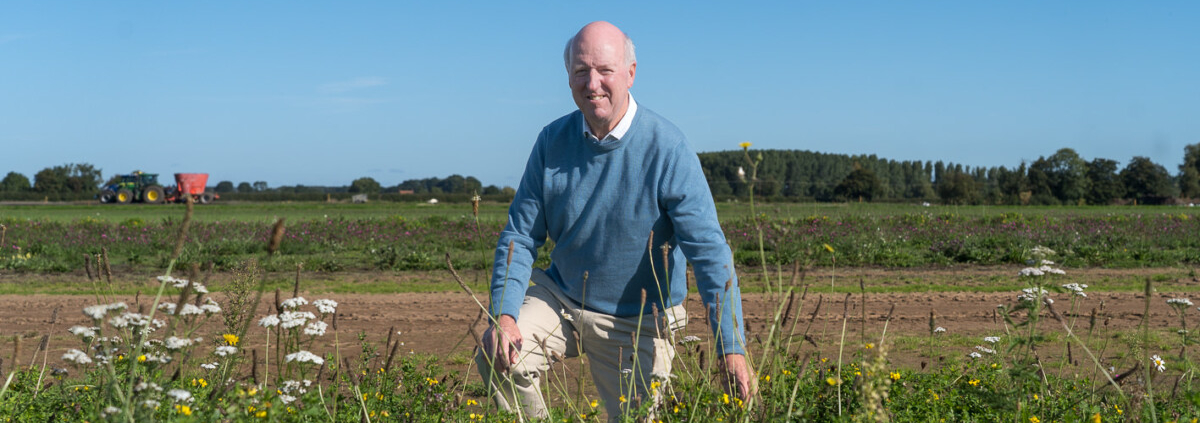
As someone who has specialised in growing turf for almost 40 years, grass is something of an obsession for me.

What I have learned in that time is that just letting a lawn grow out for a few weeks in spring rarely, if ever, leads to the ‘wildflower’ effect Plantlife seems to suggest in the images on its website.

So, what actually happens if you don’t cut your grass during May? The answer to this depends largely on what’s in your lawn to begin with.

If it’s been there a very long time and has not been treated to remove ‘weeds’, there is a chance that other species will emerge as a result of reduced mowing, leading to an increase in biodiversity in your lawn.

This, in turn, may well increase the number of insects that visit your garden during May, including those all-important pollinators.

However, even if this is the case, do not expect the emergence of a bright, multi-coloured, wildflower meadow effect, as so much of the marketing material appears to imply.

A few dandelions and daisies might come through, adding a welcome splash of colour, as well as some clovers, but anything beyond this is unlikely to materialise simply by leaving your grass alone.

This scenario also doesn’t represent the majority of lawns in the UK. Most are established by laying a modern cultivated turf that contains a dense mixture of dwarf perennial ryegrasses and fescues. Left to grow out, they simply get longer and stragglier while trying to put up seed heads.

Not a pretty sight and no biodiversity increase at all. After all, these turf mixtures are designed to be mown regularly and look neat and pristine with perfect stripes, not to increase insect numbers.

Raising awareness?

Of course, many might argue that despite creating few tangible benefits for wildlife, No Mow May drives awareness of biodiversity loss and that has to be a good thing.

Well, perhaps, but by positioning it as the solution, it may well do the opposite of what it is trying to achieve.

After all, those taking part will get to the end of May thinking they have done their bit for wildlife when in fact nothing significant has been achieved. Worse still, they then cut the lawn, immediately undoing any benefits that were achieved.

Improve biodiversity by improving biodiversity

So, if it’s time to say no to No Mow May, what can people do to improve biodiversity in their gardens and provide a home for wildlife?

The answer is in the question. If you want to increase the variety of creatures attracted to your garden, start by increasing the variety of plants in your garden.

Use the margins of your lawn to produce a full wildflower effect, which can be achieved via a wildflower turf or by sowing wildflower seeds. Or, for those who want to go a step further, replacing your lawn with a species-rich turf that includes a blend of hardy grasses and wildflowers to create a truly biodiverse area.

Not only will this be great for pollinators, but it will still stand up to the daily rigours of being walked on and having children ride bikes and play on it.

Time to mix up the monocrop lawn?

So, while no more No Mow May might be a good first step, perhaps a better one would be to mix up the monocrop lawn and replace parts of it with a richer variety of species. You can still have your strips, but giving over part of your garden to an area rich in plants will attract pollinators throughout the whole of the summer.

If everyone with a garden were to do this, perhaps we might truly start to reverse the worsening biodiversity crisis and turn our outdoor spaces into the wildlife havens they have every potential to be.

But that will never be achieved within the tight confines of a single month.

For the latest industry news visit turfmatters.co.uk/news

Get all of the big headlines, pictures, opinions and videos on stories that matter to you.

Follow us on Twitter and Instagram for fun, fresh and engaging content.

You can also find us on Facebook for more of your must-see news, features, videos and pictures from Turf Matters.

Learn how to renovate your lawn this autumn

Learn how to renovate your lawn this autumn: Allett Mowers is inviting lawn enthusiasts from around the UK to gain the Allett Level 1 Lawn Academy Qualification.

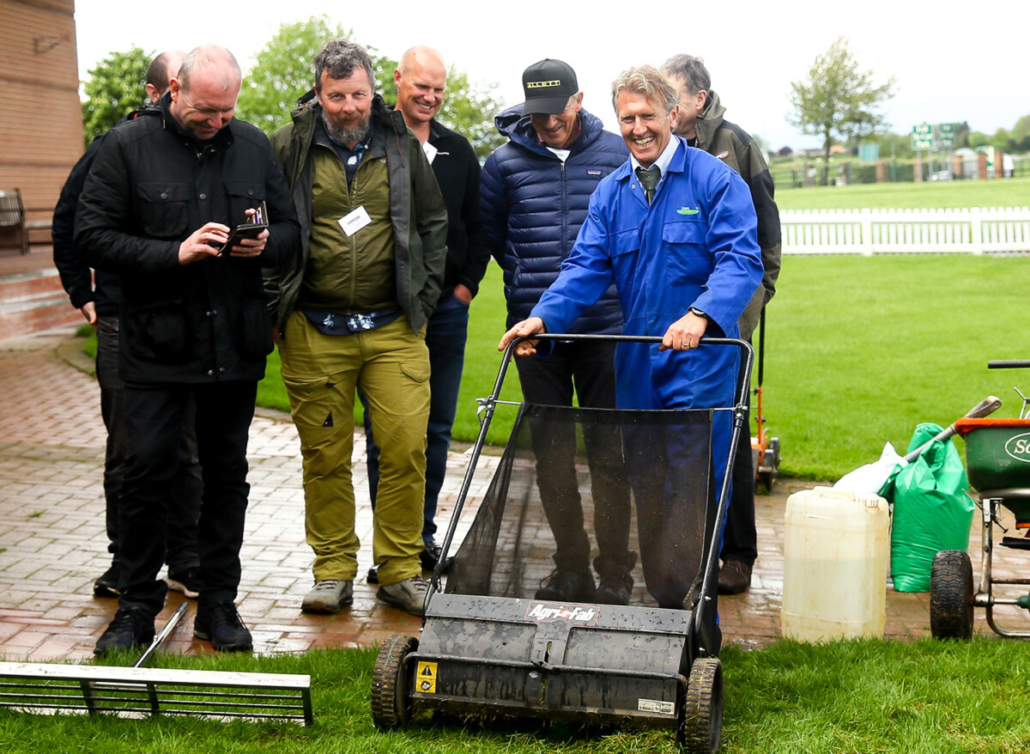
The one-day course, to be held at the Old Fold Manor Golf Club on October 10th 2023, is aimed at the passionate lawn enthusiast or professional lawncare specialists wanting to take their lawns to the next level. It’s an opportunity to learn how to achieve a more impressive and healthy lawn all year round. In the course, attendees will learn the science behind renovating their lawn this autumn to ensure it is in tiptop shape come spring. The day will start at 9 a.m. with a bacon bap and a hot drink with the chance to network with other lawn enthusiasts.

Learn how to renovate your lawn this autumn

Learn how to renovate your lawn this autumn

The learning journey will begin with classroom training led by leading lawn expert Richard Salmon from Pro Lawncare UK. Richard is a well-known figure in the industry, with over 38 years of experience in agronomy and a successful career in lawn management. Subjects to be covered on the day will include the history of grass, the lifecycle and types of grass, grass/lawn maintenance, thatch, soil, nutrients, weeds, moss, and irrigation. A lawn care yearly calendar will be set out where you can learn exactly what you should be doing to your lawn each month of the calendar year.

The classroom will be followed by a hands-on workshop with Allett MD Austin Jarrett. He will talk about the Allett cartridge system, showing how each cartridge works and how to use them. There will be the opportunity to use a range of machines and learn the techniques of how to employ a number of lawn tools to get the best out of your lawn. The price of the course will include a soil analysis test of your own lawn from a sample you bring with you on the day. Results can be used to help develop a personalised lawncare plan. The day will run from 9 a.m. to 4.30 p.m. approximately. The price of the course is £145.00 (including VAT) and also includes a buffet lunch. Attendees will each receive an Allett Level 1 Lawn Academy certificate and there will also be the opportunity to purchase Allett tools.

Booking for the event can be signed up via: https://allett.co.uk/products/allett-level-1-lawn-academy-qualification

There is a 30% student discount available by contacting: sales@allett.co.uk or laura.malkin@allett.co.uk

Allett Mowers Ltd.  01889 271503 www.allett.co.uk  

For the latest industry news visit turfmatters.co.uk/news

Get all of the big headlines, pictures, opinions and videos on stories that matter to you.

Follow us on Twitter and Instagram for fun, fresh and engaging content.

You can also find us on Facebook for more of your must-see news, features, videos and pictures from Turf Matters.

Getting lawn care ready in September

Getting lawn care ready in September: We know the summer feels like it has only just begun, but the Lawn Association team would like to share some September lawn care tips to keep your sea of green as healthy as it can possibly be!

Keep your eye on thatch!

After the last few months of ridiculous growing weather, the thatch in your lawn would have increased a lot. We only normally produce thatch for say, April, May some of June and possibly September but we have had the whole of June and July and August as well so have literally increased thatch production by 100% extra.

Getting lawn care ready in September

Getting lawn care ready in September

This is not something that many gardeners think about, but of course, when planning good sensible lawn care you should. Do we hit it hard in autumn to compensate or split between two light ones, autumn and spring?

So what can we do about excess thatch?

Scarification is the key and September is the perfect time to do this, and it will enable you to control thatch levels. Does anyone think that moss may be an issue this autumn and winter? No, of course not, moss will only be thought about when it appears. But have no doubt, it will, because soils have been saturated and air space will have decreased. This happens when the fine soil particles move around and will have consolidated. This means water will move slower through the soils meaning the surface remains wetter for longer.

Thatch is a spongy-like material that sits above the lawn soils. It comprises all the clippings, shoots, and dead organic matter that have accumulated. When this remains wet during winter, moss spores will have a greater chance to germinate, so by regularly scarifying your lawn, this will allow rainwater to run down into the soil and away from the surface, giving the moss spores less chance to germinate (extra aeration will also be required this autumn too)

David Hedges Gower, Chairman of the Lawn Association states “Good lawn care is all about working with nature, not against it. Through dealing with excess thatch sustainably via scarification and other good practices such as sensible mowing and regular aeration, biodiversity and a healthy lawn can be maintained.”

For the latest industry news visit turfmatters.co.uk/news

Get all of the big headlines, pictures, opinions and videos on stories that matter to you.

Follow us on Twitter and Instagram for fun, fresh and engaging content.

You can also find us on Facebook for more of your must-see news, features, videos and pictures from Turf Matters.
DLF Didbrook to host the UK Lawn Care Association

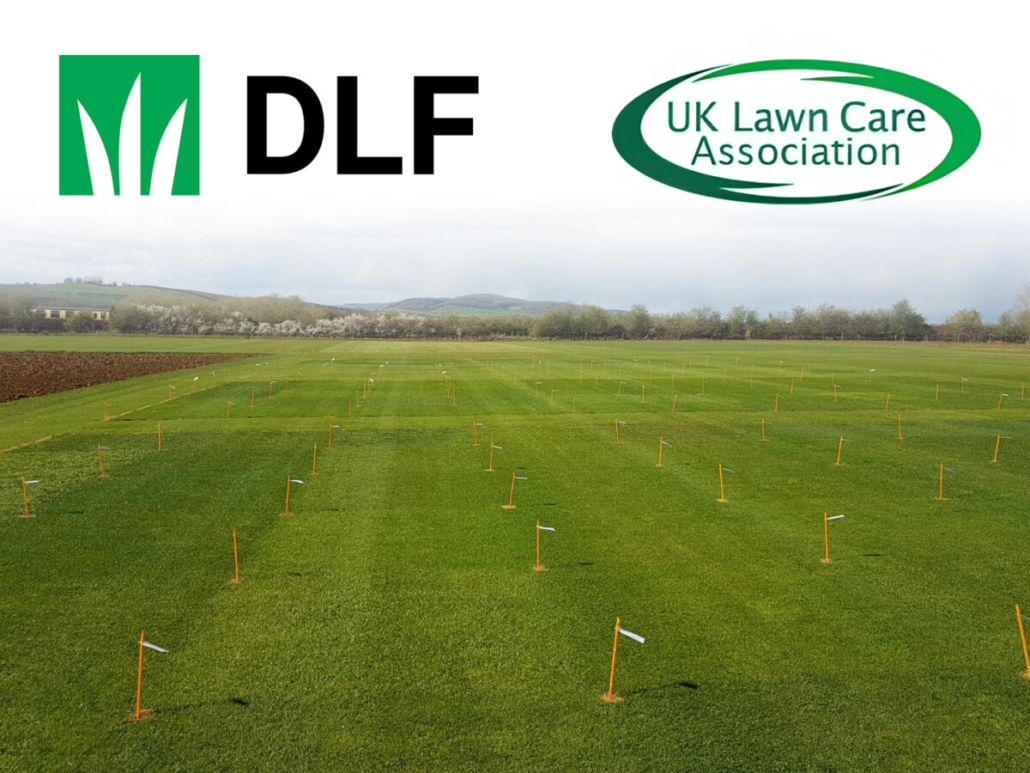
DLF Didbrook to host the UK Lawn Care Association: Leading global seed breeders DLF are pleased to be playing host to the last event in a packed summer season of seminars and events for the UK Lawn Care Association (UKLCA).

Open to members, the visit to the trial plots and research facility at Hailes Farm, Didbrook, will take place on Tuesday 11th July with only a limited number of spaces remaining.

DLF Didbrook to host the UK Lawn Care Association

DLF Didbrook to host the UK Lawn Care Association

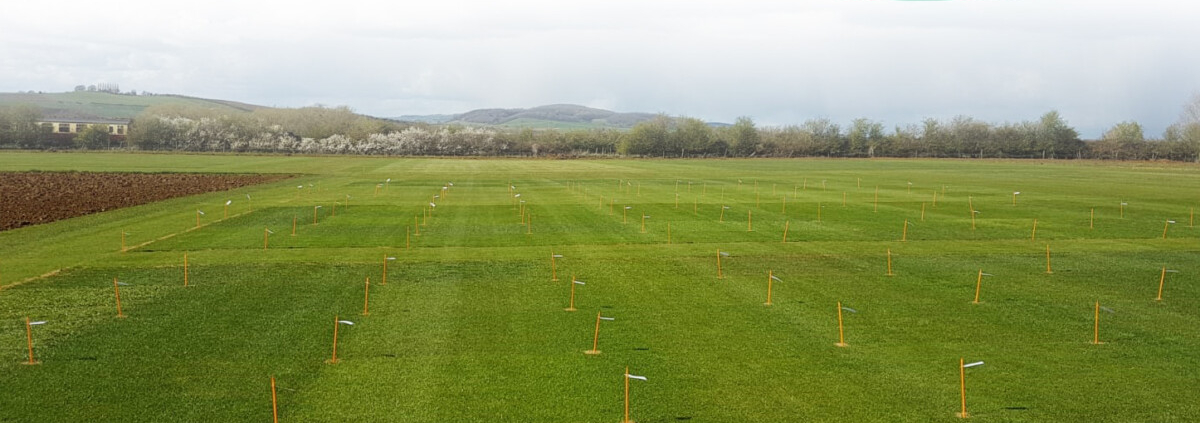
Hailes Farm has been home to research and development across the amenity, forage and agricultural breeding programme for more than 40 years. With cutting-edge technology, the facility has been deemed a centre of excellency for the trialling and evaluation of grass species in the UK – leading to the emergence of a number of high-performance varieties, used at topflight amenity venues at home and around the world.

In their capacity as sponsors of the UKLCA, DLF will be opening the gates to Hailes Farm next month for members to learn first-hand the science behind some of the most popular lawn mixtures and grass varieties. Following an introduction to DLF, visitors can look forward to a session on grass identification, an overview of the complex breeding processes and tips for optimising usage of the BSPB grass seed guide. Guests will then be given a tour of the trial plots to see some of the latest work and emerging trends in the world of grass seed.

“We are delighted to provide an opportunity to our members to develop their knowledge and understanding of grass science and technology- and where better to do that, than at DLF” comments Tom Arnold, Chairman of the UK Lawn Care Association. “The chance to visit facilities as established as DLF Didbrook are rare so it’s brilliant to be able to host this event with them and thank them for their continued support of those working hard in the UK lawncare sector.”

Numbers are limited, but those interested in attending or who would like further information should get in touch via the UKLCA website – www.uklawncare.net

For the latest industry news visit turfmatters.co.uk/news

Get all of the big headlines, pictures, opinions and videos on stories that matter to you.

Follow us on Twitter and Instagram for fun, fresh and engaging content.

You can also find us on Facebook for more of your must-see news, features, videos and pictures from Turf Matters.