

Tag Archive for: Maintaining

Why Sheffield Wednesday’s Pitch is One of the EFL’s Toughest Groundskeeping Challenges

Why Sheffield Wednesday’s Pitch is One of the EFL’s Toughest Groundskeeping Challenges

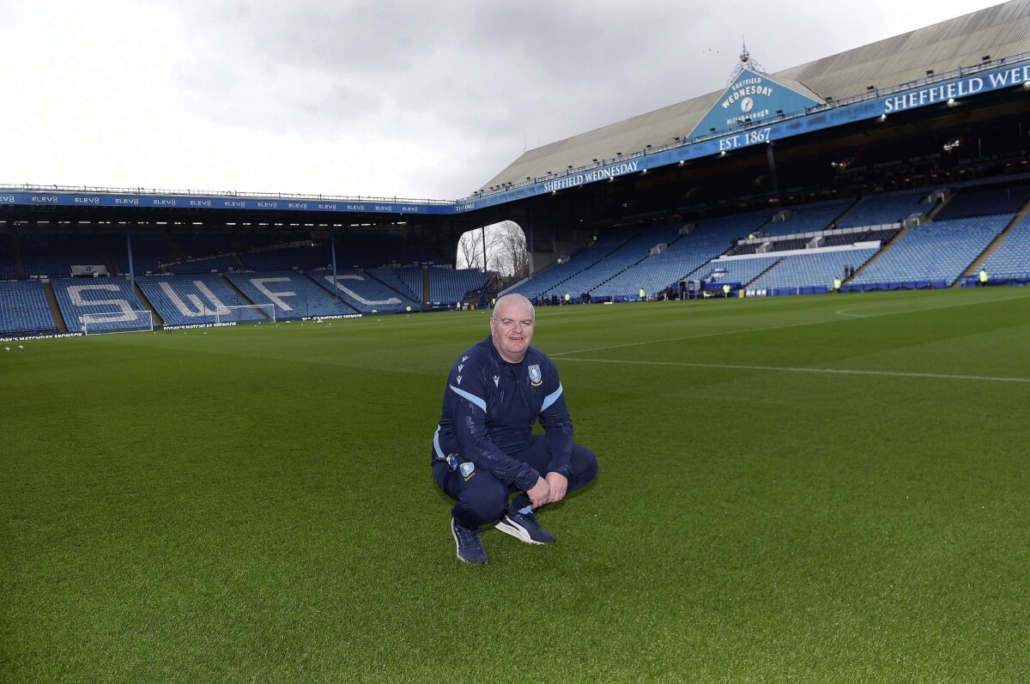
Why Sheffield Wednesday’s Pitch is One of the EFL’s Toughest Groundskeeping Challenges: Sheffield Wednesday’s stadium presents a challenging environment for turf, with significant shade and limited use of supplementary lighting. Alongside this, the pitch sees consistent use from first team and under-21 fixtures, as well as training sessions.

“Our biggest challenge is a very old, heavily shaded stadium with limited use of lighting rigs,” says Head Groundsman Lee Jackson. “Maintaining grass cover through the season is never straightforward.”
Maintaining Grass Cover in a Shaded Stadium

Maintaining Grass Cover in a Shaded Stadium

As part of a partial rebuild ahead of the 2025 season, ProSelect 1 Premium Pitch, a perennial ryegrass mixture designed for high-wear sports pitches, was used for renovation and overseeding.

“I’ve used ProSelect 1 for close to 10 years and have always trusted how it performs, so I had no hesitation using it again, even in a completely different environment,” Lee explains.

Establishment proved difficult initially due to high temperatures during summer 2025 and the nature of the rebuild.

“The early grow-in was tough because of the heat, but once it got going the coverage developed faster than I’ve seen for a number of years.”

Following establishment, the pitch was subjected to sustained use, particularly between December and February.

“We had eight first team games and ten training sessions on the pitch during that period, and we’re around 10% up on usage compared to last season,” says Lee.

Despite this, grass cover has been maintained through the winter months.

“We’ve kept more grass cover than many expected through that period, and recovery after use has been strong, especially considering the environment.”

Presentation and surface consistency have also improved across the season, supported by relatively low disease pressure.

“There’s been a noticeable improvement overall, and that’s been recognised by players and staff who have been here a number of years,” Lee adds.

For Lee, performance in this type of environment is the real measure.

“If you can get grass growing and maintain it in this kind of stadium, with limited lighting, it shows its value as part of the overall pitch management programme.”

Please contact ICL on 01473 237100 or visit www.icl-growingsolutions.com

For the latest industry news visit turfmatters.co.uk/news

Get all of the big headlines, pictures, opinions and videos on stories that matter to you.

Follow us on Twitter and Instagram for fun, fresh and engaging content.

You can also find us on Facebook for more of your must-see news, features, videos and pictures from Turf Matters
Maintaining outside space for emotional wellbeing

Maintaining outside space for emotional wellbeing: Mental Health Awareness Week, organised by the Mental Health Foundation, runs each year from the 10th to 16th of May. This year’s theme of ‘Nature’ is particularly poignant with lockdown restrictions easing and people once again allowed to socialise at both indoor and outdoor locations.

The emotional wellbeing benefits of nature have been researched extensively over the years and, as Paul Bean from grounds maintenance specialist Nurture Landscapes Group explains, it is important to keep these in mind all-year-round, especially as the world looks to recover from Covid-19.

Maintaining outside space for emotional wellbeing

Maintaining outside space for emotional wellbeing

Research[1] commissioned by the Mental Health Foundation and the UK World Wildlife Fund (WWF-UK) published ahead of Mental Health Awareness Week found that 62% of people felt that taking a walk helped improve their mental wellbeing during the pandemic.

Now that we are starting to look ahead to the post-Covid world, outside spaces will continue to be areas of comfort. That, of course, means caring for these areas so that they can provide the respite people are looking for.

‘Caring’, in this context, includes small individual actions that each person can take in their day-to-day lives, such as taking litter home, to carrying out more extensive grounds maintenance and improving sustainability practices, such as using energy-efficient equipment when tending to a park’s upkeep.

There is also a lot to be said for creating a space that the local community feel proud to have on their doorstep, achieved by hosting events around biodiversity and environmental awareness.

Urbanised areas in particular can see the benefits of opening up more natural spaces in these ways, especially as the various lockdown measures highlighted the need for improved access. According to figures from the Office of National Statistics, only 13% of residents across urban areas in England and the three most populous cities in Wales lived within a ten minute walk of a local park, and of those who did have good access, nearly a quarter (24%) suggested the park was at risk of becoming too overcrowded.[2] Yet before the first lockdown in March 2020, 93% of respondents had visited a green space in the year leading up to movement restrictions being implemented.

Improving natural areas to create a quiet haven in an otherwise stressful and at times, overwhelming setting, doesn’t happen overnight. However, choosing the right plants, flowers, and even the positioning of benches, are good first steps. Then, of course, there is the ongoing TLC which keeps the park looking at its best.

The message of taking care of the natural environment for our own emotional wellbeing is a key one for Mental Health Awareness Week this year, and something we at Nurture Landscapes take great pride in being able to facilitate. While we may not be experts in mental health, we do understand and appreciate how important it is for people to have a space where they can take some time to care for themselves.

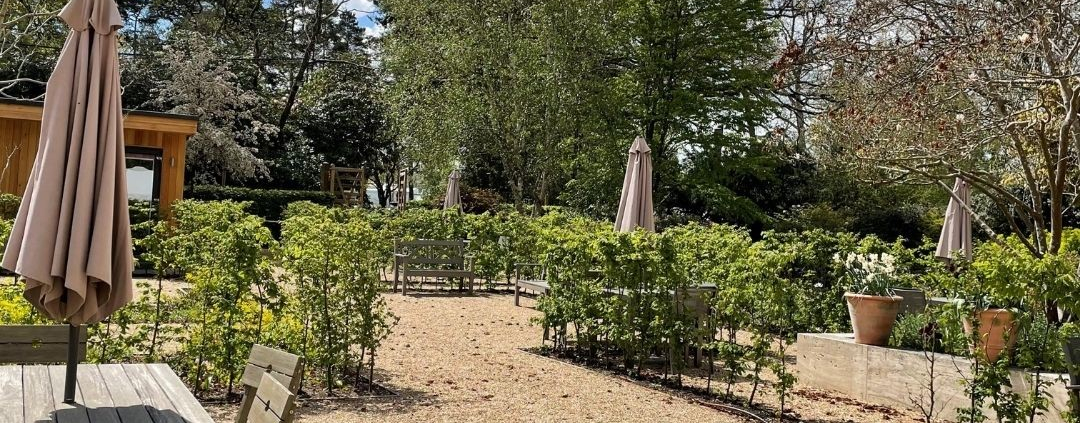
And the signs that this will continue to be the case are there already, with offices looking to utilise outdoor meeting areas, such as the one we use ourselves at our head office in Surrey (pictured), and nature charities reporting greater interest in their respective activities, according to ONS data.[3]

The same data reveals that during the summer of 2020, the use of #m_2362510770876043122__ftn3outdoor spaces surged when compared to Natural England’s baseline figures from the period 2010 to 2018, peaking at a 100% increase in August of last year. Good weather and the temporary lifting of restrictions will certainly have been key factors for this dramatic increase, but the understanding and awareness of nature that people developed in the months spent in lockdown will have also contributed.

Before the virus outbreak, when long commutes and crowded urban areas were considered ‘the norm’, going for a walk to clear the mind or get some fresh air out of a busy office provided a welcome respite from the constant pressures of modern living. Covid-19 showed us just how important those five minutes out in the fresh air truly are.

As Mental Health Foundation’s Thriving in Nature report states, “nature is for everyone [and] it is essential that everyone can access nature whatever their circumstances”.[4] To fulfil this vision, and ensure that the post-pandemic era has a strong focus on taking care of our own individual mental health needs, opening up natural spaces and maintaining them to create green oases in what can be an overwhelming world needs to be a priority, especially with nearly half of people in the UK noticing the increasing benefits of nature on their overall mental wellbeing.

For the latest industry news visit turfmatters.co.uk/news

Get all of the big headlines, pictures, opinions and videos on stories that matter to you.

Follow us on Twitter and Instagram for fun, fresh and engaging content.

You can also find us on Facebook for more of your must-see news, features, videos and pictures from Turf Matters.