
Tag Archive for: Maintenance

Kress Mega 600 redefines sports turf maintenance

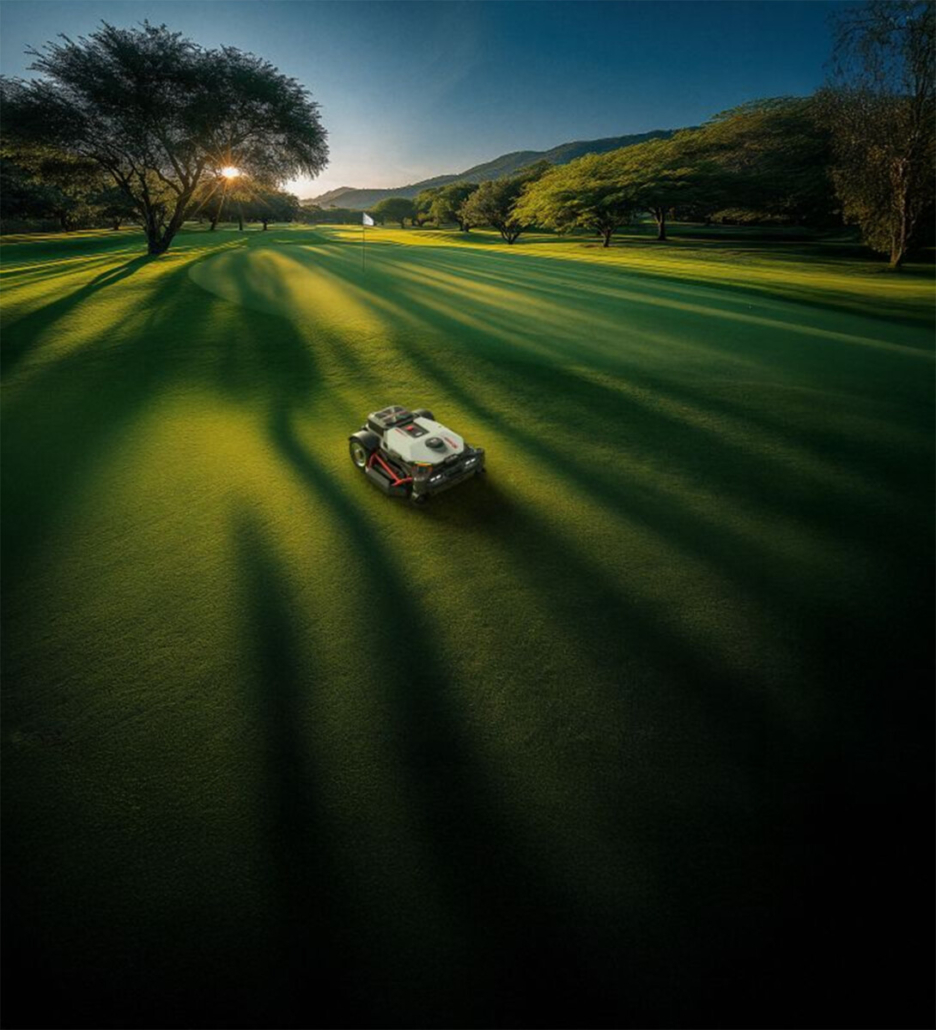
Kress Mega 600 redefines sports turf maintenance: The arrival of the new Kress Mega 600 robot mower marks a pivotal moment for sports turf management.

The KR238E Kress Master series Mega 600 has been developed for continuous, overnight operation across large and demanding turf areas autonomous mowing system delivers tournament-quality results while addressing the persistent challenges of labour costs, environmental impact, and consistency that have long plagued groundskeepers.
Kress Mega 600 redefines sports turf maintenance

Kress Mega 600 redefines sports turf maintenance

What sets the Mega 600 apart is its precision engineering tailored specifically for sports surfaces. The 620mm deck with on-board roller paired with high-speed blades operates at 3,800 rpm, creating professional striping patterns between three and six meters wide that rival traditional mowers. But unlike conventional equipment, this robotic solution maintains these standards autonomously, completing 22,000 square meters in just twelve hours with remarkable consistency.

The technology behind this efficiency is equally impressive. Centimetre-level RTK satellite positioning eliminates the need for boundary wires while ensuring systematic coverage in parallel lines. Terrain-adaptive dual floating decks adjust automatically to undulating surfaces, preventing scalping and delivering an even cut regardless of ground contours. The system achieves an industry-low 10mm cutting height with millimetre precision, crucial for sports fields where playing surface quality directly impacts athlete performance and safety.

Perhaps most significant for facilities managers is the operational flexibility. Fast 30-minute charging cycles with nearest-dock return functionality maximise working time, while the quiet electric operation allows nighttime mowing without disturbing neighbouring communities. This scheduling freedom means sports fields can be maintained during off-peak hours, eliminating conflicts with practice schedules and events.

The environmental benefits are substantial. Zero emissions, reduced noise pollution, and elimination of fuel costs align with growing sustainability mandates facing the industry. For sports turf professionals seeking to elevate surface quality while controlling costs, the Kress Mega 600 represents not just an equipment upgrade, but a fundamental reimagining of what’s possible in field maintenance.

For the latest industry news visit turfmatters.co.uk/news

Get all of the big headlines, pictures, opinions and videos on stories that matter to you.

Follow us on Twitter and Instagram for fun, fresh and engaging content.

You can also find us on Facebook for more of your must-see news, features, videos and pictures from Turf Matters
Ecological green space maintenance requires clear priorities

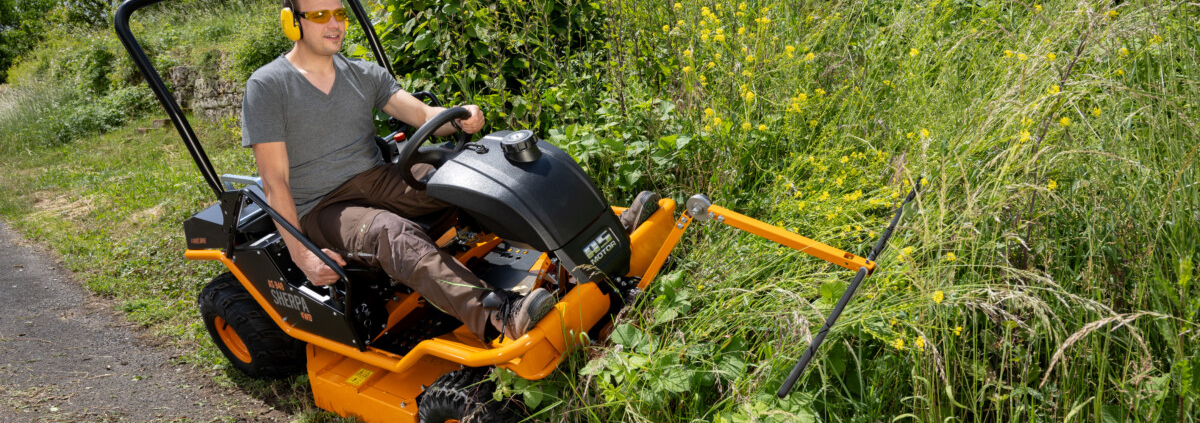
Ecological green space maintenance requires clear priorities: How can green space maintenance be made ecologically sound and practical at the same time, without losing sight of functional requirements? This question was the focus of a discussion round to which AS-Motor invited representatives from science, practice and the trade press.

The initiative was prompted by AS-Motor’s long-standing commitment to ecologically oriented green space maintenance. Since the public debate surrounding the Bavarian referendum “Save the Bees” in 2019, mulching technology has also come under increasing criticism. For AS-Motor, this was an opportunity to critically examine its own role as a equipment manufacturer and to take a closer look at the ecological impact of different maintenance decisions. The discussion panel picked up on this and brought together perspectives and experiences from science, practice and the media.

Ecological green space maintenance requires clear priorities

Ecological green space maintenance requires clear priorities

The discussion made it clear that there is no single goal for ecological green space maintenance. Instead, there are several ecological targets, including the preservation of biodiversity and the protection of biotope networks and landscape connectivity. Maintenance always takes place within clear framework conditions, for example with regard to traffic safety, legal requirements, economic efficiency and social acceptance. Prioritisation is unavoidable. Maintenance must be planned on an area-specific and target-dependent basis.

Areas with low usage but high connectivity are of particular ecological importance. These include roadside greenery, field margins, forest edges, orchard meadows, municipal green spaces and private gardens. Linear structures in particular play a central role in the biotope network.

Maintenance is essential

There was agreement that non-maintenance is not a viable option. As cultural landscapes, many areas depend on targeted maintenance to prevent scrub encroachment and loss of species and function. The timing of mowing, mowing frequency, cutting height, area division and rotating and mosaic-like maintenance approaches are crucial. Alternating maintenance was considered particularly practical: intensively maintained areas where necessary and extensively maintained, deliberately staggered sub-areas in adjacent areas.

The role of technology was also considered in a differentiated manner during the round table discussion. Machines are a means to an end, not the solution itself. Bar mowers can offer advantages in terms of nature conservation, but are not economically viable or suitable for use in all areas due to terrain conditions. Mulchers and rotary mowers can be ecologically beneficial when used appropriately. It is not only the type of machine that is crucial, but the entire maintenance concept and its consistent implementation.

In practice, it has also been shown that ecologically oriented green space maintenance does not necessarily entail higher costs. Reduced mowing frequency can offset additional expenses. Challenges remain in the disposal of clippings and limited investment opportunities in new technology.

Communication is key

Communication has been identified as a key factor. Conflicts often arise less from technical reasons than from aesthetic expectations. Areas that appear unfamiliar or untidy are met with rejection without explanation. What is crucial is explanatory, continuous communication that creates understanding and highlights positive examples. The model of “orderly unrest” was mentioned several times in this context.

The role of employees is equally central. Change can only succeed with the people who carry out the maintenance. Knowledge, involvement and appreciation promote responsibility and motivation. Many practical solutions arise directly from experience in the field.

In the discussion, AS-Motor was perceived not only as a manufacturer of equipment, but also as a source of knowledge and a catalyst for professional exchange. Training courses, practical guidelines, tried-and-tested practical solutions and the further development of technology with a view to ecological application were identified as useful starting points.

For the latest industry news visit turfmatters.co.uk/news

Get all of the big headlines, pictures, opinions and videos on stories that matter to you.

Follow us on Twitter and Instagram for fun, fresh and engaging content.

You can also find us on Facebook for more of your must-see news, features, videos and pictures from Turf Matters
Replay Maintenance launches Natural Turf division

Replay Maintenance launches Natural Turf division: Replay Maintenance has announced the launch of a new Natural Turf division, marking a significant expansion of the company’s service offering and reinforcing its long-term commitment to supporting grassroots and community sport.

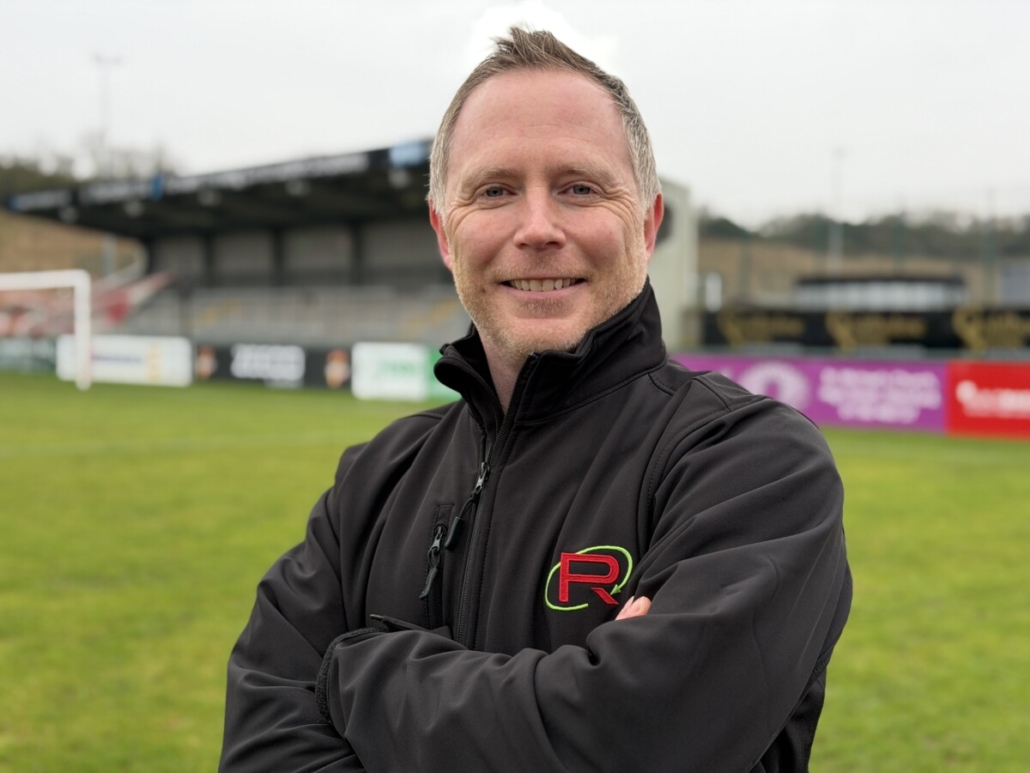
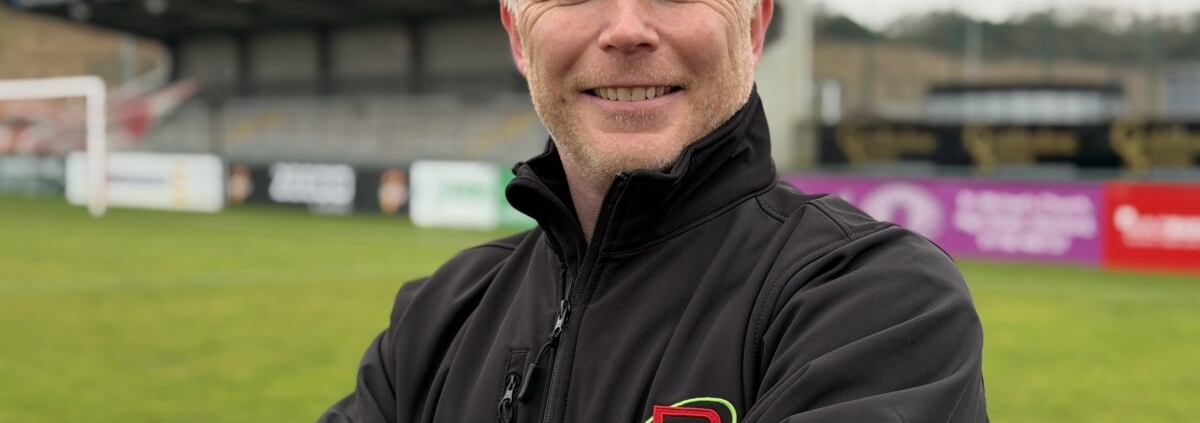
The move is supported by the appointment of Ben Sadler as Head of Natural Turf, bringing more than 25 years of hands-on and strategic experience in sports turf management to the business.

Replay Maintenance launches Natural Turf division

Replay Maintenance launches Natural Turf division

Best known as a nationwide provider of synthetic surface maintenance and refurbishment, Replay Maintenance has spent the last two decades working closely with clubs, local authorities and governing bodies.

The introduction of a Natural Turf division enables the company to offer a more comprehensive, joined-up service for sites operating both synthetic and natural grass pitches.

Ben’s career spans golf, sports turf contracting and grassroots football, combining practical expertise with a deep understanding of funding, education and long-term pitch improvement. He began his career working on a local golf course in the Midlands before moving into a fast-growing lawn care business, where he played a key role in scaling the operation from a start-up into a medium-sized company.

“I fell in love with the industry early on, but I was keen to understand the business side as well as the practical side,” said Ben. “Being involved in everything from marketing and sales through to training and operations gave me a really solid foundation.”

More recently, Ben held a technical role focused on grassroots football pitches across Leicestershire, working closely with County FA partners and the Football Foundation. During this time, he supported between 200 and 300 pitches across 40–50 sites, guiding clubs through funding applications, developing schedules of work and delivering on-the-ground improvements.

“There was a lot of education involved, helping clubs understand why certain practices mattered and how they could create a better environment for people to play football,” he explained.

Ben said the opportunity to join Replay Maintenance and build a new division from the ground up was one he couldn’t ignore. “It’s a really exciting opportunity to come in with almost a blank page and work alongside people with so much experience. The ambition is to grow initially across the East Midlands and then expand further as the offer develops.”

As Head of Natural Turf, Ben will lead a programme focused on core maintenance services such as aeration, seeding, fertilising, weed control and top dressing. While the initial emphasis will be on grassroots football, the division will also support rugby, cricket outfields and other natural turf facilities.

“For clubs that don’t have the time, equipment or expertise, we can take that burden away,” said Ben. “For Replay, it means becoming a genuine one-stop shop – looking after both synthetic surfaces and natural turf on the same site.”

Matt Bartle, Group Head of Commercial Strategy at Replay Maintenance, said the launch of the division was a natural progression for the business.

“We’re already a nationwide service provider on the synthetic side, and when the opportunity arose to bring someone of Ben’s calibre into the organisation, it made complete sense to look at natural turf,” said Matt. “It allows us to better support our existing partners and improve footfall and performance across all their pitches.”

Matt added that Ben’s background was a key factor in the decision. “You have to invest in the foundations if you want to get the offer right. Ben came highly recommended, and it quickly became clear that he was the right person to lead this.”

Initially, the Natural Turf division will focus on Lincolnshire, Nottinghamshire and Derbyshire. However, Matt confirmed that longer-term ambitions are firmly nationwide.

“We’ll spend the next 12 months refining the offer, learning and working closely with partners,” he said. “We’ve built a strong reputation in the industry, and by bringing the right people in, we’re confident this division will grow to meet demand in the years ahead.”

For more information, visit www.replaymaintenance.co.uk

For the latest industry news visit turfmatters.co.uk/news

Get all of the big headlines, pictures, opinions and videos on stories that matter to you.

Follow us on Twitter and Instagram for fun, fresh and engaging content.

You can also find us on Facebook for more of your must-see news, features, videos and pictures from Turf Matters
Winter Water Feature Maintenance

Winter Water Feature Maintenance: Leading water feature specialist Waterscapes highlights the importance of consistent winter care to protect investments and ensure spring readiness.

As temperatures drop and winter sets in, many facilities teams assume water feature maintenance requirements decrease. However, leading water feature specialist Waterscapes is highlighting that winter creates different, not fewer, maintenance priorities.

Winter Water Feature Maintenance

Winter Water Feature Maintenance

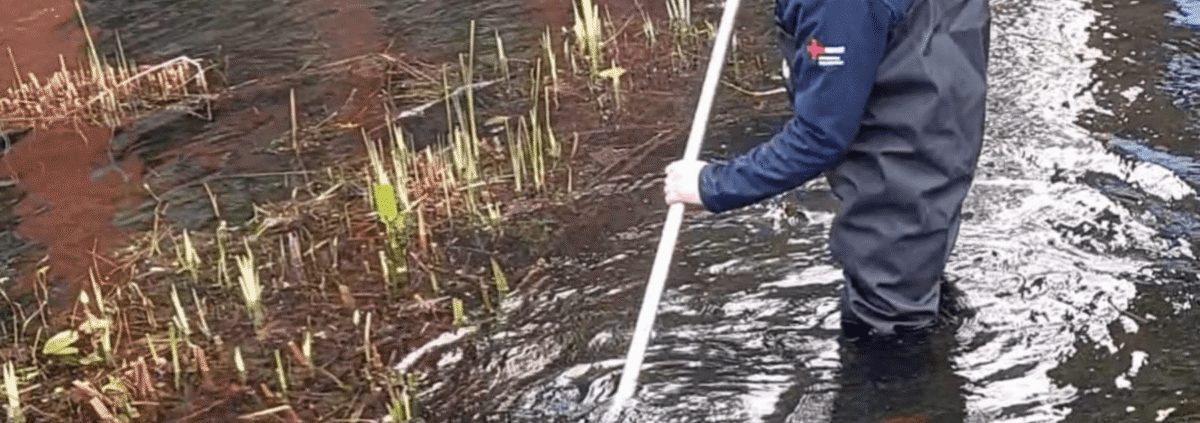
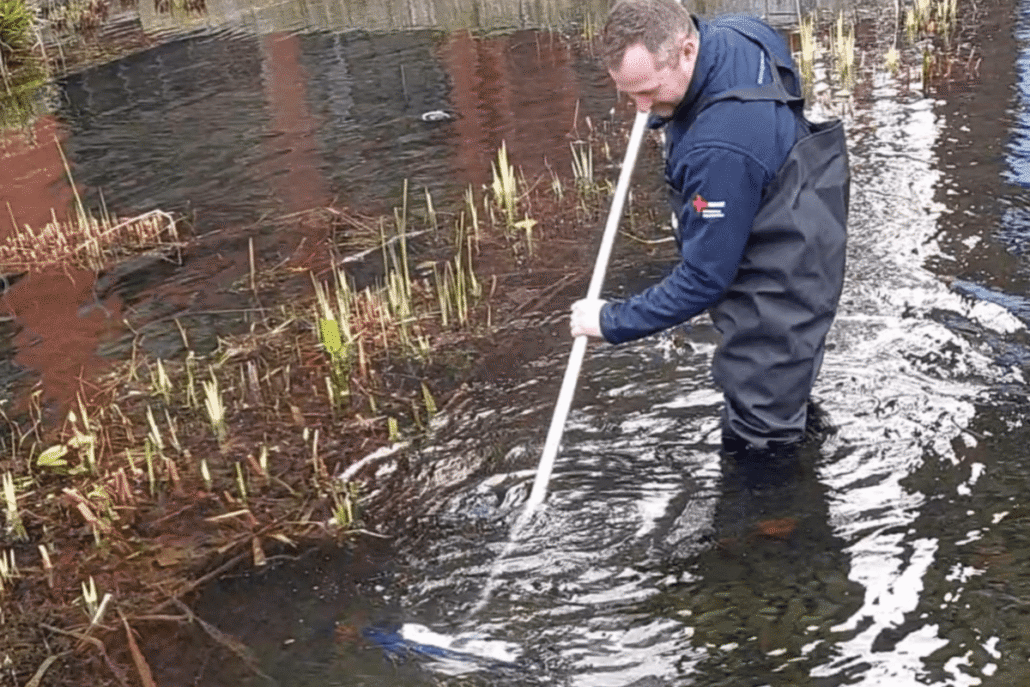
“Winter doesn’t mean your water feature maintenance stops,” explains Ed Harwood, Maintenance Contracts Manager at Waterscapes. “We consistently see that features receiving regular winter care experience fewer problems, require less intensive spring work, and maintain better overall performance. The facilities teams that maintain consistent inspection and care routines through winter report significantly fewer problems and lower costs.”

The Winter Maintenance Challenge

Neglecting winter maintenance leads to deteriorating water quality that’s harder to correct in spring, equipment wear that goes unnoticed until failure occurs, build-up of debris and contaminants that damage surfaces, increased chemical costs when rebalancing water, and shortened equipment lifespan.

Winter brings significant changes to water feature behaviour. Cooler temperatures and reduced sunlight mean lower algae formation, though the risk isn’t eliminated entirely. Cold water holds more dissolved oxygen and experiences slower biological activity, affecting how treatments work and how quickly water quality can deteriorate.

Essential Winter Care Areas

Water chemistry: For chemically treated features, continue regular water testing throughout winter. Weekly or fortnightly testing catches problems early. Chemical effectiveness changes with water temperature—chlorine works more slowly in cold water, requiring adjusted dosing strategies.

Plant room equipment: Pre-filters require weekly inspection, pumps need continuous monitoring for performance changes, and media filters benefit from backwashing every 2-4 weeks. Regular pipework checks identify leaks or joint movement before they escalate in cold conditions.

Surface care: Regular brushing prevents biofilm and mineral deposit build-up, while netting at least twice weekly removes wind-blown debris before it decomposes and affects water quality.

“The most successful approach combines consistent in-house daily and weekly care with periodic specialist inspections and support,” adds Harwood. “Your team handles routine maintenance whilst specialists provide expertise, equipment servicing, and problem-solving.”

Sustainability Benefits

Consistent winter maintenance delivers environmental and financial benefits. Features receiving regular care require fewer repairs and replacements, reducing waste and resource consumption. Proper chemical management reduces environmental impact, whilst well-maintained equipment lasts longer.

“Every problem prevented through regular maintenance saves resources, reduces waste, and lowers costs,” notes Harwood. “Winter maintenance is an investment in sustainability and spring readiness.”

Professional Support Available

Waterscapes provides comprehensive winter maintenance support including professional water testing, equipment servicing, maintenance training, and complete winter care contracts. With over 20 years of experience across corporate, municipal, and private water features, the team understands the challenges facilities managers face.

Read the full guide: For comprehensive step-by-step guidance on winter water feature maintenance, read the complete article at – https://waterscapes.co.uk/blog/winter-water-feature-maintenance 

For the latest industry news visit turfmatters.co.uk/news

Get all of the big headlines, pictures, opinions and videos on stories that matter to you.

Follow us on Twitter and Instagram for fun, fresh and engaging content.

You can also find us on Facebook for more of your must-see news, features, videos and pictures from Turf Matters.

Kubota rises to the maintenance challenges at Hellidon Lakes

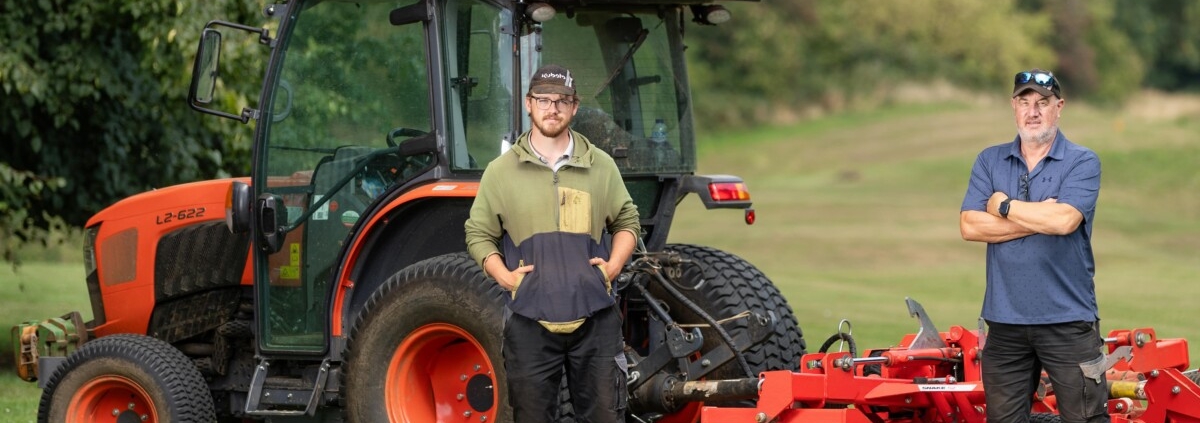
Kubota rises to the maintenance challenges at Hellidon Lakes: Located at the highest point of Northamptonshire, Hellidon Lakes Golf Club boasts 27-holes of challenging parkland play, a hotel and a range of other facilities. Behind the pristine fairways and manicured greens is a small, dedicated maintenance team led by Golf Course Manager Gary Armstrong and an L2-622 and RTV-X1110 from Kubota.

A long-time Kubota user, Gary and his team have relied on the brand for both reliability and versatility. “I’ve worked with Kubota equipment for years so was pleased, when I started here seven years ago, to find Kubota was already part of the fleet. Our Senior Management at Hellidon Lakes loves the Kubota brand and the equipment is also favoured at our other venue course in Shropshire.” Gary explains.

Kubota rises to the maintenance challenges at Hellidon Lakes

Kubota rises to the maintenance challenges at Hellidon Lakes

This year, Hellidon Lakes upgraded its fleet through local Kubota dealer George Browns, replacing their previous compact tractor which had served the club for over 20 years with a higher-horsepower L2-622 which was delivered in April 2025, alongside an RTV-X1110.

“Our grounds here are steep and undulating so we needed something that could handle these ground conditions and power a wide array of implements. The L2-622 is now our main workhorse – running our trailed mower, sprayers, trailers, side-arm flails… basically anything that requires a tractor, the L2 is there to provide the power!” He adds, “The greater capacity and capability of the L2-622 gives us scope moving forwards to utilise other, more power-hungry implements that will bring further benefit to our maintenance programme, particularly on the fairways.”

“The RTV-X1110 has been brilliant for moving materials and people around the site, with the added bonus of it being homologated for road use.” Gary notes, “With hydrostatic transmission (HST), it’s slightly different to operate than our previous utility vehicle but feels better tailored to the needs of turf maintenance and the team have quickly and easily adapted to it, to get the most out of the RTV.”

Longevity and robust reliability were key considerations in the club’s choice to stick with Kubota, with the management teams confidence in the brand making the recent investments an easy decision. Important, too, is the strong local support from George Browns. “Our relationship with George Browns is fantastic. Their Daventry depot is just a few miles away giving us extra peace of mind and making service and parts easily accessible. This convenience, combined with trust in the badge, sealed the deal” Gary concludes.

For the latest industry news visit turfmatters.co.uk/news

Get all of the big headlines, pictures, opinions and videos on stories that matter to you.

Follow us on Twitter and Instagram for fun, fresh and engaging content.

You can also find us on Facebook for more of your must-see news, features, videos and pictures from Turf Matters.