
Tag Archive for: Organic

Ag Biologicals and Organic Growth

Ag Biologicals and Organic Growth: The agricultural landscape is profoundly transforming as the global drive toward sustainability accelerates. The sector’s projected growth to a staggering $1.2 trillion by 2034 signals immense economic potential and underscores a significant shift toward environmentally responsible farming practices.

With the agricultural biologicals market forecasted to surge from $16.7 billion in 2024 to $31.8 billion by 2029 (Markets and Markets, 2024), alongside significant expansions in agrochemicals and organic food markets, we are on the brink of a revolution in how food is grown, protected, and consumed.

Ag Biologicals and Organic Growth

Ag Biologicals and Organic Growth

Unprecedented Growth in Agricultural Biologicals

The global agricultural biological market is expected to grow at a compound annual growth rate (CAGR) of 13.5%, reaching $31.8 billion by 2029. Agricultural biologicals—including biopesticides, biofertilisers, and biostimulants—are essential to sustainable farming practices. These products enhance crop protection, improve nutrient efficiency, and restore soil health while avoiding the environmental damage associated with synthetic chemicals.

Several key factors are driving this shift:

  • Consumer Demand for Organic Produce: Globally, consumers increasingly seek natural, chemical-free products, pushing farmers to adopt biological alternatives.
  • Stricter Regulations: Governments in Europe, North America, and other regions are implementing stricter controls on chemical inputs, speeding up the transition to biologicals.
  • Environmental Awareness: The adverse effects of chemical-intensive farming on ecosystems are becoming more apparent. Biologicals offer a sustainable solution with minimal environmental harm.

Regional Drivers of Growth

The Asia-Pacific region is set to be a significant growth engine for agricultural biologicals. Countries like India and China, with vast agricultural sectors and growing populations, are increasingly focusing on sustainable farming practices. Thanks to its stringent regulatory environment, Europe continues to play a leading role, mainly through the EU’s Farm to Fork strategy, which aims for a 50% reduction in pesticide use by 2030.

The U.S. market is expanding rapidly in North America due to increased investment in biological research and innovation. Latin America, especially Brazil, is emerging as a critical player in biologicals, driven by its leadership in organic farming and alternatives to agrochemicals.

Agrochemicals: A Market in Transition

Despite the rise of biologicals, the agrochemicals market is expected to grow from $365.6 billion in 2024 to $491.69 billion by 2032 (Market Research Future, 2024). However, the narrative surrounding agrochemicals is shifting. Farmers are increasingly adopting integrated pest management (IPM) strategies that combine biologicals with synthetic chemicals, balancing yield targets with environmental sustainability.

Agrochemicals will still play a role in global food production, but their use will increasingly be complemented by biological solutions to reduce environmental impact. This hybrid approach is critical in regions where fully transitioning to biological methods is not feasible due to scale, cost, or other constraints.

Organic Food: A Powerhouse Market

The global organic food market is forecasted to rise from $228.35 billion in 2024 to $658.38 billion by 2034 (Precedence Research, 2024). This reflects a significant shift in consumer preferences toward healthier, environmentally friendly food choices.

Organic farming emphasises sustainability, biodiversity, and soil health, making agricultural biologicals a natural fit for this market. Biopesticides, biofertilisers, and biostimulants are at the core of organic farming systems, replacing chemical inputs with natural solutions aligned with organic certification principles. Countries like Germany, the U.S., and France lead this trend, with robust organic farming sectors and consumers willing to pay premiums for organic products.

Regulatory Frameworks Shaping the Market

The regulatory landscape is pivotal to the growth of agricultural biologicals. In the European Union, the regulatory framework has become increasingly favourable for biologicals, particularly with the implementation of the European Green Deal and the Farm to Fork strategy, which promote sustainable food systems and aim to reduce pesticide use significantly. The U.S. Environmental Protection Agency (EPA) has also streamlined the biopesticide registration process, encouraging faster adoption.

In Brazil, one of the world’s largest agricultural markets, regulatory reforms have accelerated the approval of biological products. The country’s leadership in organic farming and favourable policy environment make it a key player in driving biological adoption in Latin America. Similarly, India has introduced initiatives through the Indian Council of Agricultural Research (ICAR) and its Farm Science Centres (KVKs) network to promote biological products.

However, challenges remain, particularly in harmonising regulations across regions. Global regulatory collaboration is necessary to establish consistent standards, reduce registration bottlenecks, and foster innovation.

Key Trends Driving Growth

  1. Innovations in Microbial Technology: Microbial research advances enable the development of highly effective biological products that target specific pests, improve nutrient uptake, and enhance plant resilience. Innovations in formulation technologies, such as encapsulation and controlled-release systems, are improving the stability and efficacy of biologicals, making them more viable for large-scale farming.
  2. Consumer Awareness and Organic Certification: As consumers become more conscious of the environmental impact of their food choices, demand for organic and sustainably produced food is rising. This shift drives the need for biological inputs that meet organic certification standards, further boosting the adoption of biological solutions.
  3. Climate-Smart Agriculture: Agriculture significantly contributes to greenhouse gas emissions. Agricultural biologicals, particularly soil microbes, play a crucial role in mitigating climate change by enhancing carbon sequestration, improving soil health, and reducing the carbon footprint of farming practices.

Challenges to Overcome

Despite rapid growth, the agricultural biologicals market faces several challenges:

  • Regulatory Hurdles: Fragmented regulatory environments across regions slow the approval process for new biological products. Harmonising regulations will be vital in accelerating innovation and adoption.
  • Farmer Education and Confidence: Many farmers remain sceptical of biological products due to a lack of knowledge or previous experiences with ineffective or ingenuine products. Education and field demonstrations are essential for building farmer confidence and ensuring widespread adoption.
  • Supply Chain and Scalability: The infrastructure needed to produce, store, and distribute biological products at scale is still developing. Investments in supply chain logistics, cold storage, and distribution networks will be critical to meeting future demand.

Conclusion: The Future of Sustainable Agriculture

The $1.2 trillion surge in the agricultural biologicals, agrochemicals, and organic food markets reflects more than just economic growth—it signals a global commitment to transforming agriculture into a sustainable, eco-friendly industry. As the world grapples with climate change, food security, and environmental degradation, the rise of agricultural biologicals offers a pathway to a healthier and more sustainable future.

Innovations in microbial technology, growing consumer demand for organic products, and favourable regulatory frameworks are positioning agricultural biologicals as a cornerstone of global food production. By investing in these sustainable solutions today, we are laying the foundation for a future where agriculture feeds the world and preserves the planet for generations to come.

Agriculture is no longer just about yields; it’s about balancing productivity with responsibility. As the agricultural biological sector evolves, it is poised to create a future where farming is both economically viable and ecologically sound.

For the latest industry news visit turfmatters.co.uk/news

Get all of the big headlines, pictures, opinions and videos on stories that matter to you.

Follow us on Twitter and Instagram for fun, fresh and engaging content.

You can also find us on Facebook for more of your must-see news, features, videos and pictures from Turf Matters.
Celebrating ‘Organic September’ With Sustainable Lawn Care

Celebrating ‘Organic September’ With Sustainable Lawn Care: With Sustainable Lawn Care: ‘Organic September’ is here and the Lawn Association team firmly believes that aligning with nature, rather than battling it, is always the pivotal factor in achieving successful, sensible, and sustainable lawn care!

Sustainable and organic gardening go hand in hand, representing more than just passing trends, they are responsible practices that cultivate plants while preserving our environment. By embracing eco-conscious methods such as composting, natural pest control, and rejecting harmful products like synthetic polymer-coated fertilizers, we can actively reduce our negative impact on the ecosystem. So what should we think about lawn care wise this Organic September?

Celebrating ‘Organic September’ With Sustainable Lawn Care

Celebrating ‘Organic September’ With Sustainable Lawn Care

Keep your eye on thatch!

Are you concerned about excess thatch in your lawn? The solution lies in scarification, and there’s no better time to tackle it than September. Scarifying your lawn will give you better control over thatch levels. Furthermore, as we approach autumn and winter, we should also consider the potential issue of moss. Don’t underestimate its ability to thrive in saturated soils with reduced air space. This leads to slower water movement through the soil, keeping the surface wet for longer periods.

Thatch, a spongy material consisting of clippings, shoots, and organic matter, can exacerbate the problem by creating a moist environment for moss spores to germinate. Regular scarification provides an effective solution, promoting better water drainage and reducing the chances of moss spores taking hold. Additionally, extra aeration will be essential this autumn to maintain a healthy lawn.

Feed your lawn well and naturally, it will thank you for it!

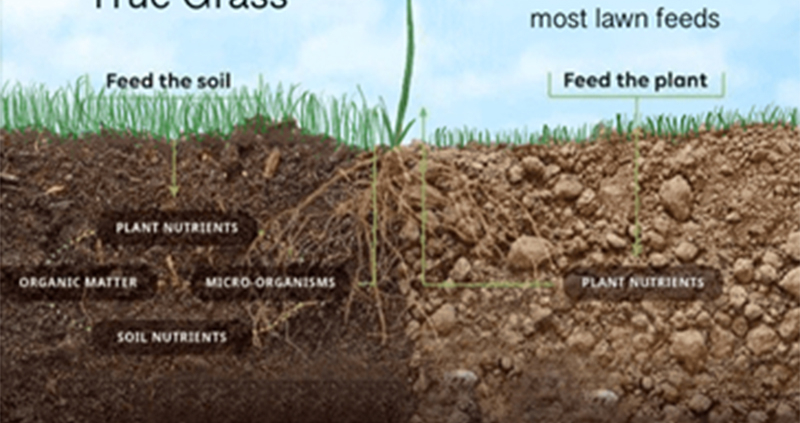
If you are scarifying your lawn this month to control thatch, then a good balanced feed afterwards is a must!  True Grass fertilizer is crafted from recycled food waste, breaking down into essential minerals and vitamins. Packed with humic, fulvic, and amino acids, along with seaweed, mycorrhiza, and an organic wetter, it’s the sustainable, organic solution that provides all the vital elements for luscious grass and healthy soil, making it the savvy choice for conscientious lawn care!

If it keeps growing, keep mowing!

Growth should be starting to slowdown so you can begin to reduce the regularity of mowing, whilst at the same time gradually increasing the cutting height.  You can aim for 2 to 5 cuts in September.  It is most important that you check that your mower blade is sharp…the job will only be as good as the tools you use!

Sustainable lawn care promotes responsible land stewardship, educating us on the importance of long-term harmony between human cultivation and the natural world. Let’s make a positive impact on our environment, one garden at a time.

Our core mission at the Lawn Association is to make accurate lawn care information readily available via our website and through our Free Membership Scheme for gardening enthusiasts.

Go to the @LawnAssociation Facebook page to join the Lawn Enthusiasts Group, and get free association membership via the website, www.lawnassociation.org.uk

For the latest industry news visit turfmatters.co.uk/news

Get all of the big headlines, pictures, opinions and videos on stories that matter to you.

Follow us on Twitter and Instagram for fun, fresh and engaging content.

You can also find us on Facebook for more of your must-see news, features, videos and pictures from Turf Matters.
Organic matter profile testing now available through Turf Rewards

Organic matter profile testing now available through Turf Rewards: European Turfgrass Laboratories organic matter profile testing has been added to Turf Rewards as a new reward for 2024. This cutting-edge service will provide invaluable insights into soil health and turf performance.

For just 20 points, Turf Rewards members can now claim organic matter profile testing through European Turfgrass Laboratories’ A2LA-Accredited laboratory.

Organic matter profile testing now available through Turf Rewards

Organic matter profile testing now available through Turf Rewards

This new reward permits the analysis of three greens at four different depths, delivering a detailed overview of the organic matter levels within your soil profile.

Optimise turf performance with detailed testing

This information is crucial for the effective management of organic matter, helping to ensure optimal soil health and turf performance.

Measuring the organic matter at 20mm segments in the greens is the only method through which organic matter can be accurately measured and subsequently managed.

These results can be used to determine how often and the best practice to de-thatch your greens.

Sample at different depths

Testing the organic matter at different depths can also help assess the areas in the profile where improvements are required.

Each core is divided into 4 increments: 0-20mm, 20-40mm, 40-60mm and 60-80mm and each increment is tested by Loss-on-Ignition using the ASTM Standard: F1647 (Method A) “Organic Matter Content of Athletic Field Rootzone Mixes”.

The reward is available to claim on both the UK and Ireland Turf Rewards schemes.

For more information visit www.turfrewards.com or www.turfrewards.ie

For the latest industry news visit turfmatters.co.uk/news

Get all of the big headlines, pictures, opinions and videos on stories that matter to you.

Follow us on Twitter and Instagram for fun, fresh and engaging content.

You can also find us on Facebook for more of your must-see news, features, videos and pictures from Turf Matters.
Suståne’s recipe for optimal organic recovery

Suståne’s recipe for optimal organic recovery: It’s all about organics on stand 170 at BTME, as Suståne Natural Fertilizers return to Harrogate.

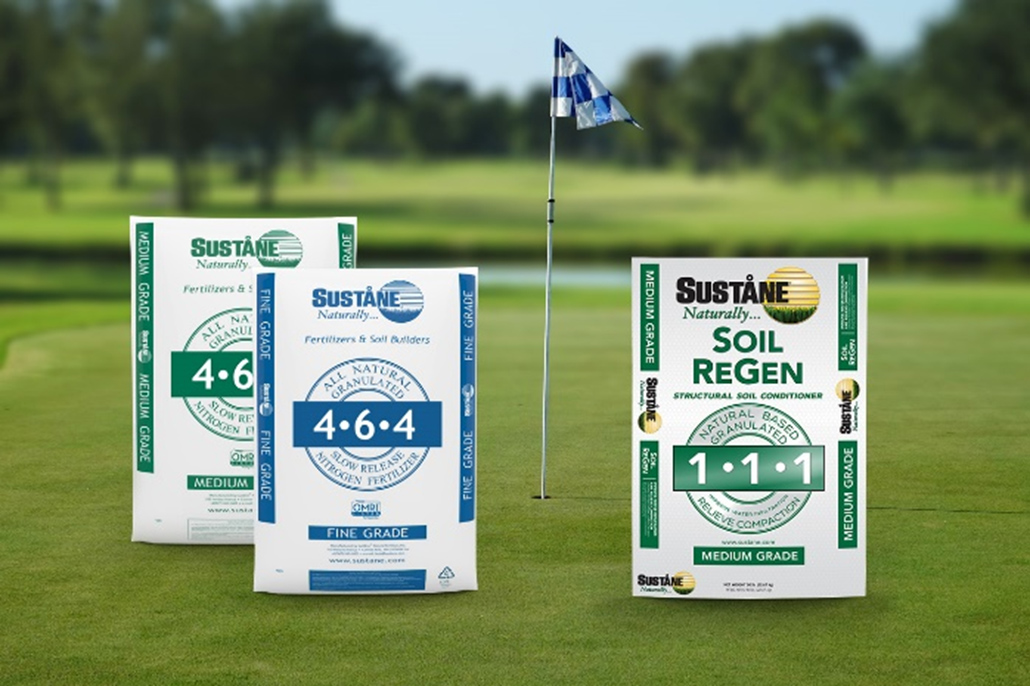
As one of the most comprehensively researched organic fertiliser ranges available in today’s market, a stop by the Suståne stand at BTME is a must for anybody looking for natural solutions to plant nutrition and soil management and this year will prove no different! The focus for 2023 will be products to help with all-important post-renovation recovery, including Suståne’s unique Soil ReGen® Structural Soil Conditioner.

Suståne's recipe for optimal organic recovery

Suståne’s recipe for optimal organic recovery

Soil ReGen® is used for amending soils on the golf course and a range of other professional and commercial lawn situations. Reducing compaction and increasing water and air infiltration rates, Soil ReGen® supplies organic-rich and biologically stable humus, humic acids, beneficial microorganisms and other organic nutrients to regenerate and rebuild disturbed or depleted soils.

Ideal for use in conjunction with spring-time renovation work, Soil ReGen® aerates the soil, improving oxygen availability and permeability of the ground – optimising conditions for germination and establishment – while providing long-lasting sources of organic plant nutrition.

Another product formulated to assist plant establishment is Suståne® 4-6-4 organic granulated slow-release nitrogen fertiliser. 4-6-4 is formulated to be gentle on plants, making it ideal for spreading with seed and applying to seedlings in both fine turf and landscape environments. This ‘complete’ blend containing slow-release nitrogen (SRN), chelated micronutrients, organic phosphorous, and humic substances designed to replenish soils with a rich supply of humus and the essential nutrients needed for long-term benefit.

Soil ReGen® and 4-6-4 are just two products in a broad portfolio of natural fertilisers and soil builders, designed to bring maximum microbial benefit and long-lasting nutrition, with minimal environmental impact. The Suståne team will be available to answer all of your technical questions, across the three days on stand 170.

For the latest industry news visit turfmatters.co.uk/news

Get all of the big headlines, pictures, opinions and videos on stories that matter to you.

Follow us on Twitter and Instagram for fun, fresh and engaging content.

You can also find us on Facebook for more of your must-see news, features, videos and pictures from Turf Matters.
ICL launches new organic based fertiliser

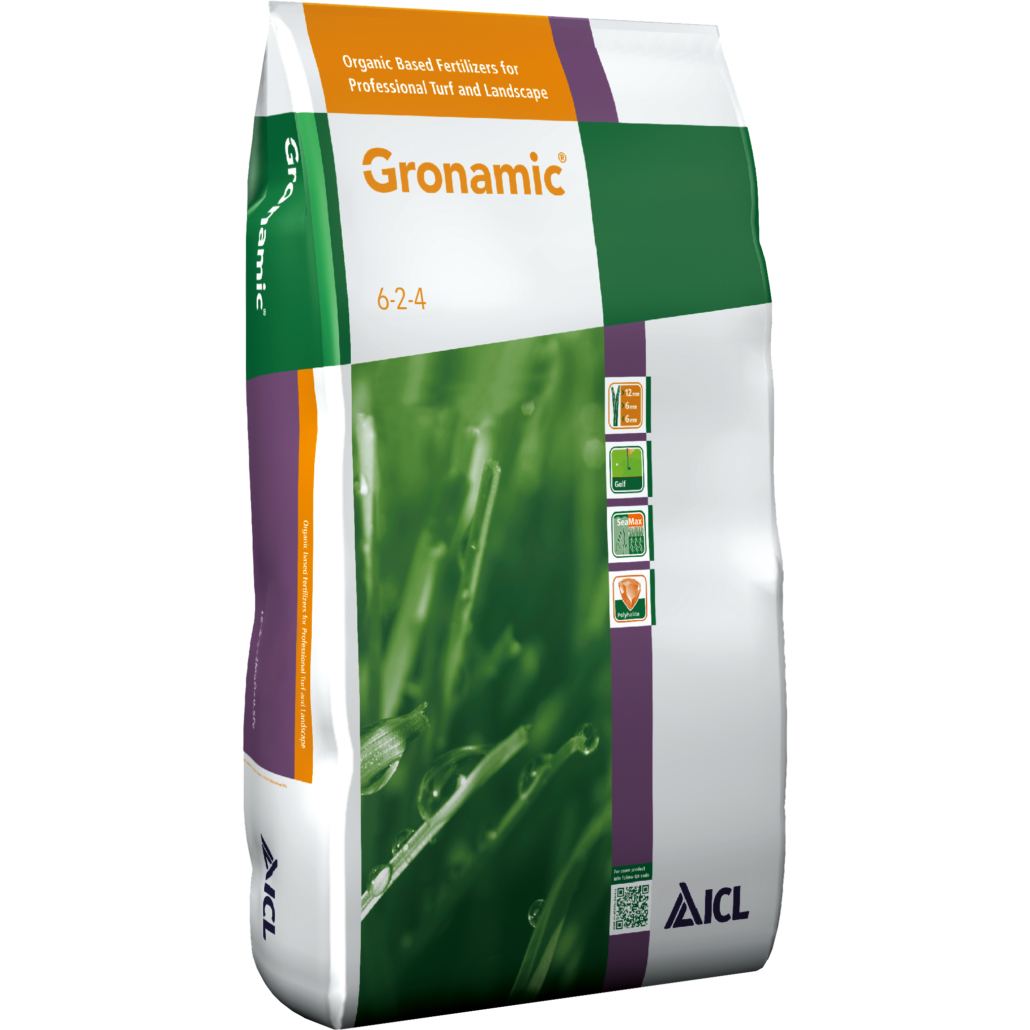
ICL launches new organic based fertiliser: ICL has announced the launch of Gronamic Golf 6-2-4, an organic based fertiliser with unique, proven and sustainable ingredients.

Gronamic Golf 6-2-4 is designed to deliver a healthy natural turf response. It combines a unique blend of mineral and plant-based organic nutrition with a proven biostimulant.

ICL launches new organic based fertiliser

ICL launches new organic based fertiliser

Gronamic Golf 6-2-4 contains ingredients that are unique to ICL in turf.

SMX, the sustainably sourced seaweed concentrate that has been shown in trials to improve turf colour, turf quality, root development and stress tolerance.

Pearl Struvite, a recycled, slow-release phosphorus, derived from the water treatment industry.

Polyhalite is exclusively mined in the UK by ICL, is a low chloride fertiliser, and being a natural product with no chemical processing makes it suitable for organic feeding programmes.

Gronamic Golf 6-2-4 is the latest product to be added to the Gronamic range and is available from ICL with immediate effect.

Please contact ICL on 01473 237100 or visit www.icl-sf.co.uk or www.icl-sf.ie if you are in Ireland.

For more news and insightful views, you can follow ICL on Twitter @ICL_Turf

For the latest industry news visit turfmatters.co.uk/news

Get all of the big headlines, pictures, opinions and videos on stories that matter to you.

Follow us on Twitter and Instagram for fun, fresh and engaging content.

You can also find us on Facebook for more of your must-see news, features, videos and pictures from Turf Matters.