
Tag Archive for: reduce

Sankt JörgenPark reduce disease and increase quality

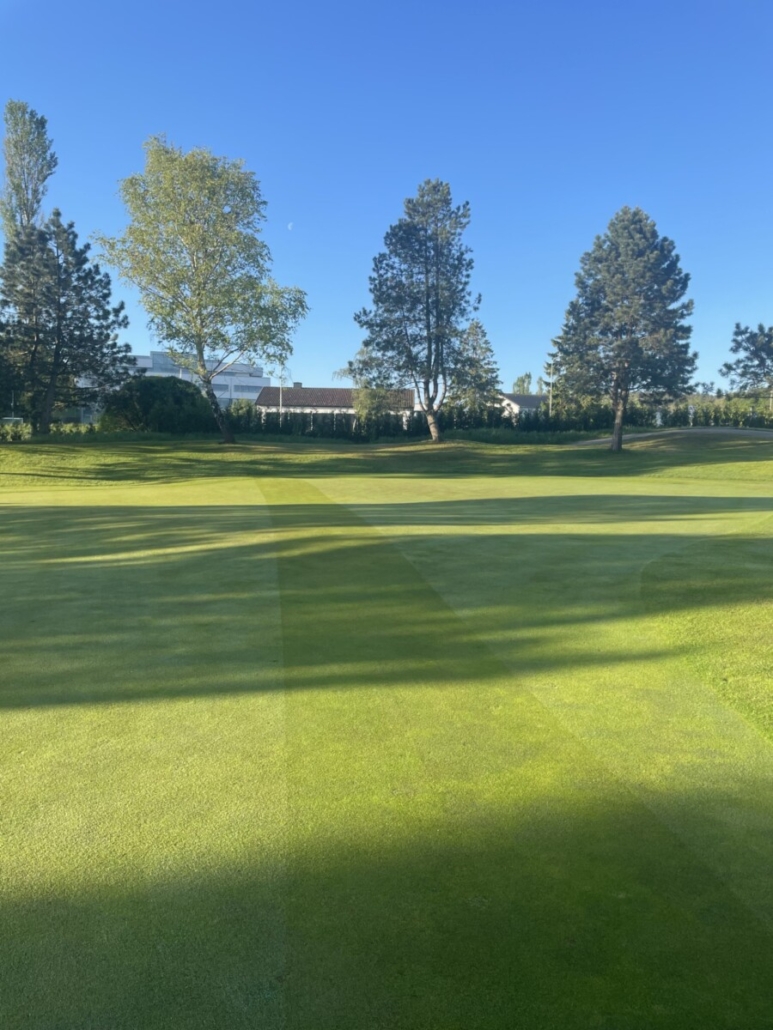
Sankt JörgenPark reduce disease and increase quality: Life is all about balance, but for the greens team at Sweden’s Sankt Jörgen Park, achieving the balance of Nitrogen in the greens profile became critical as the club battled extensive annual outbreaks of Snow Mold (Fusarium Patch).

Helping them lower the Nitrogen content without detriment to plant health or play quality is 6-2-4 Turf Revival from Suståne which, after just three years, has significantly reduced the severity of the fungal disease.
Sankt JörgenPark reduce disease and increase quality

Sankt JörgenPark reduce disease and increase quality

Part of a wider resort and business park, the unique Sankt Jörgen course blends testing parkland and classic heathland holes – all under the stewardship of Head Greenkeeper Andreas Flodman, three full time greenkeepers and a team of summer and seasonal helpers. “In recent years we started noticing that the warmer, wetter winters were contributing to issues with Snow Mold which meant that we were not in good condition going into spring” Andreas explains. “I spoke to our distributor Crophealth who identified with soil samples that we had high levels of Nitrogen in the ground over winter which is not ideal when disease pressure is high and plant growth is low.”

Crophealth suggested the club look at the more gradual nutrient release of the Naturel base Suståne range – a product Andreas used previously and was pleased to be re-introduced to. “I think previously the cost of pursuing an organic strategy was too high however, now, it’s on par with synthetic products we’ve used previously and obviously brings with it many benefits from a plant health and sustainability point of view.”

Andreas has been conducting two to four applications of Suståne 6-2-4 Turf Revival per season for the last three seasons, together with supplementary applications of Suståne 5-2-4+Fe all-purpose fertiliser for an additional boost in the early autumn when required.

Suståne Turf Revival® 6-2-4 is designed to replenish the soil with a rich supply of humus and mycorrhizal fungi, to improve the uptake of nutrients and boost overall plant health without causing a spike in growth. “It provides a reliable and consistent source of Nitrogen and other nutrients, without excess growth or creating issues with thatch and organic matter. This means our greens look healthy and play true as we’re not having to cut them as frequently to retain the same quality.” He continues, “Every winter we are seeing less disease and we hope that soon we’ll be able to get through to spring without any disease impact at all.”

The success of Suståne is not limited to it’s work on the golf course – 6-2-4 Turf Revival is also contributing to an naturel base approach at the resorts vineyard! “Crophealth have been great at helping the vineyard manager covert over to organics, this is incredibly important to them.”

For more information on Suståne 6-2-4 Turf Revival or other products from either Sustane’s professional-grade all-organic or naturel base ranges visit www.sustane.com

For the latest industry news visit turfmatters.co.uk/news

Get all of the big headlines, pictures, opinions and videos on stories that matter to you.

Follow us on Twitter and Instagram for fun, fresh and engaging content.

You can also find us on Facebook for more of your must-see news, features, videos and pictures from Turf Matters.
Reduce inputs, not quality, with Microclover

Reduce inputs, not quality, with Microclover: It’s fair to say that in many aspects of modern life we are encouraged to be mindful of the impact we have on the environment.

That’s certainly the case for most Turf Managers across the sporting spectrum, together with landscapers and those looking after green community spaces, some of whom face increasing pressure to operate more sustainably. Whether it’s for environmental reasons or a result of budget constraints, reducing fertiliser applications could be considered. With Microclover® from DLF, this can be achieved without a compromise on turf quality.

Reduce inputs, not quality, with Microclover

Reduce inputs, not quality, with Microclover

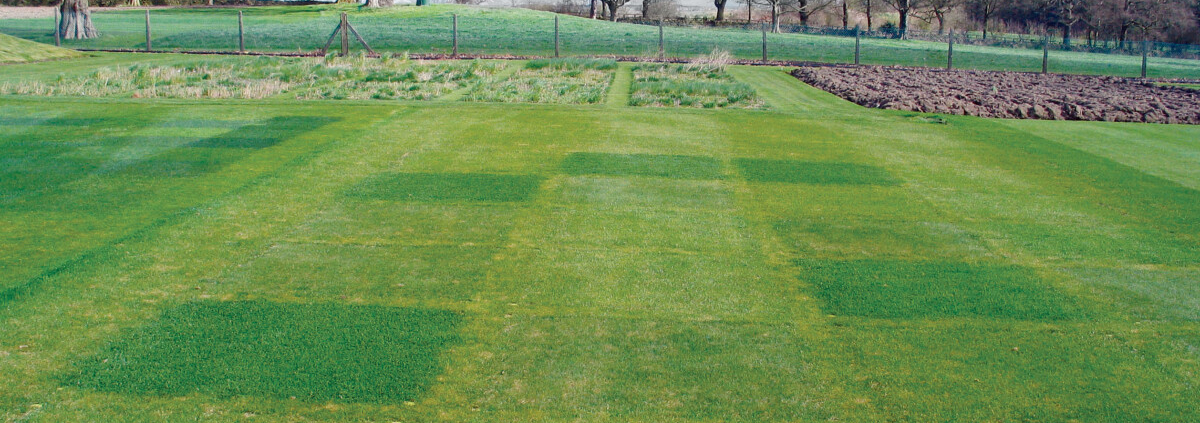
Microclover® is a legume with the natural ability to fix nitrogen from the air. To capitalise on this benefit, DLF developed a unique small leaved variety, specifically for use in professional grade lawns and surfaces. When sown alongside more traditional varieties, Microclover® will contribute to a dense, uniform appearance and a harder-wearing, more drought-tolerant sward that stays greener for longer.

Its own natural fertiliser reserves feed the Microclover® and the surrounding companion plants via root nodules that convert atmospheric nitrogen into a natural fertiliser, improving nutrient availability and reducing the risk of leeching. This process continues throughout the growing season until the first frost.

The competitiveness of Microclover® is another benefit for less intensively managed areas, quickly filling gaps to lock out weeds and reduce the need for herbicides.

Microclover® is incorporated into the PM26 and PM27 mixtures from DLF’s Masterline collection, these two formulations specifically developed to reduce input costs and be kinder to the environment by eliminating the need for excessive fertiliser, water and herbicides. Incorporating 5% Microclover®, both PM26 Ecosward and PM27 Ecosward Plus offer low-maintenance yet tolerant and visually attractive swards, ideal for landscape applications.

Self-sustaining Microclover® is just one of a number of sustainable seed developments borne from DLF’s global research and breeding programmes, seeking to meet the needs of today and those of the future. More information can be found by visiting www.dlf.co.uk

For the latest industry news visit turfmatters.co.uk/news

Get all of the big headlines, pictures, opinions and videos on stories that matter to you.

Follow us on Twitter and Instagram for fun, fresh and engaging content.

You can also find us on Facebook for more of your must-see news, features, videos and pictures from Turf Matters.
Green-tech help to reduce the risk of flooding in Leeds City

Green-tech help to reduce the risk of flooding in Leeds City: Leeds City Council is working with the Environment Agency on their Flood Alleviation Scheme Phase 2 (FAS2) to reduce the risk of flooding of a 14km stretch between Leeds Train Station and Apperley Bridge.

The project is designed to protect 1,048 homes and 474 businesses through a combination of traditional engineering methods and natural flood management. Due for completion in Spring 2024, it is expected that the flood risk will be reduced to a 0.5% probability of occurring in any given year (a 1-in-200-year level of flood protection).

Green-tech help to reduce the risk of flooding in Leeds City

Green-tech help to reduce the risk of flooding in Leeds City

BAM Nuttall is a construction and civil engineering company that delivers key pieces of infrastructure across the UK, from railways to wind farms. They use digital engineering and a net zero carbon approach, placing sustainability at their core.

Part of the scheme included work on the bank of the river Aire upstream of Kirkstall Bridge using an earth embankment or steel sheet piled flood walls in some areas. The embankment will tie into flood walls, that will extend up to the existing Kirkstall Bridge. This section of railway line connects Leeds with Shipley and Bradford and has flooded several times in the past, and currently remains at risk.

Alongside the embankment and flood walls, 2.4 hectares of landscape and ecological enhancements are being implemented in Kirkstall Meadows. This work includes the creation of wetland scrapes and various interventions to support local wildlife.

The project was subject to planning conditions that required reinstatement or protection of vegetated features along the riverbank where the construction of hard flood defences would otherwise have compromised the permanent river-side ecology.

Sub-agent Jim Mitchell, comments, “Green-tech was chosen as the products they offered were designed exactly for this purpose. They were able to supply products that complied with the project specification and offered expert advice on alternative solutions that improved buildability and function’.

For this part of the project, Green-tech supplied 45 pre-established Coir Edge Sods which comprise 5 different aquatic plant species mixes. This unique system incorporates pre-established vegetation within the face of stone-filled gabions which is an integral part of the erosion control solution for a water’s edge, even where the projects require hard engineering solutions. This innovative, green erosion control system helps when the stability of engineering with gabions is combined with the benefits of immediate vegetation to provide rapid environmental and ecological regeneration.

20 gt Coir Log Rolls were supplied. These are cost-effective and an excellent technique for establishing marginal vegetation around lake edges, streams, and river banks. Compressed coir fibre encased in woven polyethylene or coir netting, gt Coir Log Rolls can be supplied pre-established with UK native species or unplanted.

These were accompanied by 20 gt Rock Rolls – designed to help reduce and prevent long-term erosion and allow for the ground to stay stabilised. Commonly used around watercourse shorelines, high-flow riverbanks, and streams, gt Rock Rolls are UV-stabilised polypropylene mesh filled with gabion stones. They are ideal for creating a solid foundation for installing pre-vegetated coir products – the roots of the emergent plants grow into the voids of the rock rolls, giving long-term erosion control and bank support. Gt Rock Rolls installed below coir units can also be used to support a filter fabric or biodegradable matting.

For the latest industry news visit turfmatters.co.uk/news

Get all of the big headlines, pictures, opinions and videos on stories that matter to you.

Follow us on Twitter and Instagram for fun, fresh and engaging content.

You can also find us on Facebook for more of your must-see news, features, videos and pictures from Turf Matters.

Reduce your environmental impact with Aspen Fuel

Reduce your environmental impact with Aspen Fuel: It is perhaps no surprise that recent research into the environmental and health impacts of petrol-powered hand tools has highlighted some worrying statistics around emissions and the knock-on negative effects on public health.

However, making additional capital investment or disposing of serviceable equipment can be avoided with the simple switch to Aspen Alkylate Petrol – significantly reducing the impact on the environment and eliminating exposure to hazardous hydrocarbons.

Reduce your environmental impact with Aspen Fuel

Reduce your environmental impact with Aspen Fuel

Amongst the research recently published in the national media, it stated that a leaf-blower can emit up to 11 times more carbon monoxide than a Ford Fiesta and that two-thirds of those surveyed reported health issues, such as breathing problems, during operation. However, solving the problem may be limited by a number of factors, not least by the resources required for the sometimes lengthy and complex procurement process.

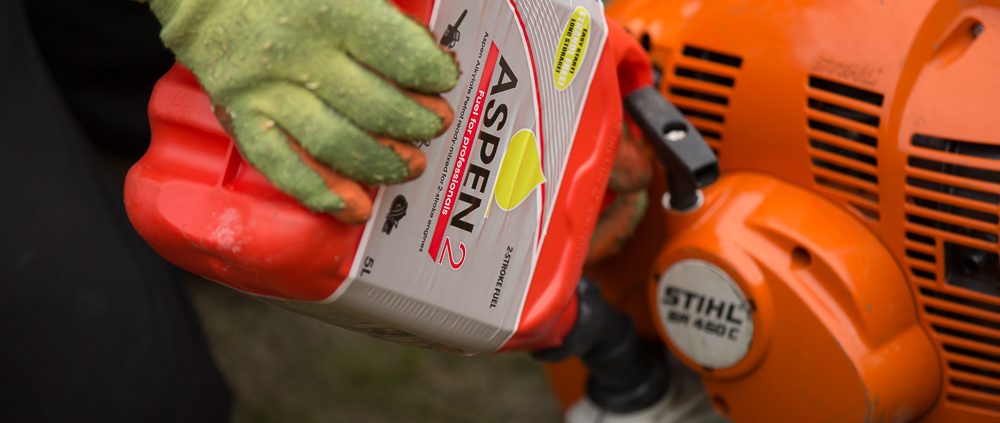
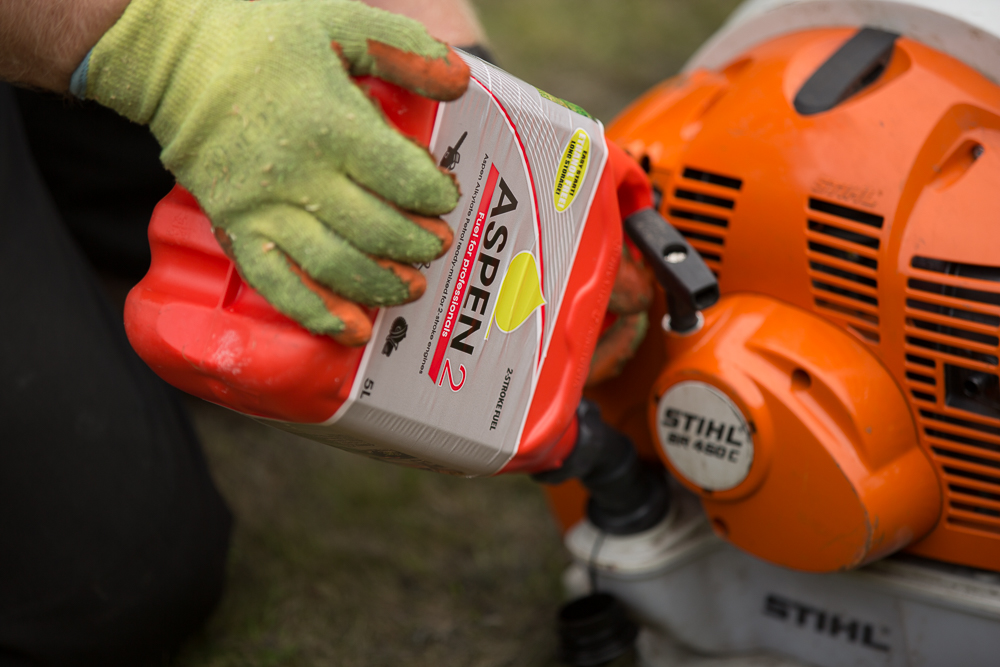
Operators looking for a cleaner alternative could consider fuelling their petrol-powered tools with Aspen – an alkylate petrol which is ethanol-free and virtually free from Sulphur, Benzene and many other harmful substances. In contrast to the pollutants emitted by pump-petrol, with Aspen, you can mow for 100 hours before reaching the same level of toxic benzene emissions emitted in one hour of mowing with regular petrol.

Switching to Aspen is easy, and while it cannot reverse damage caused by regular petrol, it will have a cleaning effect on the internal parts – particularly removing soot build-up in the exhaust port. No modifications are required to covert a machine to run on Aspen, only to avoid diluting the benefits, operators are advised to wait until the fuel tank is as empty as possible before switching. For older equipment, switching after a service where any susceptible parts should be replaced, is ideal.

Director of Weedfree Landscapes Tim Bower switched to Aspen 2 for all of their 2-stroke equipment. “Straight away we noticed the reduction in noxious fumes. For the operator this brings fantastic health benefits, especially during prolonged periods of exposure, but it also makes for a cleaner working environment which is desirable when we’re working in public spaces such as schools for example.”

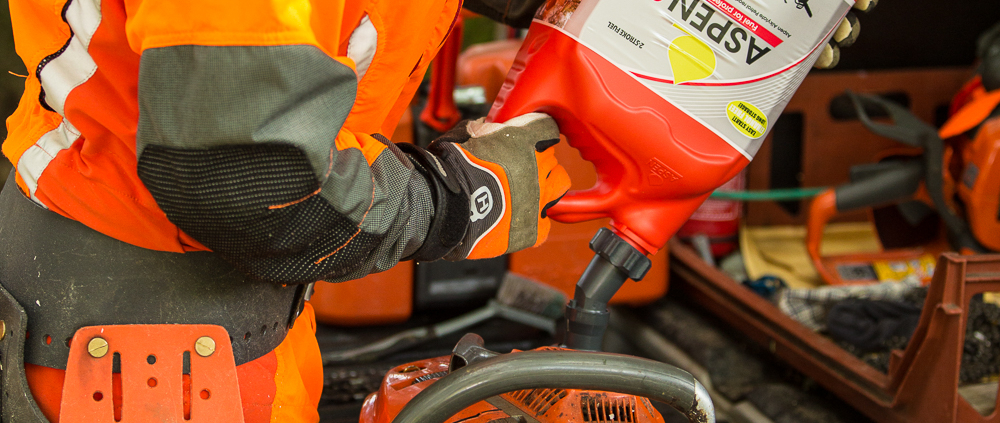
Aspen is available pre-mixed for 2-stroke and 4-stroke engines and, along with improving reliability and prolonging the performance of engine components, the cleaner burn improves the working conditions for the operator and significantly reduces the harmful impact your machinery makes on the environment. Because of this, and in particular the benefits it can bring to those working in confined spaces, Aspen is a popular choice for tree surgeons, local authorities and green space managers looking for an alternative, greener power source.

For the latest industry news visit turfmatters.co.uk/news

Get all of the big headlines, pictures, opinions and videos on stories that matter to you.

Follow us on Twitter and Instagram for fun, fresh and engaging content.

You can also find us on Facebook for more of your must-see news, features, videos and pictures from Turf Matters.

Reduce the effects of exhaust emissions

Reduce the effects of exhaust emissions: You may think that if you’re operating petrol-powered equipment, particularly in poorly ventilated spaces, that exposure to harmful hydrocarbons is largely unavoidable.

Benzene is just one of the many hydrocarbons found in conventional pump fuel and exhaust emissions, often considered the substance most dangerous to human health. However, there is an alternative in the form of Aspen Alkylate petrol – switching to which can reduce benzene emissions by up to 108 times!

Reduce the effects of exhaust emissions

Reduce the effects of exhaust emissions

The Control of Substances Hazardous to Health Regulations 2002 (COSHH) regulations advise against benzene exposure completely, but where this cannot be reasonably achieved, there are steps that can be taken to adequately control exposure as far as is reasonably practicable – and certainly below the workplace exposure limit (WEL) assigned for benzene of part per million (ppm) of air averaged over an 8-hour period. One way of doing this could be switching from traditional pump fuel to Aspen.

An Alkylate petrol, Aspen is made using only the cleanest Alkylate components that occur when oil is refined. This process involves combining excess gases from the distillation of crude oil and from the cracking plant, resulting in a liquid alkylate. Once some additional components are mixed in, the result is a finished fuel which is significantly purer than traditional petrol, with content of harmful aromatic hydrocarbons such as benzene and polyaromatics (PAH) close to zero.

Being virtually free from benzene, as well as sulphur and many other harmful substances, using Aspen Alkylate petrol improves the health and performance of your equipment, the working conditions for the operator and significantly reduces the harmful impact your machinery makes on the environment. Aspen is also ethanol-free, which improves reliability, maintains engine performance and preserves the life of component parts which can be susceptible to failure when running on conventional pump fuel, especially if it has been left for any extended period of time in storage.

Aspen is available in a range of unit sizes (5L, 25L, 60L and 200L) and in both pre-mixed 2-stroke and 4-stroke varieties.

For the latest industry news visit turfmatters.co.uk/news

Get all of the big headlines, pictures, opinions and videos on stories that matter to you.

Follow us on Twitter and Instagram for fun, fresh and engaging content.

You can also find us on Facebook for more of your must-see news, features, videos and pictures from Turf Matters.