Tag Archive for: Results

Laser Sharp Results with Redexim

Laser Sharp Results with Redexim: When James Camfield, Managing Director of Golf Course Management Services Limited, saw a gap in the market for specialist tee levelling, he turned to Redexim. The result? Flawlessly levelled playing surfaces that are transforming golf clubs across the country.

Founded in 2021, James’ Hertfordshire-based business provides flexible greenkeeping support, offering everything from drainage and irrigation installation to fine turf consultancy and hands-on site work. “We’re a bit of a collective,” he says. “We work with some of the best people in the industry – from landscapers and lawn care specialists to woodland managers. Together we can offer everything from technical advice to full project delivery.”

Laser Sharp Results with Redexim

Laser Sharp Results with Redexim

One of James’ most recent projects took place at Moor Park Golf Club, where he worked with Course Manager Gavin Kinsella to rebuild two small, uneven tees.

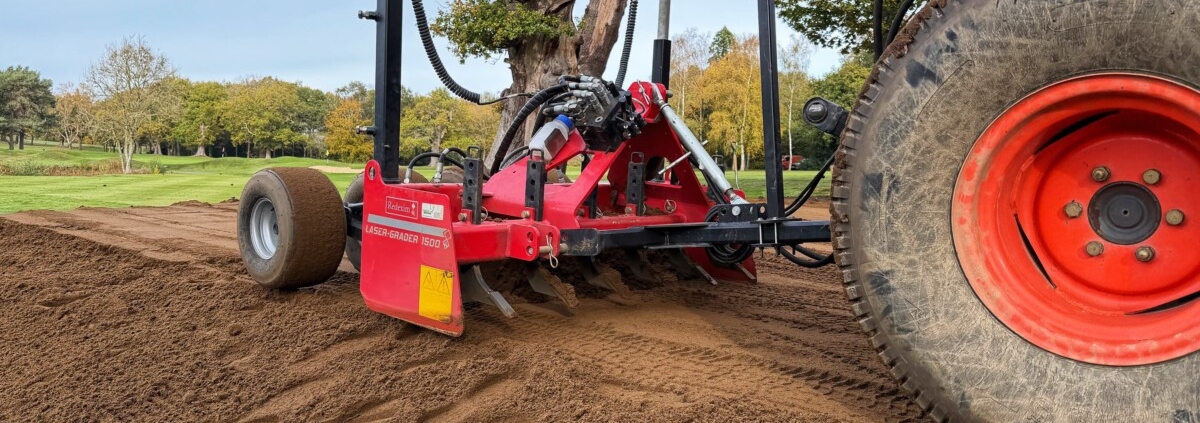
“The existing tees were small, uneven, and weak,” says James. “We enlarged them by around 150%, installed drainage on five-metre spacings, added irrigation, and then imported 150mm of rootzone material. The Redexim Laser Grader 1500 allowed us to achieve the perfect final levels – accurate to within a millimetre.”

With its 1.5m working width and laser-controlled levelling system, the Laser Grader 1500 makes short work of precision tasks like these. The grader automatically adjusts the blade via its hydraulic control system, following the programmed gradient set by the operator.

“Once it’s set up, it’s incredibly straightforward to use,” James explains. “You set the grade you want, programme the laser transmitter, and the grader does the rest. The precision is incredible – the surface almost feels like a billiard table.”

The Laser Grader 1500 is built around a heavy-duty steel frame, ensuring durability even on demanding projects. Despite its robust construction, it remains compact and easy to handle, helping to reduce soil compaction while providing a consistently smooth finish.

“We did a lot of research before buying,” says James. “The power-to-weight ratio was a big factor – it’s tractor-driven and hydraulically powered, which makes it efficient but also really controllable. It gives us total confidence that we can create the exact surface we want, every single time.”

James and his team are now using the grader across a wide range of fine turf sites, from Kent up to Leicestershire and Oxfordshire. The investment has quickly paid off, with demand growing through word of mouth.

“It’s not the kind of kit a golf club would buy for one-off use, but that’s exactly where we come in,” James adds. “We can offer an affordable, high-quality tee levelling service using top-end equipment. For us, with very high expectations of how we want to leave a surface for a client, the Redexim Laser Grader gives us the confidence to know that we can create the levels that are required. It’s so precise, sometimes we have to just take a step back and admire it!”

Throughout the purchase process, James worked closely with Paul Thomas from Redexim, whose support helped ensure he chose the right model for his needs.

“Paul was brilliant — he couldn’t have done more to help,” says James. “He talked me through the options and guided me towards the perfect version for what we do. Redexim has built a reputation on quality machinery, and I can’t recommend them highly enough for both the equipment and the aftersales support.”

With the Laser Grader 1500 now an integral part of his operation, James says it’s hard to imagine working without it.

“When I think of Redexim, I think of quality,” he concludes. “The grader has become our go-to bit of kit. If we expand into other areas and Redexim has the right machinery, it’ll be a no-brainer for us to stick with them.”

View the video of the Redexim Laser Grader in action at Moor Park Golf Club with Golf Management Services here.

For more information, visit https://www.redexim.com/uk/

For the latest industry news visit turfmatters.co.uk/news

Get all of the big headlines, pictures, opinions and videos on stories that matter to you.

Follow us on Twitter and Instagram for fun, fresh and engaging content.

You can also find us on Facebook for more of your must-see news, features, videos and pictures from Turf Matters.
Top Results at Woolley Park Thanks to the Redexim

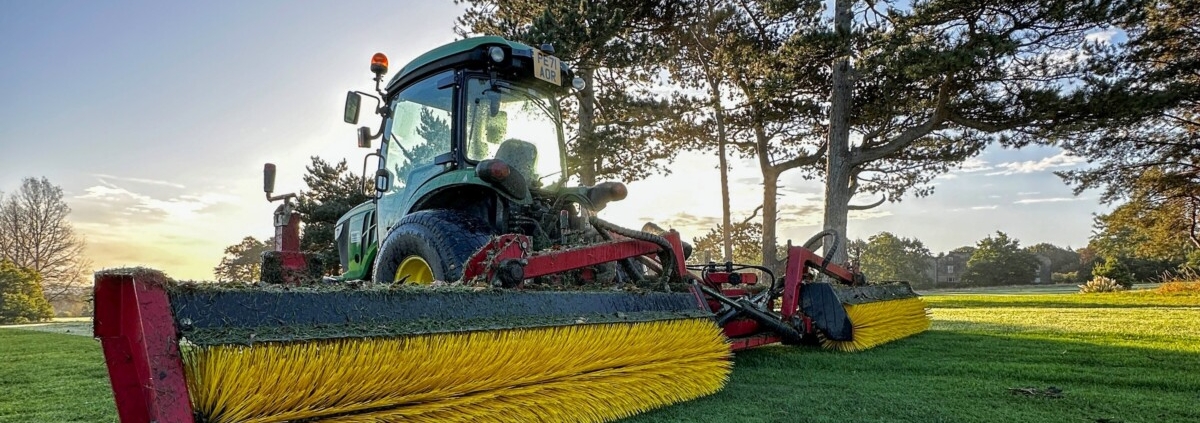
Top Results at Woolley Park Thanks to the Redexim: Woolley Park Golf Club in Wakefield has long been a family-run facility built on pride, passion, and constant improvement – and Course Manager John Rowbottom believes one piece of machinery has raised their maintenance standards more than most: the Redexim Top Brush 6000.

Introduced in 2020 as a solution for everything from disease control and surface preening to pre-cut preparation and top-dressing integration, the Top Brush 6000 has since become a fixture at forward-thinking turf facilities around the world. And since investing in one of the first units in 2022, Woolley Park Golf Club has never looked back.

Top Results at Woolley Park Thanks to the Redexim

Top Results at Woolley Park Thanks to the Redexim

“We jumped in with both feet,” says John. I’d seen it advertised when it got launched and thought, that’s a piece of equipment I need to look at. We’d just come out the other side of losing chemical control for worms, which I appreciate is the right way to go – but it was a big problem for us, and Redexim solved it better than anyone.”

Initially purchased to tackle the frustrating and unsightly problem of worm casts on fairways, the Top Brush quickly proved itself a versatile, season-round asset.

“I was thinking purely autumn and spring use pre-mowing to clear worm casts, reduce mess and prevent damage to machinery,” he explains. “But it’s turned out to be far more than that. The level of presentation we now get on a day-to-day basis is unreal. It’s not just helping with the problem – it’s improving how the course looks.”

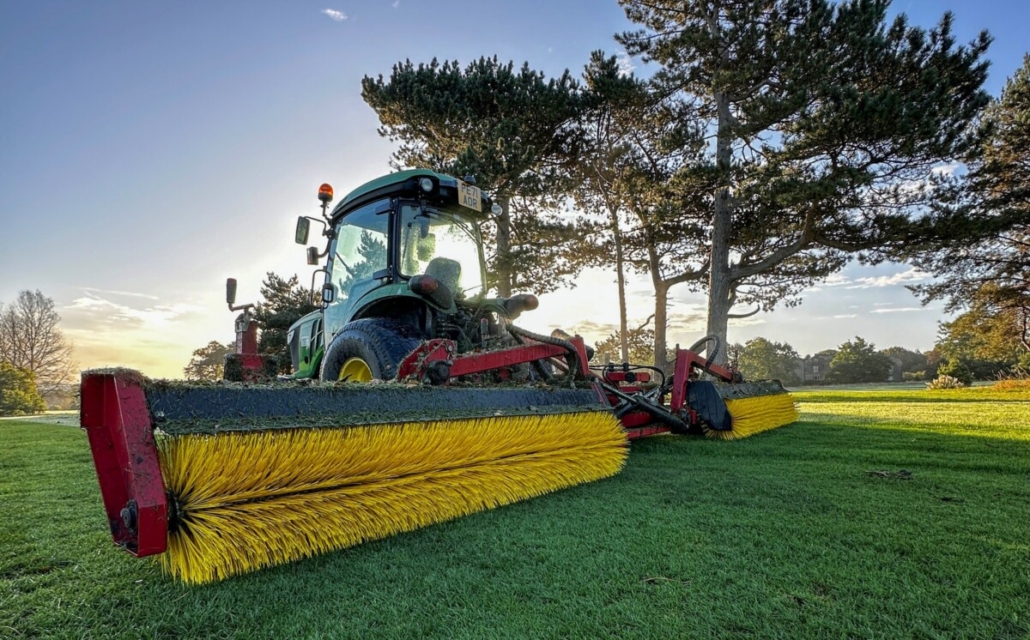
With its three independently adjustable poly brush units and a 6-metre working width, the Top Brush 6000 can quickly and evenly sweep large areas, removing moisture, worm casts, surface debris and more. The result? A clean, healthy sward with improved airflow and reduced disease pressure.

“We’re running it on the fairways at least two out of the three times a week we cut them. It stands the grass up beautifully before mowing, helps us remove moisture, and just lifts the overall finish of the course.”

The Top Brush 6000 is designed for turf managers who need performance without compromise. The hydraulic brushes can be rotated in either direction, meaning operators can choose whether to brush with or against the direction of travel – ideal for tasks like leaf clearance or removing pine needles in tree-lined areas.

At Woolley Park, where 27 holes are spread across historic deer parkland, this flexibility has been key.

“We’ve even run it across tees where possible, although it’s mainly the fairways where it shines,” John says. “It’s really helped increase sward density through gentle brushing, and it even improves recovery after top dressing.”

Despite its size, the Top Brush 6000 was built with usability in mind. Its folding wings allow for compact storage, while easy adjustments and intuitive controls mean any team member can use it with confidence.

“When we brought it in, I got the lads a new tractor to run it with. Now, it’s just part of the routine – any of the team can jump on it and go. It’s simple in its operation, and that’s one of the best things about it.”

The Rowbottom family has deep roots in both agriculture and golf. The club was founded in 1995 after John’s grandfather decided to diversify from farming – despite never having played a round of golf in his life.

“We’ve been farming here since 1922. In the mid-90s, Granddad just plucked the idea of a golf course out of thin air. None of us played, but farming wasn’t in a great place, and diversification was being encouraged so he went for it. It was a huge leap, but it worked.”

Today, John runs the greenkeeping operation, while other family members help manage the business. The club continues to invest heavily in its machinery and course infrastructure, working closely with suppliers like Redexim.

“We’ve had Redexim kit on site in some form or another for years. But the Top Brush 6000 has probably stood out more than anything we’ve had before. It solves multiple problems in one go, and you can’t argue with results like that.”

Whether it’s the improved presentation, increased machine longevity, or the ability to tackle worm casts without chemicals, the Redexim Top Brush 6000 has become an invaluable part of Woolley Park’s turf care toolkit.

“It’s one of those machines where you look back and think, how did we manage without this? It’s paid for itself in time, results, and in how it protects the rest of our machinery. It’s helped us push the golf course forward and that’s what it’s all about.”

For more information, visit https://www.redexim.com/uk/ 

For the latest industry news visit turfmatters.co.uk/news

Get all of the big headlines, pictures, opinions and videos on stories that matter to you.

Follow us on Twitter and Instagram for fun, fresh and engaging content.

You can also find us on Facebook for more of your must-see news, features, videos and pictures from Turf Matters.
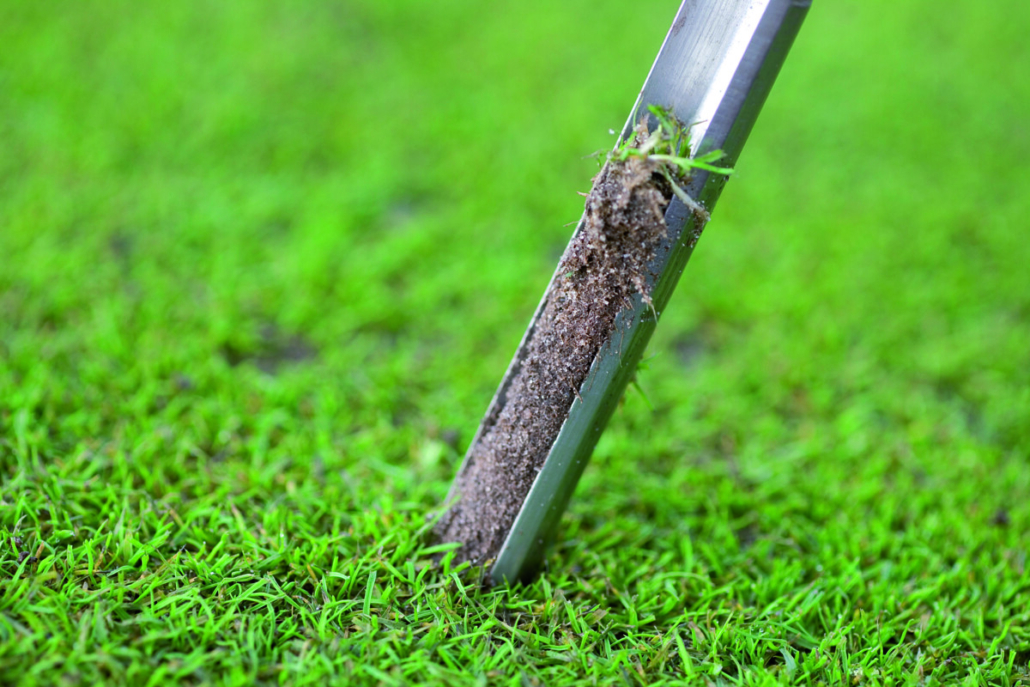
Do soil analysis results determine your fertiliser plan?

Do soil analysis results determine your fertiliser plan?: Dr Andy Owen, ICL International Technical Manager, on the science of soil testing versus the reality of turf nutrition.

For many turf professionals, soil analysis is the starting point for creating a fertiliser programme.

Do soil analysis results determine your fertiliser plan?

Do soil analysis results determine your fertiliser plan?

The process is familiar: take a soil sample, send it for analysis, and use the results to shape nutrient applications. It’s a logical approach, after all, soil tests provide valuable data on pH, nutrient levels, and soil composition.

But is that enough?

While soil analysis is an important tool, it doesn’t tell the full story of turf nutrition. Grass species, climate, and maintenance practices all influence nutrient availability, and a soil test alone won’t account for these real world factors. Understanding when and how to use soil analysis effectively is key to making smarter fertiliser decisions.

What Soil Analysis Tells You – And What It Doesn’t

A soil test provides a snapshot of the chemical composition beneath the turf, typically measuring:

  • pH levels – Extremes can impact nutrient availability.
  • Cation exchange capacity (CEC) – Indicates the soil’s ability to retain nutrients.
  • Salinity – Helps detect potential stressors.
  • Macronutrients (N, P, K) and Micronutrients – Highlights potential deficiencies or excesses.
  • Organic matter content – Affects microbial activity and soil health.

These insights help identify imbalances, but they don’t necessarily show what’s available to the plant.

Turf nutrition is more than just soil chemistry, it depends on how nutrients interact with the root system, climate, and ongoing maintenance practices.

For example:

  • A soil test might show acceptable phosphorus levels, yet if the turf exhibits deficiency symptoms, poor root uptake (not a lack of phosphorus) could be the real issue.
  • Nitrogen recommendations should be based on plant demand, not soil tests, since nitrogen is highly mobile and influenced by temperature and growth cycles.
  • Soil pH is a critical factor, correcting pH imbalances can improve nutrient availability more effectively than applying additional fertiliser, but this is not simple for all soils

So, while soil analysis provides a useful benchmark, fertiliser decisions should go beyond the numbers.

What Does the Research Say?

Agronomists and researchers agree that soil testing is most valuable when used as part of a long-term strategy rather than as a standalone guide. Studies and field experience highlight key considerations:

  • Soil analysis is most useful for tracking trends over time – One-off tests can be misleading, so repeated testing is essential for accuracy.
  • Visual assessments matter just as much as data – Turf colour, growth rate, and stress indicators provide real-time feedback on nutrient status.
  • Fertilisation should be responsive, not prescriptive – Climate conditions, aeration, and root development all affect nutrient uptake, making a flexible approach more effective.

By combining scientific analysis with practical field observations, greenkeepers can make fertiliser decisions that reflect real-world turf performance, not just lab results.

Why Do People Rely So Heavily on Soil Analysis?

The idea that soil testing directly dictates fertiliser programmes has been reinforced by a few common factors:

  • Industry Tradition – Many turf professionals are taught that soil testing is the first and most important step in fertiliser planning.
  • Simplicity – A lab report provides clear numbers, making it seem like a definitive guide to nutrient applications.
  • Supplier Influence – Some fertiliser recommendations are based on soil test results interpreted by suppliers, sometimes leading to unnecessary or imbalanced applications.

While soil testing should inform fertiliser decisions, it shouldn’t dictate them in isolation. A more dynamic, responsive approach leads to better long-term turf health.

How to Build a Smarter Fertiliser Plan

Instead of basing fertiliser applications purely on lab results, a more effective strategy considers both science and on-the-ground observations:

  • Observe turf performance – Regularly assess turf colour, growth, and stress response to identify nutrient needs.
  • Factor in environmental conditions – Climate, rainfall, and soil drainage affect nutrient availability as much as soil chemistry.
  • Use soil analysis for long-term monitoring – Track trends over time rather than making reactive decisions based on a single test.
  • Match fertiliser inputs to grass species – Different turf types have unique nutritional demands that go beyond what’s in the soil.
  • Balance fertilisation with maintenance – Aeration, irrigation, and organic matter management all influence how well nutrients are absorbed.

This approach ensures that fertiliser inputs are aligned with real turf needs, rather than simply following numbers from a report.

Balancing Science with Practical Turf Management

Soil analysis is a valuable tool, but it’s not the whole story. Fertiliser planning requires a mix of scientific data, turf observations, and agronomic expertise to make informed decisions.

Rather than treating soil test results as a prescription, they should be seen as one piece of a larger strategy, working alongside field knowledge, environmental conditions, and real world turf performance.

At ICL, we believe in evidence based fertiliser planning, using soil data as part of a bigger picture, not the sole deciding factor. By taking a balanced approach, turf professionals can achieve long-term health and resilience, not just short-term corrections.

Toro irrigation delivers immediate results

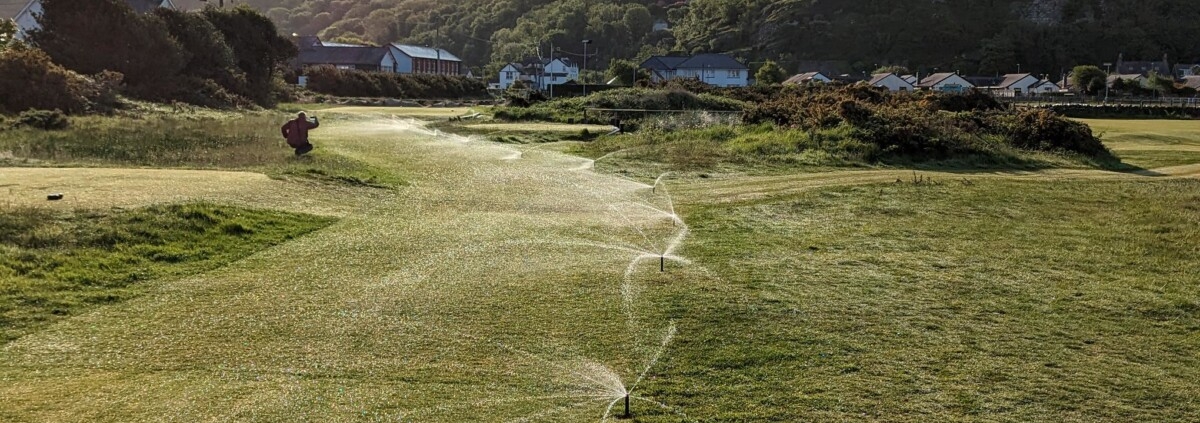
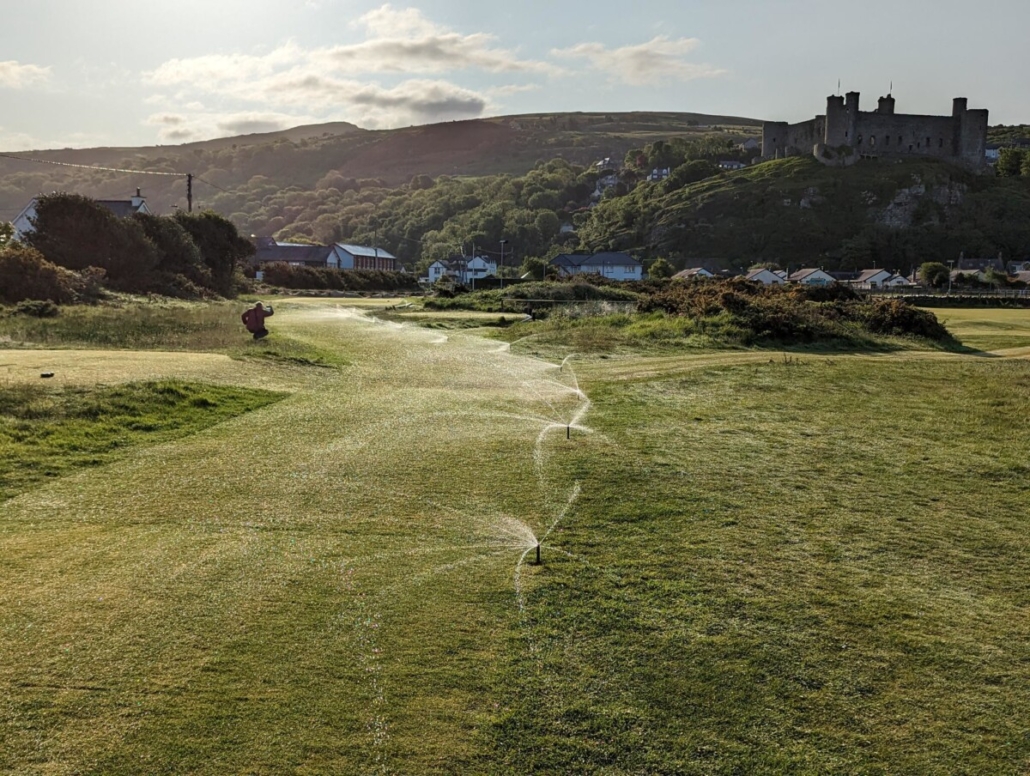
Toro irrigation delivers immediate results: The new Toro irrigation system at Royal St David’s has brought almost immediate changes and noticeable results to the traditional links course on the west coast of North Wales.

The project involving Toro, Reesink Hydro-Scapes, Adrian Mortram Associates and Green Irrigation has increased membership, income and ranking for the club.

Toro irrigation delivers immediate results

Toro irrigation delivers immediate results

Links Manager Rhys Butler says: “The goal was to irrigate just the right amount to keep the grass alive, we wanted to promote the fast-running links game, without overwatering and having soft surfaces.

“We suffered a series of dry springs and droughts, and the fairways especially were struggling for recovery. We needed a system that could give us control of the moisture on all areas to keep good grass coverage and consistency of playing surfaces even in times of drought.”

With an incredible 46 years of service from the club’s previous Toro system, Rhys was impressed with Toro’s performance and longevity and how it had met the course’s needs. He was also impressed with the service from Reesink Hydro-Scapes, which meant he didn’t look anywhere else when the time came to proceed with the full upgrade.

The project commenced in the spring of 2022 and completed in early November of the same year. All new mains and controls were required as was full fairway irrigation for the first time. The club chose the Flex series of sprinklers on greens and fairways, T5 Rapidsets sprinklers on all tee surfaces and 590GF sprinklers for newly installed walkways and the entire system is controlled using Toro’s Lynx Control System with LSM technology.

Robert Jackson, Division Manager for Reesink Hydro-Scapes, explains how the system has provided Rhys and his team with to-the-second runtime accuracy across all newly installed stations via either the central controller or remotely using Toro’s smart app.

He says, “Using the app in the field gave a level of flexibility and control to be able to water dry spots, water in wetting agents and be minimalistic with water application as is natural for a links course. Water is now used wisely, as and when it is needed.”

At conception of the installation the grass was visibly starting to strain and as each hole was turned on the difference was almost immediately noticeable to members thanks to the new irrigation system accuracy and targeted watering.

The result is healthy turfgrasses and maximised efficiency of resources, to which Rhys adds: “The project was a resounding success and has transformed Royal St David’s Golf Club: membership has increased, visitor income has doubled, and our rankings have improved. This is because the irrigation system has given us moisture control on the golf course to produce great playing surfaces.”

Further details on the project can be found at reesink-hydroscapes.co.uk.

For the latest industry news visit turfmatters.co.uk/news

Get all of the big headlines, pictures, opinions and videos on stories that matter to you.

Follow us on Twitter and Instagram for fun, fresh and engaging content.

You can also find us on Facebook for more of your must-see news, features, videos and pictures from Turf Matters.

DSV’s PRO Bent Delivers Exceptional Results at Millbrook Golf Club

DSV’s PRO Bent Delivers Exceptional Results at Millbrook Golf Club: Millbrook Golf Club’s greens are thriving thanks to the use of DSV’s PRO Bent grass seed, which has aligned perfectly with the greenkeeping team’s ethos of continuous improvement.

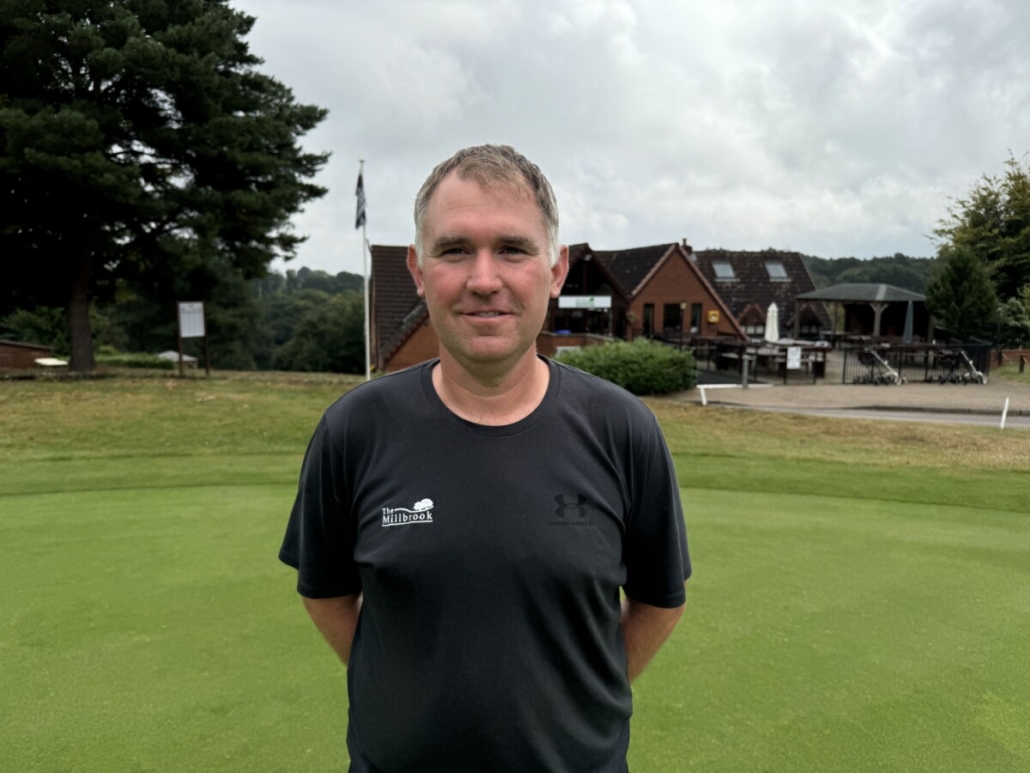
Chris Jones, Deputy Head Greenkeeper at Millbrook, reflects on the transformation since incorporating the PRO Bent seed, working closely with Craig Rodwell from Soil Biology Ltd – a DSV distributor, to ensure the best results for the course.

DSV's PRO Bent Delivers Exceptional Results at Millbrook Golf Club

DSV’s PRO Bent Delivers Exceptional Results at Millbrook Golf Club

Located in the scenic Bedfordshire countryside, Millbrook Golf Club is a course rich in history and renowned for its beautifully maintained greens. The club, nestled between the village of Millbrook and Woburn Forest, boasts year-round playability due to its elevated position on the Greensand Ridge and its free-draining sandy soil. The course is a mix of heathland and links-style features, with indigenous pine and silver birch lining many of the holes, creating a challenging yet enjoyable environment for golfers.

Chris Jones has been with the club for 18 years and shares a deep connection with it. “The majority of the people who work here tend to stay here. We’re always trying to improve and push the course forward. The course is unrecognisable from what it was when I started; literally, every hole has had some improvement, whether it’s the putting surface, bunkers, or new tees. We’re not just maintaining – we’re here to improve and push it further and further,” he said.

When their previous seed supplier underwent changes, Chris and the team began looking for alternatives. It was then that Craig Rodwell, a consultant from Soil Biology Ltd, introduced them to a range of nutritional products and DSV’s PRO Bent grass seed. From the start, the results were impressive. “By the end of the summer, we noticed remarkable improvements in the greens, including better root systems, healthier plants, and a reduction in thatch. We even went through the winter virtually disease-free,” Chris explained.

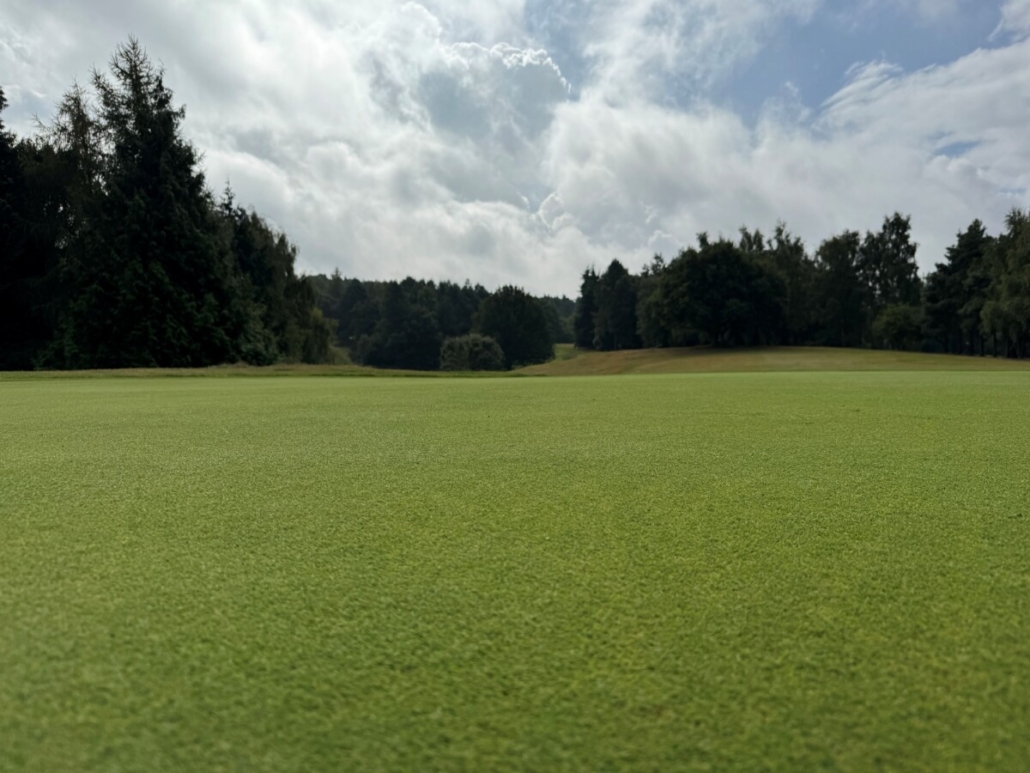
PRO Bent is part of DSV’s EuroGrass range, a collection of high-performing seed mixtures developed to meet the specific needs of golf courses and sports pitches. PRO Bent, made up of 100% Browntop bentgrass, is particularly suited for summer and autumn overseeding, as well as species exchange operations. It offers excellent density, drought tolerance, and is ideal for close mowing—making it perfect for maintaining high-quality greens.

Chris highlighted how they overseeded all 18 greens at Millbrook. “We got very quick germination—almost 100%—in just six days, even while people were still playing on the course. By the weekend, the greens were already a good putting surface.”

The positive feedback from both members and visitors has been overwhelming. “We’ve had a lot of compliments about the greens not just from members but also from visitors. It’s great to be recognised, especially since there are so many good golf courses around us. The hard work is really paying off,” Chris said.

The results have been so impressive that Millbrook has expanded its use of DSV products beyond the greens, applying them to the tees and fairways as well. “Once we saw the germination, we quickly realised this was money well spent. The most important thing is getting good seed strike, and that it’s surviving the winters. It’s been progressing each year, and that’s the hardest part with overseeding—getting the cultivars to thrive,” Chris added.

DSV's PRO Bent Delivers Exceptional Results at Millbrook Golf Club

DSV’s PRO Bent Delivers Exceptional Results at Millbrook Golf Club

The success at Millbrook has also been bolstered by the guidance and expertise of Craig Rodwell, who has provided invaluable support throughout the process. “Craig has been fantastic. He has a lot of knowledge and is always there to offer advice,” Chris said.

Craig also praised the EuroGrass range for its suitability to Millbrook’s conditions: “DSV has some excellent cultivars that are healthy and wear tolerant. They’ve really fitted the bill for this type of course.”

Thanks to DSV’s PRO Bent and the ongoing collaboration with Soil Biology, Millbrook Golf Club’s greens are in top condition, demonstrating that continuous improvement and the right products can truly elevate the quality of a golf course.

Chris concludes, “From the results we’ve had, I’d recommend DSV’s PRO Bent to anyone. It’s been a game-changer for us, and we’re excited to see how it continues to improve the course year after year.”

Please visit www.dsv-uk.co.uk for more information.

For the latest industry news visit turfmatters.co.uk/news

Get all of the big headlines, pictures, opinions and videos on stories that matter to you.

Follow us on Twitter and Instagram for fun, fresh and engaging content.

You can also find us on Facebook for more of your must-see news, features, videos and pictures from Turf Matters.