
Tag Archive for: Safeguard

Safeguard surfaces from drought with 4turf®

Safeguard surfaces from drought with 4turf®: With drought-like conditions becoming more common, turf managers can begin future-proofing their surfaces now with deep-rooting, drought-tolerant grasses such as 4turf® tetraploid perennial ryegrass from DLF.

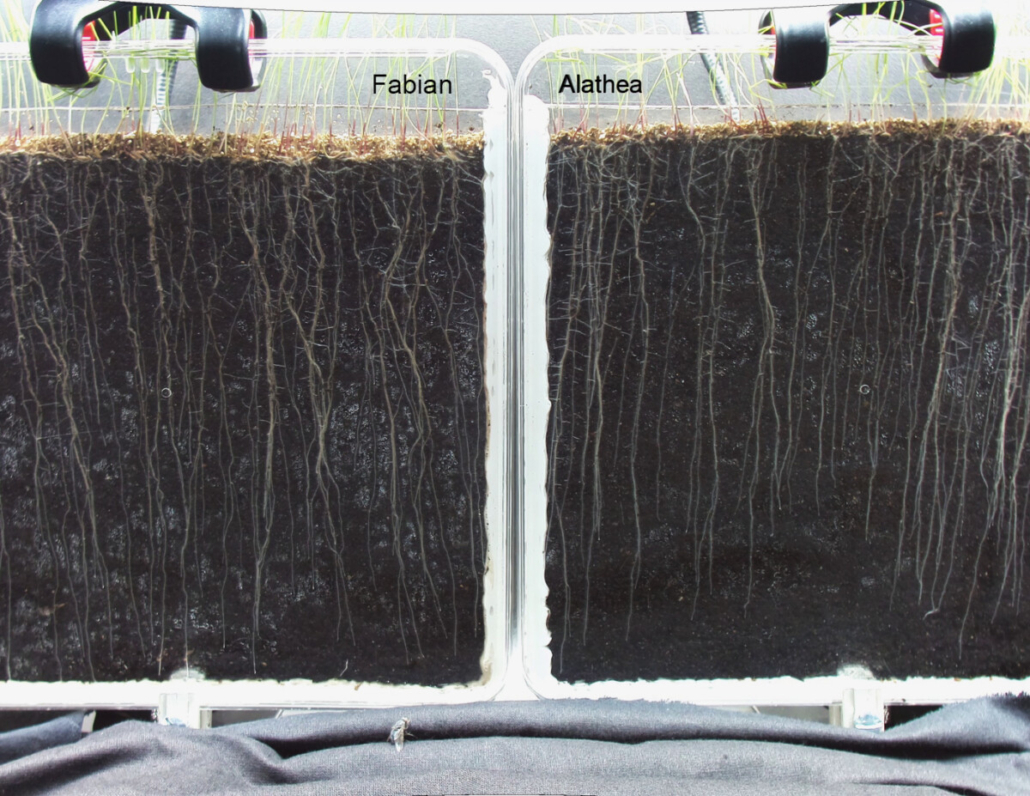
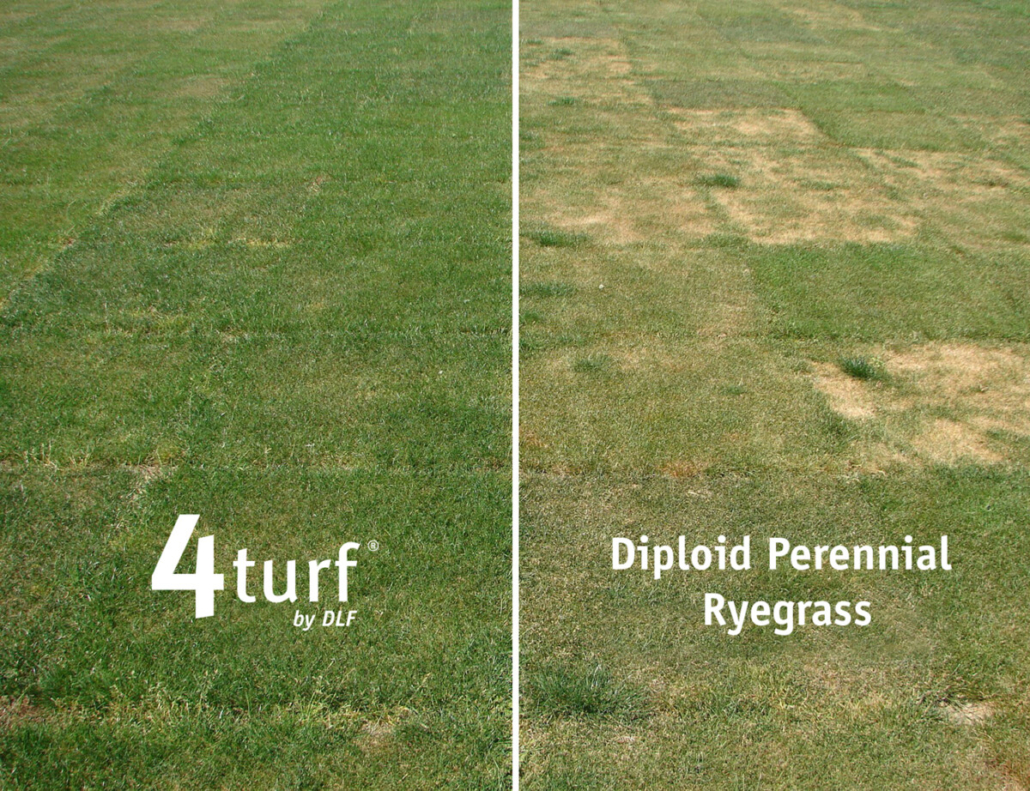
Research conducted at DLF’s RadiMax root-screening facility has shown 4turf® to deliver deeper rooting and a better visual appearance when starved of water, compared to the performance of traditional diploid perennial ryegrasses.
Safeguard surfaces from drought with 4turf®

Safeguard surfaces from drought with 4turf®

Where most plants or trees form new shoots at the top of the plant, grasses develop new shoots very close to the roots – highlighting the unique and important role that roots have in helping the grass to survive in stressful conditions. In situations of drought, soil always dries out from the top. As drought progresses down the soil, the first line of defence will be its deep root mass, which needs to be strong enough to enable the plant to continue taking up required water and nutrients.

In the trials, plants were assessed based on the root profile and above-ground tolerance. Roots were compared on their depth and how much colour the plant retained when starved of moisture. The results showed that 4turf® varieties had quicker root growth and a higher root mass in deeper soil layers, outperforming the diploids under the same trial conditions. Incorporation of the highest performing varieties into a spring overseeding mix aids in the establishment of a deeper rooting sward, better equipped to cope with spring drought – where some moisture remains in the deeper profile – and summer drought – where water is used up throughout the profile.

During prolonged periods of severe drought, the risk of restrictions or bans on drinking water being used to irrigate amenity grass becomes a real threat. That is the reason why many turf managers are looking to alternative water sources like reclaimed or recycled brown water but, in these situations, salt tolerance then becomes a major consideration. Foreseeing the issue, DLF also conducted screening of turf cultivars for salt tolerance where, again, 4turf® tetraploid perennial ryegrass came out on top.
Safeguard surfaces from drought with 4turf®

Safeguard surfaces from drought with 4turf®

Choosing 4turf® also means you are assured of the highest disease resistance and quickest establishment – helping to keep weed ingress at bay.

It is also important to note that sustainable solutions don’t have to mean a compromise in quality. The latest 4turf® cultivars from DLF, like Fabian, are fine, dense and have excellent wear tolerance providing an attractive sward with fantastic environmental credentials. With the economic and climatic challenges ahead switching to 4turf® means that, come the next drought, the one thing you won’t be sweating over is your turf!

For the latest industry news visit turfmatters.co.uk/news

Get all of the big headlines, pictures, opinions and videos on stories that matter to you.

Follow us on Twitter and Instagram for fun, fresh and engaging content.

You can also find us on Facebook for more of your must-see news, features, videos and pictures from Turf Matters.

Lantra supporting CRRU in its efforts to safeguard birds of prey health

Lantra supporting CRRU in its efforts to safeguard birds of prey health

Lantra supporting CRRU in its efforts to safeguard birds of prey health: Lantra has taken major measures to support the Campaign for Responsible Rodenticide Use (CRRU) in its efforts to help safeguard the health of birds of prey, as worries continue over irresponsible rodenticide users.

As one of the leading awarding organisations for the land-based sector in the UK, Lantra is working closely with CRRU, industry partners and stakeholders to ensure birds of prey don’t fall foul of individuals not using rodenticides properly or safely.

Lantra supporting CRRU in its efforts to safeguard birds of prey health

Lantra supporting CRRU in its efforts to safeguard birds of prey health

CRRU has recently stated that concerns remain about rodenticides’ residues being found in birds of prey which is down to the actions of a small minority using the chemicals irresponsibly.

To support CRRU, Lantra, as a member of its training and certification group, has responded by upgrading its rodent management training courses.

Lantra Awards, has developed and launched the Ofqual-regulated ‘Lantra Awards Level 2 Award in Rodent Management’ to replace ‘Rodent Control on Farms’ and ‘Responsible and Effective Control of Commensal Rodents’ certifications.

This comprehensive course gives people the knowledge and tools to understand legislation governing rodent pest management, the importance of, and the reasons for, rodent management and the biology and behaviour of a specific range of rodent species.

It also stresses the importance of understanding integrated pest management and monitoring rodent activity.

The major move strengthens the existing stewardship regime by upgrading Lantra-assessed training courses into a Level 2 Award in Rodent Management.

David Fisher, Lantra’s Head of Industry Partnerships for the area, said: “As CRRU has recently reported, concerns remain with rodenticide residues found in birds of prey which is being linked to the actions of a minority of irresponsible rodenticide users.

“Lantra responded to calls from CRRU as a member of its training and certification group, to strengthen the existing stewardship regime. We have listened to industry concerns and have taken the relevant measures to respond.

“It is hoped that this and continued promotion of best practice and CPD will go some way to help reduce instances of poor practice to ensure that responsible users can continue to use professional rodenticide products as part of their integrated approach to rodent management.”

For farmers and pest control trainees, there are now seven courses in total, listed at www.thinkwildlife.org/training-certification/

In each case, passing the end of course exam yields a formal qualification/certification accepted at point-of-sale for professional use rodenticides under the UK Rodenticide Stewardship Regime, operated by CRRU.

Lantra will be exhibiting at PestTech, the Pest Control industry event on 9th November where the latest developments affecting the industry will be discussed. Details of the free to attend event can be found via the NPTA website, PestTech – NPTA

For the latest industry news visit turfmatters.co.uk/news

Get all of the big headlines, pictures, opinions and videos on stories that matter to you.

Follow us on Twitter and Instagram for fun, fresh and engaging content.

You can also find us on Facebook for more of your must-see news, features, videos and pictures from Turf Matters.

Time To Safeguard Herbicides

Time To Safeguard Herbicides: Safe and timely use of herbicide products not only helps to ensure that active ingredients fulfil the requirements of amenity managers, but can also help to safeguard their future availability and effectiveness, points out Bayer.

Roundup® Development Manager Barrie Hunt explains: “Glyphosate has been reapproved until at least 2022 and we now need play our part to ensure that we continue to have this important herbicide at our disposal to control weeds in the amenity sector in the long term.”

Time To Safeguard Herbicides

The mild winter has meant continued growth in many parts of the country, but groundcare professionals should resist the urge to make an early start on weed control, he emphasises.

“Timeliness is essential to get the best out of products – check label recommendations for the correct application timing for the weed species being targeted. Planning applications carefully to ensure that the active ingredient is at its most effective helps to prevent survivors.”

Effective treatment of weeds also helps reduce the risk of herbicide resistance, a looming threat to our ability to maintain control, says Mr Hunt.

“There are currently no known cases of glyphosate resistance in the UK. However, globally, resistance has evolved due to practices including over-reliance on of the same herbicide i.e. glyphosate, not following label recommendations and a lack of, or limited, Integrated Weed Management strategies.”

Good Plant Protection Practice and an Integrated Weed Management strategy are key to demonstrating stewardship and responsible use of plant protection products which can help safeguard active ingredients, he comments.

“Whenever possible, use mixtures of herbicides, and consider integrating non-chemical control measures,” explains Mr Hunt. “Opportunities for selective applications are limited in groundcare, but spot spraying can be an extremely effective approach and application equipment technology is developing all the time.

Incorporating a residual partner with a different mode of herbicidal action is also possible in some circumstances.”

“By being vigilant, and keeping good practice to the forefront, we can help these valuable chemicals to continue to maintain the quality of sporting and leisure facilities.”

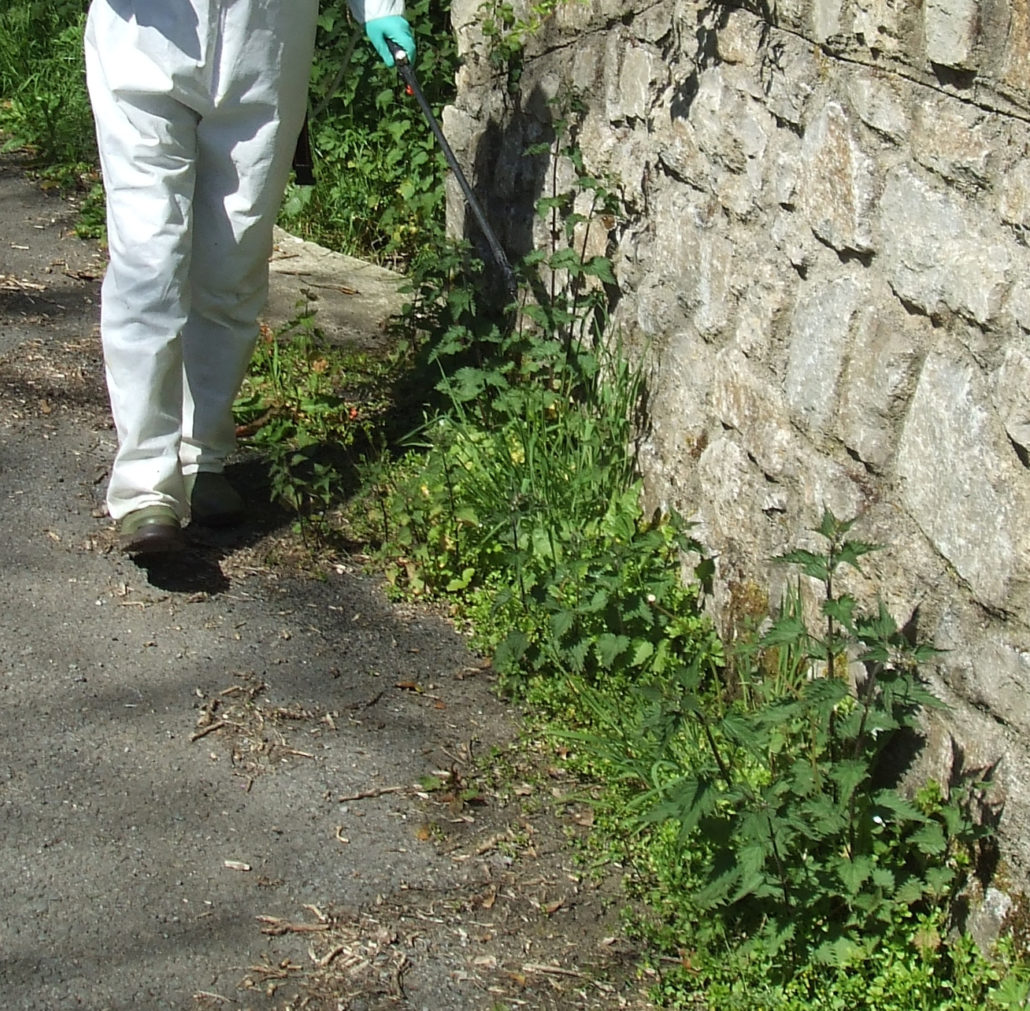
Caption: Timely application of herbicides is essential to get the best out of products and minimise the risk of resistance.

For further information on Roundup® contact the Technical Helpline on 01954 717575. Email: technical.helpline.uk@monsanto.com Web: www.monsanto-ag.co.uk 

For the latest industry news visit turfmatters.co.uk/news

Get all of the big headlines, pictures, opinions and videos on stories that matter to you.

Follow us on Twitter for fun, fresh and engaging content.

You can also find us on Facebook for more of your must-see news, features, videos and pictures from Turf Matters.