Tag Archive for: shelters

Tubex Shelters in The Carbon Community Project

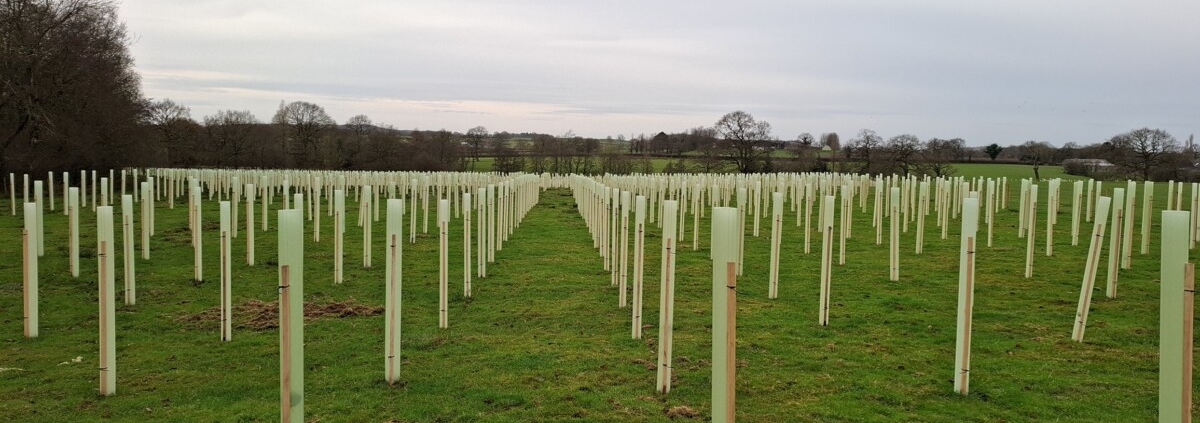
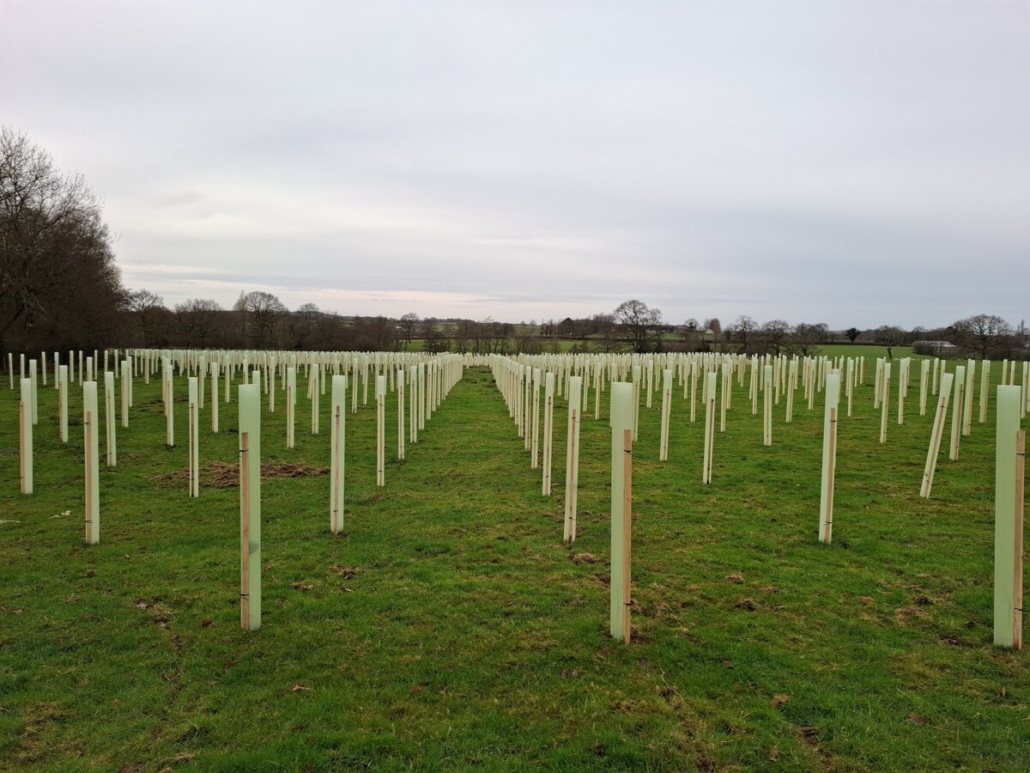
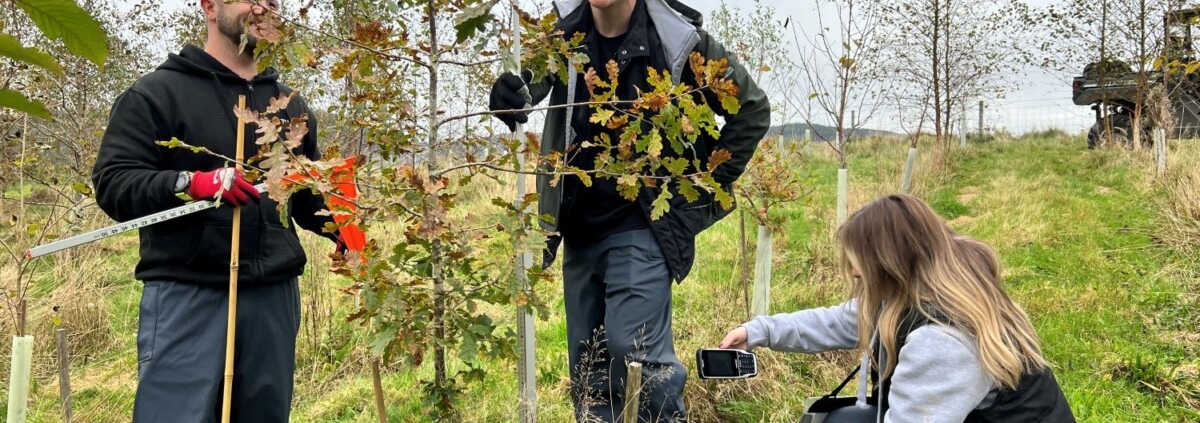
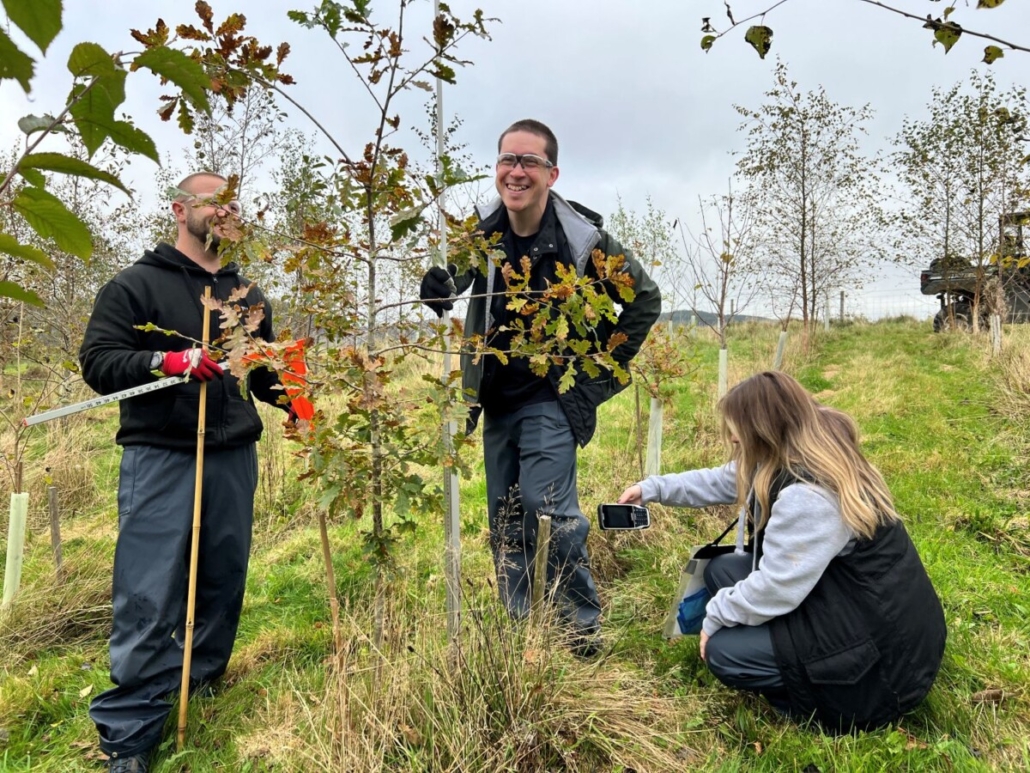
Tubex Shelters in The Carbon Community Project: One of the UK’s most significant long-term forestry research projects has used Tubex tree shelters to protect thousands of young saplings while allowing scientists easy access to measure growth.

The Carbon Community’s Glandwr Forest Carbon Study examines how trees and soil store carbon.  The project, now in its fifth year, aims to build a stronger evidence base for nature-based solutions that can increase carbon capture and improve woodland resilience.
Tubex Shelters in The Carbon Community Project

Tubex Shelters in The Carbon Community Project

Established in 2020, the 11.5-hectare study brings together scientists, forestry partners and volunteers to investigate how different tree species and soil treatments influence long-term carbon storage. More than 25,600 trees have been planted across 72 test cells, including oak, birch, cherry, alder and Sitka spruce, allowing researchers to compare growth and soil behaviours under controlled conditions.

The project focuses on approaches such as enhanced rock weathering, where crushed basalt releases nutrients and supports carbon capture, and soil microbiome inoculation, which introduces beneficial fungi from nearby healthy woodland to help young trees access nutrients more effectively. These methods together provide a growing dataset that will help clarify the role of soils and species selection in carbon sequestration.

Before the trial “we planted a few oaks grown from seed collected on site and they were eaten by rabbits within weeks,” said Heather Allen, Trustee at The Carbon Community. “When the trial was established, our forestry partner, Tilhill Forestry, strongly advised using shelters – and we agreed they were essential.”

Tubex Easywrap shelters were selected as a practical way to protect vulnerable saplings while still allowing researchers and volunteers to access each tree for measurement and monitoring. All the broadleaf trees planted use the shelters, helping maintain consistent establishment across the test cells and supporting long-term data collection.

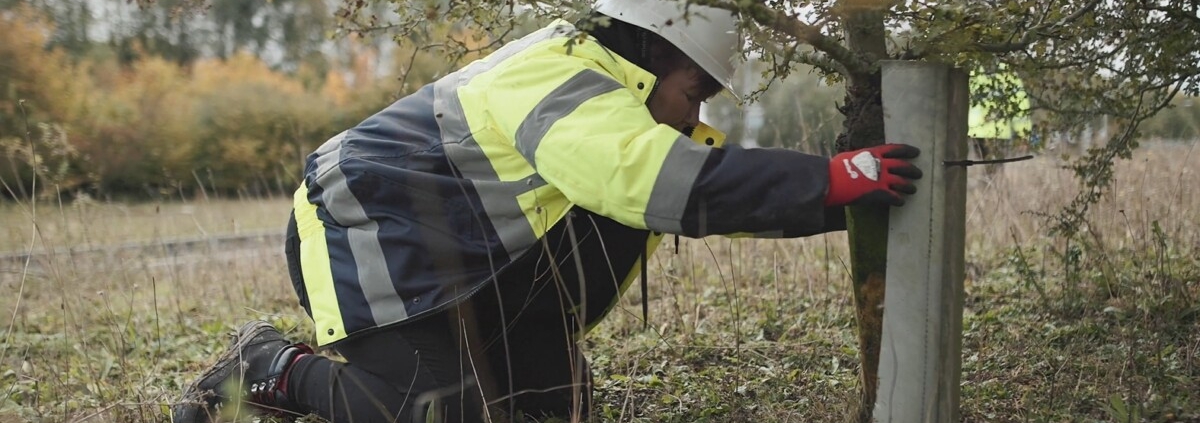
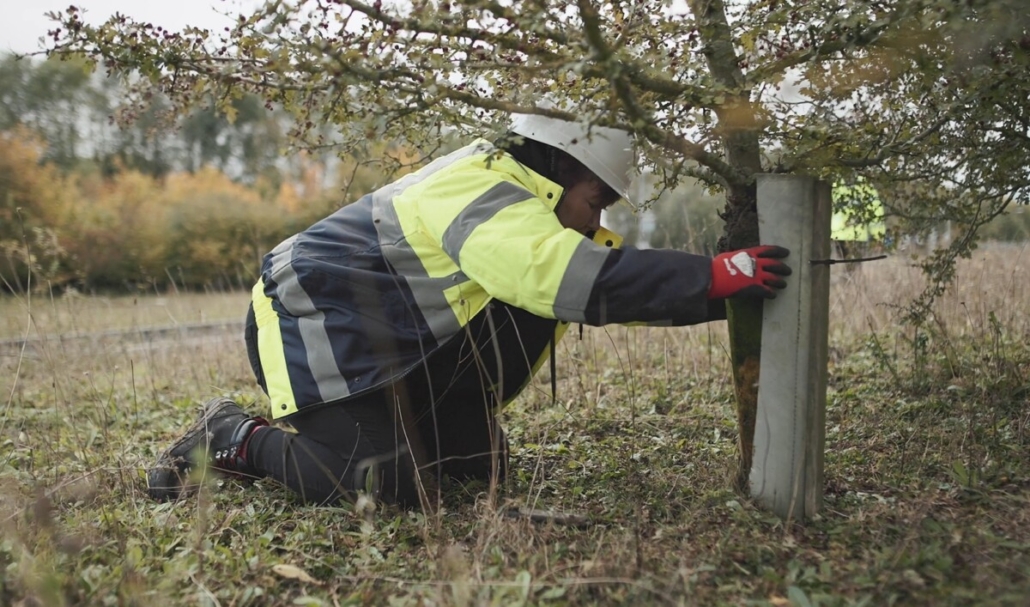
As an environmental charity, The Carbon Community also considered the long-term implications of introducing material onto the site. The ability to collect and return the shelters for recycling once they were no longer needed was an important factor, ensuring the project could minimise waste. Each spring, volunteers remove shelters from trees that have outgrown them and collect any that have loosened during winter weather. These are returned through the Tubex recycling network, supporting a circular approach to material use. “We made a commitment to collect every single shelter when the trees were big enough,” Heather said. “We’ve been running volunteer removal days for the past couple of years – and those shelters have already made their way back for recycling.”

Community involvement has remained central throughout the project, with volunteers supporting planting, maintenance and data gathering to help researchers monitor conditions consistently across the site. “This is a long-term project,” Heather said. “We’re looking at how ecosystems can help solve the climate crisis. Good early protection has supported the research and helped us manage the site sustainably.”

Now in its fifth year, the study is beginning to analyse above-ground and below-ground data on how the treatments affect carbon capture. Strong early establishment across the site has created a stable foundation for long-term scientific assessment, with findings expected to support future woodland creation.

For Tubex, involvement in the project has centred on supplying shelters that meet the specific needs of the study. The Easywrap design has supported repeated access for measurements, helped maintain consistent establishment conditions and ensured that all used shelters could be collected and returned for recycling once no longer required. This combination of protection, practicality and material recovery has allowed the research team to manage the site effectively while maintaining the project’s sustainability commitments.

For more information about The Carbon Community and the Glandwr Forest Carbon Study, visit https://thecarboncommunity.org

For information on Tubex tree protection, visit https://tubex.com  

For the latest industry news visit turfmatters.co.uk/news

Get all of the big headlines, pictures, opinions and videos on stories that matter to you.

Follow us on Twitter and Instagram for fun, fresh and engaging content.

You can also find us on Facebook for more of your must-see news, features, videos and pictures from Turf Matters
Increase in Number of Tree Shelters Collected and Recycled

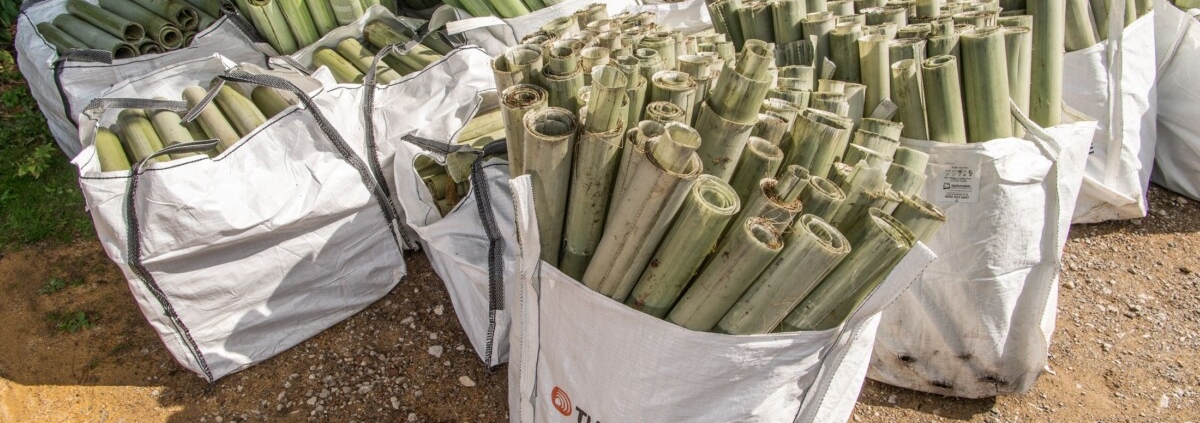
Increase in Number of Tree Shelters Collected and Recycled: Tubex®, a Magnera brand, has announced a significant growth in the use of its Tree Shelter Collection & Recycling Programme. The first of its kind scheme saw a 39 percent increase in the number of shelters returned and recycled in 2025 compared to previous year, with the Programme now close to a milestone of two million shelters collected and recycled.

At the end of the 2025, 1,982 dumpy sacks of collected tree guards had been returned to Tubex®, up from 1,421 in 2024.

Increase in Number of Tree Shelters Collected and Recycled

Increase in Number of Tree Shelters Collected and Recycled

Once collected, the tree shelters are sorted, washed and reprocessed back into raw material, at an impressive yield of 95.6 percent – meaning that 95.6 percent of the collected shelter material can be used to manufacture new product.

For Pete Stevens, Business Development Manager at Tubex®, the 2025 figures reinforce the long-term success of the Programme and its national hub network.

“Last year, we announced that since the start of the Collection & Recycling Programme in 2022, we had recycled more than 1 million tree shelters.  With these figures, we are now approaching the 2 million milestone – a testament to the collective endeavour of the forestry sector to collect used shelters at end of life.”

Polypropylene (PP) shelters containing recycled material that are recycled at end of use are still the lowest environmental impact option (Independent LCA study here: https://discovery.ucl.ac.uk/id/eprint/10130156/) and represent a circular use of materials which is a key pillar of sustainability.

With a growing network of 24 recycling hubs nationwide, Tubex® has collaborated with its distributors and various forestry organisations to create accessible and convenient free drop-off points for legacy tree shelters.

Hub partners include Yorkshire Dales Millenium Trust, Forest Working Plastics Group, Tilhill, Maydencroft, British Hardwood Tree Nursery, Ashlea Landscaping and Green-Tech among others.

For more information visit – https://tubex.com/sustainability/tree-shelter-collection-recycling-programme/

For the latest industry news visit turfmatters.co.uk/news

Get all of the big headlines, pictures, opinions and videos on stories that matter to you.

Follow us on Twitter and Instagram for fun, fresh and engaging content.

You can also find us on Facebook for more of your must-see news, features, videos and pictures from Turf Matters
Tubex Tree Shelters Now Made with Minimum 50% Recycled Content

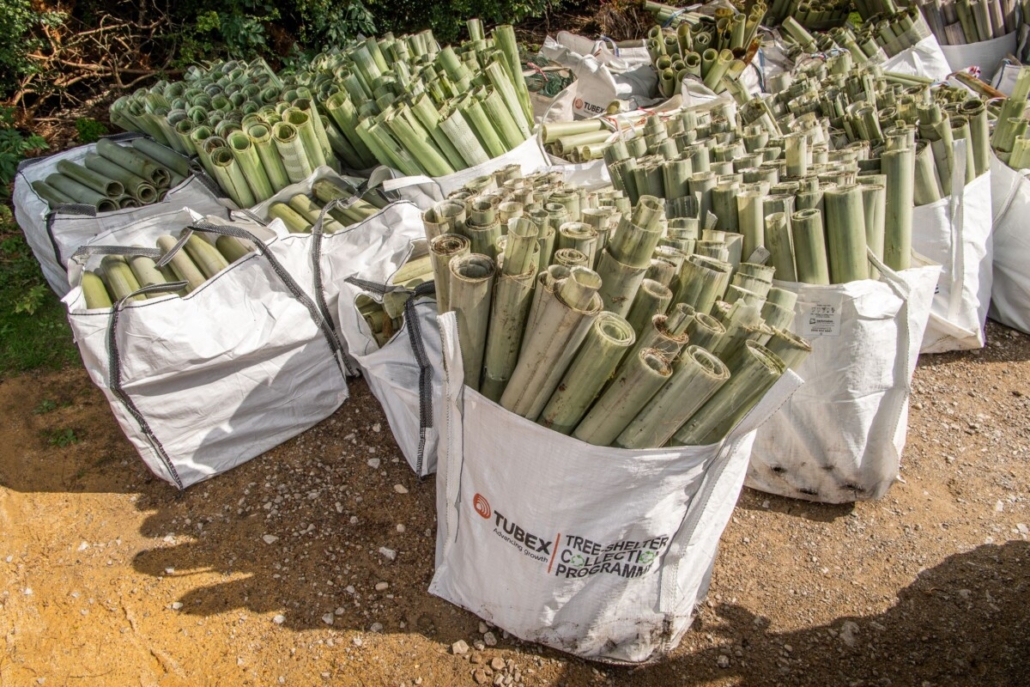
Tubex Tree Shelters Now Made with Minimum 50% Recycled Content: Tubex, A Magnera Brand, has announced that all its market-leading recyclable tree shelters are now being produced using a minimum of 50% recycled content, a significant milestone in the company’s ongoing drive to improve sustainability in tree protection.

Available for the 2025/26 planting season, Tubex’s standard shelters of all heights, including its Shrubshelter and Easywrap range, will all contain a minimum of 50% recycled material, with an increasing proportion of that recycled content coming directly from used shelters recycled through Tubex’s Collection & Recycling Programme.

Tubex Tree Shelters Now Made with Minimum 50% Recycled Content

Tubex Tree Shelters Now Made with Minimum 50% Recycled Content

This latest improvement forms part of the manufacturer’s wider goal of improving the sustainability proposition for tree shelters as Dean Latten, Tubex’s Plant Director, explains:
“It was always our goal to maximise the amount of recycled content in our shelters, but we needed to ensure that we could manufacture consistently at that increased level. Thanks to a brilliant effort from our team in Aberdare, we are now able to do this.

“This is the same leading recyclable shelter range that thousands of landowners and foresters trust, just made with more recycled material. We’re always looking for ways to improve what we offer, and this is another step in the right direction for us.”

Tubex recycled shelters have the lowest carbon footprint in our range and are 100% recyclable at end of life. This closed-loop system enables contractors and landowners to minimise waste, meet regulatory requirements and reduce the long-term impact of their planting projects.

For more information on the updated Tubex shelters and the full range of sustainable tree protection options, visit: https://tubex.com/products/tubex-standard-recyclable-tree-shelters/

For the latest industry news visit turfmatters.co.uk/news

Get all of the big headlines, pictures, opinions and videos on stories that matter to you.

Follow us on Twitter and Instagram for fun, fresh and engaging content.

You can also find us on Facebook for more of your must-see news, features, videos and pictures from Turf Matters.

Fulfil grant commitments by collecting tree shelters

Fulfil grant commitments by collecting tree shelters: Tubex has launched the 2024 season of its Tree Shelter Collection and Recycling Programme, calling on all who use tree shelters to ‘fulfil your commitment to the land.’

Many recent grants, such as the England Woodland Creation Offer (EWCO), make collection a requirement, stating that landowners must “remove and dispose of tree guards in an appropriate manner when no longer required, and by year 15 in all cases.”

Fulfil grant commitments by collecting tree shelters

Fulfil grant commitments by collecting tree shelters

As such, the removal of used tree shelters is a collective responsibility. Tubex is investing heavily in the scheme to provide tree planters with a convenient platform to facilitate the responsible removal and recycling of their shelters.

Now in its third year, Tubex’s Collection and Recycling Programme recycled over 350,000 shelters last year with the material used to manufacture new shelters, with collection and recycling representing the lowest impact option when tree shelters are used*.

With the ability to bring collected shelters to more than 15 hubs around the UK free of charge, or alternatively, to book a doorstep collection for a small fee, landowners have plenty of options to ensure they can sustainably dispose of shelters.

The Tubex Tree Shelter Collection and Recycling Programme currently accepts used polypropylene (PP) or polyethylene (PE) tree shelters or mesh tubes from all manufacturers.

“Essentially, we’re asking stakeholders to uphold your promise to protect the environment, regardless of whether this is mandated by your grant or simply a desire to do the right thing by ensuring shelters aren’t left in the environment,” said James Taylor, Product Line Director at Tubex.

“The hub network has been made possible thanks to collaboration with our valued partners, who have provided the use of their time and facilities. We are delighted to see this level of ‘buy-in’ from a wide range of organisations who are committed to making a positive impact.”

These hub partners include Yorkshire Dales Millennium Trust, Tilhill, Maydencroft, British Hardwood Tree Nursery, and Green-Tech.

To find your nearest hub and book a collection, visit: https://tubex.com/sustainability/tree-shelter-collection-recycling-programme/

“We have plenty of dates throughout the summer and we hope to increase the number of hubs nationwide, so please check the interactive map for the latest details,” confirmed James Taylor. “The more people who can collect shelters or open new hubs, the bigger and more positive the impact we can make as a sustainably-minded community.”

* https://discovery.ucl.ac.uk/id/eprint/10130156/

For the latest industry news visit turfmatters.co.uk/news

Get all of the big headlines, pictures, opinions and videos on stories that matter to you.

Follow us on Twitter and Instagram for fun, fresh and engaging content.

You can also find us on Facebook for more of your must-see news, features, videos and pictures from Turf Matters.