Abersoch weathers coastal challenges with Johnsons J Sustain Fairway

Abersoch weathers coastal challenges with Johnsons J Sustain Fairway

Abersoch weathers coastal challenges with Johnsons J Sustain Fairway

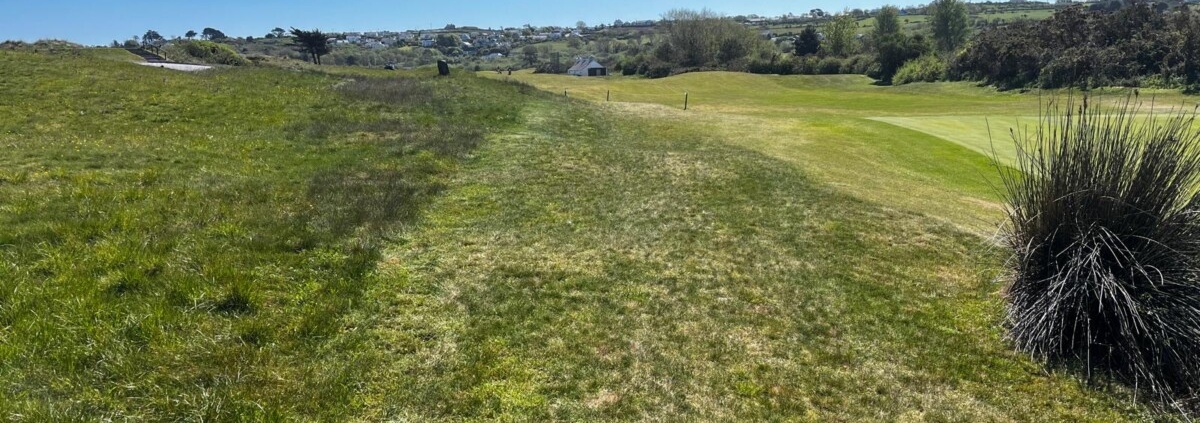
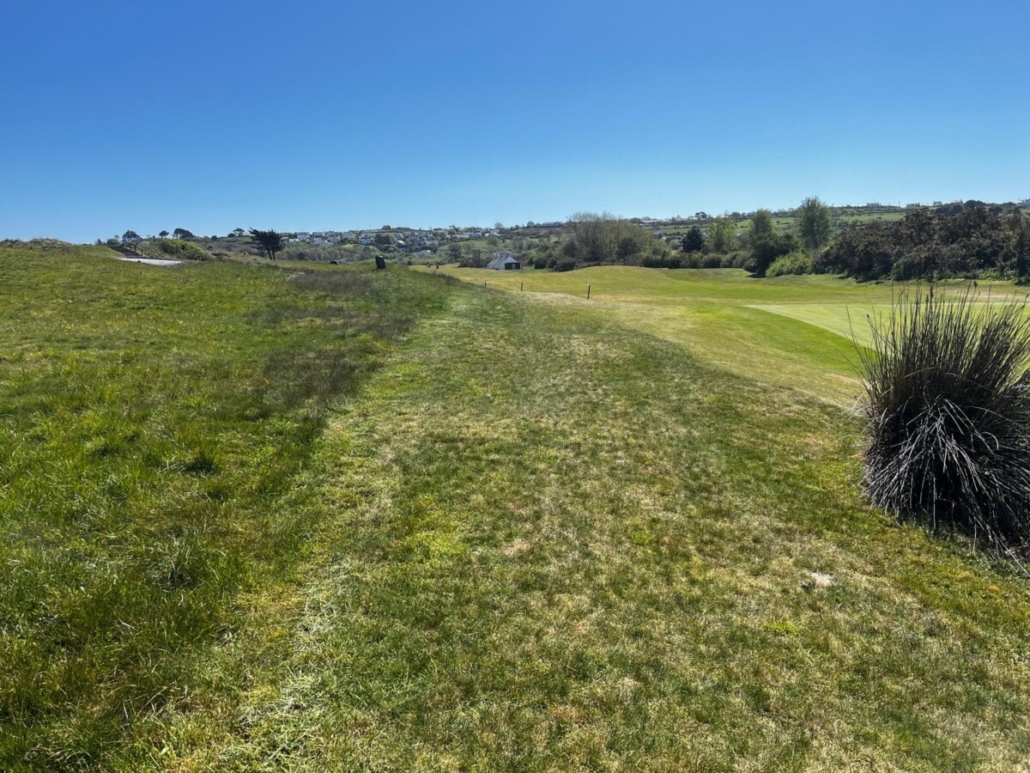
Perched on the Welsh coastline, Abersoch Golf Club has always lived at the mercy of the elements. Managing those ever-changing conditions for the last 37 years is Head Greenkeeper Arthur Evans who, in recent years, has found a combination of the right grass seed mixture and expert advice has transformed the condition and resilience of the 18-hole course – that combination being Johnsons J Sustain Fairway from DLF.
Abersoch weathers coastal challenges with Johnsons J Sustain Fairway

Abersoch weathers coastal challenges with Johnsons J Sustain Fairway

Expanded from a nine-hole course up to 18 in 1988, Abersoch offers its members a traditional links golf experience. The challenge of managing surfaces in such an exposed location without fairway irrigation is one relished by Arthur and a team of just three, made easier with the help and advice of trusted industry contacts – one of whom is DLF’s Stuart Yarwood. “I knew Stuart when he was greenkeeping and when he joined DLF, he came in to pay us a visit. Quite quickly the conversation moved beyond just products and into practical agronomic support” he explains.

For years, the club had struggled with ryegrass and fescue mixtures that germinated well but failed to retain coverage when drought conditions arrived. In an attempt to encourage the naturally occurring sheeps and hard fescue and bolster this with other hardwearing, resilient and top-ranking fescue cultivars, Arthur and the team opted to sow J Sustain Fairway from the Johnsons Sports Seed range.

“It was evident very quickly that the J Sustain Fairway mixture was able to thrive in our sandy soil environment and within a few months from the first sowing, the club and the players noticed significant improvements in both coverage and sward density.” Arthur continues, “Last year was our third year on this programme and, arguably, the most challenging with very prolonged, dry conditions. Thanks to the now established fescue populations, the fairways emerged relatively unscathed which also instils confidence that the course is in a much better position to survive these extremes in weather moving forwards.”

Designed to thrive under low-input management, J Sustain Fairway’s fine-turf fescue formulation delivers excellent playability, density and visual merit with reduced fertiliser, lower irrigation and less intensive maintenance. Introduced to the range in 2023, it performs particularly well on heathland and links courses and those exposed sites prone to environmental extremes.

Stuart has been keeping a close eye on the progress, together with DLF’s Ben Morgan and the STRI agronomy team. “Because we don’t have fairway irrigation, we only really get overseeding window every year in the autumn, which makes the performance of this mixture even more impressive.” He concludes, “The compliments we’ve received from the members are testament to the turnaround J Sustain Fairway has delivered.”

For the latest industry news visit turfmatters.co.uk/news

Get all of the big headlines, pictures, opinions and videos on stories that matter to you.

Follow us on Twitter and Instagram for fun, fresh and engaging content.

You can also find us on Facebook for more of your must-see news, features, videos and pictures from Turf Matters

Strengthen rootzones for better playing surfaces

Strengthen rootzones for better playing surfaces

Strengthen rootzones for better playing surfaces

Maintaining consistent playing surfaces has become one of the biggest challenges in sports turf. With increased usage and higher expectations, pitches are under constant pressure to perform and remain stable, resilient, and reliable week after week.

Strengthen rootzones for better playing surfaces

Strengthen rootzones for better playing surfaces

For many turf managers, that performance is increasingly linked to one key factor: the rootzone.

Kate Finlayson, research and development agronomist at Orion Future Technologies, believes that improving how the soil system functions is critical to delivering consistent pitch quality.

“If the rootzone is not performing, the surface won’t either,” she explains. “One measure is managing inputs and presentation, but if the soil structure and function are not right, there will always be inconsistency in how the pitch plays and recovers.”

One area gaining attention is the use of silicon within turf management programmes, not just for plant strength but for its influence on the soil system that underpins surface performance.

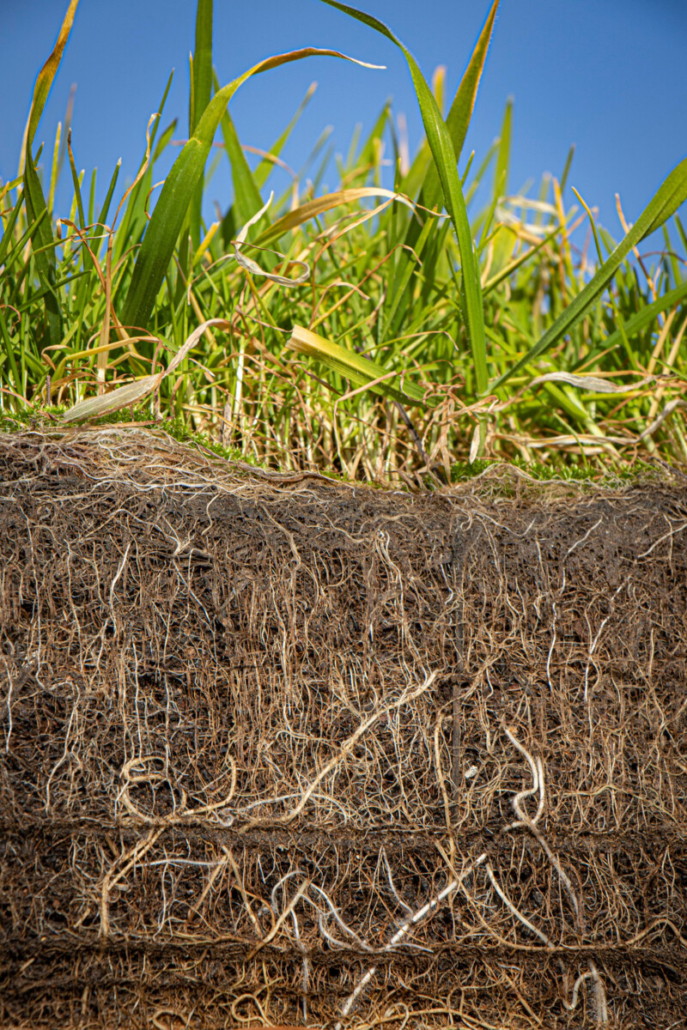
“Silicon has traditionally been seen as something that benefits the plant,” Kate says. “But what’s becoming more important is how it supports the soil where it can improve structure, stability, and the overall function of the rootzone.”

From a performance perspective, this translates into a more consistent and reliable surface.

“The aim is to help develop a rootzone that holds together under play, supports strong rooting, and doesn’t break down with use. Improving the structure and stability of that profile can help achieve a surface that performs more consistently,” she says.

Improvements in soil aggregation and pore structure can help create a more uniform profile, reducing variability across the pitch. This supports better root development and contributes to improved recovery following wear, particularly in high-traffic areas.

“It’s about giving the plant a better environment to anchor into. If roots are stronger and the soil is more stable, the surface is better able to cope with pressure and bounce back after use,” Kate explains.

There are also nutrient efficiency and biological activity benefits, both of which play a role in maintaining consistent turf performance over time.

“A more functional soil system supports more balanced growth and better recovery. Instead of constantly trying to correct issues, the focus shifts to making the surface work with improvements to the whole growing system,” she says.

As with any input, silicon is not a standalone solution. Its effectiveness depends on how it is integrated into a wider turf management programme, including aeration, appropriate nutrition, and practices that support soil health.

“Good agronomy still underpins everything. But where silicon fits in is helping to strengthen the system that everything else relies on.”

As demands on playing surfaces continue to increase, that system-based approach is becoming more important.

“Turf management is shifting. It’s less about reacting to problems on the surface and more about building a rootzone that can consistently deliver performance. That’s where the focus needs to be,” she concludes.

For the latest industry news visit turfmatters.co.uk/news

Get all of the big headlines, pictures, opinions and videos on stories that matter to you.

Follow us on Twitter and Instagram for fun, fresh and engaging content.

You can also find us on Facebook for more of your must-see news, features, videos and pictures from Turf Matters
Independent FAIR WATER II Trial Highlights Fairway Drought Performance

Independent FAIR WATER II Trial Highlights Fairway Drought Performance

Independent FAIR WATER II Trial Highlights Fairway Drought Performance

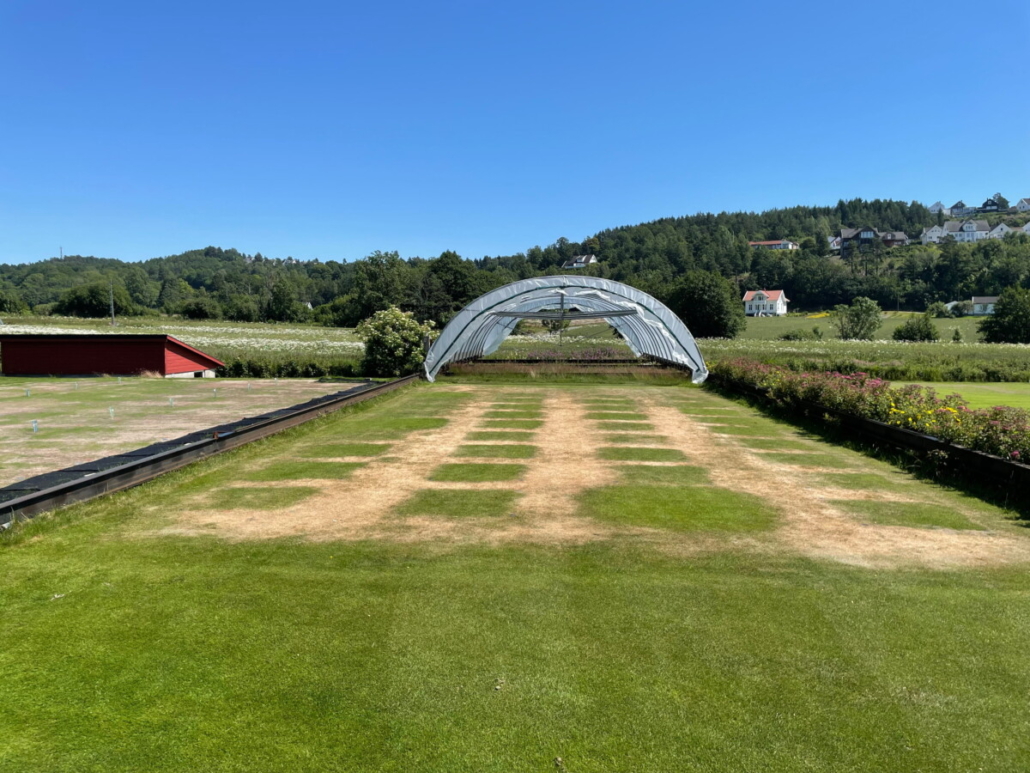
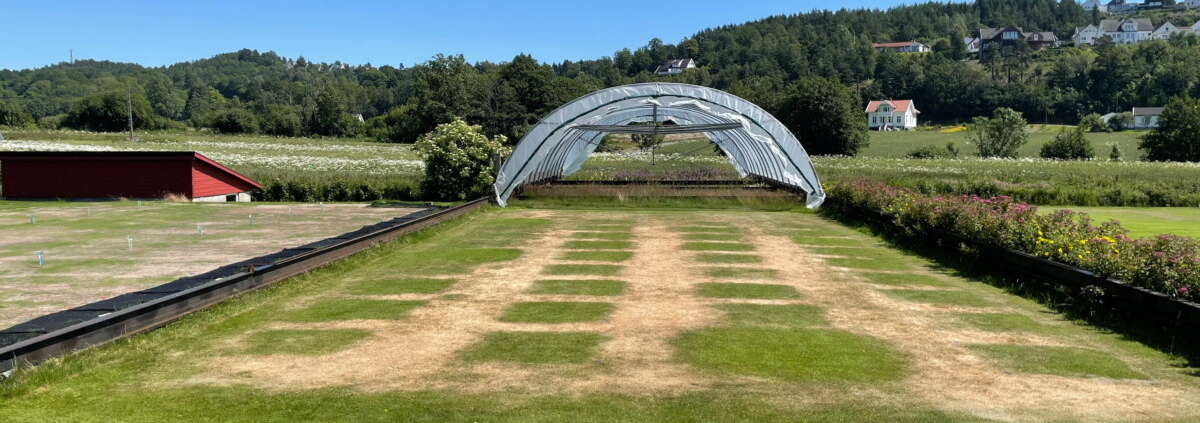
Independent research carried out at the NIBIO Turfgrass Research Center in Norway has highlighted ICL’s H2Pro TriSmart and Syngenta’s Qualibra among seven commercially available soil surfactant technologies evaluated under prolonged drought conditions.

Independent FAIR WATER II Trial Highlights Fairway Drought Performance

Independent FAIR WATER II Trial Highlights Fairway Drought Performance

The work forms part of the STERF-funded FAIR WATER II project, supported by The R&A Golf Course 2030 initiative and the German Greenkeepers Association (GVD), investigating practical drought management and water-use strategies for golf course fairways across Northern Europe.

During the severe 2024 drought period, untreated plots required 116 mm of irrigation water to maintain the intervention threshold, compared with 90 mm for plots treated with H2Pro TriSmart. This represented a statistically significant 22% reduction in irrigation water use versus untreated turf.

Alongside lower water use, H2Pro TriSmart maintained strong turf quality, green grass cover, and soil moisture performance throughout the drought period, with the trial paper describing it as delivering the “best all-round performance” under the conditions tested.

Within the same controlled rainout shelter trials at the NIBIO Turfgrass Research Center Landvik in Norway, Syngenta’s Qualibra was recognised for providing the “best overall visual appearance after prolonged drought”.

As golf courses continue to face increasing pressure around water availability, irrigation costs, and prolonged dry periods, the FAIR WATER II project is also assessing approaches including thatch management, deep aeration, and the use of brackish or recycled irrigation water.

Dr Andy Owen, International Technical Manager for ICL, said:

“Independent trial work like FAIR WATER II provides valuable practical insight into how different technologies perform under prolonged drought stress. It is encouraging to see H2Pro TriSmart recognised for reducing irrigation water requirement while maintaining turf performance, alongside the visual turf quality delivered through Qualibra.”

For more information on the trial findings, visit the ICL Turf & Landscape Knowledge Hub.

Please contact ICL on 01473 237100 or visit www.icl-growingsolutions.com

For the latest industry news visit turfmatters.co.uk/news

Get all of the big headlines, pictures, opinions and videos on stories that matter to you.

Follow us on Twitter and Instagram for fun, fresh and engaging content.

You can also find us on Facebook for more of your must-see news, features, videos and pictures from Turf Matters
GroundsFest 2026 Opens Visitor Registration

GroundsFest 2026 Opens Visitor Registration

GroundsFest 2026 Opens Visitor Registration

Visitor registration for GroundsFest 2026 is now officially open, as the industry prepares for what promises to be the biggest and most exciting edition of the event to date.

GroundsFest 2026 Opens Visitor Registration

GroundsFest 2026 Opens Visitor Registration

Returning to Stoneleigh Park, Warwickshire, on 16 and 17 September 2026, GroundsFest has firmly established itself as the industry’s most anticipated event thanks to its unique combination of live demonstrations, hands-on experiences, entertainment, free education and community atmosphere.

Unlike traditional exhibitions, GroundsFest gives visitors the opportunity to get hands-on with the latest machinery and tools, allowing them to test equipment, compare products side-by-side and see everything working in real conditions.

With more exhibitors than ever before, including many companies increasing the size of their stands for 2026, GroundsFest will once again provide visitors with access to the latest innovations, expert advice, live demonstrations and hands-on experiences from across the grounds management, landscaping and amenity sectors.

One of the major highlights for 2026 will be the dedicated Landscape Zone, delivered in partnership with British Association of Landscape Industries (BALI). The area will feature exhibitors, demonstrations, educational content and networking opportunities specifically tailored to landscaping professionals, designers, architects and contractors.

The hugely popular lawn mower racing feature will also return after drawing huge crowds at GroundsFest last year. Sponsored by Kramp UK, the action-packed races are expected to once again bring plenty of excitement and entertainment to the showground.

Adding even more energy to the event will be the return of Machinery Nation Live, which will once again showcase impressive machinery demonstrations and live-action entertainment throughout the event.

GroundsFest’s live music festival will also return with live music, street food and after-hours entertainment helping to create an event experience unlike anything else in the industry. The festival will begin from 4pm on the first day of the show, giving visitors and exhibitors even more opportunity to network, socialise and enjoy the unique GroundsFest atmosphere.

To accommodate the increasing number of visitors attending the event each year, free coach transfers will be available between Leamington Spa train station and Stoneleigh Park across both days of the show. Coaches will run regularly throughout the event, making travel to and from GroundsFest easier and more convenient for visitors.

GroundsFest Event Director Christopher Bassett said:

“GroundsFest has always been about creating an event that the industry genuinely wants to attend, and a huge part of that is giving visitors the chance to get hands-on with equipment and experience products properly. That’s exactly what GroundsFest delivers. The show offers a completely different experience to a traditional exhibition.

“Every year we continue to see more and more visitors attending the event, which is why we’re pleased to be offering free coach transfers from Leamington Spa station to make travelling to the show even easier.

“We can’t wait to bring the industry together again in September.”

Visitor registration for GroundsFest 2026 is free and now open.

To register and find out more, visit www.groundsfest.com

You can also follow GroundsFest on X, Facebook and Instagram @GroundsFest for much more news, reviews and insightful views

For the latest industry news visit turfmatters.co.uk/news

Get all of the big headlines, pictures, opinions and videos on stories that matter to you.

Follow us on Twitter and Instagram for fun, fresh and engaging content.

You can also find us on Facebook for more of your must-see news, features, videos and pictures from Turf Matters