
Strengthen rootzones for better playing surfaces
Maintaining consistent playing surfaces has become one of the biggest challenges in sports turf. With increased usage and higher expectations, pitches are under constant pressure to perform and remain stable, resilient, and reliable week after week.
Strengthen rootzones for better playing surfaces
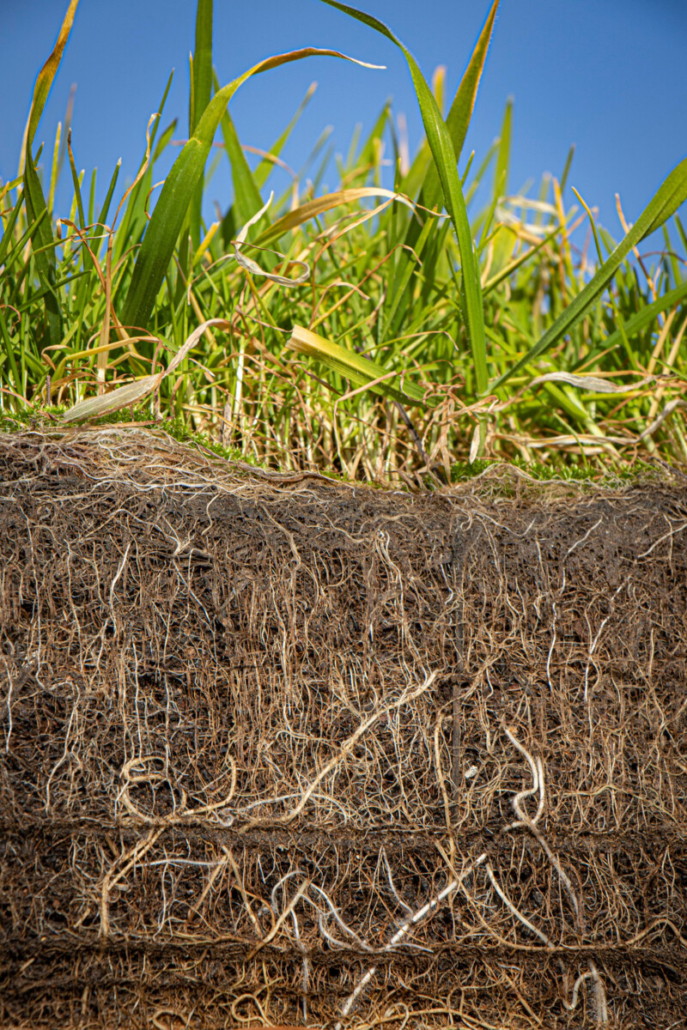
For many turf managers, that performance is increasingly linked to one key factor: the rootzone.
Kate Finlayson, research and development agronomist at Orion Future Technologies, believes that improving how the soil system functions is critical to delivering consistent pitch quality.
“If the rootzone is not performing, the surface won’t either,” she explains. “One measure is managing inputs and presentation, but if the soil structure and function are not right, there will always be inconsistency in how the pitch plays and recovers.”
One area gaining attention is the use of silicon within turf management programmes, not just for plant strength but for its influence on the soil system that underpins surface performance.
“Silicon has traditionally been seen as something that benefits the plant,” Kate says. “But what’s becoming more important is how it supports the soil where it can improve structure, stability, and the overall function of the rootzone.”
From a performance perspective, this translates into a more consistent and reliable surface.
“The aim is to help develop a rootzone that holds together under play, supports strong rooting, and doesn’t break down with use. Improving the structure and stability of that profile can help achieve a surface that performs more consistently,” she says.
Improvements in soil aggregation and pore structure can help create a more uniform profile, reducing variability across the pitch. This supports better root development and contributes to improved recovery following wear, particularly in high-traffic areas.
“It’s about giving the plant a better environment to anchor into. If roots are stronger and the soil is more stable, the surface is better able to cope with pressure and bounce back after use,” Kate explains.
There are also nutrient efficiency and biological activity benefits, both of which play a role in maintaining consistent turf performance over time.
“A more functional soil system supports more balanced growth and better recovery. Instead of constantly trying to correct issues, the focus shifts to making the surface work with improvements to the whole growing system,” she says.
As with any input, silicon is not a standalone solution. Its effectiveness depends on how it is integrated into a wider turf management programme, including aeration, appropriate nutrition, and practices that support soil health.
“Good agronomy still underpins everything. But where silicon fits in is helping to strengthen the system that everything else relies on.”
As demands on playing surfaces continue to increase, that system-based approach is becoming more important.
“Turf management is shifting. It’s less about reacting to problems on the surface and more about building a rootzone that can consistently deliver performance. That’s where the focus needs to be,” she concludes.
For the latest industry news visit turfmatters.co.uk/news
Get all of the big headlines, pictures, opinions and videos on stories that matter to you.
Follow us on Twitter and Instagram for fun, fresh and engaging content.
You can also find us on Facebook for more of your must-see news, features, videos and pictures from Turf Matters