Turf News is the perfect place for professionals working within the UK’s vibrant turf industry – keeping you up-to-date with topical news, latest market developments and much more across all areas of the industry.
NEWS ARTICLES
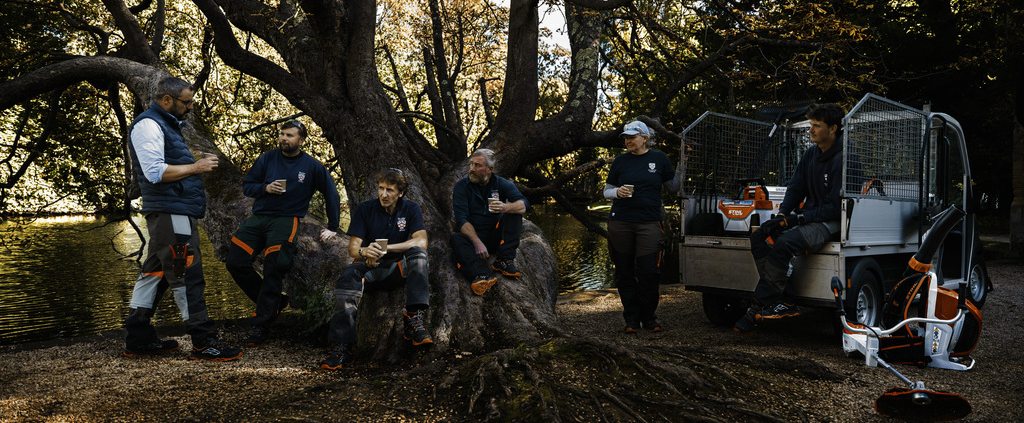
STIHL ALLPRO battery system in use at the University of Oxford

STIHL ALLPRO battery system in use at the University of Oxford

STIHL ALLPRO battery system in use at the University of Oxford

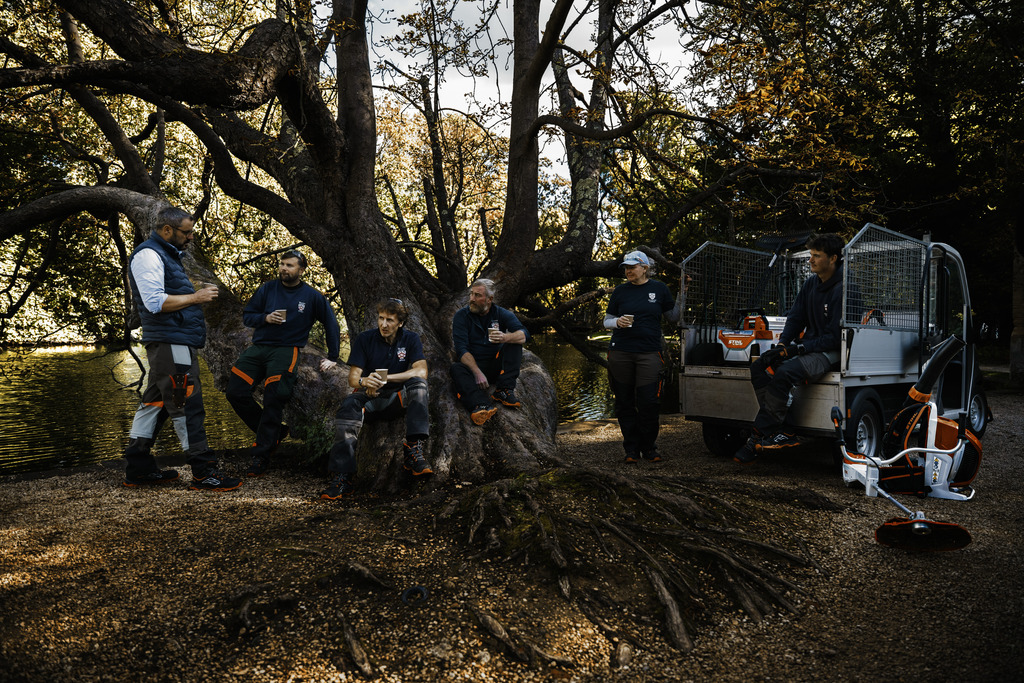
Designed to making working with battery tools even more convenient and cost-effective, STIHL’s ALLPRO battery system offers fully charged tools within minutes, as well as increased capacity and multiple efficiency benefits. Here, the gardeners at Worcester College, University of Oxford, put the new battery system to the test.
STIHL ALLPRO battery system in use at the University of Oxford

STIHL ALLPRO battery system in use at the University of Oxford

The approximately 11-hectare grounds of Worcester College include picturesque medieval cottages as well as extensive green spaces, some of which are open to the public. Maintaining the diverse grounds, ranging from sports pitches and manicured lawns to intricate topiary sculptures, is the responsibility of a nine-person gardening team led by Simon Bagnall, Head of the Gardens and Grounds Department.

On such a vast site, it is particularly important to spend as little time as possible recharging batteries and transporting them to the work site. With that, ahead of the system’s official market launch, the Worcester College grounds team tested batteries from STIHL’s new ALLPRO Performance Series.

STIHL ALLPRO battery technology for professionals 

STIHL ALLPRO batteries are setting new standards in energy management for gardening, forestry, and municipal professionals. Designed for use in the toughest conditions, ALLPRO batteries can be recharged to 80 percent in less than ten minutes, using the AL 1802 MO High-Speed Charger. This represents a time saving of around 40% compared to the AP 300 S from the previous generation STIHL AP battery system. This means that the grounds team in Oxford can recharge their batteries during a short tea break.

STIHL ALLPRO for a range of professional applications

During the ALLPRO test phase, the gardeners at Worcester College used a range of professional equipment across various applications.

STIHL MSA 260 C-O Battery-Powered Chainsaw 

Gardener Mike Skelton used the new MSA 260 C-O Battery Chainsaw with an ALLPRO AP 200 P battery, designed to achieve a high performance with low weight.

Mike says of his experience: “I’m felling a tree with a trunk as thick as a leg, made of very dense wood and you can really feel that the motor has plenty of torque when making crosscuts. At the same time, the chainsaw is wonderfully manoeuvrable when limbing. It’s pleasantly light, as well as simple and comfortable to use.”

STIHL FSA 200 R Battery-Powered Brushcutter  

Gardener Taissa Csaky, who once studied at Worcester College herself, worked with the STIHL FSA 200 R Brushcutter and ALLPRO AP 300 P battery. Taissa is tasked with cutting three meadows, including a vast flower meadow, where preserving biodiversity is key.

Taissa describes her experience: “The brushcutter’s power can be controlled very precisely, so I can apply it particularly intensively where it’s needed. I have the batteries where I need them – one in the machine, one on my belt and two more in reserve. With these four batteries and an on-site charging option, I’m able to work through the whole day.”

STIHL BRA 600 Battery-Powered Backpack Blower

Taissa’s colleague, Jacob Fielding-Bishop worked with STIHL’s BRA 600 Backpack Blower as part of the test.

Jacob, comments: “I collect leaves using the BRA 600, which is powered by two units of the top-of-the-range model in the ALLPRO series, the AP 300 P battery. The consistent power it delivers is truly amazing. The system is ideal for clearing large areas and for difficult tasks, such as dislodging wet leaves from the ground.”

Once the batteries were flat, Jacob took a quick tea break to recharge, using the new AL 1802-MO High-Speed Charger. A short while later, he was able to get back to work. He confirms: “They’re already 80 percent charged after less than ten minutes.”

STIHL HSA 140 T Battery-Powered Hedge Trimmer

Finally, team leader Simon Bagnall, picked up the HSA 140 T Hedge Trimmer, along with AP 100 P battery – the lightest battery model in the ALLPRO Performance range. The head gardener used the tool to trim a yew hedge.

Simon comments: “The machine, together with the plug-in battery, is well balanced and extremely manoeuvrable, making it perfect for these hedges where we want to achieve a really precise cut.”

STIHL mobile charging solutions 

The gardeners at Worcester College also gained experience with STIHL’s mobile charging solutions. The new STIHL AL 1802 MO High-Speed Charger offers great efficiency, ensuring rapid charging on the go. With a charging power of 1,800 W, the solution can charge an ALLPRO AP 300 P battery to 80 percent in less than ten minutes.

By combining the AL 1802 MO High-Speed Charger with the PS 2000 Portable Power Supply on the loading area of their van, the professional gardeners were able to charge their tools’ batteries quickly and as needed, meaning that they needed to prepare and carry fewer units to keep working throughout the day. Until now, the gardening team has been charging their batteries slowly overnight using the wall-mounted charging station in the workshop.

Simon estimates: “In a team of four, we use about ten batteries in a single working day.” He continues: “With the energy from the power station and the fast charger, we can charge six batteries on the go. This allows us to work more flexibly and efficiently, and we need fewer batteries. Because of their higher energy capacity and the ability to charge on the go, we don’t have to take a carload of charged batteries with us in the morning. All in all, this reduces the total cost of ownership.”

Summing up the STIHL ALLPRO experience  

Head Gardener Simon Bagnall sums up the ALLPRO experience: “We’ve worked really well with the test units, got a lot done, and the new batteries have supported us perfectly.”

He adds: “A real bonus is how quickly the batteries charge, so we can get lots of jobs done without long interruptions, swap the battery quickly and get straight back to work. Quick battery swaps and fast charging on the go – that has made a huge difference to our work.”

STIHL at 100 

ALLPRO arrives as STIHL celebrates its 100th anniversary. Since 1926, STIHL has defined the global standard for battery and petrol-powered forestry, landscaping, and residential gardening equipment for professional and domestic users.

About Worcester College at the University of Oxford 

The historic Worcester College at the University of Oxford offers a wide range of academic research and teaching, which has continued to evolve since its foundation in 1714. Today, the college is one of the most popular among prospective students in Oxford.

For the full case study, please visit: https://www.youtube.com/watch?v=hfsQMKD9sQc

For more information on STIHL products, visit www.stihl.co.uk or contact your nearest STIHL Approved Dealer.

Find out more about STIHL’s historic milestone, here: https://100.stihl.com

For the latest industry news visit turfmatters.co.uk/news

Get all of the big headlines, pictures, opinions and videos on stories that matter to you.

Follow us on Twitter and Instagram for fun, fresh and engaging content.

You can also find us on Facebook for more of your must-see news, features, videos and pictures from Turf Matters
ELiTE equipment for an elite golf club

ELiTE equipment for an elite golf club

ELiTE equipment for an elite golf club

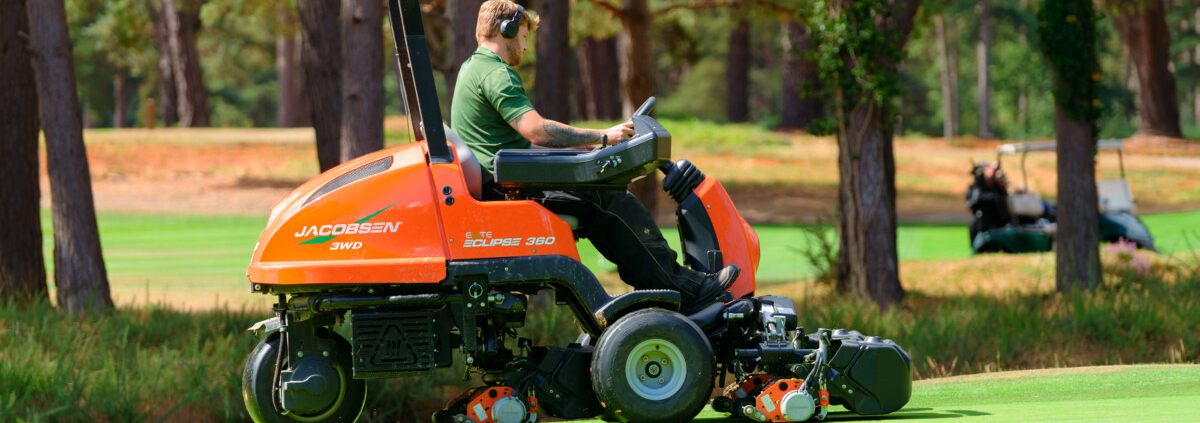
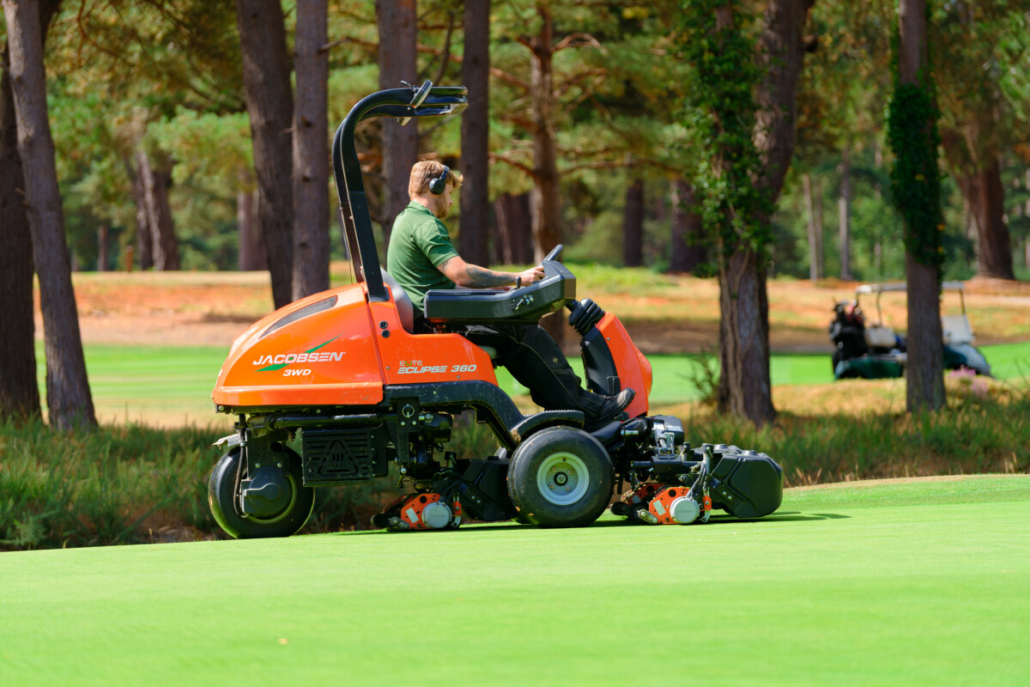
Wildwood Machinery and Ransomes Jacobsen team up to supply Ferndown Golf Club in Dorset with a state-of-the-art, lithium-powered mower.

ELiTE equipment for an elite golf club

ELiTE equipment for an elite golf club

Sometimes a product is just too good to ignore. While Ferndown Golf Club’s Course Manager, Danny Murray, wasn’t actively looking for a new greens mower, he is always looking for ways to improve the playing experience for his members and guests.

As Danny himself says, “There’s a lot of innovation in the turfcare market right now, and sometimes you feel as though you could be updating your equipment every few weeks. Mostly, of course, these are marginal upgrades. We weren’t actually in the market for a new greens mower, but I kept hearing good things about the Jacobsen Eclipse 360 ELiTE, and when James Bastian of Wildwood Machinery called me, I wanted to know more.”

As a Jacobsen dealership, Wildwood was delighted to recommend, and then demonstrate, deliver and support the Eclipse 360 ELiTE mower. As Ransomes Jacobsen’s Southern England Regional Sales Manager, Ben Rumsey says, “Wildwood has a rapidly-growing reputation as a supplier of state-of-the-art turfcare equipment to prestigious golf clubs and elite football clubs in Hampshire, Surrey and London. The quality of service and support they are offering customers is a perfect match for the Jacobsen brand.”

Powered by a 250Ah lithium battery, the Eclipse 360 ELiTE is capable of covering 143,000 square feet – the equivalent of 50+ typical golf greens on a single charge – so there is no issue with capacity and durability. The real game-changer however, is the adjustable frequency of clip, which lets the team dial in a finer cut-quality, effectively delivering a double-cut in a single pass.

“That facility,” according to James Bastian, “has added a whole foot of speed to Ferndown’s already immaculate putting greens.”

Danny Murray says the elevated speeds they are achieving on the stimpmeter meet elite-level requirements, adding to Ferndown’s reputation, the playing experience for their members, and their capacity to host tournaments.

“The real stand-out benefit of the Jacobsen Eclipse 360 ELiTE is the quality of the cut,” says Danny, “with the added benefit that the greens require less rolling to maintain their speed.” “As an electric machine it also meets our sustainability objectives, and is near to silent which is a big benefit for a Club such as Ferndown where we want to nurture our relationships with neighbours.”

“With our own association with East Horton Golf Club, we know how challenging this summer has been for all turfcare professionals,” says Wildwood’s Managing Director, James Bastian. “It’s been great to see just how well the Jacobsen Eclipse 360 ELiTE has worked for Danny at Ferndown. We’re delighted to be working closely in partnership with Ransomes Jacobsen to introduce their innovative technology across the South of England.”Ferndown Golf Club:

  • Ferndown’s Old Course – opened in 1913 – is ranked 93rd in Golf Monthly’s Top 100 UK & Ireland list (2025/26).
  • The Club has hosted events including the Hennessy Cognac Cup, the European Ladies’ Championship, and the Women’s British Open.

Jacobsen Eclipse 360 ELiTE – highlights:

  • Powered by a 250Ah lithium battery using Samsung SDI cells, with a 5-year battery warranty and 2-year machine warranty.
  • Zero hydraulic oil, filters, or exhaust emissions — no maintenance downside to going electric.
  • Frequency of cut is electronically adjustable from 0.91mm to 6.35mm, with consistent results regardless of operator input.
  • 15-blade Jacobsen reels means more cuts per foot of travel, producing a finer, smoother cut quality.
  • The lighter roller reduces compaction and stress on the surface, protecting greens during high-stress summer periods.

Eclipse 3WD kit — improves traction and spreads the machine’s weight more evenly, reducing wheel marking and scuffing

For the latest industry news visit turfmatters.co.uk/news

Get all of the big headlines, pictures, opinions and videos on stories that matter to you.

Follow us on Twitter and Instagram for fun, fresh and engaging content.

You can also find us on Facebook for more of your must-see news, features, videos and pictures from Turf Matters
Makita new product launches prove three is the magic number

Makita new product launches prove three is the magic number

Makita new product launches prove three is the magic number

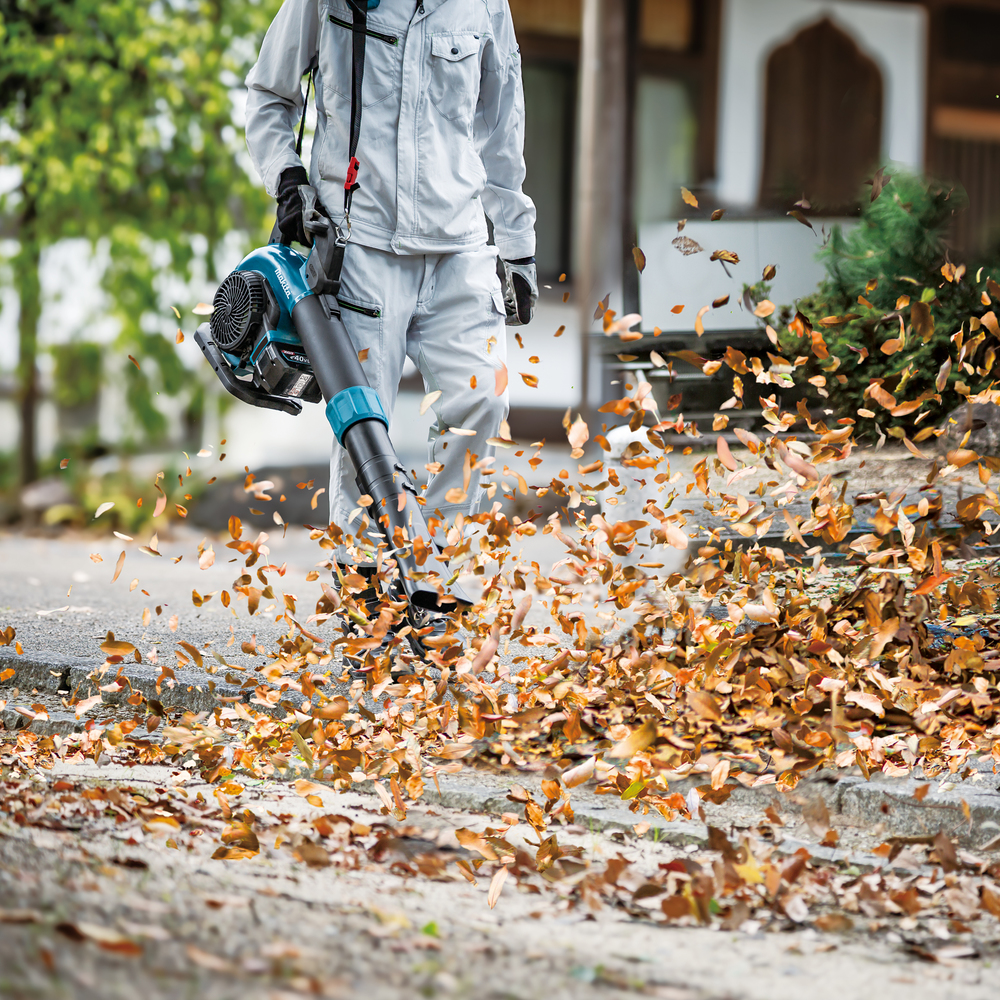
Makita has launched three new products that adopt its 40V max XGT battery – the UB003G Blower, the UB004G Backpack Blower and the UB005G Blower Vacuum. All three high-quality cordless machines have been designed for trade professionals that require reliable performance, powerful air velocity and ease of use.

Makita new product launches prove three is the magic number

Makita new product launches prove three is the magic number

The new brushless UB003G 40V Blower XGT can be used as both a blower and vacuum with an easy to disassemble suction pipe and nozzle, and a collection bag that is simple and hassle-free to empty. With variable speed options via a cruise control lever, it is ideal for efficiently tackling the job of blowing and collecting leaves.

Furthermore, the UB003G also comes with a range of practical accessories including a new vacuum kit that offers a 50L capacity, as well as a gutter nozzle set and a gutter nozzle adapter pipe.

Next in the series is the UB004G Backpack Blower, which offers power comparable to a 65 cc-class engine. Benefiting from two BL4080H batteries, it provides a run time of 38 minutes on low mode and 14 minutes on high mode.

Users will also appreciate it is comfortable and easy to use. The 8.8kg backpack blower is 40% lighter when compared to the previous model, designed to be comfortable for the user, with the batteries sitting towards the lower back, removing a lot of the weight and potential back ache experienced when using traditional backpack blowers. Features include a large control panel that offers excellent visibility and operability. Air volume can be adjusted and held by pressing the button at any trigger position, and a one-touch airflow lock via a push button provides cruise control. Two additional accessories are also available to further enhance comfort, which are the 1917R0-0 Battery Holder and the 1917R2-6 Cushion Belt Set.

Concluding the new trio is the lightweight UB005G Blower Vacuum XGT. Designed with a one touch lever, users can change easily between its low vacuum mode, suitable for collecting fallen leaves while avoiding small stones, and its high blowing mode for tackling large amounts of fallen leaves.

With a maximum air velocity in blower mode of 87.0m/s and a maximum vacuum mode of 150W, the UB005G delivers enhanced blowing and vacuuming performance. Available accessories include a handy wide nozzle and charger for the portable pack.

“Power, performance and ease of use are absolutely key when it comes to developing a high-quality blower and vacuum that can live up to the expectations of professional users,” said Kevin Brannigan, Marketing Manager at Makita UK. “The three latest Makita launches address all three areas; ensuring that the UB003G, UB004G and the UB005G from our XGT battery platform deliver on all fronts.”

For further information please visit: www.makitauk.com or contact a member of the Makita IOS team to arrange a local demonstration.

For the latest industry news visit turfmatters.co.uk/news

Get all of the big headlines, pictures, opinions and videos on stories that matter to you.

Follow us on Twitter and Instagram for fun, fresh and engaging content.

You can also find us on Facebook for more of your must-see news, features, videos and pictures from Turf Matters

The industry faces a challenge efficiency alone can't solve

The industry faces a challenge efficiency alone can’t solve

The industry faces a challenge efficiency alone can’t solve

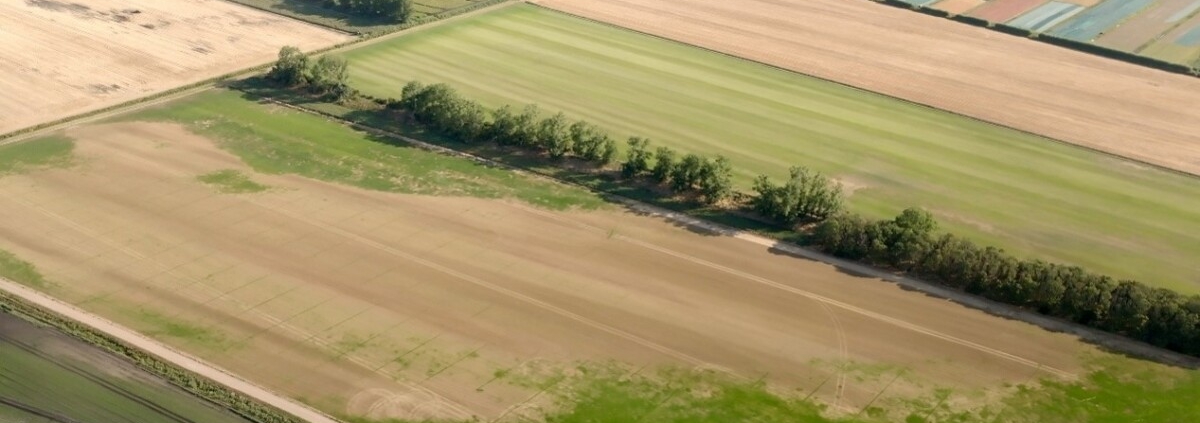
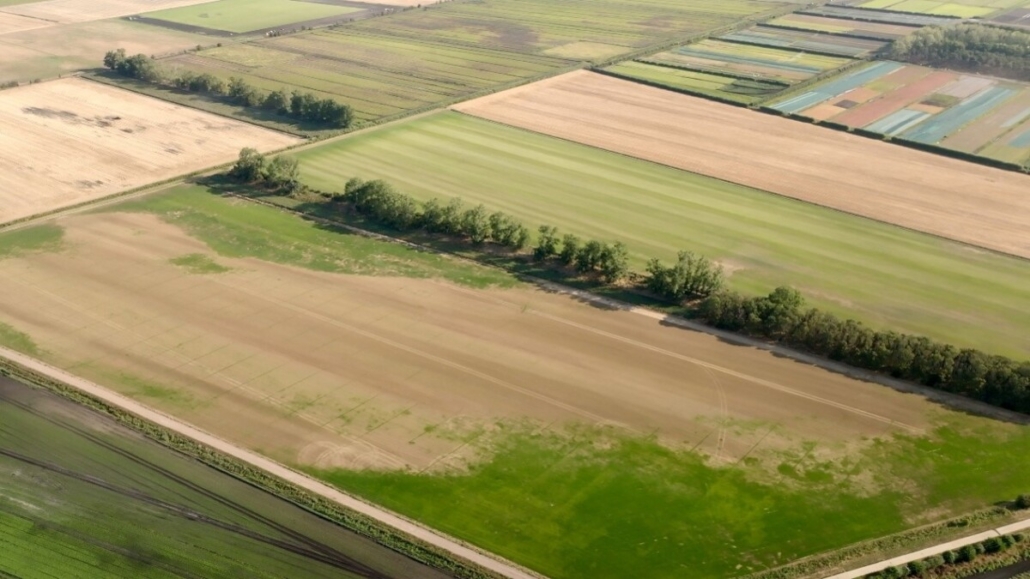
The turf industry of today is almost unrecognisable from the one operating at the turn of the century.

The industry faces a challenge efficiency alone can't solve

The industry faces a challenge efficiency alone can’t solve

Harvesting that once required turf to be stacked by hand can now be highly automated. Modern machinery operates with far greater precision. GPS technology reduces unnecessary overlap. Irrigation can be informed by real-time weather and soil-moisture data, while soil testing and variable-rate spreading allow fertiliser to be applied according to actual crop requirements.

For more than 25 years, turf growers have invested, innovated and become significantly more efficient.

But the extreme growing conditions experienced during 2026 have exposed an uncomfortable reality. There are some challenges that greater efficiency alone cannot solve.

And as increasingly volatile weather changes the conditions in which turf is grown, we believe the next phase of innovation will increasingly be about something else: resilience.

25 years of increasing efficiency

The turf industry has not stood still. Advances in tractors and harvesting equipment have increased productivity and reduced many of the physical demands once placed on farm teams. Irrigation technology has evolved considerably.

At Harrowden, Raindancer technology is used on irrigation reels to control the timing and application of water more accurately. Sencrop weather stations, forecasts and soil-moisture probes help our teams understand when irrigation is actually required.

Soil testing and variable-rate spreading mean fertiliser can be applied according to crop requirements rather than treating every area in exactly the same way.

These developments have enabled growers to make increasingly intelligent use of water, fertiliser, fuel, machinery and people. So improving consistency and reducing unnecessary inputs and waste.

But there is another important consideration too. Modern turf production cannot simply respond to more challenging conditions by continually applying more water, more fertiliser or more inputs.

Growers have a responsibility to farm efficiently and responsibly. We must use resources according to what crops genuinely need and reduce unnecessary inputs wherever possible.

That means the challenge facing the industry is no longer simply how to produce more with less.

Increasingly, it is how to remain productive when some of the resources growers depend upon become less predictable.

When efficiency meets its limits

Water provides perhaps the clearest example. Turf farms can be equipped to irrigate crops on a rotational cycle across large growing areas. In normal conditions, that allows available water and equipment to be moved efficiently between fields.

But during prolonged periods of extreme heat and drought, the frequency with which crops require water can increase dramatically. A system capable of working across a farm on approximately a ten-day irrigation cycle may face conditions in which turf requires water every few days.

Building sufficient infrastructure to meet that level of peak demand across an entire farm would require enormous investment for conditions that may occur for only part of the year.

And infrastructure is only one side of the equation. Even with additional pumping and irrigation capacity, growers cannot apply water that simply isn’t available.

Access can be a challenge too. On farms which use ditch networks to move irrigation water around the site, falling water levels can make it considerably more difficult to get water to particular growing areas, requiring additional pipes, transfers and water management.

High temperatures can increase water demand at the same time as evaporation increases and available water resources come under greater pressure.

Analysis provided to Harrowden by MapleSky’s environmental data scientist Dr Tim Farewell shows the time between the start and end dates of the theoretical thermal growing season in Eastern England has increased by approximately seven days per decade.

It demonstrates the limit of even increasingly sophisticated technology: efficiency can help growers make the best possible use of a resource, but it cannot create more of that resource.

2026 – an exceptional year, or a sign of what’s ahead?

This is where the experience of 2026 becomes particularly important. The exceptionally hot and dry conditions experienced this summer placed significant pressure on turf production across the UK, but longer-term climate data suggests growers need to think beyond one difficult summer.

Average growing seasons have increased from around 222 days in the 1980s to approximately 244 days during the 2020s.

On paper, that sounds positive.

The reality on the ground is more complicated.

Over the same period, average summer temperatures have increased, spring and summer rainfall have fallen and the number of days experiencing significant summer soil-moisture deficits has risen considerably. Winters, meanwhile, have become wetter.

For turf growers, that creates a contradiction. Temperature is only one part of successful turf production. Soil conditions, water availability, machinery, labour and suitable access to the land all need to come together at the right time.

So while temperatures may theoretically allow grass to grow for longer, the windows in which conditions are actually suitable for successfully establishing and producing a crop can become harder to predict.

Dr Farewell said: “The UK climate is changing to one with an earlier start, and later end, of the theoretical grass growing season. But this does not necessarily mean easier growing conditions. With springs and summers both becoming much hotter and drier, this increases both soil moisture deficits and water demand.

At the same time, wetter winters create a different set of challenges. It is the increasing extremes of those conditions that growers will need to adapt to.”

Our own farm teams are already seeing those changing patterns first-hand.

Late-spring sowings can struggle to establish before high temperatures arrive, while drought followed by excessive autumn rainfall can compress the window in which conditions are suitable for sowing.

And when a crop fails to establish as expected or is damaged by difficult growing conditions, the consequence isn’t necessarily just a delay. It can mean additional renovation, greater waste and more work before that area is ready to produce turf again.

Warmer conditions also affect how turf is harvested. We typically move to night-time harvesting between early June and early September, depending on conditions, allowing turf to be loaded and delivered the same day to reduce the risk of turf heating once it has been stacked on pallets.

The economics of growing turf have changed too

All of this is happening against another changing backdrop. Many of the underlying costs associated with agricultural production have risen substantially over the past 25 years.

Data we have compiled using Office for National Statistics and Defra figures shows that between 2000 and 2025, wider agricultural input costs increased by around 131%, while red diesel rose by more than 200%, wages by around 230% and compound fertiliser by more than 300%.

Over approximately the same period, historic purchasing data from within the business shows that the ex-field price paid for turf increased by approximately 86%.

The comparison does not mean every turf grower has experienced identical cost or pricing movements. Prices vary according to supplier, customer and commercial model, while individual input costs can fluctuate considerably from year to year.

What it does illustrate is the wider economic environment in which the sector has spent decades driving greater efficiency.

For years, investment in technology, productivity and better growing methods has enabled turf businesses to respond to changing costs and market conditions.

But what happens when the variable that changes is the growing environment itself?

The next challenge is resilience

None of this means the industry’s drive for greater efficiency is over.

Better water management, increasingly precise irrigation, improved grass varieties, smarter use of data and further advances in machinery all have an important role to play.

But after decades of focusing on how to become more efficient, the experience of recent years suggests the next phase of innovation cannot be measured by productivity alone.

Efficiency is about doing more with the resources available. Resilience is about remaining productive when the availability and reliability of those resources change.

That means continuing to invest and innovate, but with an increasing focus on how turf production adapts to less predictable growing conditions – from the way water is managed and crops are established to the technology, data and expertise used to make decisions.

Stuart Ridd-Jones, Director at Harrowden, said: “Turf production has changed enormously over the last 25 years and the industry should be proud of how far it has come. It is more sophisticated, more precise and more efficient than it has ever been.

Efficiency alone is not enough

“But 2026 has shown us that there are some things efficiency alone cannot solve.

“We can invest in better machinery, use data to make smarter decisions and apply water and fertiliser with greater precision. We can continue improving the way we grow, and we absolutely will.

“What we can’t do is manufacture water that isn’t available or control the conditions in which our crops have to grow.

“The challenge now is not simply becoming more efficient. It’s making sure we’re adapting and building resilience into the way we grow for the conditions we’re increasingly likely to face.”

The summer of 2026 may eventually be remembered as an exceptionally challenging growing season.

But it may also prove to be the point at which a highly efficient industry was forced to confront a different question.

After 25 years of transforming how turf is grown, how does the sector adapt when the environment it’s growing in is transforming too?

For the latest industry news visit turfmatters.co.uk/news

Get all of the big headlines, pictures, opinions and videos on stories that matter to you.

Follow us on Twitter and Instagram for fun, fresh and engaging content.

You can also find us on Facebook for more of your must-see news, features, videos and pictures from Turf Matters
GroundsFest 2026 Proves Community is Driving the Industry Forward

GroundsFest 2026 Proves Community is Driving the Industry Forward

GroundsFest 2026 Proves Community is Driving the Industry Forward

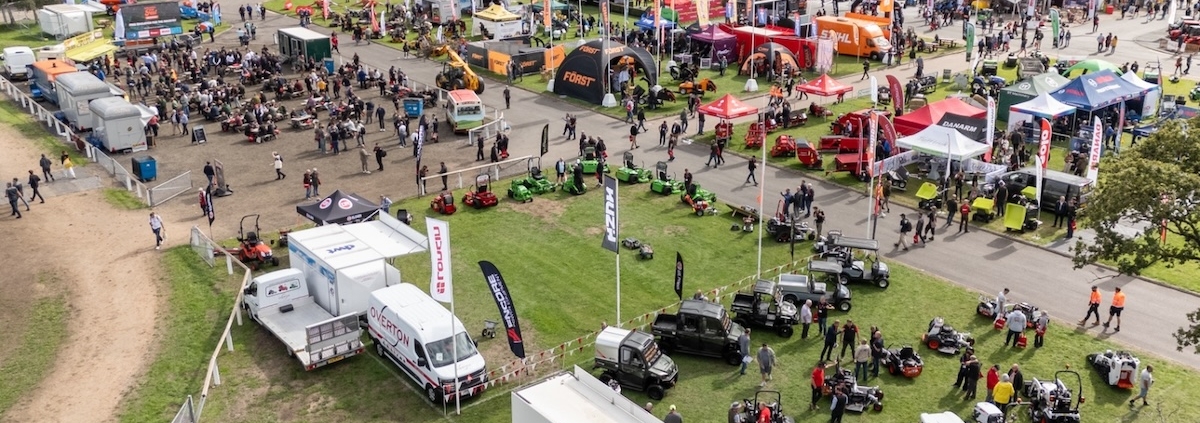
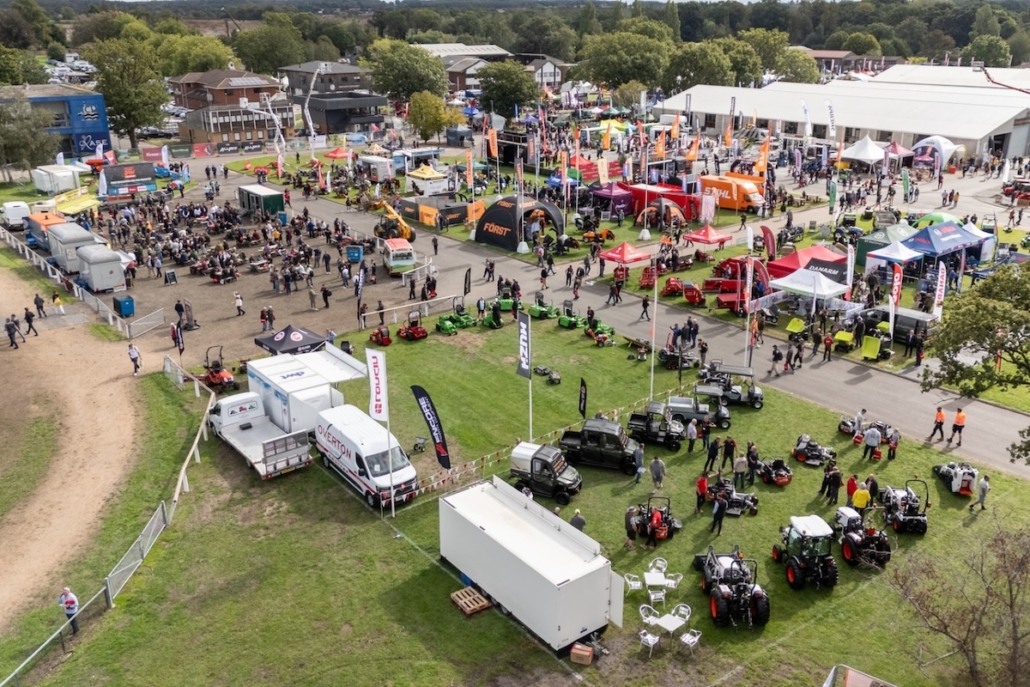
GroundsFest 2026 has once again demonstrated why it has become the industry’s must-attend event, bringing together every corner of the groundscare, landscaping, amenities and outdoor industries for two unforgettable days at Stoneleigh Park.

GroundsFest 2026 Proves Community is Driving the Industry Forward

GroundsFest 2026 Proves Community is Driving the Industry Forward

A total of 10,664 unique visitors attended the fourth edition of GroundsFest, marking another significant milestone in the event’s remarkable growth. What began in 2023 across approximately 8,500 square metres has expanded to cover more than 42,000 square metres – a reflection of increasing demand from both exhibitors and visitors alike.

The growth was evident throughout the show. More exhibitors than ever before took part, many returning companies increased the size of their stands, and visitors were treated to the largest collection of brands and a record number of new product launches ever seen at GroundsFest.

Yet, while the figures tell one story, it was the atmosphere that became the biggest talking point.

Throughout the two days there was a genuine sense of positivity across the show.

Busy aisles, smiling faces and packed stands created an environment unlike any other industry event. This years event saw a substantial increase in local authorities and professional groundscare including football, rugby and golf clubs. Time and again, visitors and exhibitors commented on the welcoming, relaxed feel of GroundsFest and the strong sense of community that has become synonymous with the event.

Innovation remained at the heart of GroundsFest, with exhibitors unveiling a record number of new products and technologies. Live demonstrations gave visitors the opportunity to see machinery in action and try equipment for themselves, while manufacturers showcased the latest developments designed to improve productivity, sustainability and performance across the industry.

Education continued to play a major role, with free seminars taking place across four theatres throughout both days. Experts from across the industry shared practical advice, technical knowledge and business insights, while delegates were able to collect valuable CPD points.

Popular features including Machinery Nation LIVE, Lawn Mower Racing, sponsored by Kramp, and the Landscape Zone, in partnership with BALI, once again attracted large crowds, while the live music festival rounded off the first day with an evening of entertainment, food, drinks and networking in GroundsFest’s unique festival atmosphere.

Stoneleigh Park also continued to receive praise from exhibitors and visitors alike. Exhibitors highlighted the ease of setting up and operating at the venue, while visitors appreciated the free parking, easy access and complimentary shuttle coaches running between Leamington Spa railway station and the showground.

Christopher Bassett, Event Director of GroundsFest, said:

“When we launched GroundsFest in 2023, we wanted to create an event that truly reflected what the industry was looking for. Four years on, it’s incredibly rewarding to hear so many people say that GroundsFest feels different – it’s welcoming, it’s relaxed, it’s enjoyable and, above all, it brings the whole industry together.

“The growth has been phenomenal, but what makes us incredibly proud is the atmosphere. Everywhere you looked people were talking, learning, doing business and enjoying themselves. That’s exactly what GroundsFest is all about.

“The whole GroundsFest team would like to thank every exhibitor, visitor and partner for helping make this year’s event such a success. We’ll continue to listen, continue to invest and continue to evolve, ensuring GroundsFest remains an event the entire industry can be proud of.”

With record visitor numbers, unprecedented exhibitor growth and an atmosphere that continues to set it apart, GroundsFest has firmly established itself as one of the UK’s most important events for the groundscare and landscaping industries.

GroundsFest will return to Stoneleigh Park, Warwickshire, on 15 and 16 September 2027.

For more information, visit at www.groundsfest.com

For the latest industry news visit turfmatters.co.uk/news

Get all of the big headlines, pictures, opinions and videos on stories that matter to you.

Follow us on Twitter and Instagram for fun, fresh and engaging content.

You can also find us on Facebook for more of your must-see news, features, videos and pictures from Turf Matters