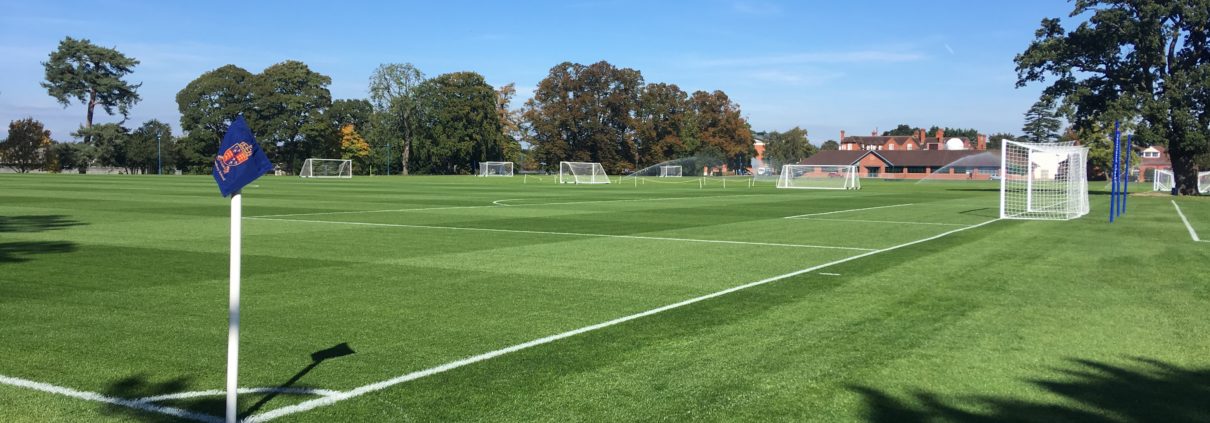
Turf News is the perfect place for professionals working within the UK’s vibrant turf industry – keeping you up-to-date with topical news, latest market developments and much more across all areas of the industry.
NEWS ARTICLES

Irrigating During Heat

Irrigating During Heat: Reesink Turfcare’s Robert Jackson discusses irrigating during warm weather.

2018 was certainly the year irrigation systems across the country had their work cut out. It delivered the hottest weather the UK had experienced since 1976 and in some parts of the country months passed without rainfall.

Irrigating During Heat

Many clubs react to extreme weather by seemingly panicking that their irrigation system isn’t up to scratch, and then as soon as the weather’s back to normal quickly forgetting the frustration. My advice would be, don’t! Have an extreme weather programme in place and invest now to ensure that if the same happens again, you’re prepared.

An irrigation system is designed to supplement rainfall, not replace it. Even the most advanced and expensive irrigation systems may have dry and wet areas, particularly during prolonged dry spells. The proper irrigation management goal is to provide water based on the wetter not drier areas. When the system has completed its cycle, and if needed, dry areas can be supplemented with spot or hand watering, typical, for example, with greens and surrounds.

It’s long been recognised that a blanket application of water is not only wasteful, but during a heatwave sometimes not possible, and tackling this in practice is now made easier with improved sensor technology, control software and advanced sprinkler designs. The ability to accurately tailor water application to precise conditions and requirements can help ensure turf will respond as expected in relation to its localised environment.

Measuring changes in moisture, temperature and other variables such as salinity is not new. What modern technology can do is make this monitoring not only easier but integrate it into how the irrigation system is controlled. Take the wireless Toro Turf Guard soil monitoring system. The system employs self-contained sensor units that can be positioned without the need for wiring. Each sensor sends signals to monitoring software, repeaters and a powerful base station allowing large areas to be covered.

Data is recorded and enables more informed adjustments to irrigation schedules to be made. As well as water-saving benefits, accurate monitoring can help alert users to the conditions that can lead to other problems, drainage issues and turf stress. As the wireless sensors are not static, they can be moved around to easily optimise their positioning, taking into account changes in shading on a pitch through to moving to a different position on a green.

Irrigating During Heat

It follows that soil monitoring systems were primarily developed to prevent over- and under-watering. Equally important, information recorded by soil monitoring provides valuable data over extended periods. Using this information can help ensure an irrigation system can be adapted over time to make the best use of applied water, with the potential to decrease consumption and help maintain sward health.

Computer-based software, such as the Toro Lynx system, can be employed to deliver not just irrigation control, but detailed information when it’s in use. With portable tech, it allows the irrigation system to be ‘interrogated’ while other tasks are carried out.

For example, those systems programmed to set off the sprinklers late at night can be monitored remotely, with the software detailing which sprinklers are running and for how long. The system can be set up to work with soil sensors, to include Turf Guard wireless units, providing an alert when the sensor picks up a change in moisture that may need attention. This provides the information to support the decisions required to programme the irrigation control system.

The problem with an outline like this is that it can over simplify what’s on offer. The Toro Lynx programme is advanced enough to provide full mapping of a golf course, but equally at home looking after a single stadium football or rugby pitch. It is designed to fit user needs and be upgraded to take advantages in developing technology.

In conclusion, a modern irrigation system can deliver not just the correct volume of irrigation water to specific areas of turf, but also provide detailed information that can be of great help in monitoring overall turf health. The best irrigation systems optimise available irrigation water to reduce costs and will deliver reliable and upgradeable performance over its lifetime, no matter what the weather!

For more information, visit: reesinkturfcare.co.uk

For the latest industry news visit turfmatters.co.uk/news

Get all of the big headlines, pictures, opinions and videos on stories that matter to you.

Follow us on Twitter and Instagram for fun, fresh and engaging content.

You can also find us on Facebook for more of your must-see news, features, videos and pictures from Turf Matters.
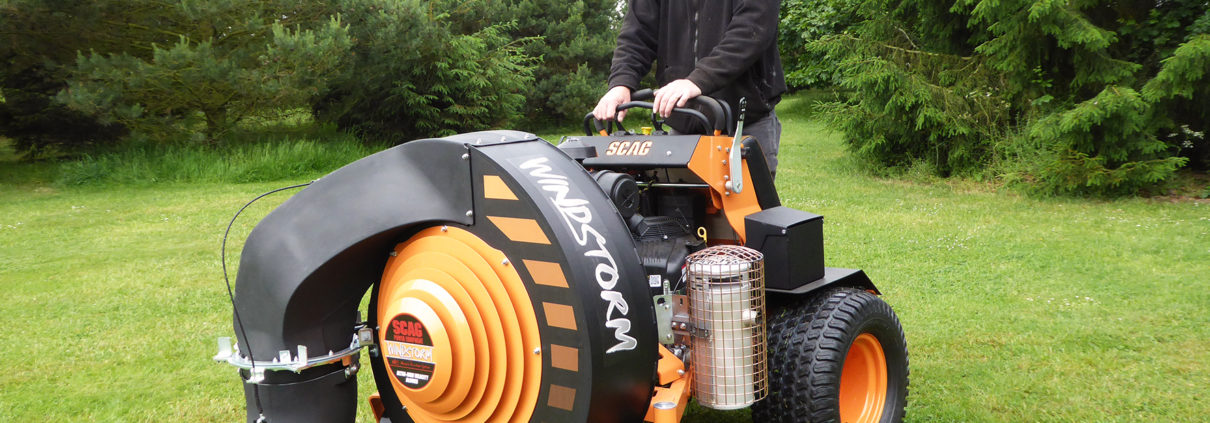
AEA Appoint New President

AEA Appoint New President: Newly elected President of the AEA, Mr Adrian Winnett, speaks of the need to retain and attract young talent into agriculture and engineering.

The UK agricultural engineering industry needs to continue finding ways to retain and attract young talent, not just from within but also from outside the industry, according to the newly-elected President of the AEA.

AEA Appoint New President

Adrian Winnett, Managing Director of Argo Tractors operations in the UK and Ireland, said: “It is a terrible shame that beyond our own circle neither of the words ‘agriculture’ and ‘engineering’ resonate in terms of a career choice with the majority of young people.

“Yet we all know what challenging, fulfilling and rewarding opportunities there are in agriculture generally and in the agricultural and groundscare machinery sectors in particular.”

Speaking at the annual conference of AEA, the organisation for machinery manufacturers and importers, Mr Winnett suggested that from the outside, agriculture is often thought of as being another world, of being insular and open only to those already in it with personal experience of farming or at least of rural life.

“We must do our bit to help change those perceptions if we are to capitalise on the wealth of talent that, at present, is attracted to other industries and commercial sectors.”

After two years as Chairman of the AEA’s Farm Equipment Council, Adrian Winnett was elected President by fellow members of the AEA’s management board.

“It’s an honour I couldn’t have imagined when I left school and started repairing tractors at my father’s equipment dealership in Towcester,” he said. “And, frankly, it wasn’t something I could foresee at any other time during my career in tractor and farm equipment sales.”

In September 2018, after around 10 years running the Amazone farm equipment business in the UK, Adrian Winnett was appointed Managing Director for the UK and Irish markets by Argo Tractors, the Italian manufacturer of Landini and McCormick products, with plans to recruit a larger team to support an expanded dealer network as a driver for increased sales.

“Dealer networks are restructuring as more manufacturers go ‘full line’ in the hope of securing more business from their dealerships,” he points out. “Argo remains focused on its core products – tractors from 43-310hp – while emphasising its support for dealer independence, which enables them to decide on the other products they sell.”

As President of the AEA, his role will be to lead the management board while the farm equipment and outdoor power equipment councils and specialist groups on manufacturing, training and education, chemical applications, sprayer testing, service management and all-terrain vehicles focus on current issues and initiatives.

“Consultation on proposed legislation as it impacts machinery and helping members interpret and implement new rules when they are introduced remain key functions of the AEA, along with the statistics and export services,” says,” Mr Winnett. “As our relationship with the rest of Europe and the world evolves, I think membership of the AEA by agricultural and outdoor power equipment companies has never been more important.”

For the latest industry news visit turfmatters.co.uk/news

Get all of the big headlines, pictures, opinions and videos on stories that matter to you.

Follow us on Twitter and Instagram for fun, fresh and engaging content.

You can also find us on Facebook for more of your must-see news, features, videos and pictures from Turf Matters.
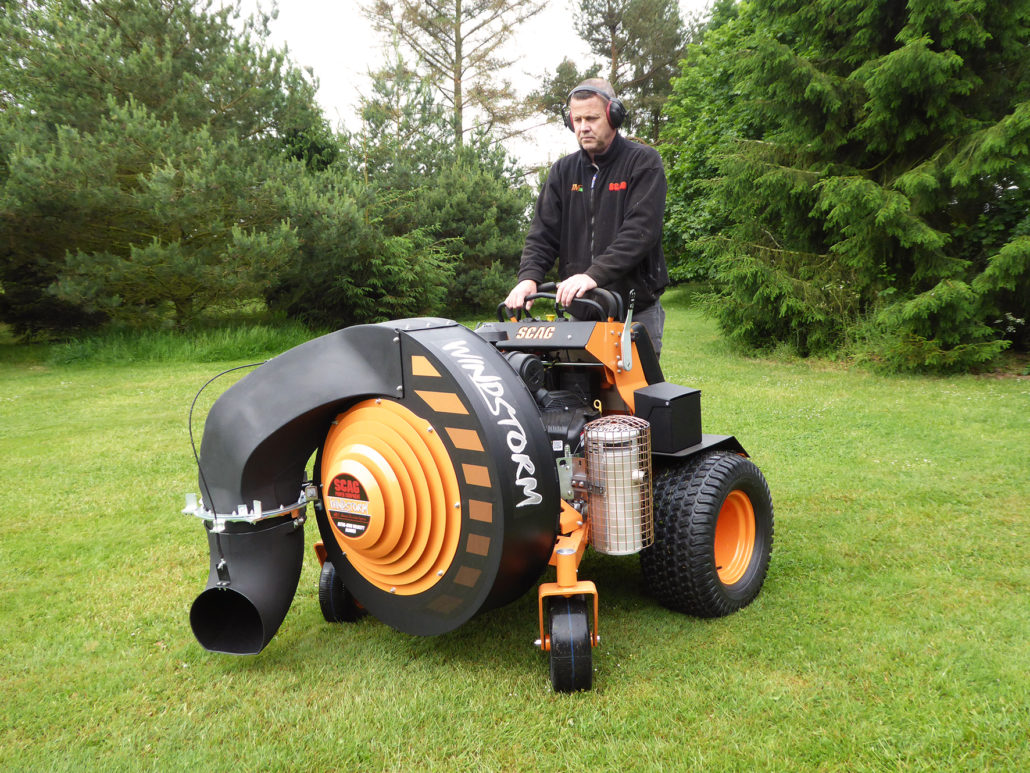
Tributes Paid To Bob Black

Tributes Paid To Bob Black: Tributes have been paid to a community stalwart who supported football clubs in his area for more than 40 years.

Bob Black, of Evenwood, was a passionate fan of Evenwood Town Football Club and became well known for helping out with everything from fixing stands to painting on the white lines.

Mr Black, a factory worker, was established as the voluntary groundsman and never missed a game or training session if he could help it.

When the club disbanded in the early noughties, he offered his skills to Spennymoor Town Football Club before settling at Bishop Auckland Football Club at their Heritage Park site where his grandson Harry plays for the St Mary’s team.

Mr Black met his wife Anne in 1972 and the couple were married in 1974.

They had two children, Michael and Andrea as well as five grandchildren and a happy marriage which often involved trips to the football.

Mr Black retired in August 2016 before being told he had lung cancer in February 2017.

He underwent an operation to remove the cancer and was back to his positive self before being told it had returned about six weeks ago.

“The worst part of him being ill was not being able to go to the football – he was in hospital with a chest infection but was always planning on coming back out,” Mrs Black said.

“He was always so positive and did not give in to it.”

Mrs Black added: “He was easy going and nothing was a trouble. He would help anybody and would not see anybody troubling anyone.”

The couple celebrated their 45th wedding anniversary in hospital this year before Mr Black’s death.

However, the family say they have been overwhelmed by the support and good wishes from not just family and friends but football supporters from all over the country who encountered Mr Black at games.

Mr Black was previously named Supporter of the Year at the club.

Mrs Black said: “We are just amazed at the amount of support we have had from everyone.

“We have had messages from those in North Shields, Spennymoor and Darlington and lots of away teams have messaged us on Facebook saying what a lovely man he was.

“We also had cards and flowers from the St Mary’s team.”

A statement on the Bishop Auckland Football Club’s Facebook page also paid tribute to their “programme seller, groundsman, steward, odd job man and very good friend to all of us”.

A spokesman said: “I have personally known Bob for over 40 years from my Evenwood Town FC playing days where he did everything up there and I enjoyed many an hour with him at football games, at St Marys Juniors – for which his grandson plays – and he liked nothing more than chatting about the ex players, showing me photos, sitting with the players after a match and me sneaking a chocolate roll out to him after half time refreshments.”

The club added: “Rest in peace Bob you were, are and always will be a top top man and gentleman to all.”

Mr Black, who was also a keen gardener and stamp collector, died on Saturday, April 20, aged 67.

Click here to read the original article

For the latest industry news visit turfmatters.co.uk/news

Get all of the big headlines, pictures, opinions and videos on stories that matter to you.

Follow us on Twitter and Instagram for fun, fresh and engaging content.

You can also find us on Facebook for more of your must-see news, features, videos and pictures from Turf Matters.
An Update From Scott MacCallum

An Update From Scott MacCallum: How many of you were caught up in the Extinction Rebellion protests around the country? I must admit living on a pretty remote Scottish island it’s not something me or the other 2,999 islanders were ever likely to face. Let’s face it, my carbon footprint is pretty small although to get anywhere does involve either a ferry or a plane.

When it comes to the overall picture I do think our industry is more than doing its bit when it comes to fine environmental stewardship. Golf Course Managers have been maintaining patches of land, which often haven’t changed markedly in over 100 years, long after housing developments have swallowed up other patches of green and pleasant land.

An Update From Scott MacCallum

Whenever you ever visit a golf club you usually find someone who is so dedicated to the environmental custodianship of the golf course and its surrounds that it is more a vocation than a job. However, the game does get a bad rap from those who only ever imagine chemical and water overuse when they think about golf.

Let’s face it when it comes to golf, or any other fine turf maintenance, people don’t throw around expensive commodities like chemicals, or a valuable commodity like water, willy nilly. Overuse is a myth or, at the very least, something which occurred during the 70s and 80s when overfeeding was a little more prevalent.

Huge credit must be given to Aquatrols and their Fairways Foundation will be another way of ensuring that the many wonderful ideas that emanate from the greenkeepers’ mess room are given the financial impetus to make them a reality. Thanks to Matt Foster, of Aquatrols, for launching the Foundation as not only will it be allowing some wonderful work to happen, it will allow the industry to be seen to be doing that wonderful work.

Keep up the good work and let’s hope we don’t hit the headlines when someone superglues their breasts to the top of your sprayer!

For the latest industry news visit turfmatters.co.uk/news

Get all of the big headlines, pictures, opinions and videos on stories that matter to you.

Follow us on Twitter and Instagram for fun, fresh and engaging content.

You can also find us on Facebook for more of your must-see news, features, videos and pictures from Turf Matters.

How To Choose A Waterer

How To Choose A Waterer: Plants and trees can be expensive to replace, and keeping them healthy is the passion and expertise of SCH Supplies. As manufacturers of waterers, no one understands the importance of adequate hydration better.

SCH manufacture essential plant saving watering units, with capacities from 50 to 2000 litres. These watering units are typically towed behind a ride on lawnmower or a small tractor, but some can be pulled along by hand.

How To Choose A Waterer

An unpowered waterer is typically used to refill watering cans. They are also suitable for flood watering as the valve can be opened and left until the vegetation is sufficiently hydrated. If the waterer is fitted with a water bowl and float valve, it is ideal for livestock that are far from a fixed water source. However, if you need to get your watering done without delay, a powered waterer is for you. A powered waterer lets you spray huge quantities over vast distances, and flood watering can be done in a fraction of the time.

How To Choose A Waterer

The next decision to be made is between a petrol engine and electric motor. There are many different sizes of both, however petrol will typically outperform an electric motor of similar size when it comes to flow rate. A petrol engine is best suited for the groundsman that needs to go all day; as long as you keep a container of fuel with you, the waterer can be used with continuously, whereas a battery powered waterer will need recharging. With some waterers, it is possible to attach your electric motor straight to your towing vehicles battery, and if your vehicles alternator is sufficient, it can power your electric motor for a significant time. The benefits of an electric motor include its low noise output, which is essential for those that enjoy peace and quiet.

How To Choose A Waterer

The style of wheel is very important on a waterer. Large low ground pressure flotation wheels help reduce track marks in the grass, and give the trailer stability and cushioning when on rough unfriendly ground. Two sets of wheels are required on some of the larger bowsers which allow them to stay upright and stable when detached from the towing vehicle. Fast tow wheels, paired with a road legal chassis is required when the tank is to be taken on the road. A baffled tank is essential for on road use, as it prevents the water from causing dangerous imbalances during turning and acceleration.

Skid mounted waterers are perfect if you already own a trailer or have a vehicle with a flat bed. These waterers can be easily stored when not in use, and most can be maneuvered on and off the vehicle unassisted.

Many powered waterers are designed to be used with a telescopic lance which can reach up to 6 meters. These are ideal to water hanging baskets. These are available in any combination of the above styles, and are popular with zoos, stadiums and leisure parks.

How To Choose A Waterer

Contact SCH for a free brochure featuring over 200 British products on 01473 328272, email sales@schsupplies.co.uk, or visit their website to find out more www.schsupplies.co.uk

For the latest industry news visit turfmatters.co.uk/news

Get all of the big headlines, pictures, opinions and videos on stories that matter to you.

Follow us on Twitter and Instagram for fun, fresh and engaging content.

You can also find us on Facebook for more of your must-see news, features, videos and pictures from Turf Matters.