
Turf News is the perfect place for professionals working within the UK’s vibrant turf industry – keeping you up-to-date with topical news, latest market developments and much more across all areas of the industry.
NEWS ARTICLES
Adaptive Path Planning for Golf Ball Picking Robots

Adaptive Path Planning for Golf Ball Picking Robots

Adaptive Path Planning for Golf Ball Picking Robots

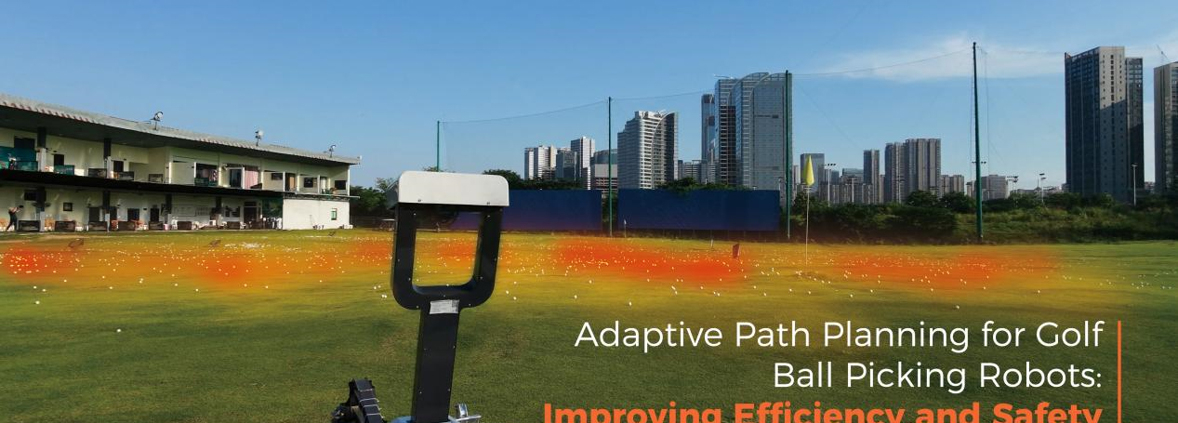
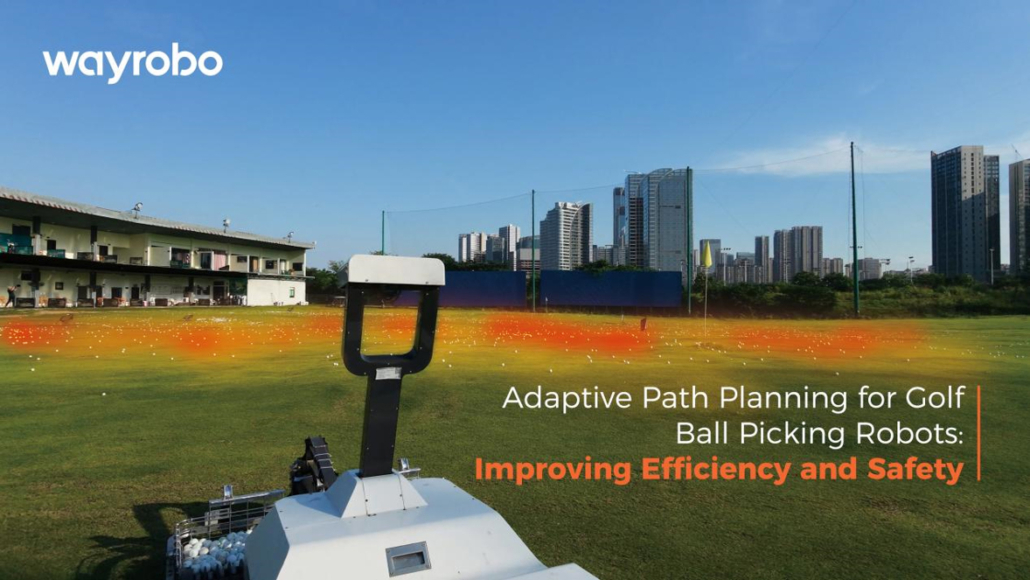
Golf driving ranges are constantly changing environments. The number and location of golf balls on the field can vary throughout the day depending on player activity, practice patterns, and operating conditions. At the same time, golfers, golf carts, maintenance teams, and temporary equipment may enter the working area and affect how robots can move safely.
Adaptive Path Planning for Golf Ball Picking Robots

Adaptive Path Planning for Golf Ball Picking Robots

For a robotic golf ball picker, following a fixed route is often not enough. A fixed path does not consider changes in ball distribution or unexpected obstacles, which may result in unnecessary travel, repeated coverage, or interrupted operation.

Adaptive path planning is the ability of a robotic golf ball picker to adjust its route based on golf ball distribution, its current position, obstacles, and other operating conditions. For the WayPick 2 robotic golf ball picker, this helps improve collection efficiency while maintaining safe and reliable operation.

Key Technologies Behind Autonomous Golf Ball Picker Navigation

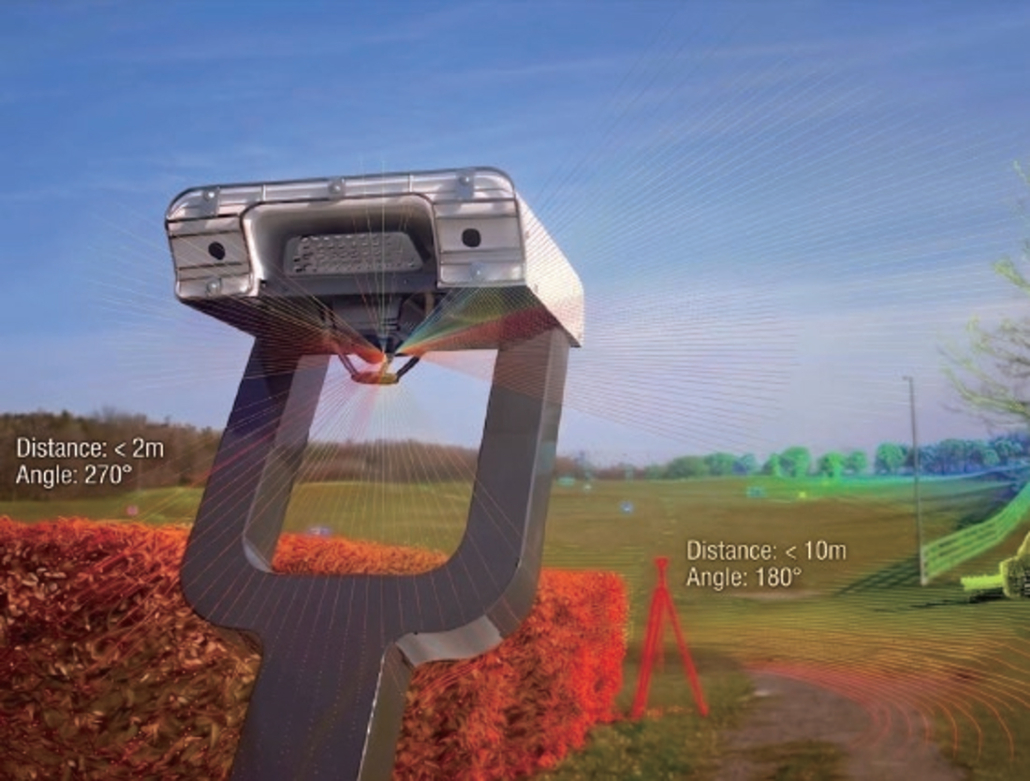
Adaptive path planning starts with understanding the environment. WayPick 2 uses AI vision, LiDAR, GNSS, and IMU technologies to collect the information needed for navigation and route planning.

The AI camera system helps WayPick 2 identify golf balls and understand their distribution across different areas of the driving range. Instead of treating the entire field equally, the robot can gather information about where golf balls are concentrated and where collection demand is lower.

LiDAR helps detect objects around the robot and provides additional environmental information for safe navigation.
Adaptive Path Planning for Golf Ball Picking Robots

Adaptive Path Planning for Golf Ball Picking Robots

GNSS and IMU provide positioning and movement information, helping WayPick 2 understand its location and maintain accurate navigation across outdoor areas.

Together, these technologies provide the information needed for adaptive planning. They allow WayPick 2 to make route decisions based on actual field conditions rather than simply repeating a fixed path.

Improving Golf Ball Collection Efficiency Through Adaptive Route Planning

One of the main benefits of adaptive path planning is reducing unnecessary movement during golf ball collection.

Golf balls are rarely distributed evenly across a driving range. After a busy practice period, areas close to hitting zones may contain a much higher concentration of balls, while other areas may have relatively few. A traditional fixed route requires the robot to cover each section in the same sequence, even when the collection demand is different.

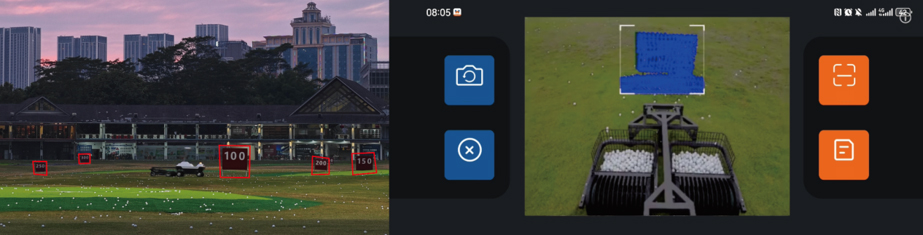
Before planning its actual collection route, WayPick 2 first performs a visual scan of the selected working area. Operators can choose to scan the entire area or focus on high-priority areas marked as hot zones on the golf range heat map.

Adaptive Path Planning for Golf Ball Picking Robots

Adaptive Path Planning for Golf Ball Picking Robots

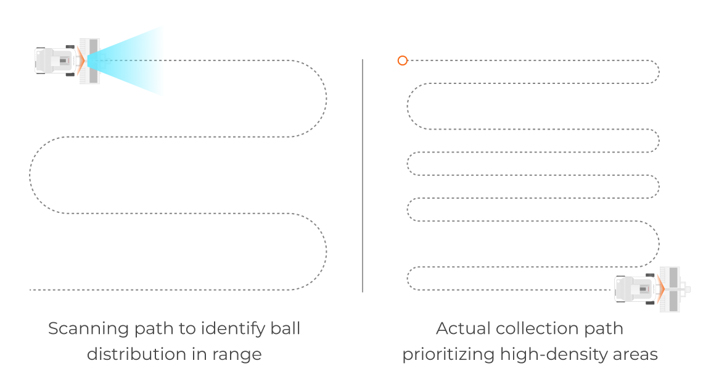
During the scan, WayPick 2 uses its AI camera to identify golf balls and record their distribution and density. The scanning paths are spaced wider apart, allowing the robot to cover the selected area quickly and build an overview of where golf balls are concentrated.

Once the scan is complete, WayPick 2 uses this information to plan its actual collection route. The collection paths are arranged at a closer spacing for more thorough golf ball pickup, with higher-density areas given greater priority. When planning the actual collection path, the system can consider golf ball density, the robot’s current position, and the distance to different areas to determine a practical collection sequence.
Adaptive Path Planning for Golf Ball Picking Robots

Adaptive Path Planning for Golf Ball Picking Robots

This approach can reduce unnecessary travel through low-density areas, minimize repeated coverage, and increase the amount of time spent on actual golf ball collection. It also allows the robot to respond more effectively to changes in ball distribution throughout the day.

Maintaining Safe Operation Through Safety Boundaries and Obstacle Avoidance

Efficiency is important, but safety is equally critical for autonomous golf equipment operating in environments shared with people.

WayPick 2 uses both predefined safety boundaries and real-time obstacle avoidance to support safe operation.

Before deployment, golf facilities can define areas that should be avoided during operation. These may include bunkers, water hazards, course boundaries, maintenance areas, buildings, and other restricted zones. These areas act as navigation constraints, allowing the robot to consider them when planning its route rather than treating the entire field as available working space.
Adaptive Path Planning for Golf Ball Picking Robots

Adaptive Path Planning for Golf Ball Picking Robots

However, real golf environments are always changing. Unexpected obstacles may appear even when a working area has been carefully prepared, including golfers walking through the operating zone, maintenance staff, parked golf carts, or temporary objects on the field.

When WayPick 2 detects an obstacle, it can respond according to the situation by slowing down, stopping, or adjusting its route when a safe path is available. This combination of predefined safety boundaries and real-time obstacle response helps reduce interruptions while limiting the need for constant manual supervision.

Supporting Multi-Robot Operations for Larger Golf Facilities

For larger driving ranges, multiple robotic golf ball pickers may be required to cover wider areas efficiently.

Adaptive planning provides the foundation for better fleet coordination. Working areas can be divided among different robots to reduce repeated coverage and avoid unnecessary overlap.

When multiple robots share facilities such as charging areas or unloading station, coordination also becomes important. Robots need to recognize shared resource availability, maintain safe distances, and avoid conflicts during operation.

As golf facilities continue adopting golf driving range automation, coordinated operation between multiple robots will become increasingly valuable for large-scale management.

A Smarter Approach to Golf Ball Collection Automation

The WayPick 2 robotic golf ball picker shows how adaptive path planning can improve autonomous golf ball collection in real-world environments.

By adjusting routes according to golf ball distribution, responding to obstacles, and supporting multi-robot operations, adaptive navigation can help golf facilities improve efficiency, safety, and operational flexibility.

To learn more about WayPick 2, visit Wayrobo.

For the latest industry news visit turfmatters.co.uk/news

Get all of the big headlines, pictures, opinions and videos on stories that matter to you.

Follow us on Twitter and Instagram for fun, fresh and engaging content.

You can also find us on Facebook for more of your must-see news, features, videos and pictures from Turf Matters
England Golf, BIGGA and GCMA urge golf clubs to take part in water census

England Golf, BIGGA and GCMA urge golf clubs to take part in water census

England Golf, BIGGA and GCMA urge golf clubs to take part in water census

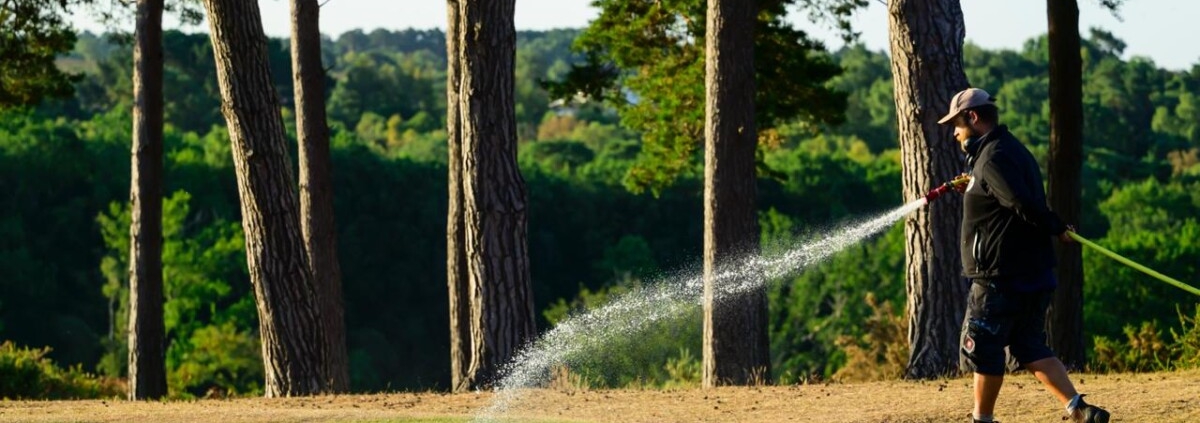
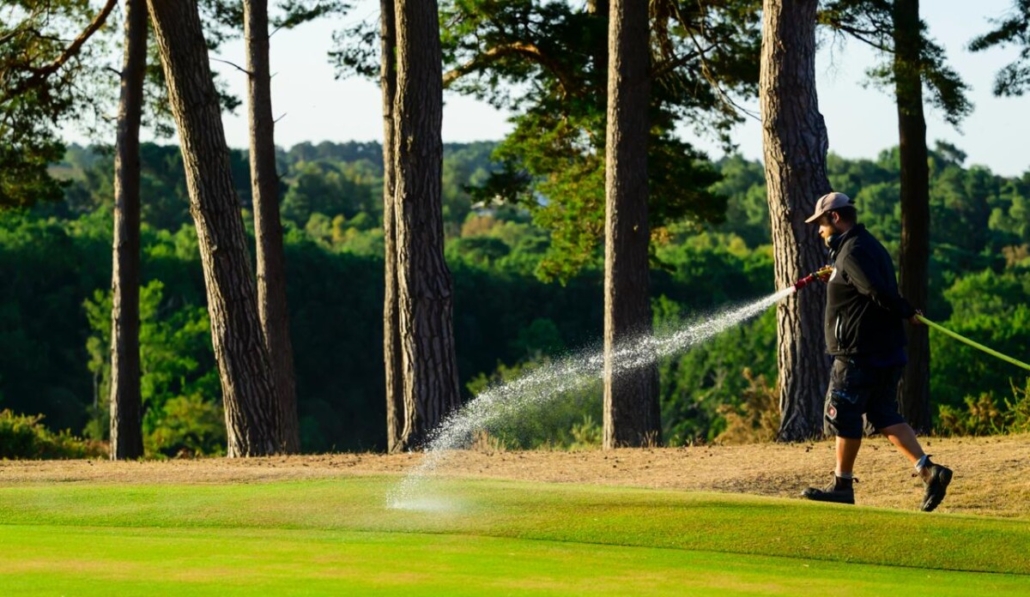
England Golf, the British and International Golf Greenkeepers Association (BIGGA) and the Golf Club Management Association are urging every golf club to contribute to a major national study that will establish the most detailed picture yet of water use and resilience across the golf sector.

England Golf, BIGGA and GCMA urge golf clubs to take part in water census

England Golf, BIGGA and GCMA urge golf clubs to take part in water census

The Golf Sector Resilience and Alternative Water Supply Options project is being led by the Retailer Wholesaler Group’s Water Efficiency Sub-Group, which brings together wholesale and retail water companies, in partnership with the Environment Agency.

Independent research agency Sporting Insights has been commissioned to conduct a water census examining how golf clubs source, store and use water, as well as the infrastructure and alternative supply options available to them.

The survey will be shared with clubs and England Golf is asking members to complete it where they hold the relevant information. Greenkeepers who are unable to answer every section themselves are encouraged to speak to their club manager, secretary, committee or other officials and ensure a response is submitted on the club’s behalf.

The census follows a State of the Nation assessment that highlighted the increasing pressure on England’s water resources and the lack of consistent, sector-wide information about golf’s current position.

Demand on public water supplies must fall as the country responds to population growth, climate change and increasingly unpredictable rainfall. The statutory target is to reduce the use of public water supply in England per head of population by 20% by 2038 against a 2019-20 baseline. Water companies are also under growing pressure to reduce non-household demand.

Golf clubs are already experiencing the practical effects. Drought restrictions and abstraction controls can limit access to mains water, boreholes, rivers, lakes and other sources, while prolonged dry periods place greater pressure on irrigation systems and stored supplies. The circumstances can vary significantly between clubs and water company regions.

The State of the Nation work found that detailed information is needed on the amount of water golf clubs consume, where it comes from, how it is measured and what storage or alternative sources are available. The industry also needs to understand the condition and coverage of existing infrastructure, how clubs have been affected by restrictions and what investment they are considering.

Without that evidence, it is difficult for golf’s representative bodies and the water sector to identify practical solutions, plan future support or make a robust case for the needs of golf clubs to policymakers and regulators.

BIGGA Chief Executive Jim Croxton said: “Water resilience is one of the defining challenges facing golf. Greenkeepers have dealt with an exceptionally difficult combination of prolonged dry weather, pressure on supplies and changing restrictions, and those challenges are likely to become more frequent.

“We know clubs are starting from very different positions. Some have reservoirs, boreholes or opportunities to harvest and store water, while others remain heavily dependent on the mains. Before the industry can develop effective solutions, we need reliable information showing what clubs use, what resources they have and where the greatest vulnerabilities lie.

“This census gives every golf club the opportunity to help shape that work. I would strongly encourage BIGGA members to complete it themselves where they can. If somebody else at the club holds the information, please speak to them and make sure the club takes part.

“A strong response will give the entire golf industry a much firmer evidence base when speaking to water companies, government and regulators. The findings can also help direct future guidance and investment towards the areas where they will have the greatest effect.

“We have strong evidence of the value of golf to public health, tourism, jobs and the economy, along with the incredible sporting value so brilliantly demonstrated recently with the inspiring Walker and Solheim Cup victories. Maintaining resilient water supplies in a changing climate is critical to the future of our sport.”

The project has been designed as a collaborative exercise between the water and golf sectors. Its findings will be used to examine opportunities to improve efficiency, increase resilience and develop alternative supplies, recognising that suitable options will depend on each club’s location, resources and existing infrastructure.

Participating clubs will help create a national evidence base that can inform the sector’s response to future droughts, restrictions and long-term changes in water availability. The greater the participation, the more representative and useful the findings will be.

For the latest industry news visit turfmatters.co.uk/news

Get all of the big headlines, pictures, opinions and videos on stories that matter to you.

Follow us on Twitter and Instagram for fun, fresh and engaging content.

You can also find us on Facebook for more of your must-see news, features, videos and pictures from Turf Matters
Quality equipment meets quality fuel

Quality equipment meets quality fuel

Quality equipment meets quality fuel

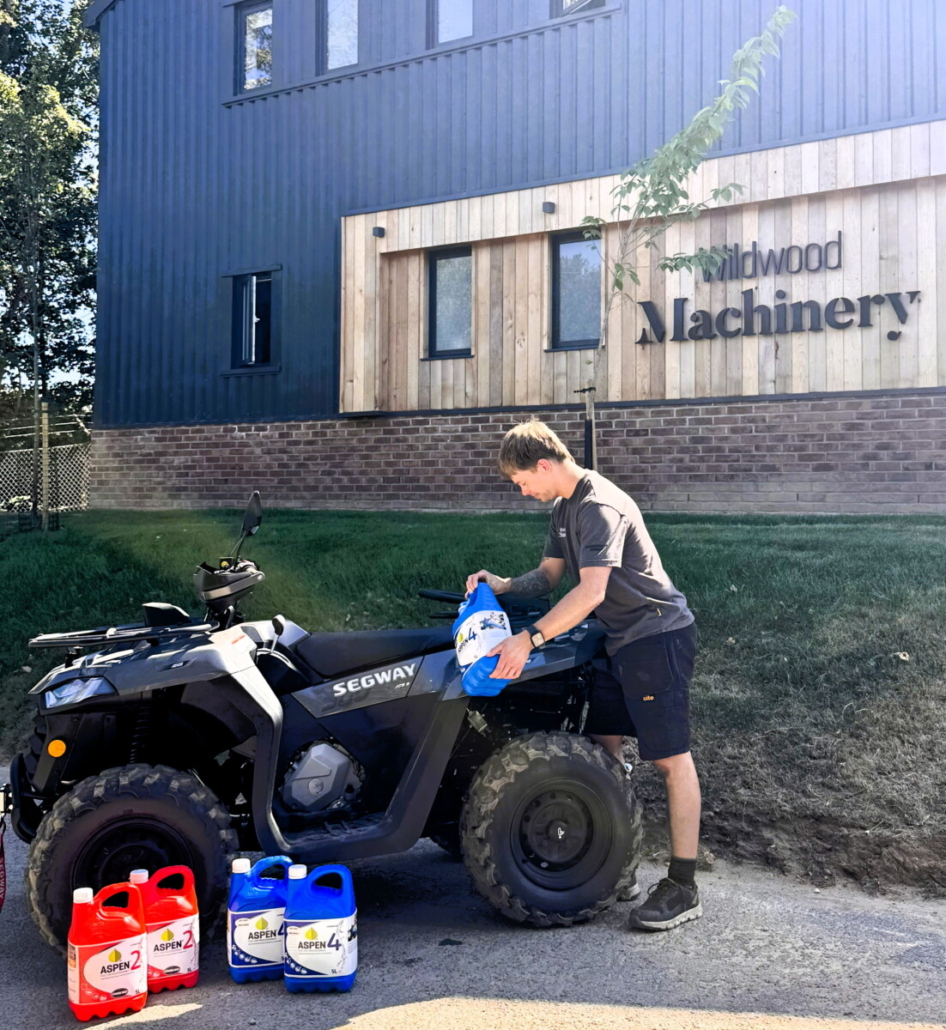
For Hampshire’s Wildwood Machinery, supplying premium groundcare equipment has always been about more than simply selling machines. It’s about providing customers with the products, advice and support they need to get the best performance from their investment – which is why the company’s partnership with Aspen Fuel has been such a natural fit.

Quality equipment meets quality fuel

Quality equipment meets quality fuel

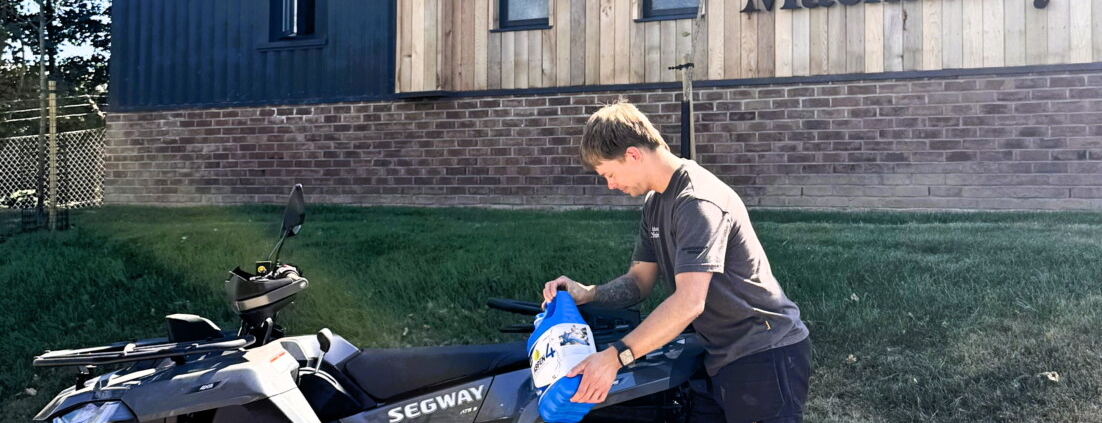
As distributors for Aspen’s alkylate petrol for the last 18 months, Wildwood Machinery can offer customers a cleaner, high-quality fuel that complements the leading brands within the dealership’s portfolio. As Managing Director James Bastian goes on to explain, the partnership is not only delivering significant health and environmental benefits for the operator, it is also helping to reduce costly servicing and maintenance issues typically triggered by the use of conventional pump petrol.

“Being an Aspen distributor has been a fantastic fit alongside our machinery range” he says. “The fuel is safer to handle and store, delivers better engine longevity and offers our customers the convenience of not needing to source their fuel elsewhere.”

James continues, “There’s a lot to like about the Aspen product, not least the sustainability angle which ties in nicely with Wildwood’s own environmental ethos and that of the wider groundcare industry. The lower overall emissions and reduced exposure to harmful fumes is a real plus for the greenkeepers and grounds staff using this fuel day in, day out, making a real difference to operations both immediately and in the longer term.”

A key factor behind the partnership’s success over the last 18 months has been with the close working relationship between James and Aspen Fuel’s Roy Narbey, the pair working together to introduce councils, sports club and contractors to Aspen through joint demonstrations and trials. “Enabling customers to discover the benefits first-hand has been the key to encouraging people to make the switch. This collaborative approach has helped both companies to extend our reach, strengthen relationships and generate new business.”

“For clubs and contractors already investing in quality machinery, it just makes sense to pair that with a fuel that looks after both the equipment and the people using it.”

Virtually free from ethanol, aromatics and benzene, Aspen alkylate petrol is 99% cleaner than ordinary petrol in terms of the amount of hazardous hydrocarbons. Suitable for all types of modern 2-stroke and 4-stroke engines, Aspen offers better performance and a longer service life helping to maximise the return on your investment.

For more information, visit aspenfuel.co.uk

For the latest industry news visit turfmatters.co.uk/news

Get all of the big headlines, pictures, opinions and videos on stories that matter to you.

Follow us on Twitter and Instagram for fun, fresh and engaging content.

You can also find us on Facebook for more of your must-see news, features, videos and pictures from Turf Matters
New Saralis Bio enters sports turf market with science-led biological solutions

New Saralis Bio enters sports turf market with science-led biological solutions

New Saralis Bio enters sports turf market with science-led biological solutions

New company brings 30 years of plant physiology expertise and research-led biological technologies to professional turf and amenity markets.

New Saralis Bio enters sports turf market with science-led biological solutions

New Saralis Bio enters sports turf market with science-led biological solutions

Saralis Bio, a newly established biological technology company, has entered the sports turf and amenity market with a portfolio of research-led biological, biostimulant and nutrient technologies designed to support plant performance, resilience and more sustainable turf management.

The company brings more than 30 years of expertise in plant physiology and application to the sports turf sector, along with established knowledge and technologies to the challenges faced by professional turf managers.

Combining plant physiology, soil biology, genomics and data-driven agronomy, Saralis Bio has developed its approach around the increasing pressures facing professional turf management, from climate volatility and water availability to reduced pesticide options, rising costs and growing expectations around sustainability.

John Haywood at Saralis Bio said: “We have spent more than 30 years developing our understanding of plant physiology and application, and we’re now bringing that knowledge into sports turf, where the demands on plants are exceptionally high.

We combine decades of plant physiology expertise with a detailed understanding of biological technologies to identify what plants need, when they need it, and how best to deliver it. This enables us to develop practical, targeted solutions that deliver reliable results for turf managers and greenkeepers.”

The company’s technologies span biologicals, biostimulants and nutrition, with products available as seed treatments, foliar solutions, powders and granules. Its approach also enables complementary technologies to be ‘stacked’ to address specific agronomic challenges.

Saralis Bio has an extensive portfolio of products listed under the new EU regulatory framework for biostimulants, providing a strong foundation for its development programme and future expansion.

Six further products are commercially ready and will be available to join the existing range, while 19 active ingredients are currently being analysed and assessed for their potential across areas including rooting, water-use efficiency, salinity management, nutrient-use efficiency, thatch mitigation, stress management, soil health and plant health.

The company will officially launch its expanded sports turf portfolio at BTME in January, where it will unveil further products and technologies for the professional turf market.

John Haywood added “BTME will be an important milestone for us. It’s where we’ll formally introduce the wider Saralis Bio portfolio to the sports turf industry and demonstrate how our science-led approach can support the future of turf management.”

To learn more, visit saralisbio.com and to join the Saralis Technical Group, please visit saralisbio.com/technical-group/.  

For the latest industry news visit turfmatters.co.uk/news

Get all of the big headlines, pictures, opinions and videos on stories that matter to you.

Follow us on Twitter and Instagram for fun, fresh and engaging content.

You can also find us on Facebook for more of your must-see news, features, videos and pictures from Turf Matters
Husqvarna strengthens commitment to Irish golf

Husqvarna strengthens commitment to Irish golf

Husqvarna strengthens commitment to Irish golf

Husqvarna has strengthened its commitment to Irish golf through a new partnership with Golf Ireland and the launch of a pioneering Robotics and Battery Apprenticeship Programme – a global industry first – combining investment in technology with the skills needed to support the sport’s evolving needs.

Husqvarna strengthens commitment to Irish golf

Husqvarna strengthens commitment to Irish golf

The multi-year partnership will see Husqvarna become Official Turf Technology Partner of Golf Ireland, with category exclusivity across autonomous mowing, robotic ball collection and professional turf technology.

Alongside this, the Robotics and Battery Apprenticeship Programme will develop the next generation of technicians, equipping them with expertise in robotics, battery technology, GPS-guided systems, connectivity and digital diagnostics.

Together, the initiatives demonstrate Husqvarna’s ambition to contribute to Irish golf beyond the supply of equipment by helping build the technology, skills and knowledge needed to meet the challenges facing the industry.

“Our commitment to Irish golf is about much more than supplying equipment. It is about understanding where the industry is heading and investing in the technology and people that will help it get there,” said Richard Wynne, National Sales and Business Development Manager for Husqvarna Ireland. “Golf courses are facing a changing set of demands, from efficiency and sustainability to labour availability and the adoption of new technology. We want to work alongside Golf Ireland, greenkeepers, clubs and our dealer network to help address those challenges and ensure Ireland is well placed to embrace the opportunities technology can bring,” he said.

Technology that will shape the future of Irish golf

As Official Turf Technology Partner, Husqvarna will work with Golf Ireland to demonstrate how autonomous and battery-powered technology can support the changing needs of golf facilities.

As part of the agreement, Husqvarna will supply a RELOX Ball Picker, CEORA® and Automower for use at the Golf Ireland Academy, allowing the technology to be demonstrated in a live golf environment and experienced by customers visiting the facility.

The partnership will also include activity across Golf Ireland’s digital and social channels, alongside collaborative multimedia content designed to share knowledge and highlight the role of technology in modern turf management. “We are delighted to partner with Husqvarna Ireland and together help shape the future of Irish golf,” said Mark Kennelly, Chief Executive Officer at Golf Ireland. “As clubs look to manage resources more efficiently while maintaining the quality and consistency players expect, this partnership will provide valuable access to Husqvarna’s expertise and technology. We hope it will deliver practical benefits for greenkeepers and course managers across the country,” he added.

The relationship with Golf Ireland will also see Husqvarna support initiatives recognising the contribution of greenkeepers, including activity around Thank a Greenkeeper Day. As autonomous robotic technology becomes increasingly prominent within turf management, the partnership is positioned as a tool to support greenkeeping teams rather than replace the expertise they bring to the golf course.

A global first in turf technology

Technology is transforming the way outdoor spaces and sports facilities are managed, but Husqvarna believes successful adoption also depends on having the right technical skills in place.

Its new Robotics and Battery Apprenticeship Programme addresses that need through a structured three-year development pathway for technicians within the Irish dealer network. Ireland has been selected to host the first pilot of its kind across the Husqvarna global network, with the potential to become a blueprint for other international markets.

The blended programme combines 60% dealer-based workplace learning, 25% digital learning through Husqvarna University and 15% instructor-led technical and academy training. Apprentices will develop expertise across mechanical and electrical systems, battery technology, robotic mower installation and servicing, GPS and EPOS technology, connected products, software, fault tracing and customer support.

The inaugural cohort includes nine apprentices from eight businesses across Ireland, creating a new generation of technical talent for the dealer network. With many participating dealerships based in regional and rural communities, the programme is also creating opportunities for skilled employment and career development beyond Ireland’s major urban centres.

“The future of golf technology depends on more than the technology itself. We need skilled people who understand how to install it, maintain it, diagnose it and get the very best from it,” added Wynne. “That is why this apprenticeship programme is such an important part of our wider commitment. By investing in the next generation of technicians, introducing new technology and working with Golf Ireland, we are looking at the future from both sides – investing in innovation, investing in people and working with the industry to build a stronger, more sustainable future for Irish golf.”

A long-term commitment to Irish golf

By becoming the first market in the Husqvarna global network to pilot the apprenticeship programme, while also developing a dedicated relationship with Golf Ireland around turf technology, Ireland is becoming an important market for demonstrating how innovation, skills and collaboration can work together.

That commitment was reflected at Husqvarna’s recent Turf & Tech Conference at the Old Ground Hotel in Ennis, which brought together course superintendents and managers, members of the press, representatives from the ATPI Group and Golf Ireland, plus the global Husqvarna leadership team and Husqvarna Ireland staff. The event was held during the 2026 Amgen Irish Open and focused on how autonomous technology can support better playing surfaces, more sustainable practices and a more highly skilled greenkeeping workforce.

For the latest industry news visit turfmatters.co.uk/news

Get all of the big headlines, pictures, opinions and videos on stories that matter to you.

Follow us on Twitter and Instagram for fun, fresh and engaging content.

You can also find us on Facebook for more of your must-see news, features, videos and pictures from Turf Matters