
Tag Archive for: analysis

Do soil analysis results determine your fertiliser plan?

Do soil analysis results determine your fertiliser plan?: Dr Andy Owen, ICL International Technical Manager, on the science of soil testing versus the reality of turf nutrition.

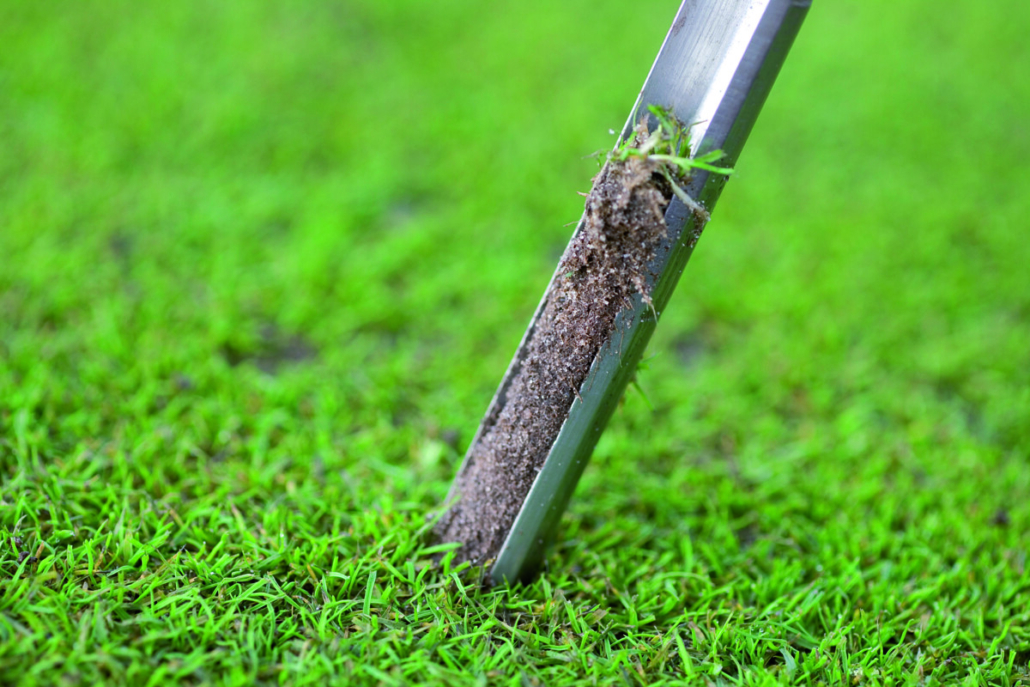
For many turf professionals, soil analysis is the starting point for creating a fertiliser programme.
Do soil analysis results determine your fertiliser plan?

Do soil analysis results determine your fertiliser plan?

The process is familiar: take a soil sample, send it for analysis, and use the results to shape nutrient applications. It’s a logical approach, after all, soil tests provide valuable data on pH, nutrient levels, and soil composition.

But is that enough?

While soil analysis is an important tool, it doesn’t tell the full story of turf nutrition. Grass species, climate, and maintenance practices all influence nutrient availability, and a soil test alone won’t account for these real world factors. Understanding when and how to use soil analysis effectively is key to making smarter fertiliser decisions.

What Soil Analysis Tells You – And What It Doesn’t

A soil test provides a snapshot of the chemical composition beneath the turf, typically measuring:

  • pH levels – Extremes can impact nutrient availability.
  • Cation exchange capacity (CEC) – Indicates the soil’s ability to retain nutrients.
  • Salinity – Helps detect potential stressors.
  • Macronutrients (N, P, K) and Micronutrients – Highlights potential deficiencies or excesses.
  • Organic matter content – Affects microbial activity and soil health.

These insights help identify imbalances, but they don’t necessarily show what’s available to the plant.

Turf nutrition is more than just soil chemistry, it depends on how nutrients interact with the root system, climate, and ongoing maintenance practices.

For example:

  • A soil test might show acceptable phosphorus levels, yet if the turf exhibits deficiency symptoms, poor root uptake (not a lack of phosphorus) could be the real issue.
  • Nitrogen recommendations should be based on plant demand, not soil tests, since nitrogen is highly mobile and influenced by temperature and growth cycles.
  • Soil pH is a critical factor, correcting pH imbalances can improve nutrient availability more effectively than applying additional fertiliser, but this is not simple for all soils

So, while soil analysis provides a useful benchmark, fertiliser decisions should go beyond the numbers.

What Does the Research Say?

Agronomists and researchers agree that soil testing is most valuable when used as part of a long-term strategy rather than as a standalone guide. Studies and field experience highlight key considerations:

  • Soil analysis is most useful for tracking trends over time – One-off tests can be misleading, so repeated testing is essential for accuracy.
  • Visual assessments matter just as much as data – Turf colour, growth rate, and stress indicators provide real-time feedback on nutrient status.
  • Fertilisation should be responsive, not prescriptive – Climate conditions, aeration, and root development all affect nutrient uptake, making a flexible approach more effective.

By combining scientific analysis with practical field observations, greenkeepers can make fertiliser decisions that reflect real-world turf performance, not just lab results.

Why Do People Rely So Heavily on Soil Analysis?

The idea that soil testing directly dictates fertiliser programmes has been reinforced by a few common factors:

  • Industry Tradition – Many turf professionals are taught that soil testing is the first and most important step in fertiliser planning.
  • Simplicity – A lab report provides clear numbers, making it seem like a definitive guide to nutrient applications.
  • Supplier Influence – Some fertiliser recommendations are based on soil test results interpreted by suppliers, sometimes leading to unnecessary or imbalanced applications.

While soil testing should inform fertiliser decisions, it shouldn’t dictate them in isolation. A more dynamic, responsive approach leads to better long-term turf health.

How to Build a Smarter Fertiliser Plan

Instead of basing fertiliser applications purely on lab results, a more effective strategy considers both science and on-the-ground observations:

  • Observe turf performance – Regularly assess turf colour, growth, and stress response to identify nutrient needs.
  • Factor in environmental conditions – Climate, rainfall, and soil drainage affect nutrient availability as much as soil chemistry.
  • Use soil analysis for long-term monitoring – Track trends over time rather than making reactive decisions based on a single test.
  • Match fertiliser inputs to grass species – Different turf types have unique nutritional demands that go beyond what’s in the soil.
  • Balance fertilisation with maintenance – Aeration, irrigation, and organic matter management all influence how well nutrients are absorbed.

This approach ensures that fertiliser inputs are aligned with real turf needs, rather than simply following numbers from a report.

Balancing Science with Practical Turf Management

Soil analysis is a valuable tool, but it’s not the whole story. Fertiliser planning requires a mix of scientific data, turf observations, and agronomic expertise to make informed decisions.

Rather than treating soil test results as a prescription, they should be seen as one piece of a larger strategy, working alongside field knowledge, environmental conditions, and real world turf performance.

At ICL, we believe in evidence based fertiliser planning, using soil data as part of a bigger picture, not the sole deciding factor. By taking a balanced approach, turf professionals can achieve long-term health and resilience, not just short-term corrections.
STRI analysis results

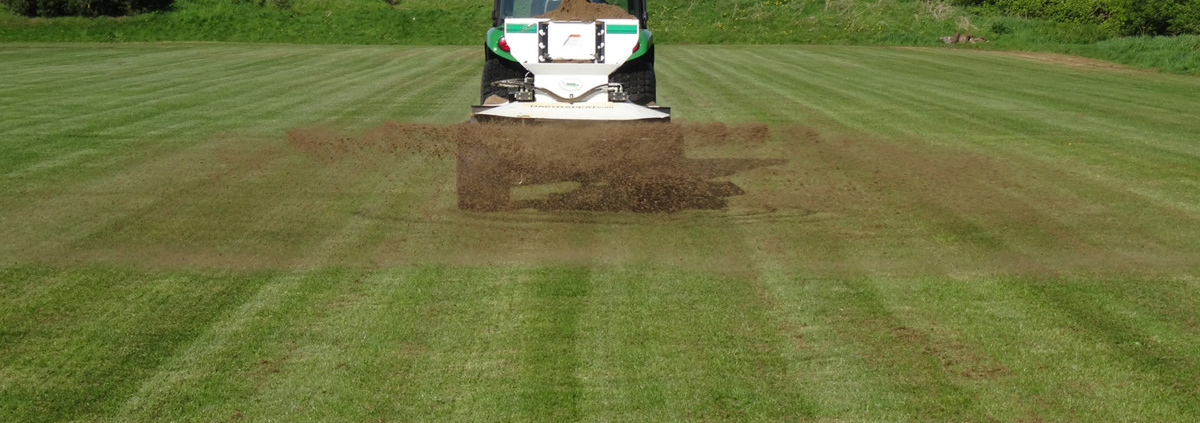
STRI analysis results: British Sugar TOPSOIL’s Sports&Turf topdressing and Sports10 pitch repair medium could help to reduce the use of inorganic fertilizers to encourage grass establishment and growth.

Analysis being carried out at the Sports Turf Research Institute (STRI), under the auspices of Principal Scientist Dr Christian Spring, show that both products contain a plentiful supply of potassium and calcium, together with phosphorus and magnesium.

STRI analysis results

STRI analysis results

These findings have implications for greenkeepers and grounds professionals using soil-based topdressings such as Sports&Turf or pitch repair products such as Sports10. The nutrient loading in the soil component of both products should be taken into account when planning a fertilizer programme as it could reduce the amount of costly inorganic fertilizer required.

National TOPSOIL Manager Andy Spetch has long been an advocate of soil-based dressings and pitch repair products, citing not least their valuable nutrient content in these days of rising fertilizer costs:

“The independent scientific analysis currently being undertaken by the STRI is important as it gives greenkeepers and grounds professionals objective information on which to base their purchasing decisions. Soil-based top dressings such as Sports&Turf and pitch and goalmouth repair products such as Sports10 can play an important part in helping to mitigate the cost of regular golf course and pitch maintenance.”

This latest analysis is just part of a series of trials and studies commissioned by British Sugar TOPSOIL to provide customers with independent scientific information on its products. A study by Cranfield University has recently reported on the soil health of TOPSOIL products, and other work is monitoring their total carbon content and sequestration potential.

All study and trial reports are freely available to view and download on the TOPSOIL Academy section of the website.

For the latest industry news visit turfmatters.co.uk/news

Get all of the big headlines, pictures, opinions and videos on stories that matter to you.

Follow us on Twitter and Instagram for fun, fresh and engaging content.

You can also find us on Facebook for more of your must-see news, features, videos and pictures from Turf Matters.

British Sugar TOPSOIL expands analysis

British Sugar TOPSOIL expands analysis: British Sugar TOPSOIL has long been trusted to provide detailed and current analysis of its soil products to meet and exceed the British Standards for Topsoil and Subsoil.

To further inform and assist customers with their choice of products, the company is now having all its soil and topdressing products tested with new, state-of-the-art, soil microbiology technology that is used in agriculture to determine soil health and fertility.

British Sugar TOPSOIL expands analysis

British Sugar TOPSOIL expands analysis

Detailed analysis under a microscope looks at the levels of bacteria and fungi in TOPSOIL’s products. It is anticipated that, carried out at regular intervals over time, this level of analysis will help build a picture of soil health in terms of living organisms and give TOPSOIL customers yet more important information on which to base their purchasing decisions.

Working with Hampshire-based SoilBioLab, samples of each TOPSOIL product were submitted for analysis, together with a local arable soil, to establish and compare the amount of:

  • Active Bacteria
  • Total Bacteria
  • Active Fungi
  • Total Fungi
  • Hyphal Diameter (a physical measure of the branching filamentous structure of a fungus – in lay terms, the wider the branching structure, the more mature the fungus)

National TOPSOIL Manager Andy Spetch said: “We want to provide as much detailed technical information as possible on our products, which is freely available to anyone on our website. It is too early to draw any conclusions from this first analysis but we anticipate that, over time, we will be able to build a helpful picture of the health and effectiveness our products.”

This first set of results, which can be viewed on the TOPSOIL website at www.bstopsoil.co.uk  in the TOPSOIL Information section under Analysis, Research and Development, are very much a starting point.

For the latest industry news visit turfmatters.co.uk/news

Get all of the big headlines, pictures, opinions and videos on stories that matter to you.

Follow us on Twitter and Instagram for fun, fresh and engaging content.

You can also find us on Facebook for more of your must-see news, features, videos and pictures from Turf Matters

New analysis unlocks soil health

New analysis unlocks soil health: New soil testing from Eurofins Agro will help farmers and agronomists understand soil in a more detailed way than ever before. The tests have been launched in the UK and Ireland to provide chemical, physical, and biological insight, offering farmers a better way to monitor, manage and improve the health and fertility of their soil.

“Three new products are now available to UK and Irish agriculture. Fertilisation Manager®, Soil Crop Monitor® and Soil Life Monitor® offer the most comprehensive way to analyse and improve soil health,” explains Dan Robinson, Managing Director, Eurofins Agro UK.

New analysis unlocks soil health

New analysis unlocks soil health

Fertilisation Manager measures soil fertility. “This includes the chemical values of macro and micronutrients,” says Mr Robinson. “Soil pH and the overall structure of the soil is also analysed in conjunction with biological components such as fungi and bacteria,” he adds.

The microbial biomass from the sample will help farmers to understand the sensitivity of the soil to conventional farming methods such as ploughing. The number and nature of the bacteria present in a soil sample will also facilitate the accurate calculation of what nutrients need to be added to the soil to optimise plant health and growth.

Soil Crop Monitor will provide the most accurate means of testing soil during a growing season. “Unlike some tests, Soil Crop Monitor analyses both the soil and the plant. This measures the plant available nutrients and the nutrients absorbed by the crop,” says Mr Robinson.

Soil Life Monitor determines the total microbial biomass, fungi, bacteria and protozoa. It also identifies some physical characteristics such as pH and the quality of organic matter. “PLFA (phospholipid fatty acids) found in soil can be measured to provide a fingerprint of the soil content. PLFAs are degraded quickly in the soil, so the analysis gives an indication of the amount of living biomass,” says Mr Robinson. “This is the most detailed routine analysis of soil life available and has countless applications for agriculture. We are therefore excited to make all of these tests available to farmers and growers across the UK and Ireland” he adds.

For the latest industry news visit turfmatters.co.uk/news

Get all of the big headlines, pictures, opinions and videos on stories that matter to you.

Follow us on Twitter and Instagram for fun, fresh and engaging content.

You can also find us on Facebook for more of your must-see news, features, videos and pictures from Turf Matters.