Tag Archive for: are

How EFI and ETC engines are redefining performance

How EFI and ETC engines are redefining performance: Across agriculture, forestry and landscaping, equipment performance depends upon an optimal power-to-weight ratio and portability. In addition, high performance in different terrain, easy maintenance and sustainability are crucial factors for all equipment in these industries.

Electronic Fuel Injection (EFI) and Electronic Throttle Control (ETC) engines are two distinct technologies that help to deliver these equipment requirements. The EFI engine features a computer-controlled system that delivers fuel into engines rather than a traditional carburettor. The ETC engine uses electronic signals to control the engine’s throttle.
How EFI and ETC engines are redefining performance

How EFI and ETC engines are redefining performance

Engines that feature EFI and ETC technology at the same time, offer an attractive alternative solution thanks to their smart and efficient capabilities that also maintain high performance power.

EFI and ETC – unmatched power to weight ratio 

Landscaping and garden machinery often need to be both lightweight and transportable, especially when navigating uneven terrains in parks and forests. EFI and ETC can be deployed independently or together and deliver more effective power-to-weight ratios.

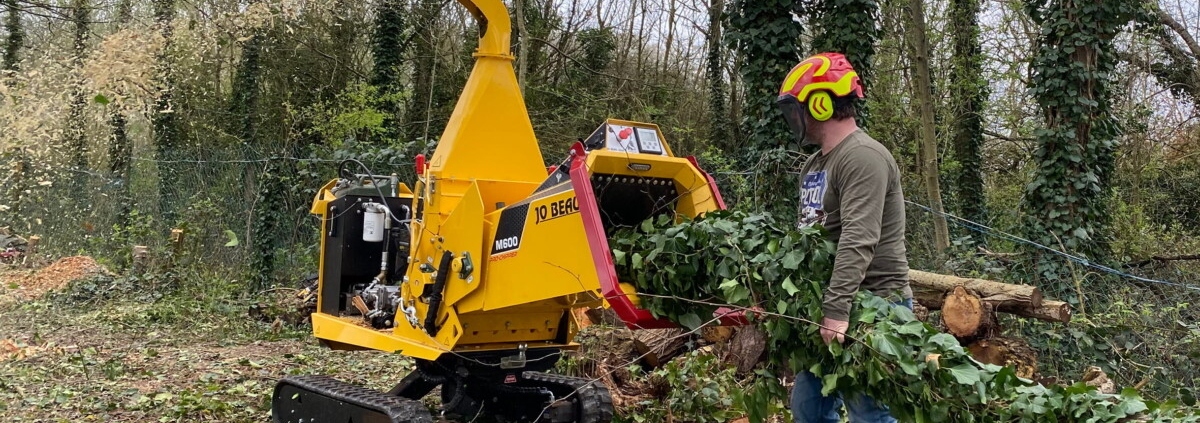
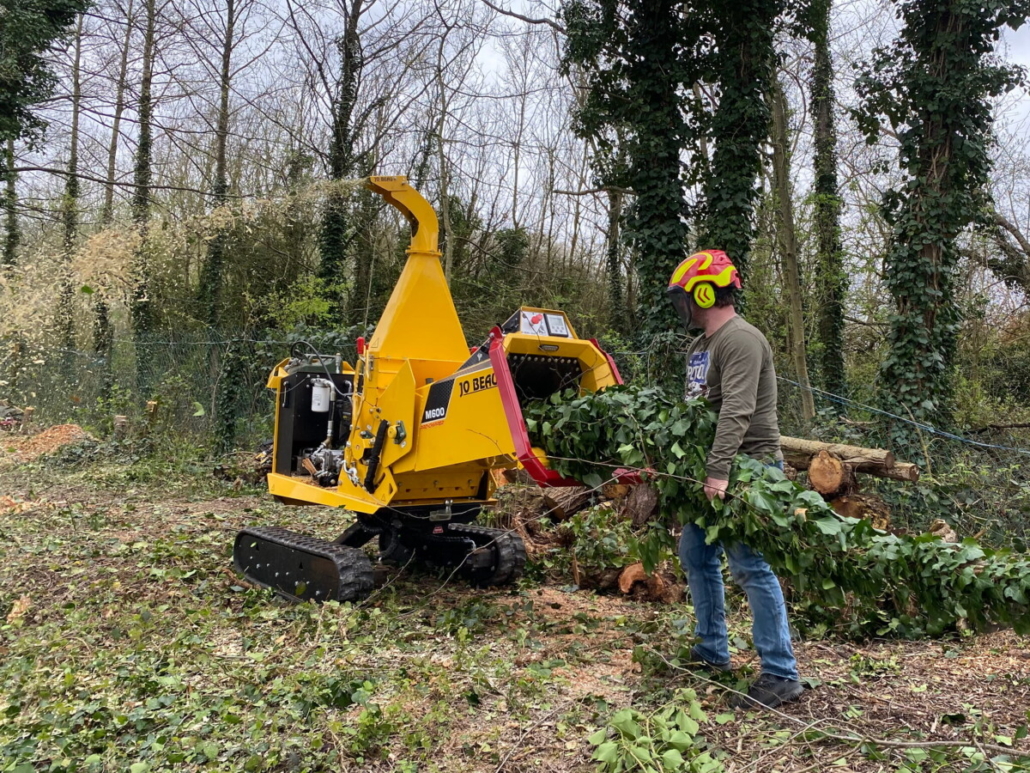
The Jo Beau® GORILLA™ M600 woodchipper is a perfect example of this, using Briggs & Stratton’s Vanguard® 29.9 kW (40 HP) BIG BLOCK™ V-Twin EFI/ETC engine that deploys both technologies, to process branches up to 18 cm in diameter whilst being small enough to fit through a doorway. The petrol engine ensures that the chipper remains steady and efficient even when processing large irregular branches.

This combination of size and reliability makes this sort of equipment invaluable to workers operating in tight areas, without sacrificing performance.

EFI/ETC reduces the total cost of ownership

Both EFI and ETC technology contribute to increased uptime and reduced total cost of ownership of equipment. This is due to the ability of real-time fuel control provided by EFI technology, which is optimised based on load and conditions. This ensures that fuel isn’t wasted during partial-loading operations, which can be a common theme in the gardening industry.

Stale fuel in seasonal equipment like leaf blowers and woodchippers is also not an issue with EFI due to its tolerance for it. This means it faces fewer problems after being stored for long periods over winter months, whilst ETC helps reduce mechanical wear and reduces long-term maintenance needs.

High performance in every environment 

Outdoor equipment faces some of the most extreme conditions including heat, cold, elevation and humidity. Engines equipped with EFI and ETC technology are designed specifically to operate in conditions like these. EFI provides smooth starting while ETC helps engines adjust to changes in terrain to improve control.

EFI and ETC reduce environmental impact  

Lower emissions are a growing requirement in many industries, especially for those working outdoors with nature. Engines equipped with EFI and ETC technology offer cleaner combustion, which in turn reduces harmful emissions without the need for diesel treatments.

EFI engines meet stringent environmental regulations by precisely controlling fuel delivery, leading to a more efficient combustion and reduced emissions, thereby helping manufacturers and operators to stay compliant with professional performance. This is vital when working in forests and parks, providing cleaner and more efficient solutions.

As mentioned before, the Vanguard BIG BLOCK engine powers the Jo Beau GORILLA M600, deploying electronic fuel injection technology that utilises the Engine Control Module (ECM) to tune every single operating point unique to the engine. It takes in all signals from the engine sensors to make cycle-by-cycle decisions on how much fuel and spark to provide and when. This means improved starting at all temperatures, smooth performance at all elevations, quick load acceptance and reduced fuel consumption, which makes the Vanguard BIG BLOCK the perfect fit for this powerful but compact application.

EFI can integrate  

EFI engines have been designed to integrate both physically and digitally. With CAN-bus capabilities, they seamlessly communicate with the rest of the machine’s systems. This means the operator can see real-time diagnostics and troubleshoot remotely.

Making the smart choice  

The forestry and gardening sector is a turbulent one, due to increasing regulations and demands from the industry. By switching to petrol engines equipped with EFI and ETC, operators can meet these demands, allowing for an increased power-to-weight ratio, reducing the environmental impact, and increasing performance in multiple environments. This is all while integrating easily with equipment and reducing the TCO.

Machines equipped with engines that feature both, EFI and ETC technology are providing not just an alternative solution but a powerful solution.

For more information on Vanguard, visit https://www.vanguardpower.com/emea/en_gb/home.html

And for more information on Jo Beau, visit https://www.jobeau.eu/en/

For the latest industry news visit turfmatters.co.uk/news

Get all of the big headlines, pictures, opinions and videos on stories that matter to you.

Follow us on Twitter and Instagram for fun, fresh and engaging content.

You can also find us on Facebook for more of your must-see news, features, videos and pictures from Turf Matters
STIGA Robots Are Winning Hands Down

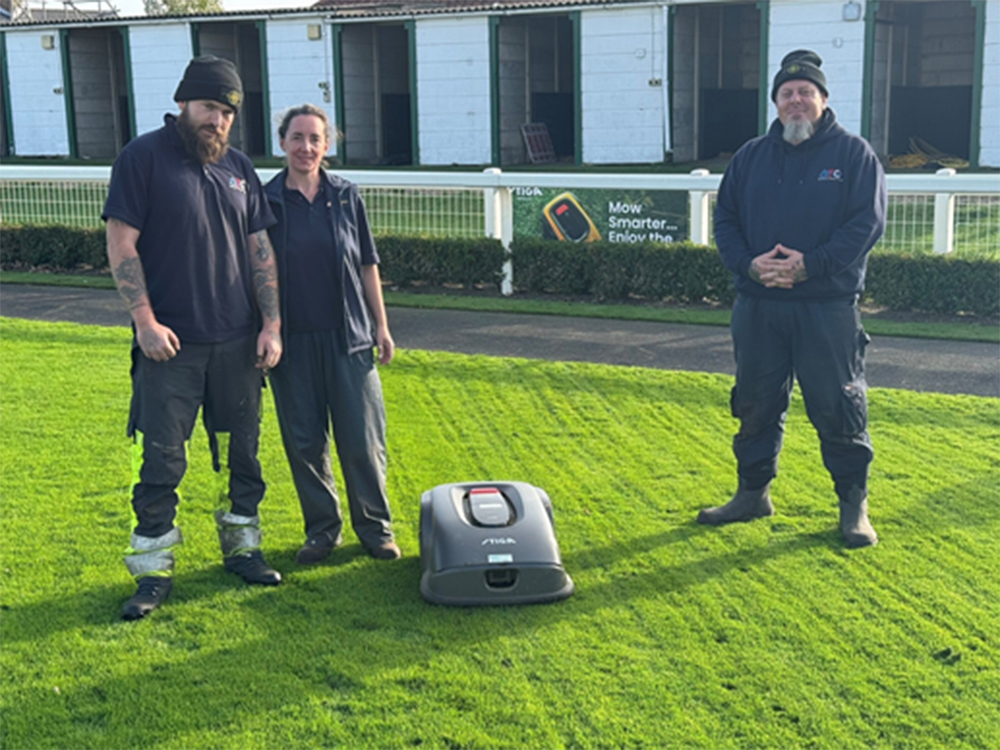
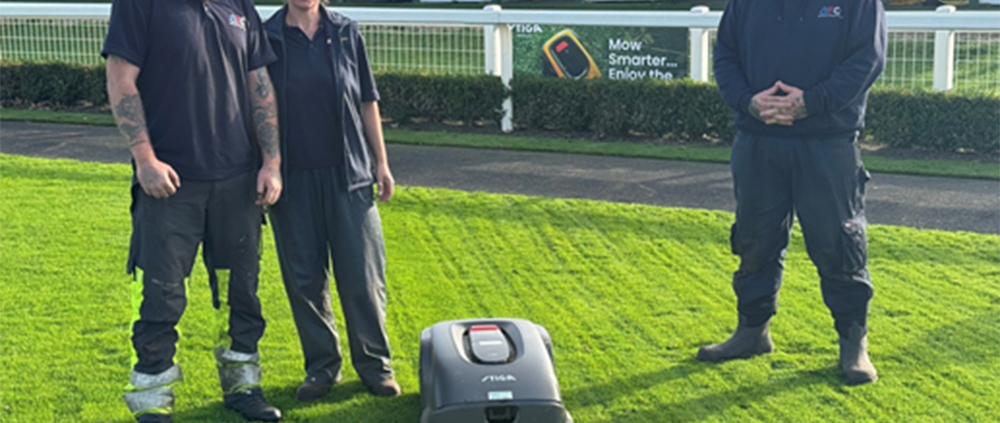
STIGA Robots Are Winning Hands Down: STIGA’s robot mowers are proving so talented that the team is beginning to wonder if there’s anything they can’t groom to perfection. Their newest prodigy has now joined Great Yarmouth Racecourse, where it received a name worthy of a champion.

Meet SHADOW OF LIGHT (Shadow), named after the star racehorse who first tasted victory here before galloping off to become Europe’s top two-year-old in 2024. No pressure, little robot!

STIGA Robots Are Winning Hands Down

STIGA Robots Are Winning Hands Down

Richard Aldous​​​​, Clerk of the Course, Gt Yarmouth & Regional Clerk (East) shared: “We find Shadow so useful, he keeps the height of cut regulated in all weathers and at all times of the year.  This robot cuts our parade ring daily and five other lawns 3 days a week, but is out every day working somewhere. The saving of staff hours allows them to do other important jobs.  The presentation of our site is very important to us as a business, and especially being part of ARENA RACING COMPANY.”

With racing events dating back to 1715, Great Yarmouth boasts more than 300 years of proud horseracing history. The racecourse, which was moved from South Yarmouth to its current location in the 1920s, now stages a vibrant summer season of 24 flat race meetings, drawing top jockeys and spotlighting promising two-year-old horses, some of which progress to win major international races in places such as the USA and Brazil.

Richard continued, “We love the mower, it saves staff time, keeps our lawns in good order all year round and surprisingly, I find people standing watching it, saying they find it therapeutic!

Now that’s what the STIGA team loves to hear: a mower that cuts grass and delivers a little slice of Zen! Hooray for Shadow of Light!”

You can read more about STIGA’s autonomous robot mowers and other STIGA products here: www.stiga.com/uk/

For the latest industry news visit turfmatters.co.uk/news

Get all of the big headlines, pictures, opinions and videos on stories that matter to you.

Follow us on Twitter and Instagram for fun, fresh and engaging content.

You can also find us on Facebook for more of your must-see news, features, videos and pictures from Turf Matters.

Why Are Biological Companies Struggling for Investment

Why Are Biological Companies Struggling for Investment: In recent years, the agricultural biologicals sector has witnessed significant growth. The global market was estimated at $16.7 billion in 2024 and is projected to reach $31.8 billion by 2029. This surge underscores the increasing demand for sustainable agricultural solutions.

However, early-stage startups, particularly those in pre-seed and seed stages, face substantial challenges in securing investment. While more established companies like Switch Bioworks, Elicit Plant, Solasta, Agospheres, Biotalys, Micropep, Catalera, Botanical Solution, and BioConsortia successfully obtained funding in 2024, emerging enterprises often struggle to attract similar attention. This disparity is partly due to investors’ heightened expectations and a preference for ventures with proven technologies or those nearing revenue generation.

Why Are Biological Companies Struggling for Investment

Why Are Biological Companies Struggling for Investment

Current Investment Trends in Agricultural Biologicals

Geographically, Europe-focused venture capitalists (VCs) are leading the way in funding biological companies. Looking ahead to 2025, there is cautious optimism that U.S. investors will increase their participation, particularly as interest rates decline. However, uncertainties related to tariffs, the farm economy, and government agency (EPA) budgets persist, which could impact investment decisions.

The investment landscape has changed significantly. The willingness to fund biological companies at the high levels seen 3-5 years ago has diminished. Investors today possess more profound industry knowledge, making them more selective. They are increasingly drawn to companies with well-defined business models, clear paths to market impact, and solid financial planning.

The Challenges of Building a Successful Biologicals Business

Succeeding in the biological sector demands patience, effort, and strategic focus. Investors often have unrealistic expectations regarding market development, leading to an oversaturated and unsustainable market. Moving forward, I hope to see more realism in investor sentiment, which will benefit the entire industry by fostering sustainable growth and innovation.

Additionally, recent failures in agri-biological investments have made investors more cautious. To attract funding, companies must demonstrate:

  • Quality-driven research & development
  • Efficient spending and cost management
  • Clear and executable go-to-market strategies

Companies that meet these expectations will have a higher chance of securing funding, thereby improving the overall quality of investments in the sector.

Regulatory Barriers and Their Impact on Investment

My experience raising investment for Bionema has reinforced one of the most critical issues in this sector: the lengthy and costly regulatory approval process for biopesticides. While venture capital investors are interested in biological solutions, many are deterred by the extended timelines required to bring products to market. Unlike conventional agrochemicals, biopesticides require approximately £5-8 million per product for global registration, which is manageable for companies like Bionema. Still, the real challenge is the time needed for regulatory approval. This process often delays market entry by 5-7 years in the EU, 2-3 years in NA and 12 months in Brazil after biopesticides regulatory reform, making it difficult for investors to commit to early-stage funding.

Instead of investing in Series A or Series B rounds, I have observed greater interest from agrochemical multinationals in acquiring or licensing biological technologies. While this demonstrates the commercial viability of biologicals, it also signals a reluctance among large corporations to invest in the sector’s long-term growth. If the biological industry is to thrive and compete with synthetic chemicals, substantial investment will be required to accelerate development and commercialisation.

Moreover, biopesticide regulations must be harmonised globally to streamline approvals and reduce market entry barriers. The fragmented regulatory environment forces companies to undergo separate and costly registration processes in different regions, further discouraging investment. Unless regulatory agencies align their frameworks, the biological sector will struggle with slow growth and limited funding.

Key Areas of Growth in Agricultural Biologicals

From an industry perspective, biologicals are thriving, particularly in nitrogen use efficiency, nitrogen fixation, and biocontrol. New application methods like planter box technologies are experiencing significant growth and scaling.

For farmers, return on investment (ROI) remains the key driver. In the current economic climate, growers are seeking efficiency-enhancing solutions, including:
✔ Fertilizer replacements
✔ Yield enhancers
✔ Abiotic stress mitigation products

As growers become more educated about biologicals, their adoption rates are increasing rapidly, leading to further investment in these technologies.

Investor Expectations for the Future

Historically, venture capital has played a key role in funding biologicals and will continue to do so. However, some investors have overly enthusiastic expectations regarding short-term returns. As VCs gain a deeper understanding of the sector, we expect them to invest more targeted and strategically.

Private equity firms are taking a more cautious, sustainable approach to investment. These firms focus on long-term flexibility and adaptability, recognising the rapidly evolving nature of the AgBio industry.

The Reality of Raising Capital in 2025

The current investment climate in biorationals mirrors the broader agricultural market’s bearish trend. However, market growth in this sector, driven by:
✔ Public and grower demand for sustainable agriculture
✔ Stricter regulatory policies limiting chemical options

Farmers are expected to increase their adoption of biologicals, but only for science-backed solutions with proven efficacy that deliver real value.

Finding new capital to fund early-stage biological companies will remain challenging in 2025. Investors are becoming more critical and selective, favouring companies that:
✔ Have a proven technology platform
✔ Are generating (or near generating) revenue
✔ Have a clear pathway to profitability

As a result, securing seed funding or Series A investment will be challenging over the next 1-2 years.

The Long-Term Future of BioAg Investment

Despite the current challenges, biologicals attract significant interest, mainly from companies traditionally focused on agrochemicals and fertilisers. These corporations recognise the growing regulatory and consumer-driven shift toward sustainable agricultural solutions. However, we have seen a slight decline in mergers and acquisitions (M&A) activity and the closure of some companies in this sector. This highlights the difficulty of sustaining a BioAg business—balancing high investment costs with the need for consistent financial returns. Despite this, the long-term strategic value of biologicals is undeniable. The agricultural industry is undergoing a significant shift, and biologicals will be crucial in this transformation. Investors may remain cautious, but their interest in scalable, science-backed solutions will persist.

Final Thoughts

While securing investment remains a significant challenge for early-stage biological companies, those focusing on innovation, strategic planning, and strong financial models will continue attracting funding. Realism in investor expectations is key to building a sustainable and impactful BioAg industry.

The future of biologicals is bright, but companies must prove their value with solid science, strong business cases, and a clear go-to-market strategy.

For the latest industry news visit turfmatters.co.uk/news

Get all of the big headlines, pictures, opinions and videos on stories that matter to you.

Follow us on Twitter and Instagram for fun, fresh and engaging content.

You can also find us on Facebook for more of your must-see news, features, videos and pictures from Turf Matters.

Saints are marching in

Saints are marching in: Susan Lindsay paid a visit to St Andrews to see the work first hand of the grounds team at the oldest university in Scotland.

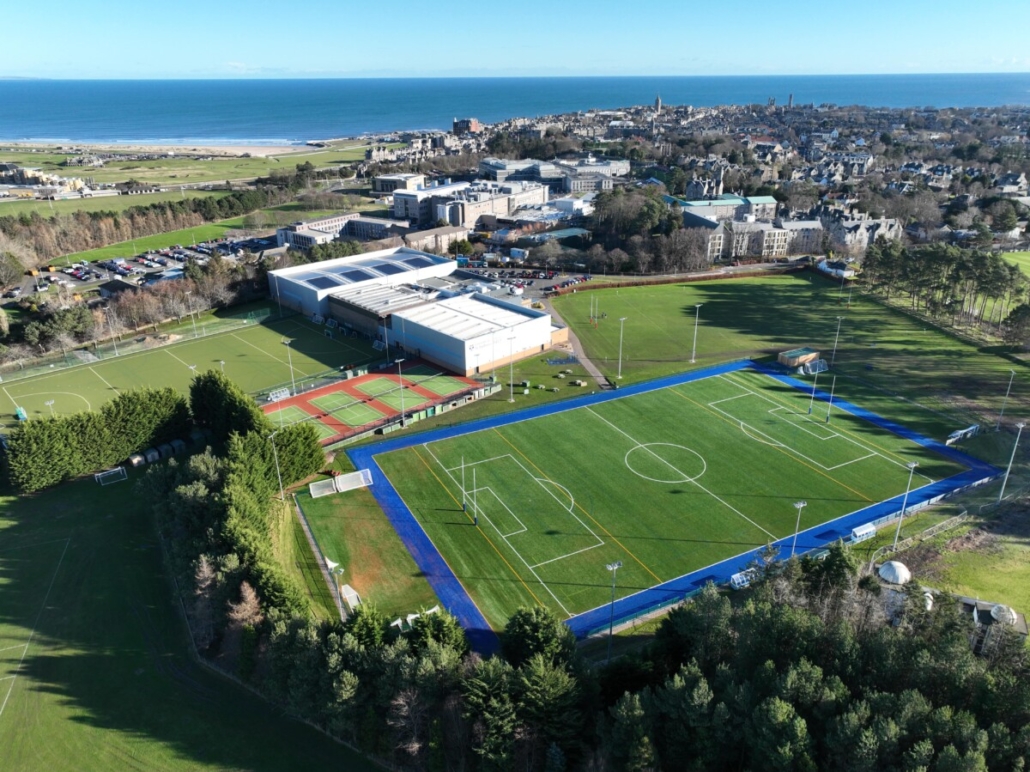
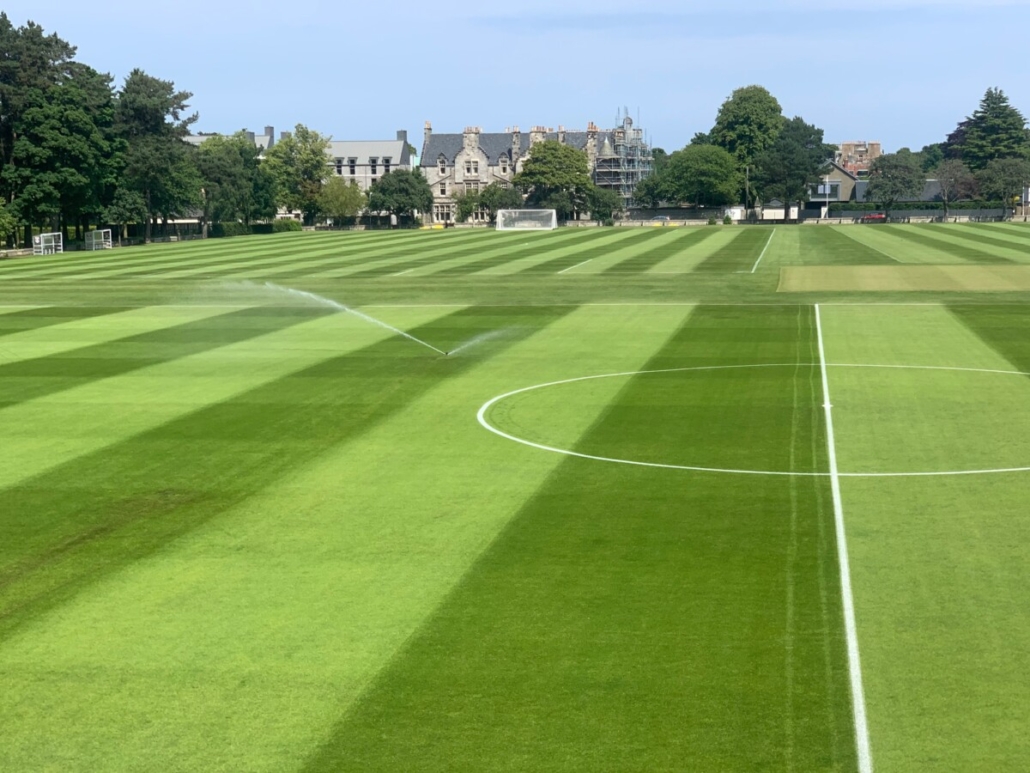
The University of St Andrews, Scotland’s oldest and highest-ranking, is home to Saints Sports. Stretching over 40 acres, the grounds were gifted to the University in 1904 by Andrew Carnegie.

Saints are marching in

Saints are marching in

The sports grounds combine 13 grass pitches, eight football pitches, two rugby pitches, one lacrosse, one shinty, one ultimate frisbee and two cricket fields. The pitches are overseeded using BAR 7 RPR grass seed mixture and 500 tonnes of dune washed sand is applied annually. Soil is also tested regularly to assess the quality.

There really is a sport for everyone. You might be wondering what ultimate frisbee is – simply known as “Ultimate”, it is a non-contact sport that involves “hucking”/throwing the frisbee long distances and trying to “Sky”, that is grab the disc in the air over the opponent. There are seven players on each team.

I met up with the Estates team and was greeted with smiles and cups of tea all round. With drinks in hand, we settled down to chat about the sports grounds and all that come along with them.

Dressed crisply in well-ironed trousers and Saints Sports polo shirts, the team looked every inch the personification of attention to detail that their jobs require and demand.

This has been my experience of the greenkeeping industry, throughout my travels around Scotland. Along with this comes the ubiquitous and somewhat compulsory working greenkeeper’s/apprentice’s shorts.

Even on a cold, frosty day like today in November, when the thermometer doesn’t reach much further than one degree and there is a yellow snow warning dominating the country, the shorts are out!

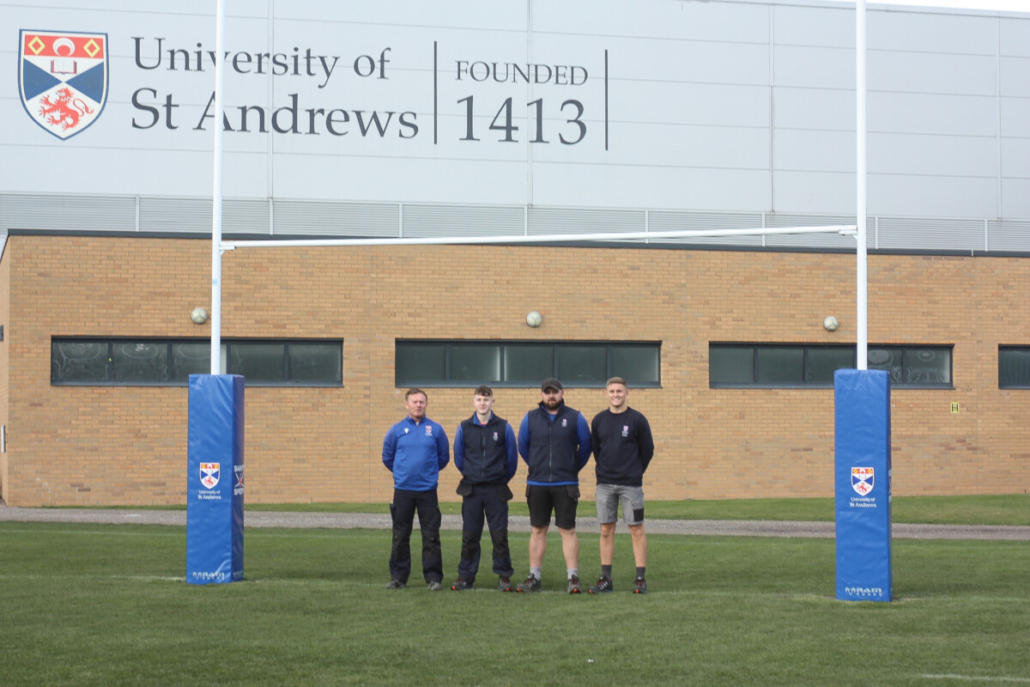
Present today is John Reid – Grounds and Facilities Manager, Fraser Wright – Head Groundsman and Gary Brankin – Assistant Director of sports operations and facilities. I will also get to meet the current apprentice, Gary, and the assistant groundsman, Ross, along with Fraser’s Deputy, another Gary.

Saints are marching in

Saints are marching in

The team meet on a Monday morning to discuss the week’s schedule and Fraser encourages each member of the group to participate in discussions and rotate tasks. In the 2018 industry awards, the team were finalists. It was the first time they took part and rate it as a very good experience and something that John Reid plans to do again.

2018 industry awards, the team were finalists. It was the first time they took part and rate it as a very good experience and something that John Reid plans to do again.

Being interested in sport as well as keeping the grounds in pristine condition is pretty much a prerequisite here and all the lads are interested in and have played football, along with
golf. Nowadays, Fraser prefers to cycle to raise money for charity and the boys are kept active maintaining the grounds.

Gary (Brankin) was keen to emphasise that all the work done to the grounds is for the student and the student’s experience, first and foremost. They prioritise reinvesting
back into the grounds and facilities for the students. Once an energetic sportsman himself, Gary now puts his energy into family life and is proud to tell me his daughter plays in the under-tens.

Students and young people starting out in their careers and developing their education is at the heart of all they do at Saints Sports. This is evident in the grounds at the University and the time and investment they put into apprentice greenkeepers coming in through SRUC.

At St Andrews and at SRUC the apprentices learn good turf management and aeration techniques, two skills that the team at the Saints Sports grounds put into practice to keep the grounds from suffering over-watering and keeping them disease free.

I asked the football team for some of the club’s thoughts on the sports grounds:

“The quality of both grass and 3G pitches allows us to train and play at a very high standard, similar to professional players. Playing on the same quality of pitches as the professionals is a great privilege and it’s special for us to be able to gives our players the opportunity of developing as much as possible. The high standard of our pitches has been proven as teams such as Manchester United, West Ham and Brighton have used them for training camps.”

Saints are marching in

Saints are marching in

The pitches have contributed to the success of the club and its development to where it stands today. Currently the men’s section of the football club has seven competitive afternoon in the Scottish University Leagues throughout the full academic year and a membership of around 180 players from all over the world.

The men’s first team have just won tier two of the Scottish University leagues to be promoted to tier one next season. They have also won the Conference Cup for the third time in the last four seasons. In 2018 the team won the prestigious Queen’s Park Shield for the first time in 75 years.

“We currently have around 80 members to the women’s part of the football club which currently makes up three competitive teams. The women’s section is one that has grown a lot in the last ten years from initially one team to now having three who all represent the University in the BUCS competitions throughout the full academic year,” said the team.

“Our first team previously competed in the top Scottish university league and for the previous three seasons won the top Scottish league (1A), winning all games in the process. Following promotion at the end of last season, we now play in the British North League, the highest league we can play at in the university level and recently won that league for the first time in the club’s history. Our second team and third team are both top of their respective leagues and will hope to be promoted at the end of the season.”

Further information on the football club can be found on their website: football.wp.st-andrews.ac.uk

To the question of what the future holds and John doesn’t hesitate to tell me that they plan to further improve the pitches and upgrade the irrigation systems. They also aim to invest more in equipment and continue work organically and manage water usage.

Currently they are completely chemical free with no use of fungicides or pesticides and they utilise fertiliser in the form of a seaweed formula from Orkney.

Another item of equipment that the team currently possess is a beam rider for laser line marking. This takes the place of apprentices past use of string lines.

The 3G synthetic pitch features 100 per cent recycled fibre playing surface with a biodegradable non-toxic cork in-fill and was the first pitch of this kind, provided by FieldTurf, in the UK.

Saints are marching in

Saints are marching in

The third-generation synthetic surface is made using cutting edge methods to reduce the waste and pollution being created each year and contributes to a healthier environment in sport.

The 3G pitch at St Andrews offers a top level playing surface and is suitable for hosting international level matches and has achieved both FIFE Quality and world rugby regulations 22 certifications.

As to what the rest of this frosty day brings, the boys will be cleaning out and tidying up the shed. Even at the most prestigious University in the country, the shed takes priority sometimes! It’s always a satisfying job on cold days like these anyway and some of the best ideas are borne out of time spent in the shed.

There are some beech hedges to be cut back but I think, with the excitement of getting those knees out today, they might be better suited to a calm afternoon in the shed to recover.

They are all keen to tell me that working at the University of St Andrews sports grounds is a pleasure and a privilege and that they are a strong team who work well together to provide each skill needed in a profession where teamwork is critical.

They also enjoy the setting of St Andrews itself, with cafés, restaurants and beaches set in a picturesque location. With a quiet beauty, a calming atmosphere and an air of respect for your privacy, St Andrews continues to attract and gain enquiries from far afield.

Today might be overcast and cold, but the future looks bright for the Estates department here at St Andrews – and the guys are ready to continue to provide excellent facilities for many students to come.

Sisters are doin’ it for themselves

Sisters are doin’ it for themselves: Scott MacCallum caught up with three of the women who made history when they became the first all-women team to prepare a pitch for a professional football match in the UK.

Sunday, March 3, was a momentous day. For a start, basketball superstar LeBron James became the first player in NBA history to score 40,000 points but, on this side of the pond, a crowd of over 60,000 filled the Emirates Stadium for a Women’s Super League match – a record for a women’s domestic match in the UK – with the home team, Arsenal, facing their bitter rivals Tottenham.

Sisters are doin’ it for themselves

Sisters are doin’ it for themselves

A tense encounter saw England striker Alessia Russo, score the only goal of the game from close range in the 49th minute, to send the home fans away happy and leave the Spurs fans wondering of what might have been.

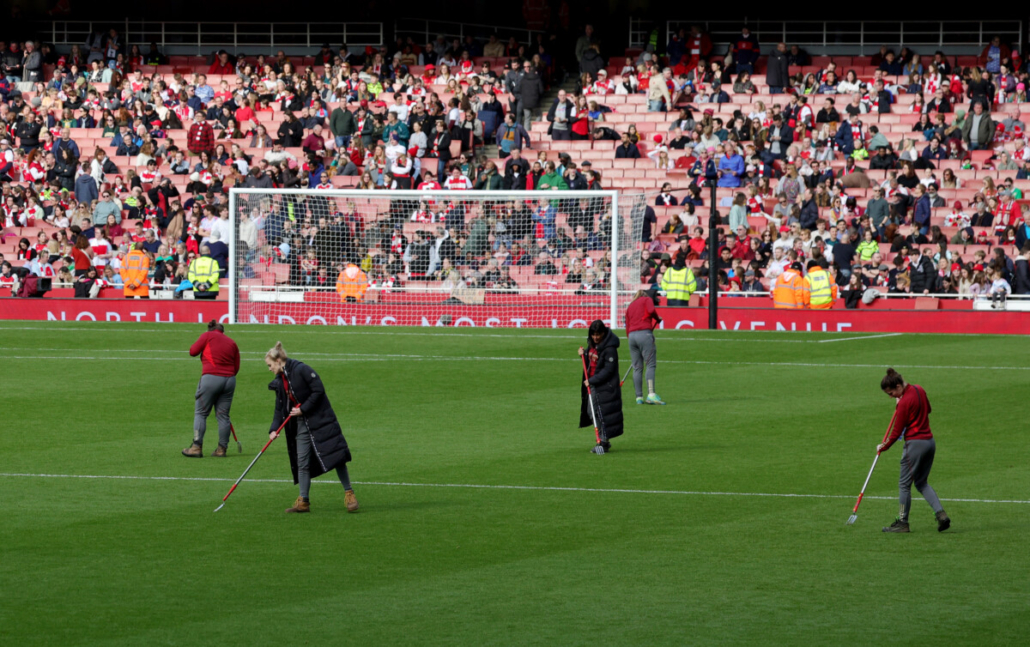
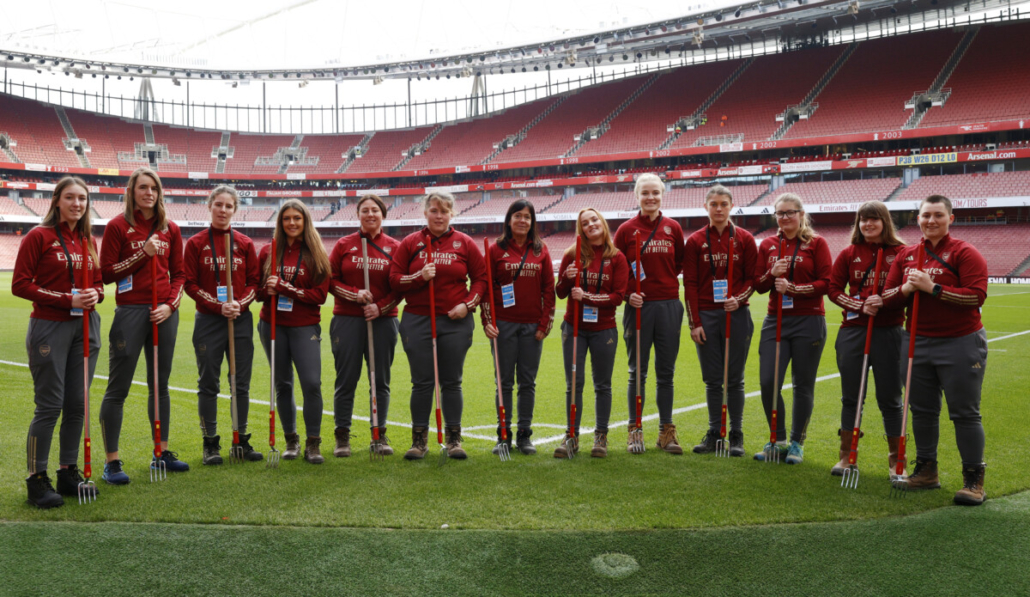
That, however, is not the reason that the occasion was up there with LeBron’s achievement because, for the first time ever, the pitch was prepared by an all-female grounds team of 13 specially selected women, from sporting venues all over the country.

It goes without saying that the match went without a hitch.

It is a shocking statistic that women – aged 21 not 18 mind you – were given the vote in 1928, yet in 2024 only 2% of those working in the grounds maintenance industry, a job eminently suitable to both sexes, are female.

So the opportunity to showcase the skills of the Emirates 13 was seen as a wonderful chance to display that the industry is very much a place for women and that it is a career option from which many more would take great pleasure.

Turf Matters spoke with three of the women involved, Beth Gibbs, before the big match, and Liddy Ford and Meg Lay afterwards.

“I got the invitation to join the team in the middle of January and it didn’t take me too long to accept,” recalled Beth, who is a Groundsperson at Wellington College, in Somerset, and one of the recently appointed GMA NextGen Board Members.

Beth was so keen to be one of the ground-breaking team because of the message it sent out to other young women considering their futures.

“I think it’s definitely a massive milestone because at the moment there are only 2% of women in the industry and with us getting together it shows what we can do and that we are no different to the men. It shows that this is a job for younger women, that they can definitely do it and that it is a good career for them.”

On that appalling 2% participation rate Beth has thoughts on why the number is so low.

Sisters are doin’ it for themselves

Sisters are doin’ it for themselves

“Some people believe that they can’t do it from a strength perspective – that they are not going to be strong enough to push a mower. It is a physical job, but there are a many young women who would be more than capable.

The more we talk about it the more women will appreciate that they are able to do the job,” said Beth, who showed her own credentials by becoming the GMA Young Groundsperson of the Year in 2023.

The fact that the industry is so male dominated at the moment also doesn’t help the cause.

“Because it is so male dominated many women don’t see it a job for them, so they don’t push themselves to have a go at it. Also the industry as a whole isn’t promoted in schools so not a lot of people know about it.

“My friends don’t really understand what I do. They think I just cut grass, but I was talking to them about being on the team at the Emirates and they were very jealous,” revealed Beth.

Liddy, who is on the grounds team at St George’s Park, and Meg, who has recently joined the grounds team at Lords, are both also on the GMA’s NextGen Board and, speaking after the match, were both still buzzing from the experience.

“The cool thing for me was being with a group of women for a change. That was something I really appreciated. I really enjoyed getting to meet some really lovely people and it was great to be a part of it.

I just felt really lucky,” said Liddy. For New Zealander, Meg, being so close to the action was the real buzz.

“I was sitting right beside the pitch and I remember looking over to my left and the England Captain, Leah Williamson, was about five metres away and thinking how have we got here. That was a cool moment,” said Meg.

“It showed just how close we were to the action and how key a part we play in it. Every game of professional sport which is played on grass has happened because of ground staff. It’s a billion dollar industry and wouldn’t exist without us.”

The 13 who were led by Tara Sandford, a well-respected member of the groundstaff at the Emirates, had met up the day before and had a run through at the Emirates.

“We went through everything we needed to know including practising with the portable goals and cutting the pitch, before we went back to the hotel for a meal together before the big day,” said Liddy, who knew her fellow NextGen Board members and a few of the other team members who had visited St George’s Park for a day.

That practice really paid off as, under pressure to turn the pitch around for play after the warm-up in 15 minutes, the team completed the task in just six.

“We were a well-oiled machine,” laughed Meg. What is common to Beth, Liddy and Meg is that none of them had planned on a career in grounds care, they just fell into it, based on a love of the outdoors, sport and a desire not to be stuck in an office behind a desk.

In fact Liddy has just been joined by another young woman at St George’s Park while since joining Lords earlier this year Meg has now has another woman to keep her company.

Sisters are doin’ it for themselves

Sisters are doin’ it for themselves

“Lords has gone from zero for 220 years to two in the space of a couple of months,” said Meg.

All three, as NextGen Board members, are keen to work towards making the career better known about and better appreciated both for young women and young men.

“The NextGen stuff is really exciting at the moment. We’ve got a whole new bunch of fresh faces and we are really excited about what the group can achieve
going forward,” said Meg.

The success of the Emirates’ team was lauded by the GMA, the hosts of the match, Arsenal and the Barclay’s Women’s Super League.

“To see a team of 13 experienced and talented women prepare the iconic Emirates Stadium pitch in front of hundreds of thousands of spectators and viewers across the UK, was a highly significant moment in the GMA and the grounds management industry’s history,” said Jennifer Carter, the GMA’s Director of Communications.

“The lack of visibility of women in this field remains a significant barrier, but we are confident that moments like these, and more in the future, will be pivotal in convincing more young people especially females, to explore this promising career path,” added Jennifer.

The work of the team was also praised by Vinai Venkatesham, Arsenal’s CEO.

“This is a celebration of what’s been achieved by women in sport, but also serves as a reminder of the work we need to do together to ensure more young girls are encouraged to break into the game.

“It’s important we continue to build on these moments to inspire the next generation and accelerate the sustainable growth of the game,” said Vinai.

“There are so many incredible women working not only throughout football, but across many other industries too, and it is amazing that we have been able to bring 13 of the country’s most highly-rated female ground staff together to play such a crucial role for this tentpole fixture in our calendar,” said Nikki Doucet, CEO of the Barclay’s Women’s Super League.

The whole event can be signed off as a total success and should act as a wonderful advert for the industry. It will certainly be interesting to know how big an improvement on that 2% women participation there is when LeBron James scores his 50,000th NBA point!