
Tag Archive for: Fertiliser

Do soil analysis results determine your fertiliser plan?

Do soil analysis results determine your fertiliser plan?: Dr Andy Owen, ICL International Technical Manager, on the science of soil testing versus the reality of turf nutrition.

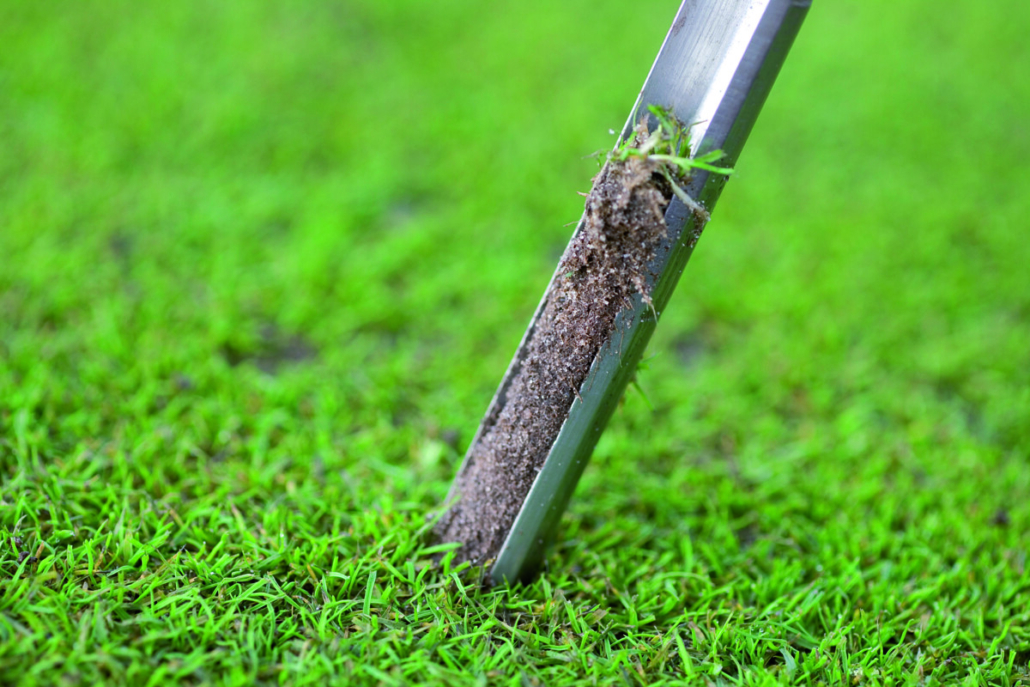
For many turf professionals, soil analysis is the starting point for creating a fertiliser programme.
Do soil analysis results determine your fertiliser plan?

Do soil analysis results determine your fertiliser plan?

The process is familiar: take a soil sample, send it for analysis, and use the results to shape nutrient applications. It’s a logical approach, after all, soil tests provide valuable data on pH, nutrient levels, and soil composition.

But is that enough?

While soil analysis is an important tool, it doesn’t tell the full story of turf nutrition. Grass species, climate, and maintenance practices all influence nutrient availability, and a soil test alone won’t account for these real world factors. Understanding when and how to use soil analysis effectively is key to making smarter fertiliser decisions.

What Soil Analysis Tells You – And What It Doesn’t

A soil test provides a snapshot of the chemical composition beneath the turf, typically measuring:

  • pH levels – Extremes can impact nutrient availability.
  • Cation exchange capacity (CEC) – Indicates the soil’s ability to retain nutrients.
  • Salinity – Helps detect potential stressors.
  • Macronutrients (N, P, K) and Micronutrients – Highlights potential deficiencies or excesses.
  • Organic matter content – Affects microbial activity and soil health.

These insights help identify imbalances, but they don’t necessarily show what’s available to the plant.

Turf nutrition is more than just soil chemistry, it depends on how nutrients interact with the root system, climate, and ongoing maintenance practices.

For example:

  • A soil test might show acceptable phosphorus levels, yet if the turf exhibits deficiency symptoms, poor root uptake (not a lack of phosphorus) could be the real issue.
  • Nitrogen recommendations should be based on plant demand, not soil tests, since nitrogen is highly mobile and influenced by temperature and growth cycles.
  • Soil pH is a critical factor, correcting pH imbalances can improve nutrient availability more effectively than applying additional fertiliser, but this is not simple for all soils

So, while soil analysis provides a useful benchmark, fertiliser decisions should go beyond the numbers.

What Does the Research Say?

Agronomists and researchers agree that soil testing is most valuable when used as part of a long-term strategy rather than as a standalone guide. Studies and field experience highlight key considerations:

  • Soil analysis is most useful for tracking trends over time – One-off tests can be misleading, so repeated testing is essential for accuracy.
  • Visual assessments matter just as much as data – Turf colour, growth rate, and stress indicators provide real-time feedback on nutrient status.
  • Fertilisation should be responsive, not prescriptive – Climate conditions, aeration, and root development all affect nutrient uptake, making a flexible approach more effective.

By combining scientific analysis with practical field observations, greenkeepers can make fertiliser decisions that reflect real-world turf performance, not just lab results.

Why Do People Rely So Heavily on Soil Analysis?

The idea that soil testing directly dictates fertiliser programmes has been reinforced by a few common factors:

  • Industry Tradition – Many turf professionals are taught that soil testing is the first and most important step in fertiliser planning.
  • Simplicity – A lab report provides clear numbers, making it seem like a definitive guide to nutrient applications.
  • Supplier Influence – Some fertiliser recommendations are based on soil test results interpreted by suppliers, sometimes leading to unnecessary or imbalanced applications.

While soil testing should inform fertiliser decisions, it shouldn’t dictate them in isolation. A more dynamic, responsive approach leads to better long-term turf health.

How to Build a Smarter Fertiliser Plan

Instead of basing fertiliser applications purely on lab results, a more effective strategy considers both science and on-the-ground observations:

  • Observe turf performance – Regularly assess turf colour, growth, and stress response to identify nutrient needs.
  • Factor in environmental conditions – Climate, rainfall, and soil drainage affect nutrient availability as much as soil chemistry.
  • Use soil analysis for long-term monitoring – Track trends over time rather than making reactive decisions based on a single test.
  • Match fertiliser inputs to grass species – Different turf types have unique nutritional demands that go beyond what’s in the soil.
  • Balance fertilisation with maintenance – Aeration, irrigation, and organic matter management all influence how well nutrients are absorbed.

This approach ensures that fertiliser inputs are aligned with real turf needs, rather than simply following numbers from a report.

Balancing Science with Practical Turf Management

Soil analysis is a valuable tool, but it’s not the whole story. Fertiliser planning requires a mix of scientific data, turf observations, and agronomic expertise to make informed decisions.

Rather than treating soil test results as a prescription, they should be seen as one piece of a larger strategy, working alongside field knowledge, environmental conditions, and real world turf performance.

At ICL, we believe in evidence based fertiliser planning, using soil data as part of a bigger picture, not the sole deciding factor. By taking a balanced approach, turf professionals can achieve long-term health and resilience, not just short-term corrections.

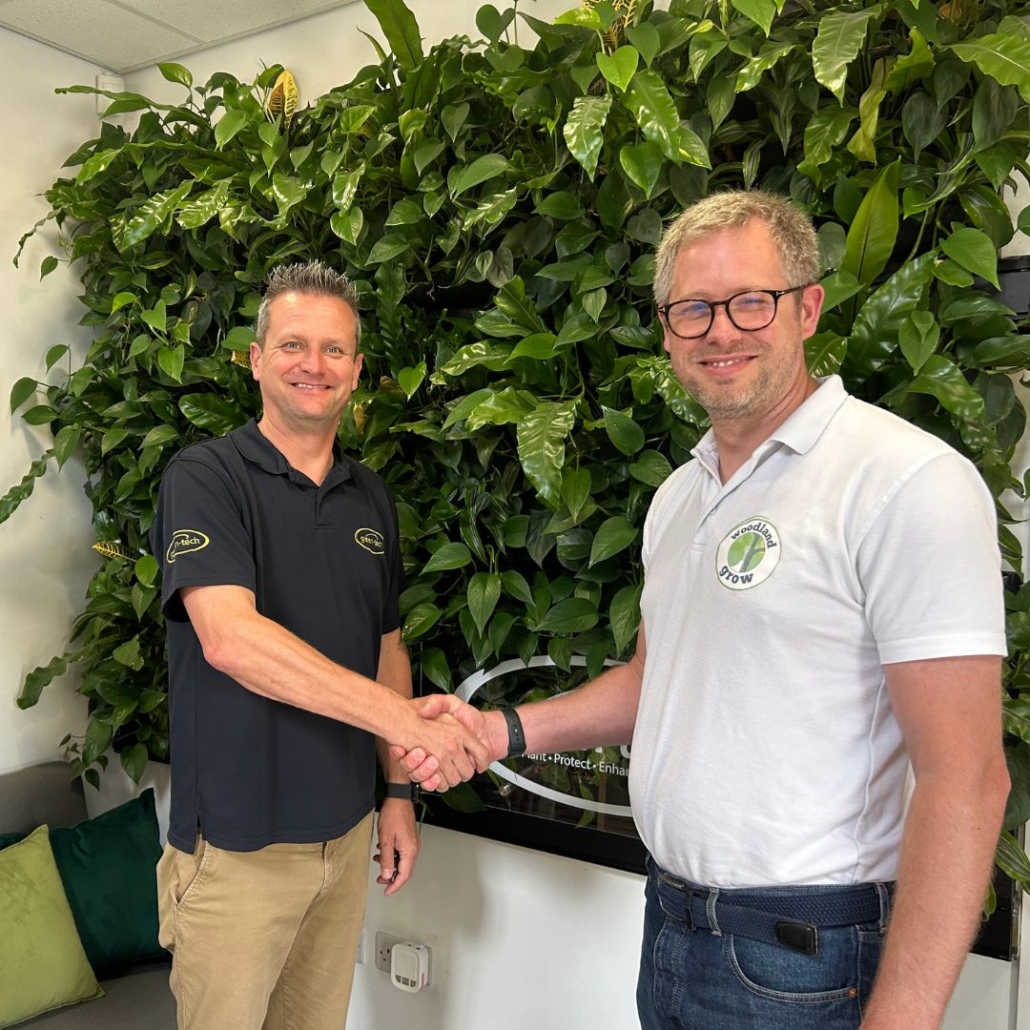
Green-tech to distribute Woodland Grow Natural Fertiliser

Green-tech to distribute Woodland Grow Natural Fertiliser: Green-tech is proud to announce the latest addition to its extensive product portfolio, Woodland Grow Natural Fertiliser. This innovative product, distributed exclusively by Green-tech, offers a groundbreaking approach to natural plant nutrition, harnessing the power of woodland soils.

Woodland Grow is a Natural Fertiliser, borne from years of scientific research into soil biology, and coupled with the benefits of enhancing soil’s natural ecosystem. The fertiliser incorporates British native woodland fungal communities and soil microbes, designed to rejuvenate and enrich intensively managed soils.

Green-tech to distribute Woodland Grow Natural Fertiliser

Green-tech to distribute Woodland Grow Natural Fertiliser

Green-tech is a leading supplier of products for landscaping, forestry, and horticulture industries. Their dedication to sourcing sustainable and innovative products that support ecological balance and promote biodiversity is well known. This product supports Green-tech’s commitment to sustainability and providing customers with environmentally responsible solutions.

Green-tech’s Purchasing and Product Development Director Chris Swan comments, ” Woodland Grow Natural Fertiliser is the latest addition to our extensive product portfolio and supports our ongoing efforts to provide more sustainable solutions for our customers. Over the last five years, sourcing products with strong environmental credentials has been our focus, ensuring we offer the most up-to-date developments in the marketplace.”

Woodland Grow Natural Fertiliser is composed of UK-sourced materials that replicate woodland soils, including a blend of 10-15 natural ingredients such as NPK, seaweed, blood fertiliser, lime, hoof, and horn. This 100% natural fertiliser works in harmony with nature to improve soil health and plant growth without relying on synthetic inputs.

Its key benefits include:

  • Contains naturally occurring mycorrhizal species
  • Provides disease suppression
  • Enhances plant quality and vitality
  • Mimics peat properties
  • Improves soil structure and water retention

Daniel Iddon, Founder and Director of Woodland Grow, highlights the importance of this innovation: ” Woodland Grow represents a 21st-century engineered compost that replicates peat, enabling us to innovate beyond the sterile environments we’ve grown accustomed to. It enables the forestry industry to close the carbon loop of timber production by putting microbial life back into forest residues.  I am thrilled to be partnering up with Green-tech. Their extensive sales, marketing, and distribution capabilities make them the perfect distributor for Woodland Grow Natural Fertiliser.”

For more information or to request a sample pack, please contact Green-tech on 01423 332 100 or email sales@green-tech.co.uk

For the latest industry news visit turfmatters.co.uk/news

Get all of the big headlines, pictures, opinions and videos on stories that matter to you.

Follow us on Twitter and Instagram for fun, fresh and engaging content.

You can also find us on Facebook for more of your must-see news, features, videos and pictures from Turf Matters.

Pioneering fish fertiliser provides biological boost

Pioneering fish fertiliser provides biological boost: British organic fertiliser manufacturer Biocore Agri has developed a new fish-based fertiliser that has significantly increased microbial life, including bacteria and fungi, in a variety of growing systems.

In a series of trials with its Biocore Land product, a fertiliser made by fermenting fish, the Fleetwood-based manufacturer has used Eurofins’ Soil Life Monitor tests to prove the soil-enhancing effect of the product. The liquid fish hydrolysate contains a broad range of macro and micro nutrients, amino acids, trace elements and organic matter, as Managing Director Stephen Welsh explains:

Pioneering fish fertiliser provides biological boost

Pioneering fish fertiliser provides biological boost

“We shred and mulch fish that is not suitable for human consumption in a process known as cold hydrolysis. The resulting liquid organic fertiliser that can be applied to soil as a conditioner or to plants as a foliar spray. It can also be mixed with other biological or chemical products to reduce spraying frequency.”

In a trial, seven litres per hectare of Biocore Land was used to improve lettuce growth. It reduced the growth cycle by three days, equivalent to a 10% reduction.

“We are working with Harlequins F.C. to enhance the training pitches at the club. We are also running a series of trials with VCS Agronomy, and recently completed a successful trial with the British Carrot Growers Association which saw carrot yields increase by 9.65%,” he says.

Tests with Eurofins Agro UK have identified that, when compared to a control sample, the organic fertiliser can increase microbial biomass by 85% and organic matter by 27%. In addition, the tests showed increases in total bacteria of 66.6% and total fungi of 85.71%.

“In a 15-hectare split field trial we applied Biocore Land to grass, which showed an 8.47% increase in grass protein and an organic matter increase of 27%. This demonstrated a benefit to both soil life and grass quality,” adds Mr Welsh.

The product, being made of natural material, is certified by the Soil Association and is expected to appeal to farmers and growers looking to enhance soil health by improving soil life. As an agricultural product for grassland or arable, it has the potential to help soils manage stresses such as drought, floods, extreme temperatures, pests and disease.

“Eurofins was the only laboratory that could identify the build-up of microbial biomass in the soil samples from our trials. The results show that Biocore Land is capable of making significant improvements to microbial life quickly, which we hope will appeal to farmers and growers looking to use natural fertilisers rather than chemicals,” he concludes.

For the latest industry news visit turfmatters.co.uk/news

Get all of the big headlines, pictures, opinions and videos on stories that matter to you.

Follow us on Twitter and Instagram for fun, fresh and engaging content.

You can also find us on Facebook for more of your must-see news, features, videos and pictures from Turf Matters.

Prescription nutrition available in 25kg fertiliser bags

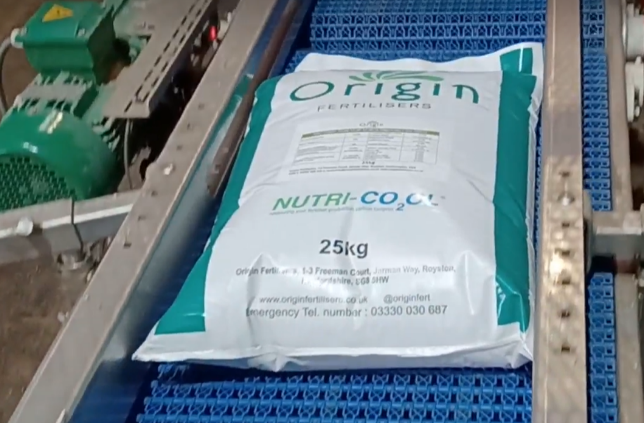
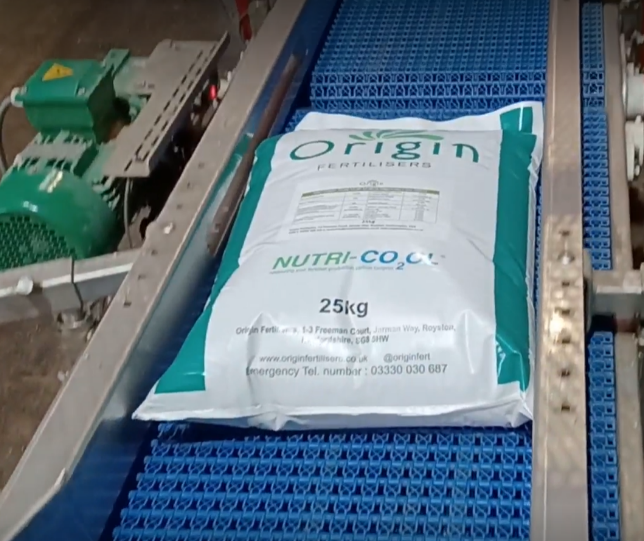
Prescription nutrition available in 25kg fertiliser bags: A new state-of-the-art bagging line will produce 25kg bags of fertiliser aimed at professional growers in the forestry, horticultural and amenity sectors looking for a more convenient way to improve soil fertility through targeted nutrition.

The line has been installed at Origin Fertilisers’ Silloth production site in Cumbria and has an automatic palletiser and shrink wrap to help keep the bags in pristine condition.

Prescription nutrition available in 25kg fertiliser bags

Prescription nutrition available in 25kg fertiliser bags

The new 25kg product lines are available throughout the UK and will be of particular interest to users who don’t require, or have the space to store, fertiliser products in the traditional bulk quantities associated with larger bags, such as the smallholder or equine markets.

A wide range of products are available, including the option of Origin’s Nutri-Match prescription service, which matches fertiliser grades to the soil’s nutritional requirements.

“The 25kg line offers growers in different markets the option to buy smaller bags in manageable quantities and not feel tied to ordering lorry loads of bulk product, which can be a strain on cashflow and storage,” says Richard Clark, sales director at Origin Fertilisers.

“We wanted to extend the use of our prescription matching service, which targets nutritional inputs to the soil’s needs based on a detailed soil analysis. This has been proven to increase yields and crop quality and offers growers the option to include up to 14 essential nutrients in any one blend.”

The 25kg bag range includes four standard grades – 20-10-10 or 24-4-4 – and buyers also have the option to add sulphur in the 13-13-20 + 4.5SO3 and 15-15-15 + 4.5SO3 blends.

Also available in the 25kg line are products from Origin’s Natural Nutrition range, which is derived solely from naturally occurring materials to help improve soils with phosphate, potash, sulphur and calcium.

“This is aimed at growers wanting to minimise their impact on the environment and only use naturally mined products on their crops. These include phosphate and potassium, along with polysulphate, which offers a slow release of sulphur to help with nitrogen use efficiency.

“Further benefits of using the smaller bags include less undercover space required to store them and easier to transport to the field,” adds Mr Clark.

The minimum order for 25kg bags is 40 to fit on a one tonne pallet load for easy delivery and storage. Growers after the NutriMatch prescription blend in 25kg bags will need to order eight tonnes of a single grade.

The bags are available through a range of national and regional merchants or by speaking to your local Origin Fertilisers’ sales representative.

For the latest industry news visit turfmatters.co.uk/news

Get all of the big headlines, pictures, opinions and videos on stories that matter to you.

Follow us on Twitter and Instagram for fun, fresh and engaging content.

You can also find us on Facebook for more of your must-see news, features, videos and pictures from Turf Matters.

ICL launches new organic based fertiliser

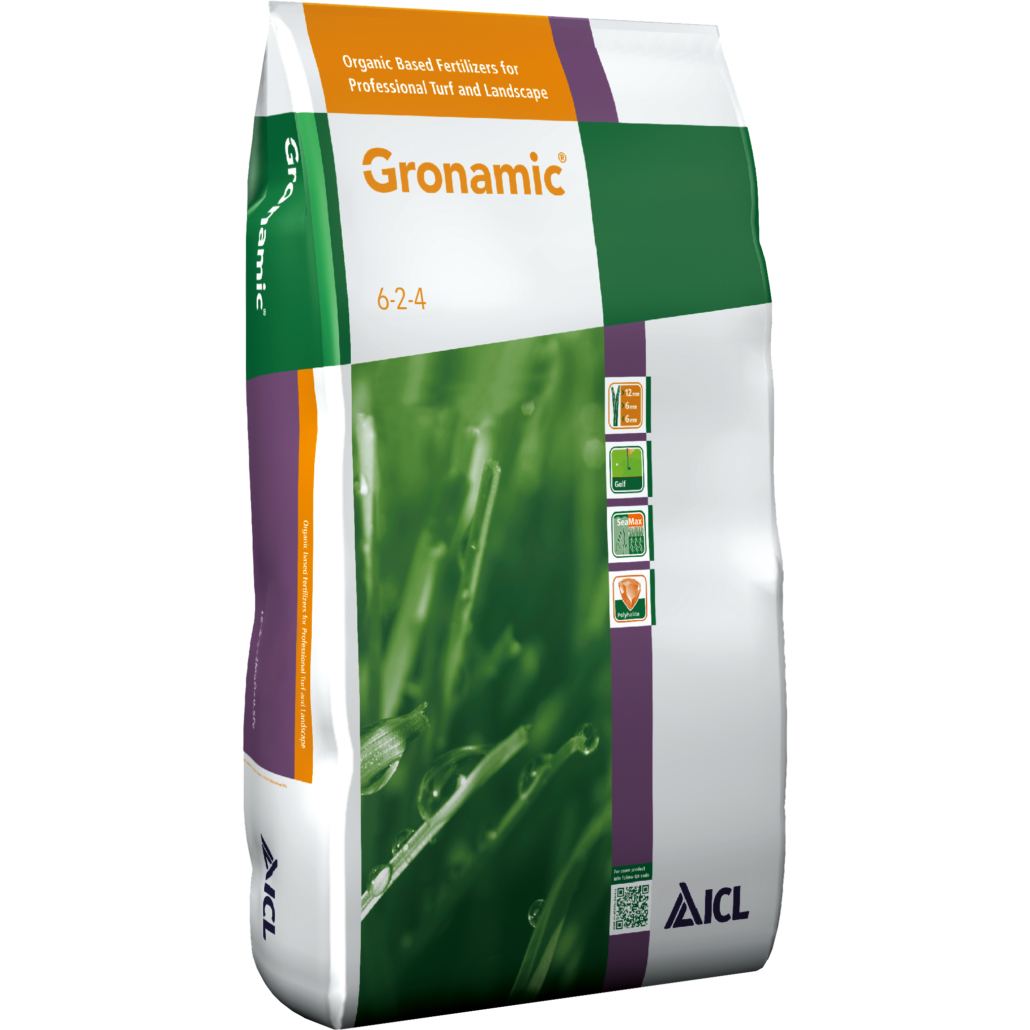
ICL launches new organic based fertiliser: ICL has announced the launch of Gronamic Golf 6-2-4, an organic based fertiliser with unique, proven and sustainable ingredients.

Gronamic Golf 6-2-4 is designed to deliver a healthy natural turf response. It combines a unique blend of mineral and plant-based organic nutrition with a proven biostimulant.

ICL launches new organic based fertiliser

ICL launches new organic based fertiliser

Gronamic Golf 6-2-4 contains ingredients that are unique to ICL in turf.

SMX, the sustainably sourced seaweed concentrate that has been shown in trials to improve turf colour, turf quality, root development and stress tolerance.

Pearl Struvite, a recycled, slow-release phosphorus, derived from the water treatment industry.

Polyhalite is exclusively mined in the UK by ICL, is a low chloride fertiliser, and being a natural product with no chemical processing makes it suitable for organic feeding programmes.

Gronamic Golf 6-2-4 is the latest product to be added to the Gronamic range and is available from ICL with immediate effect.

Please contact ICL on 01473 237100 or visit www.icl-sf.co.uk or www.icl-sf.ie if you are in Ireland.

For more news and insightful views, you can follow ICL on Twitter @ICL_Turf

For the latest industry news visit turfmatters.co.uk/news

Get all of the big headlines, pictures, opinions and videos on stories that matter to you.

Follow us on Twitter and Instagram for fun, fresh and engaging content.

You can also find us on Facebook for more of your must-see news, features, videos and pictures from Turf Matters.