
Tag Archive for: More

More indoor demos at SALTEX

More indoor demos at SALTEX: Due to popular visitor demand, show organisers have revealed that an increased number of indoor demonstrations will be taking place at SALTEX 2020 in a large dedicated arena on the show floor.

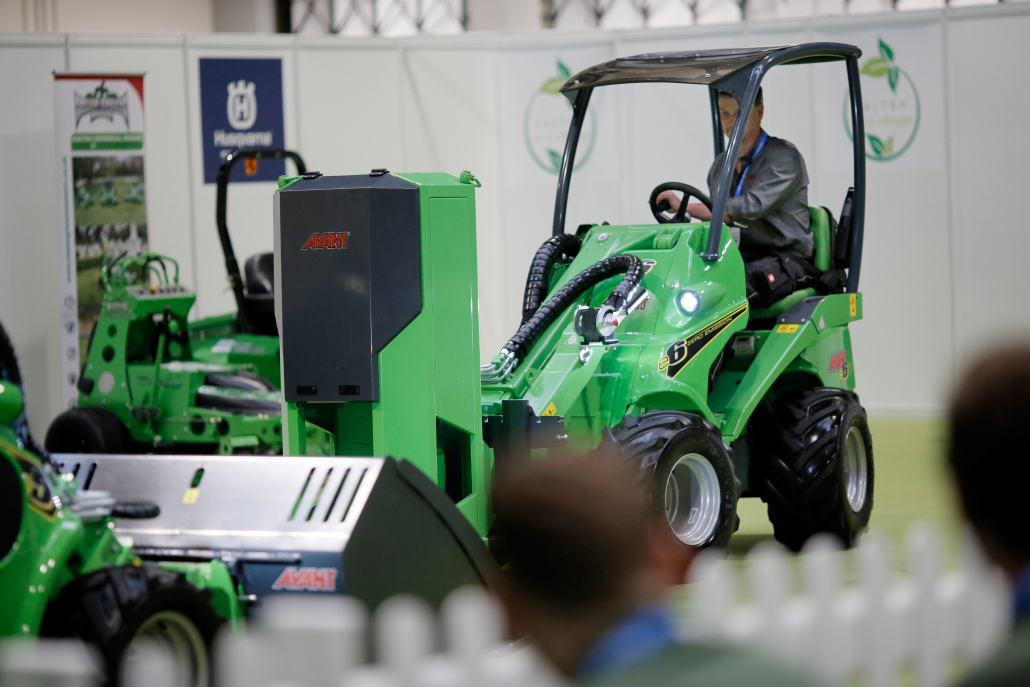
At SALTEX 2019 the Eco Village demonstration area offered visitors the opportunity to experience the latest green technology in groundscare and played host to daily demonstrations of cutting-edge sustainable products, which included electric mowers, loaders, brushcutters, hedgecutters, chainsaws and woodchippers.
More indoor demos at SALTEX

More indoor demos at SALTEX

This feature proved to be a huge success and attracted large crowds of onlookers, which gave exhibitors the opportunity to promote their products in more detail. In fact, every exhibitor that participated in the Eco Village reported an increase in footfall to their stand and claimed that it helped them generate a significant amount of sales leads.

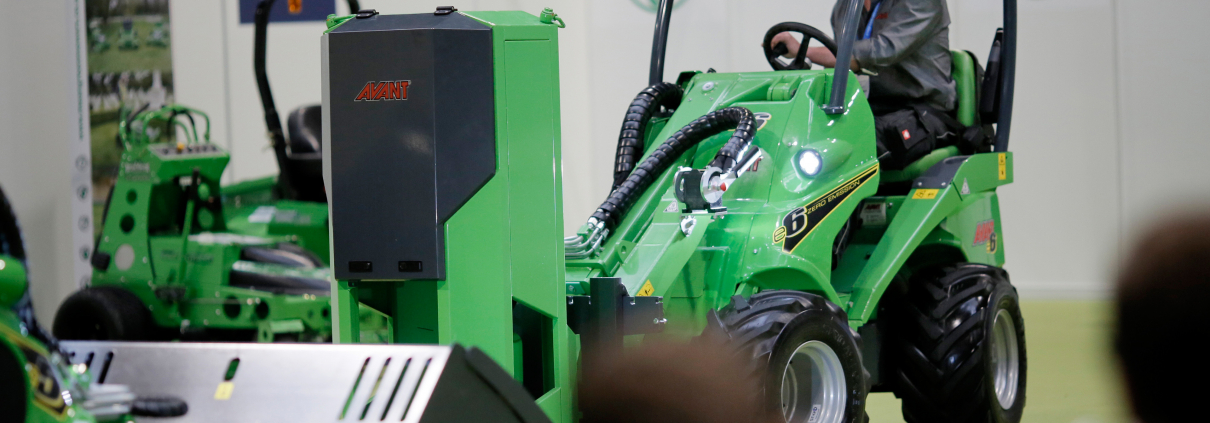
At last year’s SALTEX event, Avant UK demonstrated its new electric loader in the Eco Village and John Spencer, national sales manager, felt that it put them directly in the spotlight.

“SALTEX is the UK’s flagship event in the groundscare industry and when the opportunity arose to promote our products within the Eco Village, we jumped at the chance.

“A working area is a great show feature – visitors love live demonstrations. It’s good to see all the machines and equipment on static stands but getting the chance to see them in action is a great opportunity.

“Last year’s Eco Village proved popular with the visitors, as a good size crowd gathered each time we demonstrated. Not only did this gain interest in our electric models, but it also drew the visitors to our main stand to look at all our other diesel and petrol models too.”
More indoor demos at SALTEX

More indoor demos at SALTEX

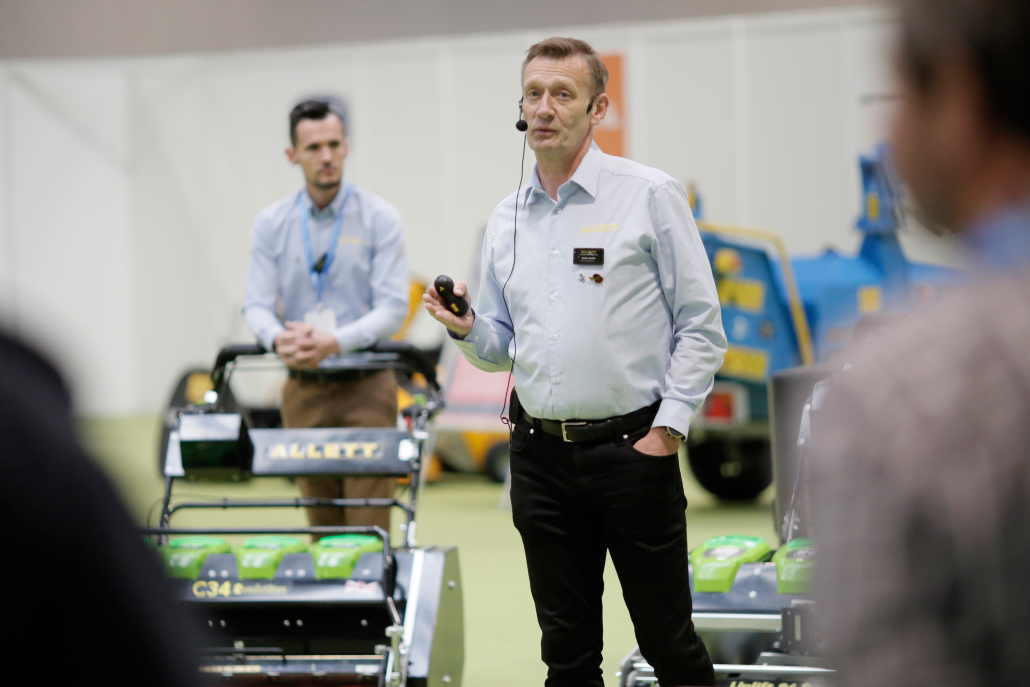
Allett Mowers used the Eco Village to showcase its walk-behind electric cylinder mower and managing director Austin Jarrett, also felt that it maximised the company’s presence at the show.

“It certainly drove more visitors to our stand. We were busy on both days right up until the end of the show. It helped visitors put us on the tick list in terms of exhibitors they wanted to see on the show floor, and it gave us the opportunity to talk to more people about our products,” he said.

Many exhibitors are already signing up to the new demonstration feature which is set to be more than twice the size of the Eco Village.

Commenting on the enlarged demonstration arena, SALTEX and events director Luke Perry said: “The success of SALTEX is achieved by listening to every single piece of feedback following a show. According to the post-show visitor survey there is a real desire to see more indoor demonstrations on the show floor. Therefore, for SALTEX 2020 we have taken the decision to display more indoor demonstrations and make the experience even better.

“Not only will it be a fantastic attraction for visitors, but it will also be a great opportunity for exhibitors to proudly put their products directly in front of over 9,000 relevant visitors who have the appetite and budget for new equipment.”

SALTEX 2020 will take place at the NEC, Birmingham on 4 and 5 November.

For more information visit www.iogsaltex.com

Follow SALTEX on Twitter & Instagram @IOG_SALTEX and Facebook – www.facebook.com/IOGSALTEX

For the latest industry news visit turfmatters.co.uk/news

Get all of the big headlines, pictures, opinions and videos on stories that matter to you.

Follow us on Twitter and Instagram for fun, fresh and engaging content.

You can also find us on Facebook for more of your must-see news, features, videos and pictures from Turf Matters.

Mowing forward with more choice

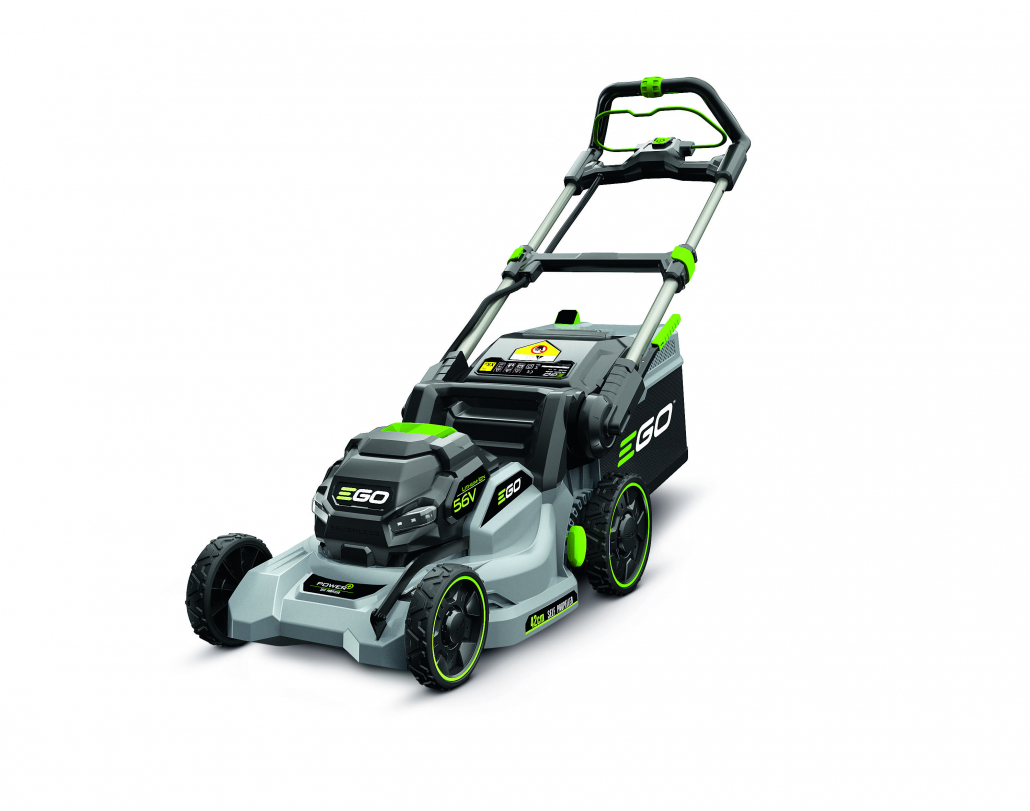
Mowing forward with more choice: Adding to its award-winning range of cordless power tools, EGO is now launching a new 42cm self-propelled lawnmower (LM1701E-SP).

Combined with other features, it’s designed to make mowing easy with incredible collection even on slopes and difficult terrain.

Mowing forward with more choice

Mowing forward with more choice

In addition to the variable speed self-propelled drive system, the lawn mower has wheels with a larger than usual tread to give better traction. It also features adjustable handle heights and an easy to access battery and grass-box.

Weighing just 25kg, the 42cm mower benefits from an extra-large 55 litre textile bag for grass collection and supplied with a 2.5Ah battery and standard charger, you can cut up to 300sqm on one single charge.  It’s also manufactured from a robust and easy to clean polymer material which is a proven winner when it comes to collecting, mulching and rear discharge cutting.

Powered by industry leading 56-volt Arc lithium-ion technology, there are no power cables to get tangled in, and no petrol to deal with.

But that doesn’t mean you don’t get equivalent performance.

From leaf blowers and chain saws through to the new mower, all of EGO’s market leading range of cordless equipment matches or surpasses the performance of petrol-powered tools – without the noise, vibration or pollution, but with plenty of added value.

Retailing at £529.00 with a 5-year domestic warranty, the new 42cm mower proves the point.

For the latest industry news visit turfmatters.co.uk/news

Get all of the big headlines, pictures, opinions and videos on stories that matter to you.

Follow us on Twitter and Instagram for fun, fresh and engaging content.

You can also find us on Facebook for more of your must-see news, features, videos and pictures from Turf Matters.
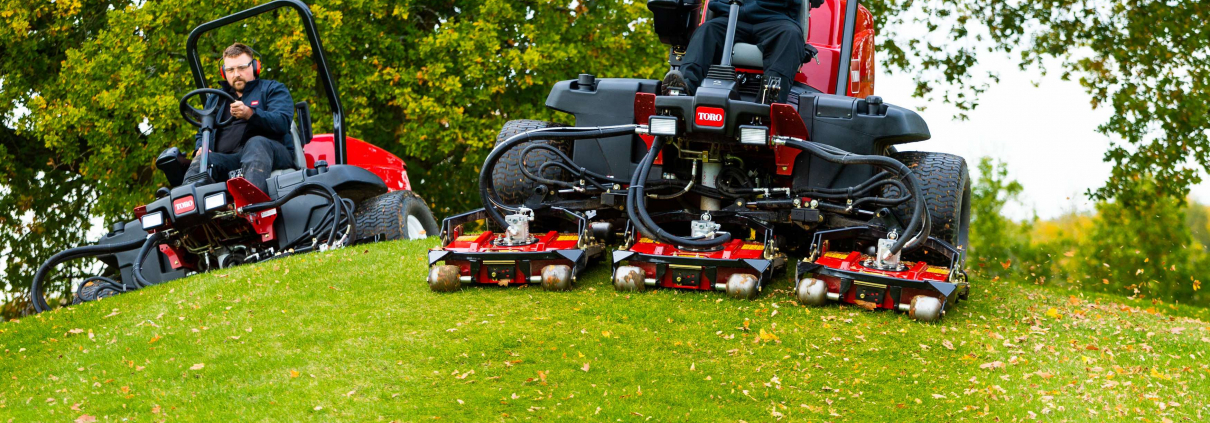
More Toro for Badgemore Park

More Toro for Badgemore Park: Following on from Toro’s success at The Drift Golf Club in Surrey, Toro arrives at Badgemore Park Golf Club in Henley-on-Thames, its sister club, for the first time.

Since it was founded in 1972, Badgemore Park has operated a like-for-like machinery replacement plan and never benefitted from the advantages of having a comprehensive machinery fleet, until now.

More Toro for Badgemore Park

For the last 20 years course manager Lindsay Anderson has wanted that to change and now’s the time, with the club choosing Toro for its first ever fleet package deal.

“We’ve undergone a lot of development at the club recently,” says Lindsay. “Making changes with new greens and tees and re-developing all the bunkers. Investing in a complete Toro machinery package is part of a massive investment in the club and another step in the right direction to improve the course, completing our five-year plan of course improvements in time for our 50th anniversary in 2022.”

And it was a very thorough process for Lindsay when it came to choosing a new equipment provider. “We had demonstrations from a few brands and asked around other golf courses for recommendations,” he says. “It became clear fairly soon that Toro was the way to go. Toro is renowned in the industry as being the best and the demonstration cemented that.”

The machines entrusted with maintaining the beautiful parkland course include three Toro Greensmaster TriFlex 3400 mowers, two Groundsmaster 4300-D mowers, two Greensmaster 1000 pedestrian mowers, two Workman MDX-D utility vehicles, a Groundsmaster 4000-D and a ProCore 648 with quick tine change collars fitted, which Lindsay says is his favourite.

“It’s just fantastic. We have a massive aeration programme proposed for the next six months so it’s going to get a lot of use and I know it will be up to the task. It’s a real quality piece of engineering built for ease of maintenance and ease of operation. Plus, it’s durable and reliable.

“In fact, all the machines are, which makes my job easier on a daily basis. I’m no longer constantly answering the phone to members of the greenkeeping team and having to run to fix issues with the machines, and that’s had an effect on us all. We’ve all got confidence in the machines and it’s really boosted morale and productivity.”

Of course, committing to one machinery brand usually means a change in dealer with Reesink being keen to demonstrate to Lindsay how it offers its customers more.

Reesink sales manager Robert Rees soon made the introductions for Lindsay with his local Toro service centre, CTH Engineering, which reassured Lindsay about the backup service available. He says: “I was unsure where we would go for our servicing if we switched brands, but Robert was great. He put me in touch with another local dealership that dealt with Toro machines and discussed the whole thing in detail which cleared up the concerns I had. And the backup to date – well there have been no issues.”

But when it comes down to it, what has impressed the team and members of the club alike most are the results seen across the course.

“The quality of cut is incredible,” concludes Lindsay. “Within a month members were commenting on the quality of the playing surfaces having improved.”

This is no surprise considering The Drift experienced a similar improvement in both the aesthetics and quality of the playing surface too!

For the latest industry news visit turfmatters.co.uk/news

Get all of the big headlines, pictures, opinions and videos on stories that matter to you.

Follow us on Twitter and Instagram for fun, fresh and engaging content.

You can also find us on Facebook for more of your must-see news, features, videos and pictures from Turf Matters.
More support for golf clubs

More support for golf clubs: As sustainability and climate action become increasingly important to all types of businesses, including golf clubs and courses, GEO Foundation continues to add new benefits and services to the OnCourse programme. 

Through continual dialogue with golf club and course managers and golf associations, and as part of the mission to keep adding value to the growing number of people OnCourse, new features include:

More support for golf clubs

  • Annual Sustainability Scorecard– tracks the 32 Sustainability Metrics for Golf, giving clubs easy access to key data and year-on-year trends, plus professional-standard presentations and graphics prepared for each club.
  • OnCourse Carbon Calculator– calculates carbon emissions, sequestration & balance plus guidance on how to improve.
  • Communications materials– more ways to communicate with colleagues, golfers and community – including monthly themed campaigns for clubs that want to do more around a particular issue.
  • Consultations – free call to determine which aspects of OnCourse will best meet a club’s aims and needs, and how to get started or connect with additional support if desired.

Now in eleven languages, the programme is proving to be a valuable resource for clubs and courses of all sizes around the world, with more clubs now joining every day to unlock the many business benefits of sustainability and to play their part.

As described by one club recently, “OnCourse provides a vision of how golf clubs can and should be in the 21st Century – as clubs that act as stewards for the land, use resources responsibly and are integrated as part of their communities.” – Bob Roberts, Market Harborough Golf Club.

Clubs around the world have already shared hundreds of examples of this type of action, their projects and results, provided as an always growing library of ideas in OnCourse and also helping to strengthen the reputation of golf and the value it brings to nature and people.

Over the coming months, many workshops and events are taking place with GEO Foundation and partners, check with GEO or your local golf association for more information.

And in the UK, visit the BTME Sustainability Zone in January 2020.

For the latest industry news visit turfmatters.co.uk/news

Get all of the big headlines, pictures, opinions and videos on stories that matter to you.

Follow us on Twitter and Instagram for fun, fresh and engaging content.

You can also find us on Facebook for more of your must-see news, features, videos and pictures from Turf Matters.

Green speed more than a number

Green speed more than a number: At The Open this year the green speeds measured at 10’1”, 10’2”, 10’3” and, with the threat of rain on the horizon, were slowed to 9’11” for the final day, with all 18 greens stimping within just 4 inches of each other. With that in mind, Golf Magic teamed up with BIGGA to learn more about green speeds…

BIGGA remains obsessed with the speed of our greens, with the implication for the golfer being that faster greens are saved for special occasions, such as club championships. As such, if you’re able to achieve those high speeds in everyday life, then yours must be a high-quality course, right?

Green speed more than a number

But how important are green speeds? Do they matter?

One of the most important innovations in golf course preparation since the 1970s was the stimpmeter. A stimpmeter is a simple device consisting of a long, narrow metal tray that enables greenkeepers to consistently replicate the roll of a ball across a green. It was introduced by the agronomy department of the USGA and is commonly quoted as an effective means of measuring speeds – you may have heard commentators at events discussing how fast the greens were “stimping” at.

However, measuring speed isn’t actually the stimpmeter’s true purpose. Tellingly, the device’s instruction manual reads: “the variations in speed, whether from one green to the next or on different parts of the same green, can do more to negate a player’s skill than ragged fairways or unkempt bunkers”.

That’s the leading authority for golf in the United States saying that consistent greens are more important than fairways, bunkers and even ‘fast’ greens. In fact, the pursuit of faster speeds by lower cutting heights often leads to the detriment of the putting surface, reducing consistency and “negating a players’ skill”.

The enjoyment of the average golfer also reduces as green speeds increase as nobody wants to keep three or four putting as their ball skids past the hole. In terms of pace of play, as little as a one-foot increase in speed can slow the pace of play by more than seven minutes per foursome.

If speed isn’t important, and consistency is, then what’s a ‘good’ standard of consistency across a golf course?

Well, like most things, that depends on the resources available to the greenkeeping team.

Dr Micah Woods is chief scientist at the Asian Turfgrass Center and he has undertaken a study to discover what the average differentiation is across golf courses. Taking 961 measurements at clubs in East Asia and America, he brought together a database of stimpmeter readings. He made three measurements on at least three different greens to come up with a ‘standard deviation’ of golf speed across each course.

Dr Woods said: “The ideal would be a standard deviation of zero, but that is only going to happen by accident because green speed will always vary, even slightly. But I wanted to find out what difference in speed was reasonable to expect? I discovered that 0.3 was the average, meaning that half of the data I gathered was below 0.3 and half was above it.”

He came up with a magic number of 0.3 feet or 3.6 inches. This means that if a greenkeeper reports a speed of 9 feet, the average speed on the course will actually be between 8.7 feet and 9.3 feet. And that’s just an average number for all 18 holes, so the actual spread will be wider than that.

And half of the golf courses Dr Woods measured had a standard deviation of more than 3.6 inches, with one measuring up to 1.5 feet. Consistency, it seems, takes incredible skill to achieve.

At the Ryder Cup in 2016 at Hazeltine, the green speeds for the three days of play were 12.4, 12.4 and 13.4. These are extreme tournament conditions at an American golf course prepared for one of the most televised sporting events in the world and as such there are an army of greenkeepers and volunteers working to get the course to incredibly high standards.

And yet as the green speed increased, Dr Woods discovered that the variability of speed across the greens also increased and the putting surfaces became less consistent. On the final day, with a reported speed of 13.4 feet, one green was even recorded as having an actual speed of 15 feet. That’s a difference of more than 19 inches!

So faster greens are also less consistent greens.

It was a trend that is echoed across every golf course, no matter the budget or resource. For consistency to be achieved, it’s Dr Woods’ opinion – and an opinion shared by the turf management industry – that we should stop obsessing with green speeds.

Rather than making a demand of your greenkeeper that you’d like to see greens ‘stimping’ at a certain amount ahead of the club championship, wouldn’t you rather see them concentrate on achieving greater consistency across the course?

“In visiting hundreds of golf courses, I’ve observed that green speeds are always given as a single number and I’m actually not going to advocate that we change that,” explained Dr Woods. “For the members and the guests who are coming to play a facility, it’s useful just to report a single number, that’s all they need to know.

“But I believe that turf managers should secretly keep the additional information to themselves. By making an explicit measurement of variability across their greens, they can identify problems and opportunities to improve that uniformity.”

If we’re to look at golfer enjoyment, what level of consistency can players actually perceive out on the course? A study by American professors Thomas Nikolai, Douglas Karcher and Ron Calhoun in 2001 concluded that the average golfer is unable to detect a six-inch variation in speed from one green to another and therefore that is “probably a fair definition of consistency on a golf course”. Anything less than six inches and your regular amateur golfer won’t be able to perceive the difference.

So which was the most important measurement at The Open? Was it the slower speed on the final day? In truth, the most important figure quoted is the 4” differentiation as it highlights an incredible degree of consistency. Across 18 holes on a links venue in changeable weather conditions, the greenkeeping team was able to achieve a margin of error of just four inches.

The greenkeepers at your course almost certainly won’t be able to achieve that level of consistency, and it’s unreasonable to even ask them to strive towards such levels. But the important thing to know is that they’ll have more chance of achieving consistency – and you’ll enjoy your round more – if unrealistic demands for ‘faster greens’ aren’t made.

Click here to read the original article

For the latest industry news visit turfmatters.co.uk/news

Get all of the big headlines, pictures, opinions and videos on stories that matter to you.

Follow us on Twitter and Instagram for fun, fresh and engaging content.

You can also find us on Facebook for more of your must-see news, features, videos and pictures from Turf Matters.