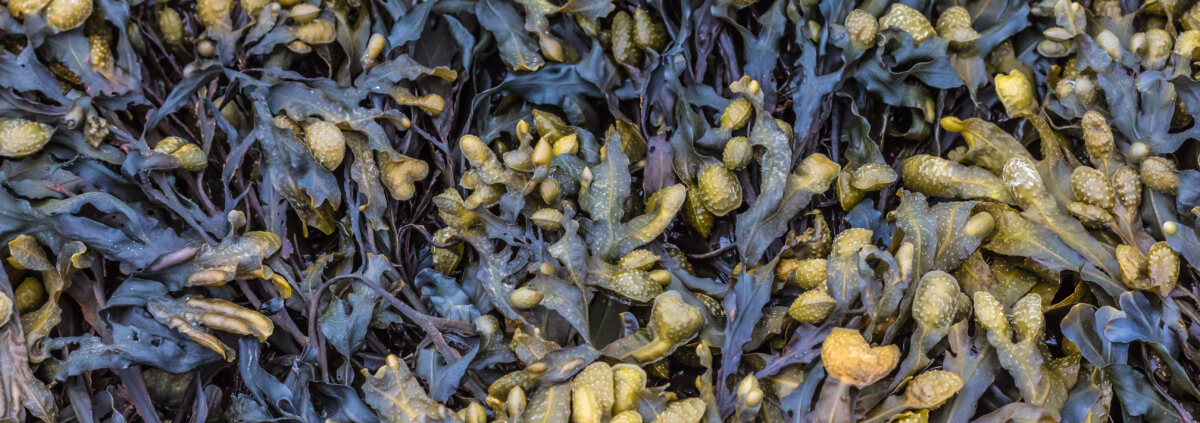
Tag Archive for: Seaweed

Unlocking the power of seaweed: SMX difference for turf health

Unlocking the power of seaweed: SMX difference for turf health: By ICL’s Henry Bechelet. A Greenkeeper’s Reality: The Battle Against Stress

You’ve been here before.
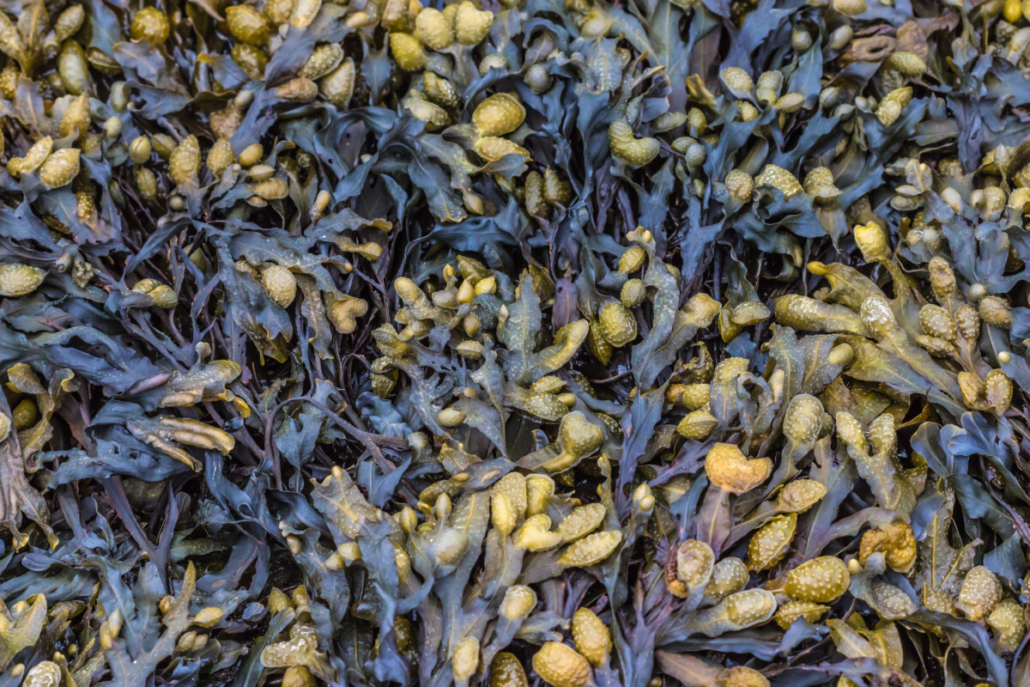
Unlocking the power of seaweed: SMX difference for turf health

Unlocking the power of seaweed: SMX difference for turf health

A long, dry spell stretches on, and the greens start showing signs of stress – wilting, thinning, roots struggling to reach deeper for moisture. Then,
just as relief comes in the form of rain, it brings a new challenge: soft, unpredictable surfaces, weakened turf, and patchy recovery.

In these moments, turf resilience isn’t just a nice-to-have – it’s essential. Stronger roots mean faster recovery, better stress tolerance, and consistently high-quality playing surfaces. And for years, greenkeepers have turned to seaweed extracts to support plant health.

But here’s the thing: not all seaweed based biostimulants are the same. The difference isn’t just in the seaweed itself – it’s in how its powerful compounds are extracted.

Why SMX is Different: Science, Innovation, and Sustainability

ICL, in partnership with Acadian Seaplants – the world leader in seaweed technology – has developed SMX, a scientifically engineered seaweed biostimulant designed to
enhance turf performance from the roots up. With cutting-edge extraction methods, a commitment to sustainability, and proven results, SMX isn’t just another seaweed extract. It’s a smarter approach to turf management.

The Science Behind SMX: Why Extraction Matters

Not all seaweed extracts deliver the same results. For decades, seaweed has been used in turf management. But how it’s processed determines whether its most beneficial compounds reach the plant in a usable form.

There’s a common belief that cold-pressed seaweed is always superior. It’s a nice idea, but the reality is more complex. Research shows that different extraction
methods yield different benefits – some unlock higher levels of bioactive compounds than others.

Alkaline Extraction: A Proven Advantage

Independent trials, including those led by Dr. Andy Owen and the ICL team, have demonstrated that alkaline extracted seaweed can significantly enhance root length and volume – key factors in improving turf resilience.

Here’s why it matters:

  • Better root initiation – SMX helps roots establish faster and deeper, providing stronger anchorage and access to moisture.
  • Enhanced stress tolerance – Turf treated with SMX recovers more effectively from drought, wear, and disease.
  • Improved nutrient uptake – Healthier roots mean better absorption of essential nutrients, supporting long-term turf quality. It’s not about saying one method is always better than another – it’s about understanding what actually works in turf management. And SMX is backed by real-world trials.

What Sets SMX Apart?

Specialist expertise from Acadian Seaplants. Acadian Seaplants is a global leader in sustainable seaweed harvesting and extraction technology.

By partnering with Acadian, ICL combines world-class seaweed innovation with its own expertise in turf agronomy, ensuring SMX delivers real, measurable benefits.
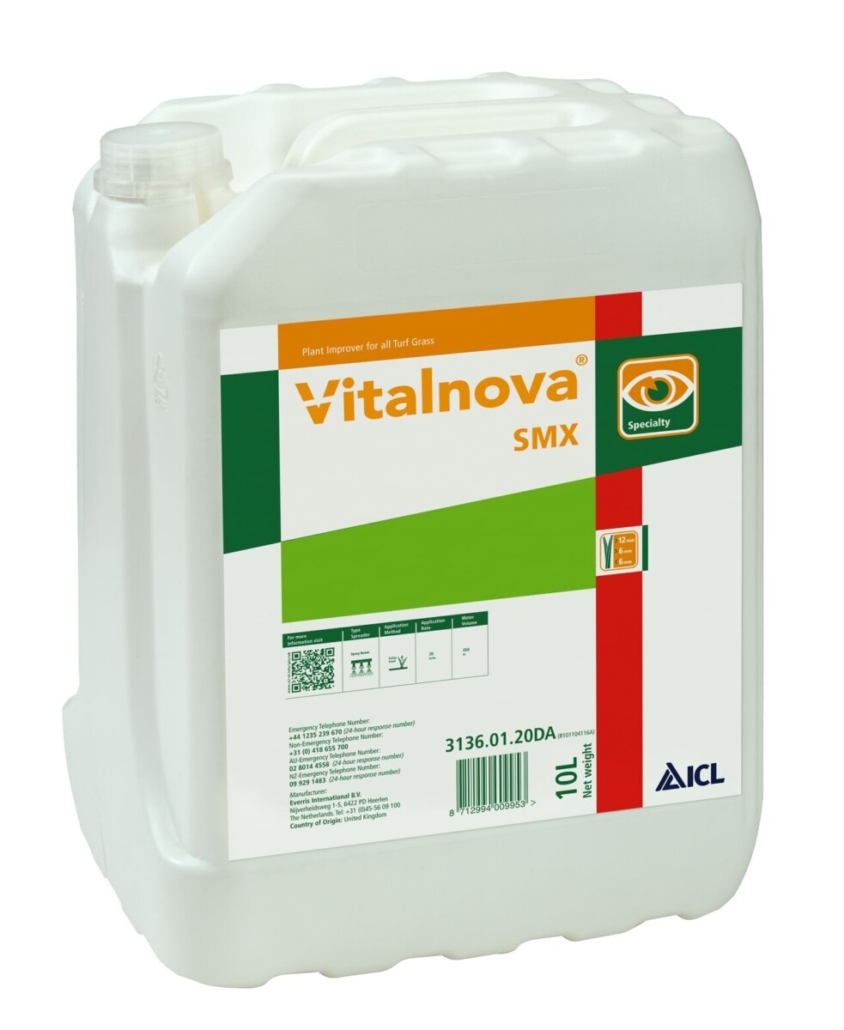
Unlocking the power of seaweed: SMX difference for turf health

Unlocking the power of seaweed: SMX difference for turf health

Extraction that works for turf, not just for labels:

  • SMX’s alkaline extraction process enhances the availability of plant growth regulators and stress response compounds.
  • Trials confirm that SMX-treated turf recovers faster from drought, wear, and disease, helping greenkeepers maintain high performance playing surfaces.

Real-World Results, Proven by Science

Independent research shows that SMX:

  • Increases root initiation
  • Strengthens turf against environmental stress
  • Improves long-term resilience on golf courses, stadiums, and sports pitches.

Sustainable Innovation: The SMX Commitment

Sustainability isn’t just a buzzword – it’s a responsibility. Acadian Seaplants ensures every harvest is carried out responsibly, using satellite imaging and drone technology to monitor seaweed bed regrowth. This protects marine ecosystems while ensuring a continuous, high-quality supply of seaweed.

For greenkeepers, choosing SMX means choosing a product that supports turf health and respects the environment.

SMX: The Next Step in Turf Management

Greenkeeping isn’t just about managing grass – it’s about understanding how to give turf the best possible foundation to thrive.

With increasing environmental challenges, greenkeepers need proven, research-backed solutions – not just marketing claims. SMX is more than just another seaweed extract.

It’s the next step in root health, stress resilience, and sustainable turf management.

Are you ready for the SMX difference? Contact us to learn how ICL and Acadian Seaplants are setting new standards in turf management.

New name for ICL’s concentrated seaweed extract

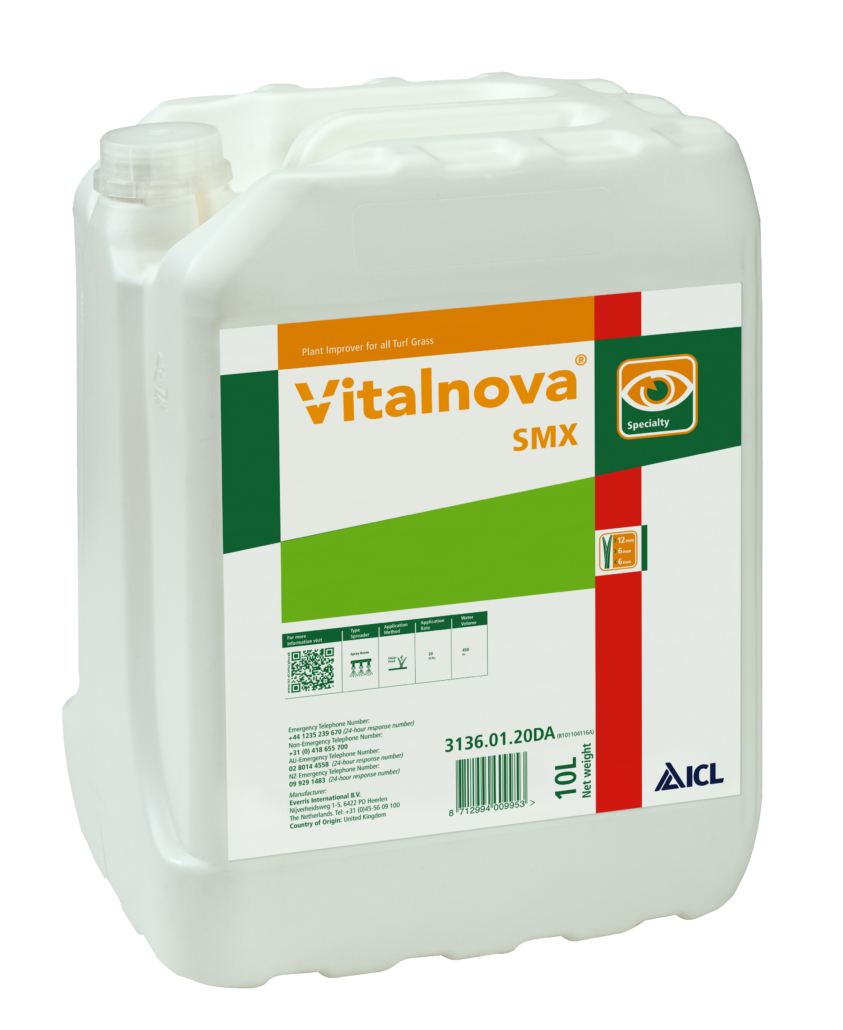
New name for ICL’s concentrated seaweed extract: ICL is rebranding its alkaline-extracted seaweed ‘SeaMax’ as ‘SMX’.

SMX is a highly concentrated Atlantic Ascophyllum nodosum seaweed, harvested from sustainable and renewable sources by Acadian Seaplants.

New name for ICL’s concentrated seaweed extract

New name for ICL’s concentrated seaweed extract

For any turf professional it is important to weigh up the evidence from product trials. Multiple trials carried out using SMX clearly demonstrate how seaweed extract improves the condition and rooting of the turf. This is because the SMX extraction process retains important and influential biochemical compounds.

As an example, research recently published in the European Turfgrass Society Proceedings showed how different Ascophyllum nodosum extraction methods produced contrasting effects on turfgrass rooting. The alkaline-extraction method (as used in the production of SMX) produced significantly greater root length and root volume than other commonly used extractions.

Independent trials also showed that SMX helped the turfgrass produce longer roots, a greater root mass and it improved the quality of growth (shoot weight), compared to competitor products or controlled conditions (using no seaweed extract). Trials that placed the turf under drought conditions, showed that the turf quality and colour improved noticeably when treated with SMX.  In addition, when SMX has been included in annual nutritional programmes, the turf quality remained significantly higher throughout the autumn and in the lead up to winter.

Although the name might have changed, the formulation is the same. SMX is available as a standalone product in water soluble form (Sportsmaster WSF SMX) and in liquid form (Vitalnova SMX). It is also included as an effective dose in SierraformGT Spring & Summer CalMag 14-0-7 as well as the new organo-mineral fertiliser Gronamic Golf 6-2-4.

Please contact ICL on 01473 237100 or visit www.icl-sf.co.uk or www.icl-sf.ie if you are in Ireland.

For more news and insightful views, you can follow ICL on Twitter @ICL_Turf

For the latest industry news visit turfmatters.co.uk/news

Get all of the big headlines, pictures, opinions and videos on stories that matter to you.

Follow us on Twitter and Instagram for fun, fresh and engaging content.

You can also find us on Facebook for more of your must-see news, features, videos and pictures from Turf Matters.

ICL’s Four-Year Seaweed Project

ICL’s Four-Year Seaweed Project: ICL has teamed up with Royal Holloway, University of London to embark on a unique four-year research project which will look in depth at the effects of seaweed products on turfgrass plant parasitic nematodes.  The project is funded by the Biotechnology and Biological Sciences Research Council (BBSRC) and ICL.

“It came about following a discussion with Andy Owen (ICL International Technical Manager) at a greenkeeper meeting a couple of years ago,” says Alan Gange, Professor of Microbial Ecology at Royal Holloway. “We started talking about the need for turfgrass research, particularly focused on nematodes because we had noticed that in the last ten years greenkeepers and groundsmen have become much more aware of these and they appeared to be becoming a real problem.”

ICL's Four-Year Seaweed Project

Alan believes that the rise of nematodes could potentially be attributed to the loss of certain chemicals and the effects of climate change. As it stands, there are few options available for the turf manager who has a nematode problem but Alan feels that seaweed could well offer a sustainable solution.

“There are scattered reports that some seaweed products or extracts, contain various chemicals which can protect plants against pests and diseases. We think that when the right seaweed is applied to a grass plant it could change the resistance of the plant to disease and insect attack. Nematode infection could then be reduced when the seaweed product is applied. So that is the essence of what we are trying to do here in sports turf.” Someone asked me a while ago if we are creating antibiotics for plants and in a way that is indeed what we are trying to do – we are trying to harness the plant’s natural resistance mechanism and improve it.

ICL’s SeaMax product, which is used as a bio-stimulant and fertilizer, has been a huge success in the sports turf industry. It contains a premium high concentration of Atlantic Ascophyllum nodosum seaweed extract, sustainably harvested from renewable resources by Acadian Seaplants. We have already shown many turf benefits through using Seamax says Andy Owen, and we wanted to explore its capabilities further, with a more detailed research project with Royal Holloway.

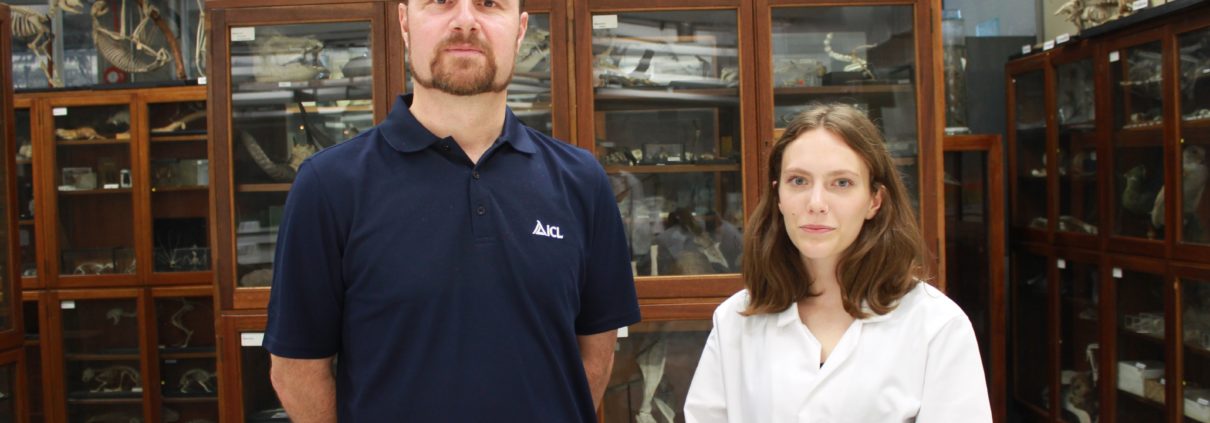
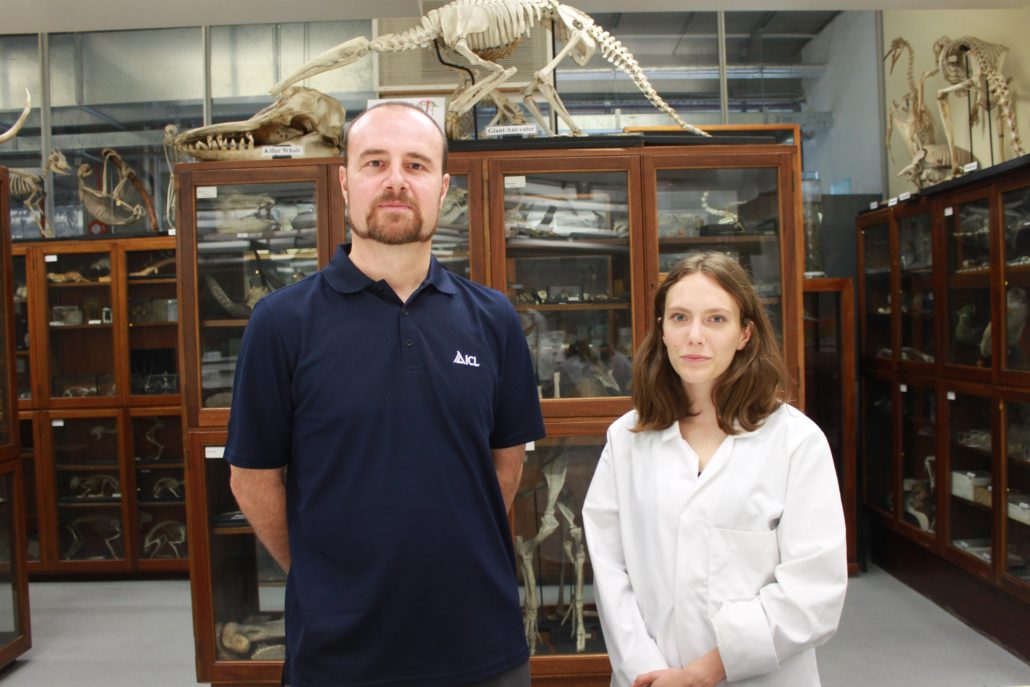
Integral to the research project is student Tamsin Williams, who was successfully appointed following a rigorous interview process. Tamsin, who throughout the four-year project will be working with ICL to better understand how the commercial side of the sports turf industry works, believes that this studentship was a perfect fit for her ambitions to develop a career in research.

“In my previous role I was working on pathogen and insect bio-control using fungal bio-pesticides. I had also worked with plant parasitic nematodes before, so when I heard this was a bio-control project for nematodes I felt that it was perfect and it made so much sense to apply. Nematology is one of my main interests, but it’s also the fact that seaweed products are sustainable – we could be finding an environmentally friendly solution for a serious turf problem, which potentially could transfer to other crops as well. This makes it a really valuable research topic.

ICL's Four-Year Seaweed Project

Tamsin has already begun her experiments looking at how plants and the soil microbiota respond to SeaMax seaweed application, before she will add plant parasitic nematodes into the study. However, these are just the first steps in an ever-evolving project according to Andy Owen.

“We will start with a proof of concept to gather further evidence that it does indeed work. In subsequent years there will be a focus on investigating the modes of action that are occurring, and then optimising applications in terms of rates, timings and frequency, so that we can provide the right advise to the end-user.

“Hopefully this project will generate the research to show turfgrass managers that certain approaches can help support and develop a plant’s resistance to pests and diseases and that you might require fewer synthetic chemical applications,” adds Alan. “Ultimately providing a sustainable and integrated management approach to keep surfaces healthy.

“As an ecologist it concerns me that many biological products, which contain microbes, are being sold in the turf marketplace with little or no supporting research behind them whatsoever. It is never published in reviewed journals and therefore with most of the products, one has suspicions about them because you just don’t know what independent research has been conducted. However, ICL genuinely want to find out more about their own products and they are committed to research.”

In re-iterating Alan’s sentiments, Andy confirmed that ICL will look to publish this work where possible and intend to present the data openly at a number of events. The industry will be able to gain a greater insight into the project in January 2019 when Alan’s research group will speak at BTME’s Continue to Learn education programme.

“What we want to do is support our products with robust research, and ensure that any claims we are making can be fully substantiated,” he says If anyone would like to find out more then come along to BTME in Harrogate next year.

“From our point of view, we are really excited to be working with Royal Holloway on this project. We are always looking to do independent research on our products and you don’t see very much of this happening in the turf industry. I can’t wait to see how it develops.”

Please contact ICL on +44 (0)1473 237100 or visit www.icl-sf.co.uk or www.icl-sf.ie.

For the latest industry news visit turfmatters.co.uk/news

Get all of the big headlines, pictures, opinions and videos on stories that matter to you.

Follow us on Twitter for fun, fresh and engaging content.

You can also find us on Facebook for more of your must-see news, features, videos and pictures from Turf Matters.