Tag Archive for: Soil

Soil Scout’s New Grandmasters Program Honours Experts

Soil Scout’s New Grandmasters Program Honours Experts: Soil Scout, a global leader in underground soil data and turf intelligence, has launched the Grandmasters Program, the first international recognition dedicated to the professionals whose mastery of the rootzone has quietly shaped the modern game.

For more than a century, the turf industry has focused on visible performance — firm fairways, smooth greens, fast surfaces. Yet the real expertise has always lived underground, in the decisions about oxygen, moisture and rootzone behaviour that determine how turf performs long before a player steps onto it. Until now, that expertise has rarely been acknowledged.

Soil Scout’s New Grandmasters Program Honours Experts

Soil Scout’s New Grandmasters Program Honours Experts

The Grandmasters Program changes this by celebrating the individuals whose work, philosophy, consistency and mentorship have elevated playing conditions across continents. This is not a product announcement; it is a long overdue recognition of the people who have advanced the profession — often without the visibility their impact deserves.

While Soil Scout provides the real-time rootzone data that supports modern decision-making, including the world’s only wireless oxygen measurement, the Grandmasters Program places the focus firmly on the professionals who turn knowledge and experience into world-class surfaces.

THE GRANDMASTERS — FOUNDING CLASS

Janne Lehto (Finland)

Master Greenkeeper, CGCS
— Course Manager, Hirsala Golf

One of only 38 people worldwide to hold both the Master Greenkeeper and Certified Golf Course Superintendent credentials. Janne is known for pioneering sustainable, long-horizon course management in the demanding Nordic climate, where oxygen availability, winter survival and resource efficiency define performance. His approach has helped shape modern thinking around rootzone management and long-term resilience in cold-climate turf. His guidance and mentorship have influenced an entire new generation of Nordic turf professionals.

Rodney McKeown (Singapore)

Senior Golf Course Superintendent

Rodney is internationally recognised for his ability to deliver world-class playing conditions in some of the most challenging tropical environments in
global golf. His agronomic philosophy has been shaped by years of preparing tournament-level surfaces in extreme heat, humidity and rapid climate shifts — including at one of Asia’s most awarded and internationally televised golf venues, named the continent’s Best Golf Course in 2024. This experience has helped raise performance expectations across Southeast Asia and redefine what elite tropical turf management requires. His leadership and mentorship continue to influence teams throughout the region.

Andrew Northeim (United States)

Senior Head Groundskeeper — Columbus Crew (OHPC)

Andrew Northeim is a leading figure in the evolution of American sports turf. As Senior Head Groundskeeper for the Columbus Crew at the Ohio Health Performance Center, he has helped elevate MLS training fields’ surface standards during a period of rapid growth for the sport. Andrew combines advanced agronomy with data-driven field management and new technology, while his collaborative approach and mentorship have supported emerging groundskeepers across North America.

Brent Downs (United States)

Master Greenkeeper, CGCS — Director of Agronomy,
Otter Creek Golf Course

Brent Downs is a Master Greenkeeper and Certified Golf Course Superintendent whose influence extends far beyond individual facilities. With over two decades of leadership in agronomy, superintendent development and data-informed field management, Brent has helped shape modern turf practices across the United States. His mentorship, training work and analytical approach have made him one of the most trusted and recognisable voices in American turf management.

A Global Platform for Expertise, Mentorship and the Future of Turf

The Grandmasters Program offers rare insight into the philosophies, field-tested practices and mentorship approaches of four widely respected professionals. Each Grandmaster brings not only technical expertise but a demonstrated commitment to guiding, teaching and elevating others within the industry.

Through shared discussions, interviews, mentoring sessions and ongoing collaboration, the initiative creates a platform where the industry’s most experienced voices can help shape future standards and actively support the next generation of turf managers. Mentorship is not an element — it is the program’s foundation.

As climate pressures intensify and expectations for sustainability grow, Soil Scout’s combination of underground intelligence and professional expertise — strengthened through peer-to-peer mentoring and cross-continental knowledge transfer — provides a powerful base for more informed, resilient and future-ready turf management worldwide

About Soil Scout

Soil Scout is a global leader in underground soil data and turf intelligence, providing long-term, real-time visibility into rootzone conditions. Trusted by golf courses, stadiums and sports organisations worldwide, Soil Scout enables more informed agronomic decisions, greater efficiency and sustainable performance. The platform includes the world’s only wireless real-time sensor capable of measuring soil oxygen — a key factor in turf health.

Jalmari Talola, CEO, Soil Scout

jalmari.talola@soilscout.com

www.soilscout.com

For the latest industry news visit turfmatters.co.uk/news

Get all of the big headlines, pictures, opinions and videos on stories that matter to you.

Follow us on Twitter and Instagram for fun, fresh and engaging content.

You can also find us on Facebook for more of your must-see news, features, videos and pictures from Turf Matters

Do soil analysis results determine your fertiliser plan?

Do soil analysis results determine your fertiliser plan?: Dr Andy Owen, ICL International Technical Manager, on the science of soil testing versus the reality of turf nutrition.

For many turf professionals, soil analysis is the starting point for creating a fertiliser programme.

Do soil analysis results determine your fertiliser plan?

Do soil analysis results determine your fertiliser plan?

The process is familiar: take a soil sample, send it for analysis, and use the results to shape nutrient applications. It’s a logical approach, after all, soil tests provide valuable data on pH, nutrient levels, and soil composition.

But is that enough?

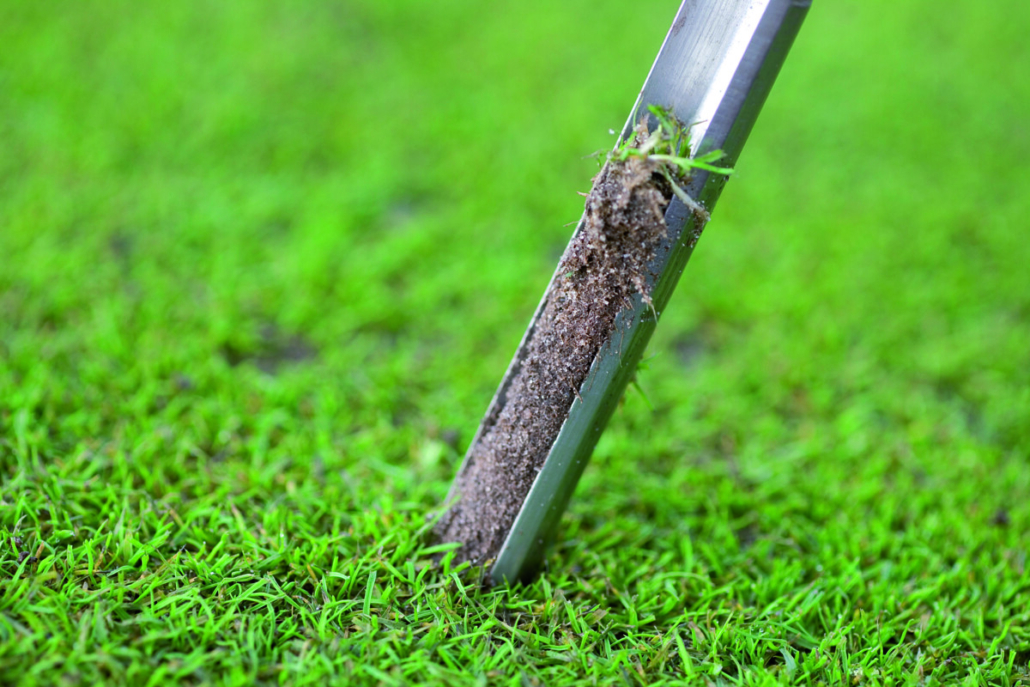
While soil analysis is an important tool, it doesn’t tell the full story of turf nutrition. Grass species, climate, and maintenance practices all influence nutrient availability, and a soil test alone won’t account for these real world factors. Understanding when and how to use soil analysis effectively is key to making smarter fertiliser decisions.

What Soil Analysis Tells You – And What It Doesn’t

A soil test provides a snapshot of the chemical composition beneath the turf, typically measuring:

  • pH levels – Extremes can impact nutrient availability.
  • Cation exchange capacity (CEC) – Indicates the soil’s ability to retain nutrients.
  • Salinity – Helps detect potential stressors.
  • Macronutrients (N, P, K) and Micronutrients – Highlights potential deficiencies or excesses.
  • Organic matter content – Affects microbial activity and soil health.

These insights help identify imbalances, but they don’t necessarily show what’s available to the plant.

Turf nutrition is more than just soil chemistry, it depends on how nutrients interact with the root system, climate, and ongoing maintenance practices.

For example:

  • A soil test might show acceptable phosphorus levels, yet if the turf exhibits deficiency symptoms, poor root uptake (not a lack of phosphorus) could be the real issue.
  • Nitrogen recommendations should be based on plant demand, not soil tests, since nitrogen is highly mobile and influenced by temperature and growth cycles.
  • Soil pH is a critical factor, correcting pH imbalances can improve nutrient availability more effectively than applying additional fertiliser, but this is not simple for all soils

So, while soil analysis provides a useful benchmark, fertiliser decisions should go beyond the numbers.

What Does the Research Say?

Agronomists and researchers agree that soil testing is most valuable when used as part of a long-term strategy rather than as a standalone guide. Studies and field experience highlight key considerations:

  • Soil analysis is most useful for tracking trends over time – One-off tests can be misleading, so repeated testing is essential for accuracy.
  • Visual assessments matter just as much as data – Turf colour, growth rate, and stress indicators provide real-time feedback on nutrient status.
  • Fertilisation should be responsive, not prescriptive – Climate conditions, aeration, and root development all affect nutrient uptake, making a flexible approach more effective.

By combining scientific analysis with practical field observations, greenkeepers can make fertiliser decisions that reflect real-world turf performance, not just lab results.

Why Do People Rely So Heavily on Soil Analysis?

The idea that soil testing directly dictates fertiliser programmes has been reinforced by a few common factors:

  • Industry Tradition – Many turf professionals are taught that soil testing is the first and most important step in fertiliser planning.
  • Simplicity – A lab report provides clear numbers, making it seem like a definitive guide to nutrient applications.
  • Supplier Influence – Some fertiliser recommendations are based on soil test results interpreted by suppliers, sometimes leading to unnecessary or imbalanced applications.

While soil testing should inform fertiliser decisions, it shouldn’t dictate them in isolation. A more dynamic, responsive approach leads to better long-term turf health.

How to Build a Smarter Fertiliser Plan

Instead of basing fertiliser applications purely on lab results, a more effective strategy considers both science and on-the-ground observations:

  • Observe turf performance – Regularly assess turf colour, growth, and stress response to identify nutrient needs.
  • Factor in environmental conditions – Climate, rainfall, and soil drainage affect nutrient availability as much as soil chemistry.
  • Use soil analysis for long-term monitoring – Track trends over time rather than making reactive decisions based on a single test.
  • Match fertiliser inputs to grass species – Different turf types have unique nutritional demands that go beyond what’s in the soil.
  • Balance fertilisation with maintenance – Aeration, irrigation, and organic matter management all influence how well nutrients are absorbed.

This approach ensures that fertiliser inputs are aligned with real turf needs, rather than simply following numbers from a report.

Balancing Science with Practical Turf Management

Soil analysis is a valuable tool, but it’s not the whole story. Fertiliser planning requires a mix of scientific data, turf observations, and agronomic expertise to make informed decisions.

Rather than treating soil test results as a prescription, they should be seen as one piece of a larger strategy, working alongside field knowledge, environmental conditions, and real world turf performance.

At ICL, we believe in evidence based fertiliser planning, using soil data as part of a bigger picture, not the sole deciding factor. By taking a balanced approach, turf professionals can achieve long-term health and resilience, not just short-term corrections.

Soil Scout launches Happi100

Soil Scout launches Happi100: Soil Scout, a global leader in underground wireless soil monitoring, has announced the launch of its newest product, the Happi100 oxygen sensor. Commercially available for the first time anywhere, this wireless, real-time monitoring solution allows turf professionals to see the true impact of soil oxygen levels on plant root health.

Bernhard and Company is the industry-leader in fine turf management solutions, with expertise across multiple disciplines including engineering, agronomy and product design. Bernhard and Company is already synonymous with the Soil Scout brand, having installed the solution worldwide on numerous occasions, leading subsurface and moisture management solution, SubAir Systems. Bernhard and Company remains the official, exclusive distributor of Soil Scout products throughout the United Kingdom, which will prove influential in the launch of the Happi100 sensor.

Soil Scout launches Happi100

Soil Scout launches Happi100

“Healthy plant roots are not achievable without the presence of sufficient oxygen,” said Jalmari Talola, CEO of Soil Scout. “They can tolerate drought, they can cope in nutrient-poor soils, but oxygen uptake by roots is vital for plant respiration. Until now, we had no way to see if this process was under attack. Happi100 ends this today.”

Pairing soil moisture balance with oxygen readings enables precise irrigation adjustments, helping to maintain root health in environments where aeration is limited.

“When soil oxygen levels dip below 10% for just four hours, plant root hair death occurs,” said Soil Scout Head of Agronomy Johannes Tiusanen. “Happi100 gives early warning of this happening, making it easier to prepare for, monitor, and mitigate impact from events like adverse weather and over irrigation.”

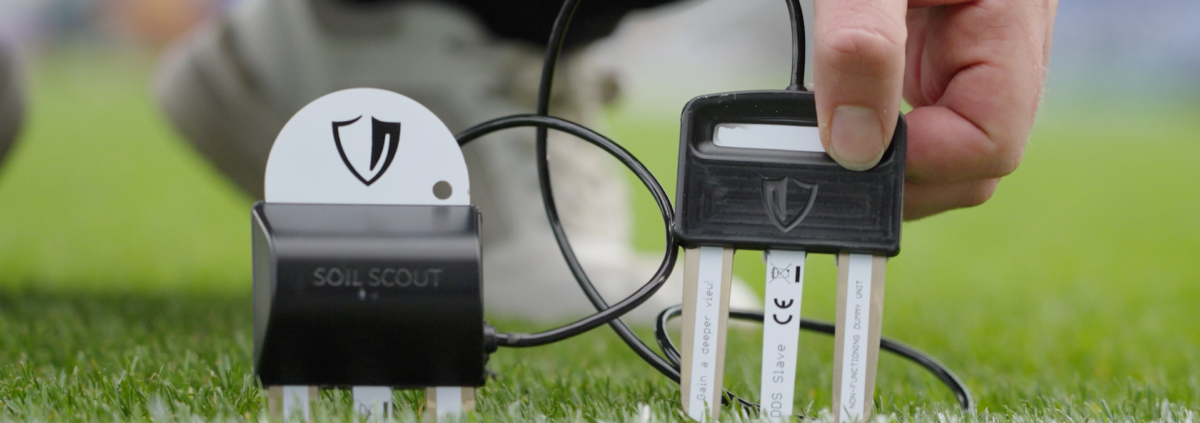
Happi100 reads soil oxygen, moisture, and temperature from the same measurement point and seamlessly integrates with Soil Scout’s existing platform for a complete suite of underground trend data. This comprehensive approach allows professionals in sports turf management to make more prescriptive interventions.

“Initial readings have shown that parts of my green quickly rebound to optimal oxygen levels within hours of heavy rain, whereas other parts can take up to a week to recover,” said Winston Golf Head Greenkeeper Erwan LeCocq.

“I can now be more prescriptive in my aeration approach, significantly cutting down on the work needed to keep all my surfaces optimal.”

As part of Soil Scout’s larger vision to make previously unforeseen data available to everyone who works with soil, the company plans to continue developing innovative solutions that help professionals better understand and manage the soil beneath their feet.

To find out more, visit www.soilscout.com

For the latest industry news visit turfmatters.co.uk/news

Get all of the big headlines, pictures, opinions and videos on stories that matter to you.

Follow us on Twitter and Instagram for fun, fresh and engaging content.

You can also find us on Facebook for more of your must-see news, features, videos and pictures from Turf Matters.

Bernhard and Company announces free Soil Scout sensor trial

Bernhard and Company announces free Soil Scout sensor trial: Bernhard and Company, exclusive distribution partner for Soil Scout in England, Scotland, and Wales, has unveiled an opportunity for two UK football clubs to take part in a free trial of a state-of-the-art Soil Scout sensor system.

In early summer, Bernhard and Company will also roll out this opportunity for golf facilities around the distribution region.

Bernhard and Company announces free Soil Scout sensor trial

Bernhard and Company announces free Soil Scout sensor trial

To take part, grounds managers have to submit a case study as to how their stadium or training facility would benefit from the addition of Soil Scout sensors within their maintenance routine. The most interesting applicants will be selected to trial a Soil Scout system and learn how they can increase efficiency by using a data-driven maintenance approach.

Managing Director for Bernhard and Company, Steven Nixon, said: “We want to hear from grounds managers and football training facility maintenance professionals in England, Scotland, and Wales, to find out why they believe they’d benefit from data-led decision processes using Soil Scout.

“The end of the football season marks the perfect time to begin turf renovations ahead of the following campaign. So, there’s no better moment to look for new ways to become more efficient in maintaining your turf. This is a great opportunity to be one of the first to trial this cutting-edge technology.”

Soil Scout provides the most advanced, underground wireless soil sensor and monitoring solution for agriculture, golf, and sports turf maintenance professionals. Golf courses and sports stadiums worldwide, including iconic venues such as Wembley Stadium and Philadelphia Phillies, use Soil Scout to ensure the prevention of unnecessary watering while retaining nutrients in the turf and reducing maintenance costs.

To be in with a chance to trial a Soil Scout sensor system for free, football club representatives are required to submit a case detailing the reasons why their club would benefit from the enhanced data collection that comes with the Soil Scout sensor system. The deadline for submissions is 31st May 2024, and to submit an entry, visit: https://form.jotform.com/241203450845348

There will be two further sensor kits allocated to golf course managers as the summer season gets into full swing, enabling sporting venues to enhance their data collection and irrigation processes.

To find out more about Soil Scout sensors and how they can be applied across the turf management industry, visit: https://bernhard.co.uk/soilscout/

Bernhard and Company can be contacted on 01788 811 600 and info@bernhard.co.uk, or visit https://bernhard.co.uk for more.

For the latest industry news visit turfmatters.co.uk/news

Get all of the big headlines, pictures, opinions and videos on stories that matter to you.

Follow us on Twitter and Instagram for fun, fresh and engaging content.

You can also find us on Facebook for more of your must-see news, features, videos and pictures from Turf Matters.

Green-tech provides lightweight soil and laser-cut grilles

Green-tech provides lightweight soil and laser-cut grilles: The area around the North and East of Manchester city centre has been undergoing a renaissance over recent years, with exciting development and refurbishment taking place. One such scheme is the stunning new bio-diverse, cubist-style Leonardo Hotel.

Situated on the corner of Adair Street and Great Ancoats Street, the new 14-storey Leonardo Hotel replaced a weary looking 2-storey office building and adds a welcome link between the busy Piccadilly Station and the East Village Regeneration Zone.

Green-tech provides lightweight soil and laser-cut grilles

Green-tech provides lightweight soil and laser-cut grilles

Even before construction began, the scheme won a Society of Architects design award, one of the contributing factors undoubtedly being the 17 stunning Jenga-style tiered planting boxes: the architects, Stephenson Hamilton Risley Studio taking their inspiration from Milan’s Bosco Verticale (vertical forest).

The planters jut out from the main building at various heights, creating a juxtaposition of cantilevers not unlike a half-finished game of Jenga. Indeed, the planters were referred to as ‘Jenga blocks’ in the planning documents. Each planter is filled with shrubs, trees, and ferns, individually selected to thrive in the micro-climate created by each planting block.

The idea was to make an impact and add some much-needed green infrastructure and bio-diversity to Piccadilly’s East neighbourhood. The building certainly makes a statement and will house 275 luxury hotel rooms along with a ground floor bar, restaurant, gym and wellness suite, and outside seating area.

Green-tech involvement:

Green-tech was invited to landscape architects’ Re-form’s offices in Beehive Mills back in 2019, to discuss options for the high-level planters. As a result, the planters were specified with Green-tech’s Green-tree lightweight intensive roof soil, as well as a layer of expanded clay granules to bring up the level in the base, rather than using a heavier sub-soil or some other man-made void former. The intensive lightweight roof soil is around 30% lighter than standard topsoil, and due to the deeper planting of the trees, needs to contain more organic content and hold on to a little more water than the extensive substrate often found on sedum and wildflower green roofs.

A total of 48 cubic metres of lightweight roof soil was used for the 17 Jenga blocks, along with over 4,000 litres of lightweight expanded clay aggregate. This was supplemented on the ground planting with over 400 tonnes of topsoil and subsoil, 2,000 litres of compost and 48 tonnes of pea gravel and decorative silver-grey gravel. The ground level landscaping incorporated a mix of trees in hard and soft, irrigated by a mix of Mona underground capillary tanks and Mona Relief perforated pipes, and supported by Green-tech strap anchors.

The trees in hard were finished off with permeable resin-bound grilles, and for the trees along the front, custom-made grilles, featuring laser-cut Piccadilly East branding and drainage slots. These grilles are made from heavy-duty steel and finished by being hot-dip galvanised, then acid-etched and powder coated in a classic bronze finish, including the normally silver Piazza irrigation inlet. All the steel used in the production of these decorative grilles is recycled by our foundry in West Yorkshire.

To finish off the landscaping, over 200 square metres of Premium Weed Control matting and Ecomatt was supplied along with 2,000 litres of ornamental wood bark for ground cover.

Alasdair Innes – Green-tech Specification Advisor comments, “it’s fantastic to see striking building design incorporating green-infrastructure, in a way that makes it really stand out in the local area. It was a pleasure to be asked to get involved supplying the lightweight soil and other ancillary landscaping materials.”

For any further product information or to request a CPD in person or remotely on any of Green-tech’s urban or rural modules please contact sales@green-tech.co.uk or call 01423 332100

For the latest industry news visit turfmatters.co.uk/news

Get all of the big headlines, pictures, opinions and videos on stories that matter to you.

Follow us on Twitter and Instagram for fun, fresh and engaging content.

You can also find us on Facebook for more of your must-see news, features, videos and pictures from Turf Matters.