Tag Archive for: Synthetic

Netherlands’ First Recycled Synthetic Turf Pitch Installed

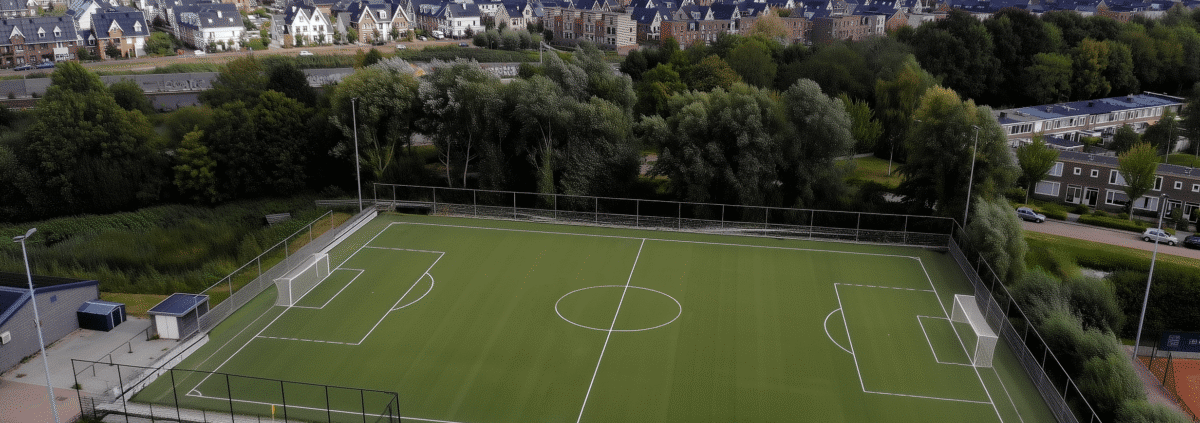
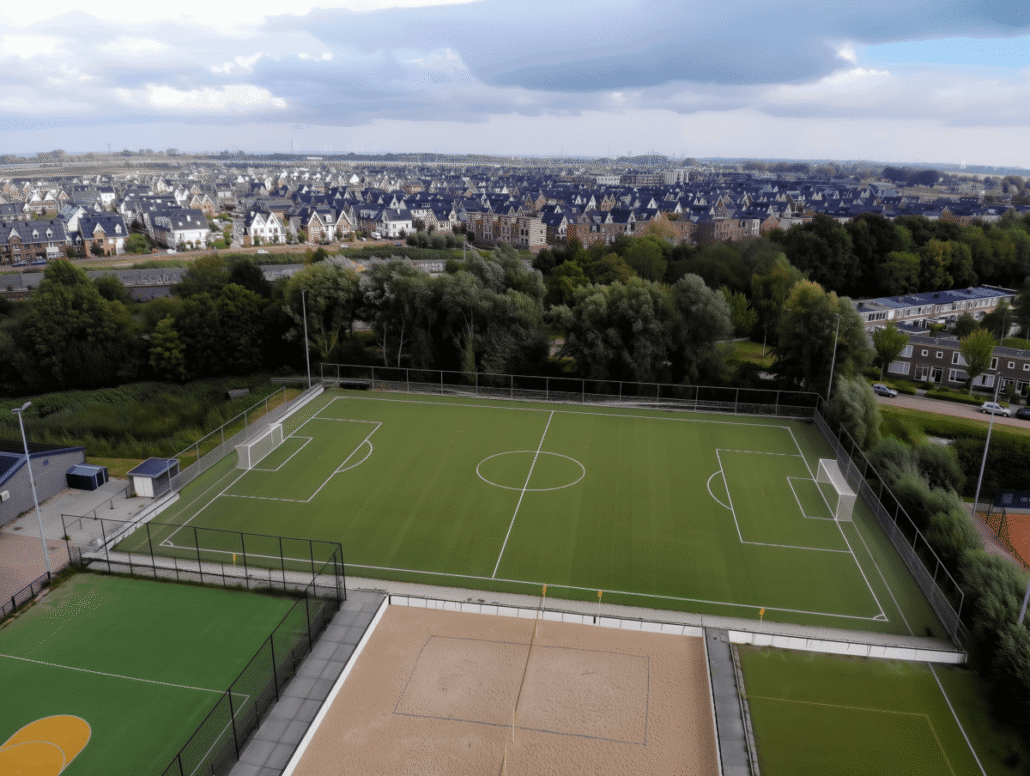
Netherlands’ First Recycled Synthetic Turf Pitch Installed: A landmark synthetic turf project in The Netherlands has equipped amateur football club FC Weesp with a high-quality playing surface manufactured from post-consumer recycling.

The pilot project was commissioned by municipality Gemeente Amsterdam with the backing of the EU, with the aim of creating a professional-standard durable football pitch, while also contributing towards the EU sustainable development goal of achieving 50% recyclability of plastic waste by 2030. After a competitive tender process, Edel Grass BV was appointed as the primary contractor and Van de Wetering Projects as the installer.
Netherlands’ First Recycled Synthetic Turf Pitch Installed

Netherlands’ First Recycled Synthetic Turf Pitch Installed

Using cork granulate performance infill, recycled sand stabilising infill, and recycled components from old pitches in the turf yarns, backing coating, and shockpads; the field is the first of its kind installed in The Netherlands, representing a major milestone in circularity.

Data from independent life-cycle assessments shows that the system achieves a 43.4% reduction in carbon emissions per metre squared compared to a traditional 3G pitch.

Crucially, the pitch satisfies all KNVB performance standards for key factors such as ball roll, shock absorption, and durability, giving assurances for player safety and pitch quality. As a result, the pitch at Sportpark Papelaan is now eligible for competitive play in the 5e Klasse D, where FC Weesp’s first team currently plies its trade, as well as for local community use and training across the club’s 91 teams spanning a variety of age groups and abilities.

Stefan Diderich, Director General/CEO of EMEA Synthetic Turf Council (ESTC), said: “A synthetic turf pitch is the ideal solution for a club of FC Weesp’s size, offering a durable, high-quality playing surface that can meet KNVB standards without the maintenance costs associated with a natural grass pitch, demonstrating that sustainability, affordability, and performance can all work in tandem.

“This proof-of-concept project is just one of many ways that football clubs and local authorities can offer a high-quality playing surface that can sustain long-term intensive usage, while also working towards a more circular economy.”

Find out more at www.estc.info

For the latest industry news visit turfmatters.co.uk/news

Get all of the big headlines, pictures, opinions and videos on stories that matter to you.

Follow us on Twitter and Instagram for fun, fresh and engaging content.

You can also find us on Facebook for more of your must-see news, features, videos and pictures from Turf Matters
How Synthetic Turf is Supplying Fresh Water in South Africa

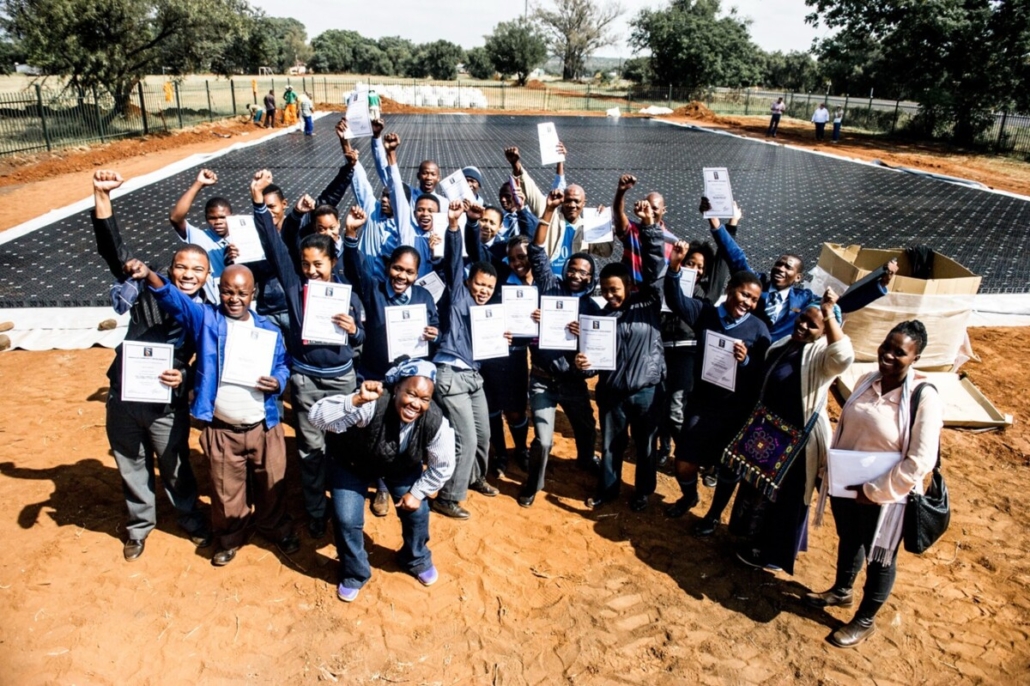
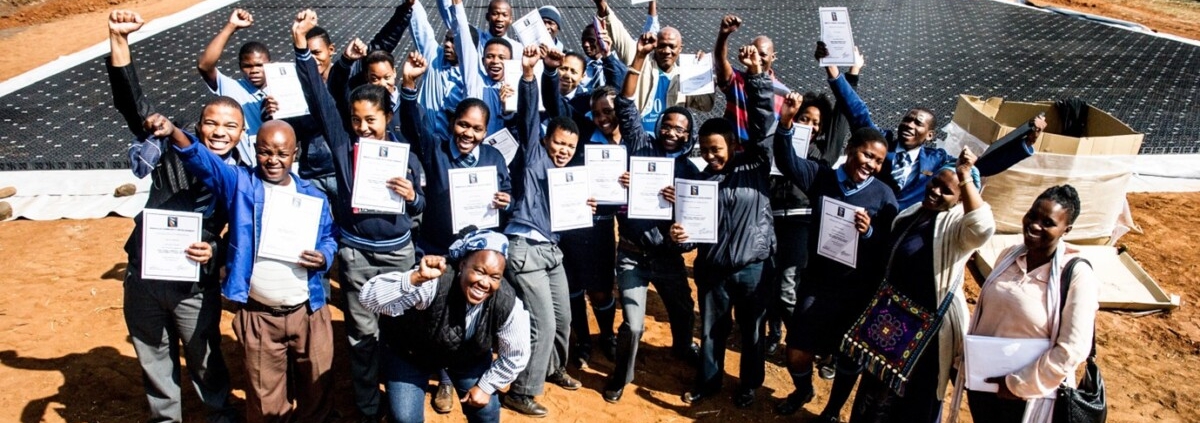
How Synthetic Turf is Supplying Fresh Water in South Africa: A landmark project in South Africa is highlighting how synthetic turf can be used to enable freshwater recycling. Two ‘Cruyff Courts’ are simultaneously providing a high-quality playing surface while integrating an advanced water collection and filtration system under the field, providing the local community with fresh potable water.

The installation of the courts is part of a wider initiative by the Cruyff Foundation, supporting various sports endeavours for children, and young people with special needs. The two new fields in Orange Farm, near Johannesburg, bring the total number of Cruyff Courts to 10 in the country.

How Synthetic Turf is Supplying Fresh Water in South Africa

How Synthetic Turf is Supplying Fresh Water in South Africa

The investment and innovation come as South Africa is currently grappling with one of the most severe droughts in recent history, affecting approximately 61 million people across Southern Africa.[1] The prolonged drought has led to significant water shortages, impacting both urban and rural communities.

The Government has launched the Water Crisis Action Plan 2025, focusing on infrastructure rehabilitation, smart metering systems, and new dam projects to mitigate the crisis. Despite these efforts, the agricultural sector faces devastating losses, contributing to widespread food insecurity. Innovative solutions, including public-private partnerships and technological advancements like the freshwater recycling beneath the Cruyff Courts, are also being implemented to address the urgent need for sustainable water management.

The project was headed up by EMEA Synthetic Turf Council (ESTC) member Dutchblue, who provided an advanced water collection and filtration system through its partners Project GreenSource SA.

The ‘Catch-Store-Reuse’ sports system captures rainwater, stores it in its subbase, and purifies it in a GreenSource container next to the field. Runoff collected by the system is filtered to remove contaminants, including bacteria and metals, before being pumped to a fountain for use as potable water. The purified water can then be used via a tap on the outside of the container.

The courts represent a significant development in the use of sports pitches to collect water. Together with the local community’s help, the project was completed in December 2024, and training is being given to maintain the pitches throughout their lifetime.

The duality of providing a high-quality sports playing field and clean water for the local community has resulted in some great benefits for the local area. These include potable water supplies for periods of prolonged drought and a recreational area for children and adults to play sports safely. The courts have also helped foster a sense of community identity, serving as a social hub as well as a sports facility.

Stefan Diderich, Director General at ESTC, said: “This project is a perfect example of how synthetic turf can operate not just as an enhanced playing surface, but also as a force for good in fighting drought and other hydrological issues around the world.

“Training the local community to maintain the pitch ensures they will have a lasting impact and can provide users with a high-quality surface as well as a source of clean drinking water for years to come.”

For the latest industry news visit turfmatters.co.uk/news

Get all of the big headlines, pictures, opinions and videos on stories that matter to you.

Follow us on Twitter and Instagram for fun, fresh and engaging content.

You can also find us on Facebook for more of your must-see news, features, videos and pictures from Turf Matters.

EcoBunker Synthetic Revetting More Sustainable than Natural Turf*

EcoBunker Synthetic Revetting More Sustainable than Natural Turf*: *A recent report by the Welsh government has found that EcoBunker synthetically revetted bunkers have a significantly lower environmental impact than naturally turfed revetted bunkers.

The report specifically cites EcoBunker’s promotion of a circular economy alongside the consumption of vast resources including water, chemicals, fertilisers, and energy associated with turf farming.

EcoBunker Synthetic Revetting More Sustainable than Natural Turf*

EcoBunker Synthetic Revetting More Sustainable than Natural Turf*

“People often ask what is ‘Eco’ about synthetic revetting,” said EcoBunker founder Richard Allen upon the release of the report by the Welsh government. “We start with the fact that an average EcoBunker saves two tons of waste astroturf from landfill. All our turf is recycled so nothing new is created. Then there’s virtually zero maintenance in comparison with natural turf revetting, so no emissions or chemicals needed for upkeep. We eliminate contamination from bunker wall erosion, reducing the need for replacement sand which brings its own environmental impact, and this is all before you consider the negative impact of turf farming.”

The report measured the use of fertilisers, pesticides, weed-killers and disease-controlling chemicals[1] in the production of farmed turf. One Hectare typically (depending on geography, soil and climate) requires 89kg Nitrogen, 12kg Phosphorous, 40kg Potassium[2] and 92kg Lime[3]. This often washes off into nearby water courses contributing to “algal blooms” and a reduction in marine bio-diversity.

The report goes on to show that intensive farming of turf removes the nutritional layer of topsoil and the soil organisms (fungi, earthworms, bacteria) leaving it largely barren. Repeated use of the land this way necessitates intensive artificial fertilising.

The various advantages of EcoBunker synthetic revetting detailed in the report align with the most recent advice from golf’s governing bodies and environmental experts. Golf Wales, England Golf and the GEO Foundation for Sustainable Golf all highlight recycling, reducing waste and reducing the use of chemicals as key targets to help bring down emissions[4].

“Turf farming does provide a vital resource to the landscaping industry, and not all natural revetted turf is intensively farmed. Where large areas of turf coverage is needed there are some superb examples of turf suppliers using sustainable practices, and quickly solving urgent landscaping challenges,” added Richard. “But with thick cut revetting turf, the evidence is clear. Not only do EcoBunkers use 100% recycled materials, the ongoing maintenance burden with the associated cost and resources, are slashed. Finally, all but the top layer of naturally turfed revetted bunkers just don’t have enough access to light and soil to maintain a root structure. So, they gradually disintegrate and, on average, have to be replaced every 5 years. The evidence for the sustainability of one EcoBunker is convincing. When you have to re-build a natural turf bunker four times in our minimum guaranteed 20 year lifespan, it really is overwhelming.”

The sustainability credentials of EcoBunker were recently highlighted when the company completed a project at Royal Ostend Golf Club. With stringent environmental regulations in place designed to protect the natural environment in coastal areas, EcoBunker was chosen as the most sustainable solution, preferred to natural revetting and surpassing all standards for use of new resources and harmful chemicals.

For more information on EcoBunker please visit www.ecobunker.co.uk

[1] Cornell University Turfgrass Program, study on cool climate turf management practices, https://turf.cals.cornell.edu/environment/
[2] Energy use and greenhouse gas emissions from turf management of two Swedish golf courses, https://doi.org/10.1016/j.ufug.2016.11.009
[3] https://www.horticulture.com.au/globalassets/hort-innovation/resource-assets/tu16000-lifecycle-assessment—goal-and-scope.pdf
[4] https://www.walesgolf.org/sustainability, https://www.englandgolf.org/sustainability, https://sustainable.golf/developments/

For the latest industry news visit turfmatters.co.uk/news

Get all of the big headlines, pictures, opinions and videos on stories that matter to you.

Follow us on Twitter and Instagram for fun, fresh and engaging content.

You can also find us on Facebook for more of your must-see news, features, videos and pictures from Turf Matters.

Redexim Verti-Top® sets the synthetic standard

Redexim Verti-Top® sets the synthetic standard: A rise in demand for synthetic surface cleaning from schools and sports clubs has triggered the purchase of a Redexim Verti-Top® for contractors Cutting Edge GM.

The adaptability of this award-winning artificial cleaning system has facilitated the diversification of the services offered by the grounds maintenance outfit – with its ability to effectively decompact and clean a range of infill materials to leave a professional, play-ready finish.

Redexim Verti-Top® sets the synthetic standard

Redexim Verti-Top® sets the synthetic standard

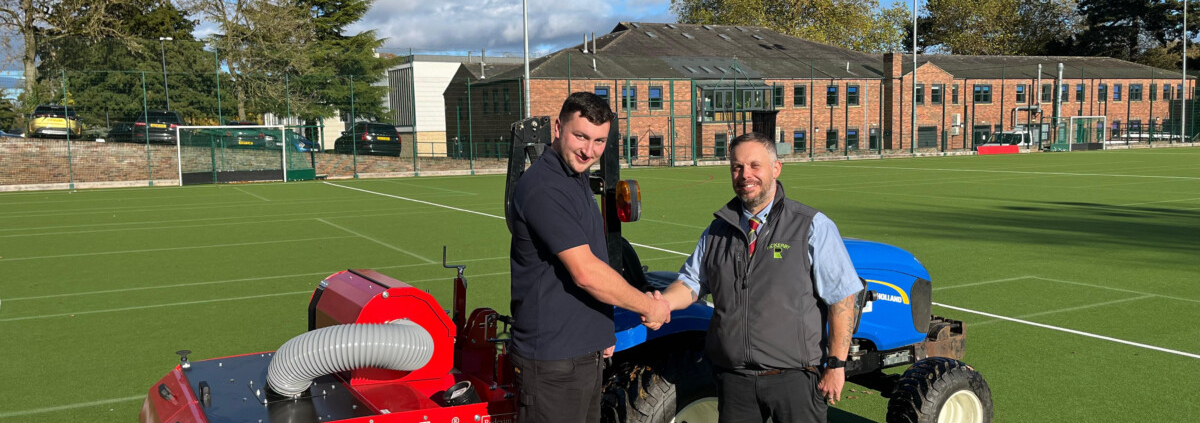
The team of eight that make up Cutting Edge pride themselves on being passionate about sports surfaces, providing a range of services to keep natural and artificial turf surfaces around Teesside, North Yorkshire & County Durham in first-rate condition. To cope with an increasing number of enquiries for synthetic pitch cleaning, Director Josh Blackburn decided the time was right to invest in a new solution and quickly decided the Redexim Verti-Top® was the right machine for them. “Not only is the Verti-Top® quicker than our previous cleaner, the build quality is fantastic and the quality of finish is brilliant. This machine sets the standard for this process without a shadow of a doubt.”

Suited to most types of synthetic turf, the Verti-Top® effectively lifts and collects debris, while the oscillating sieve and vacuum system tackle even the tiniest of particles. The cleaned infill is then returned, leaving a safe, contamination and compaction-free surface, that looks good and plays well. Josh opted for the Verti-Top® 1200, with 1.2m working width, delivered in spring 2024 by local dealer Rickerby.

“The purchase and installation process was fantastic! Tom Alexander from Rickerby together with Redexim’s Allen Whellans, conducted full training with the team and demonstrated the various ways to set the unit up to get the very best results. There’s so much flexibility with this machine, including a range of sieve options, which means we can work with all types of infill material, including the newer, organic and natural infill types.”

He continues, “As soon as the cold and frosty conditions pass, we will be out with the Verti-Top® getting surfaces cleaned up and safe for the start of the new playing season. We had outstanding feedback from customers on the process last year and look forward to being able to grow this side of our business further with such a capable and versatile machine at our disposal.”

For the latest industry news visit turfmatters.co.uk/news

Get all of the big headlines, pictures, opinions and videos on stories that matter to you.

Follow us on Twitter and Instagram for fun, fresh and engaging content.

You can also find us on Facebook for more of your must-see news, features, videos and pictures from Turf Matters.

Redexim proves the solution for safe synthetic surfaces

Redexim proves the solution for safe synthetic surfaces: A combination of the RTC plus and Verti-Top® TB from Redexim have been entrusted with protecting and preserving the lifespan of the synthetic surfaces – along with the health and safety of the students – at Emanuel School.

With the recent addition of an all-weather pitch at their Blagdon sports ground, the school opted to purchase a maintenance set-up for both this and the main site in South-West London to retain performance and keep the surfaces clear of contamination.

Redexim proves the solution for safe synthetic surfaces

Redexim proves the solution for safe synthetic surfaces

Sport plays an integral part of life for students at Emanuel School, reflected in the ongoing investment into the quality facilities available to pupils and a number of clubs and organisations in the wider community. Estates Director Chris Wright heads up a number of teams responsible for the upkeep and maintenance of the grounds and sports surfaces across the three sites. “With one artificial surface at the main school, our second at the Blagdon site came online in September 2023 which really made us look at how we were going to maintain these, along with the synthetic lawns we’ve introduced into our ornamental areas” Chris explains.

“The maintenance was previously contracted out, but from a cost and practical perspective, it became logical to invest in equipment that would give us the flexibility to conduct regular brushing and a more intensive deep clean more frequently.”

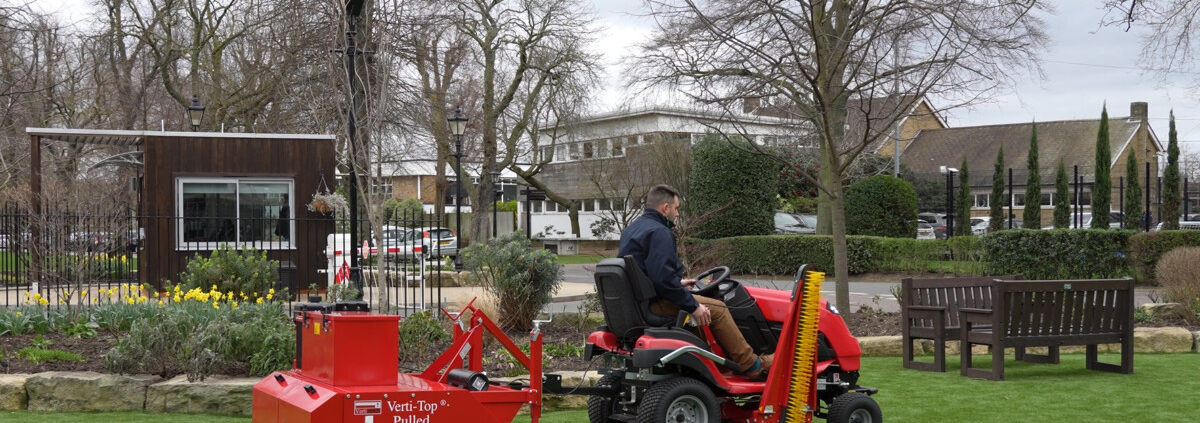
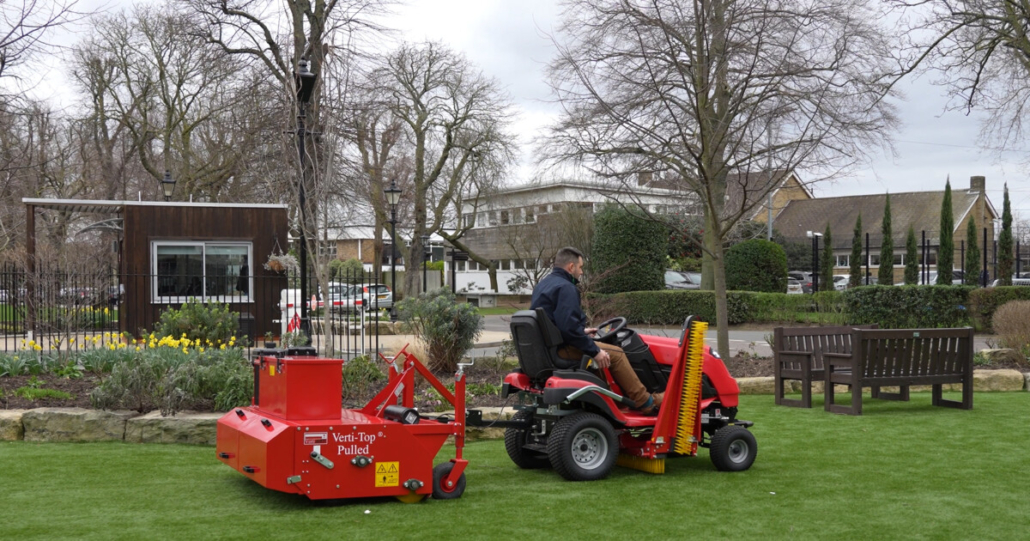
After speaking to local dealers Lister Wilder, Chris and the team opted for two RTC plus brush units and two Verti-Top® TB cleaning systems from the award-winning Redexim synthetic range. Powered by a 22hp petrol engine, the RTC plus features a 2.7m wide underslung, winged brush to make routine brushing a breeze. This is then complemented by the more intensive cleaning delivered by the Verti-Top® TB which lifts and separates contaminants from all types of infill material using a combination of vacuum and sieve.

“This partnership gives us flexibility and effective cleaning for the shorter-pile, sand-dressed surfaces as well as the ornamental carpet which has a longer pile. The RTC plus is out once a week and then we can affix the Verti-Top® TB to the RTC for a thorough clean once a month.” Chris continues, “The Verti-Top® has really impressed us with the amount of detritus it collects – everything from paper clips to jewellery which are removed in a single pass.”

The purchase also means the maintenance teams have eliminated contamination risks when switching equipment between natural and synthetic turf. “We don’t want to be putting a tractor with muddy tyres onto the artificial pitches which could then go on to cause other playability or safety problems.” He adds, “We’ve been really pleased with the performance and results to date, and as we’ve come to expect from Redexim it’s a well-built, well-designed solution which will help us to present good, clean surfaces for many years to come.”

For the latest industry news visit turfmatters.co.uk/news

Get all of the big headlines, pictures, opinions and videos on stories that matter to you.

Follow us on Twitter and Instagram for fun, fresh and engaging content.

You can also find us on Facebook for more of your must-see news, features, videos and pictures from Turf Matters.