Tag Archive for: Tips

Top Tips On Groundskeeping From Manchester Rugby Club

Top Tips On Groundskeeping From Manchester Rugby Club: The team at STIGA have always known their robot mowers were a cut above the rest, but now they’re absolutely scrumming their way to glory on rugby pitches too.

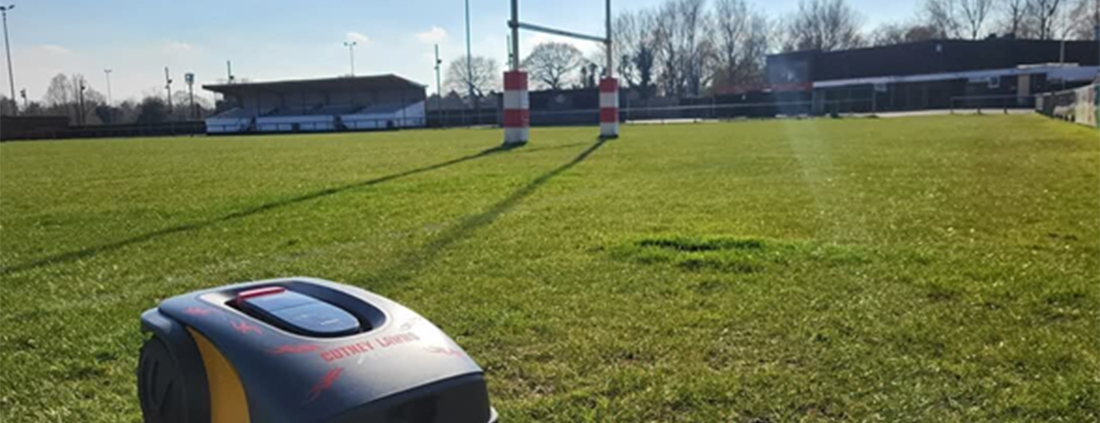
When star signings Mow Marler and Cutney Lawns joined the grounds squad at Manchester Rugby Club, it wasn’t just a transfer… it was a turf-formation!

Tim Holmes of Manchester Rugby Club shared:

“Mow Marler and Cutney Lawns joined the Manchester Rugby Club Grounds team back in October 2024, having signed from STIGA. As part of the partnership, STIGA provided full training on how to get the most from the mowers, and they made an immediate impact. Their work ethic has been incredible! They operate day and night, seven days a week, and we saw an instant improvement in the quality of the pitches.”

Top Tips On Groundskeeping From Manchester Rugby Club

Top Tips On Groundskeeping From Manchester Rugby Club

Naturally, STIGA had to get the inside scoop from the brilliant volunteers who care for the club’s four full-size rugby pitches. Here’s what they had to say…

How often do the robots mow each area?

Chutney and Mow are pretty much out every day from Mid-March to late November. They cut a pitch each in just under 3 days so each pitch is cut twice a week.

Roughly how much staff time have the robots saved each week?

Before the mowers, our team would just about have the time to cut the pitches once a week, but this meant there were also cuttings to clear after, especially in the summer. Cutting each pitch would take approx 90 mins, and clearing the cuttings another 90-120mins. So approx 7.5 hours a week, that is now retained to do other pitch maintenance work, such as slitting and verti-draining

Has this reduced overtime or weekend work?

To be honest, it’s all overtime, but none of it paid, as we have a wonderful team of very hardworking volunteers managing the grounds, but it has greatly reduced the pressure on the team each week

Have you noticed improvements in turf density or overall health?

Yes, very much so. The constant cutting keeps the grass shorter and stronger

How does the cut quality compare to traditional mowers?

The constant cutting means the grass doesn’t get long at all, and it’s kept at the perfect level

Does frequent, light cutting improve presentation?

Very much so. It keeps everything trim and neat. The biggest difference is when the ground is wet or soft, and we couldn’t use the tractor to cut the pitches. The mowers being so light allows for constant cutting without any damage to the surface

Have players noticed a difference in surface quality?

Yes, when the grass used to get longer, it was commented on and more difficult to play and train on.

Has match-day presentation improved?

The constant cutting often means we don’t have to roll or cut before a match day, meaning the pitch is always in peak condition

In true rugby fashion, Mow Marler and Cutney Lawns even marked their arrival at the club with matching tattoos. Rumour has it the STIGA team think they’ve earned a few more for their tireless service, maybe a championship badge next?

You can read more about STIGA’s autonomous robot mowers and other STIGA products here: www.stiga.com/uk/

To read more about the STIGA partnership with England’s Rugby Football Union (RFU) here: www.stiga.com/uk/stiga-x-rfu

For the latest industry news visit turfmatters.co.uk/news

Get all of the big headlines, pictures, opinions and videos on stories that matter to you.

Follow us on Twitter and Instagram for fun, fresh and engaging content.

You can also find us on Facebook for more of your must-see news, features, videos and pictures from Turf Matters

The Grass People’s Expert Tips for a Greener Winter Lawn

The Grass People’s Expert Tips for a Greener Winter Lawn: As temperatures drop and frost sets in, many UK homeowners assume their lawns must go dormant until spring. But according to Chris McIlroy, Lawn Expert at The Grass People, “winter is not the end it’s the preparation stage”.

Their winter lawn-care products gives gardeners the right tools to keep lawns nourished, moss-free, and healthy all season long ensuring a strong, vibrant return in spring.

The Grass People’s Expert Tips for a Greener Winter Lawn

The Grass People’s Expert Tips for a Greener Winter Lawn

Step 1: Spread precisely don’t waste your effort

Even the best fertiliser underperforms if it’s applied unevenly. The Grass People’s range of professional-grade lawn spreaders ensures consistent, controlled application across lawns of any size. From lightweight handheld spreaders for smaller gardens to broadcast options for larger areas, even coverage means better results and no patchy regrowth.

“A spreader may seem simple, but it’s the secret to consistency,” says Chris McIlroy, Lawn Expert at The Grass People. “Every handful applied evenly saves you from patchy growth and wasted product.”

Step 2: Feed for the season, not the week

Winter lawncare is about slow, steady nourishment not quick fixes. The Grass People’s SLOW RELEASE: Autumn/Winter Fertiliser provides up to four months of feeding in a single treatment. With an NPK of 8-0-6 plus added magnesium and iron, it strengthens grass against frost and disease, helping roots stay active through the colder months.

Apply in late autumn while the soil is still workable to lock in nutrients before growth slows.“Our slow-release formulas mean fewer applications and less waste, ideal for time-poor gardeners who still want results,” says Chris McIlroy.

Step 3: Control moss while you feed

Moss thrives in damp, shaded lawns when grass weakens during winter. The SLOW RELEASE: Winter Feed & Moss Control takes a dual-action approach, feeding the grass while discouraging moss growth.
With an NPK of 5-0-8 and 9 % iron, it delivers colour, strength, and up to eight weeks of moss protection.

“Winter can be tough on lawns, but it doesn’t have to be the season of damage,” adds Chris McIlroy. “By feeding your lawn and keeping moss in check now, you’re setting yourself up for a healthier, greener spring.”

When to act

  • October – December: Apply Autumn/Winter Fertiliser to strengthen before frost.
  • January – March: Use Winter Feed & Moss Control to protect and maintain colour.
  • Year-round: Use spreaders for precision, for fertiliser, seed, or even grit salt in icy conditions.

Why it matters

A strong, nourished lawn over winter:

  • Prevents bare patches and moss invasion
  • Reduces disease risk and frost stress

Requires less renovation in spring

For the latest industry news visit turfmatters.co.uk/news

Get all of the big headlines, pictures, opinions and videos on stories that matter to you.

Follow us on Twitter and Instagram for fun, fresh and engaging content.

You can also find us on Facebook for more of your must-see news, features, videos and pictures from Turf Matters.

December lawn tips from The Lawn Association

December lawn tips from The Lawn Association: It’s hard to believe that we are only three weeks away from Christmas.  After a wet and quite warm autumn, the weather seems to be chilling and feeling more as it should do as we prepare for the festive season.  But that doesn’t mean we should stop thinking about our lawns! 

The experts from The Lawn Association have plenty of tips for keeping your winter sea of green in tip-top condition, and ready for any visits from Father Christmas this December!

December lawn tips from The Lawn Association

December lawn tips from The Lawn Association

Sustainable lawn care is all about harmonising with the natural cycles, which means this should be a year-round commitment. So, with that in mind, the tips below will help your lawn over the winter period and prepare it for future seasons too!

Preventing the encroachment of the disease Grinch

Regularly clearing your lawn of leaves, twigs, and other debris is essential in preventing disease from taking root. This is not just a one-time task, try making it part of your routine to go outside and gather any organic material that has fallen onto your grass.

Still Time to Mow…Ho…Ho

Additionally, continue to mow if conditions allow. A light trim with the mower blade set high is all you need. This practice not only keeps your grass healthy by avoiding wet, overgrown foliage that breeds disease but also ensures a beautiful lawn to admire while enjoying your Christmas dinner!

Seasonal Soil Care

Hollow tine aeration is a highly effective method for enhancing your lawn’s health and it is the easiest and most rewarding option for maintaining a beautiful domestic lawn. Don’t hesitate to give your lawn this Christmas gift to keep it vibrant and healthy.

Service And Repairs from STIGA 

December is a great time of year to get your mower blades and other garden tools sharpened. It is also a good idea to check if you need any other batteriesaccessories or spare parts for your garden products leading up to the spring season.  These can all be found on the STIGA website, as can the dealers who will be able to service your mower or tools.

Keep Off the Naughty List Next Year

How? By starting to plan ahead in December for the year ahead. Look back on your lawn program and determine what has worked and what hasn’t, and make some notes on what you need to do to improve things next year. You’ll find this a great motivation during the next two months as you wait patiently for spring to return.  The Lawn Association have launched a new Record Keeping Manual to help you along the way!

For the latest industry news visit turfmatters.co.uk/news

Get all of the big headlines, pictures, opinions and videos on stories that matter to you.

Follow us on Twitter and Instagram for fun, fresh and engaging content.

You can also find us on Facebook for more of your must-see news, features, videos and pictures from Turf Matters.

Cold weather tips for machinery maintenance

Cold weather tips for machinery maintenance: With driest summer in 40 years and a ‘triple dip El Nina’ expected to bring continued dry, cold weather into the winter months, the best thing turfcare professionals can do is be prepared when it comes to machinery maintenance – and for that Toro Parts and Reesink Turfcare have got customers covered.

Weather scientists have confirmed the rare meteorological ‘El Nina’ could stretch Britain’s drought emergency into next summer, and a dry winter after a dry summer means maintenance this winter will be focused on taking care of machinery working on dry, hard, unrelenting ground.

Cold weather tips for machinery maintenance

Cold weather tips for machinery maintenance

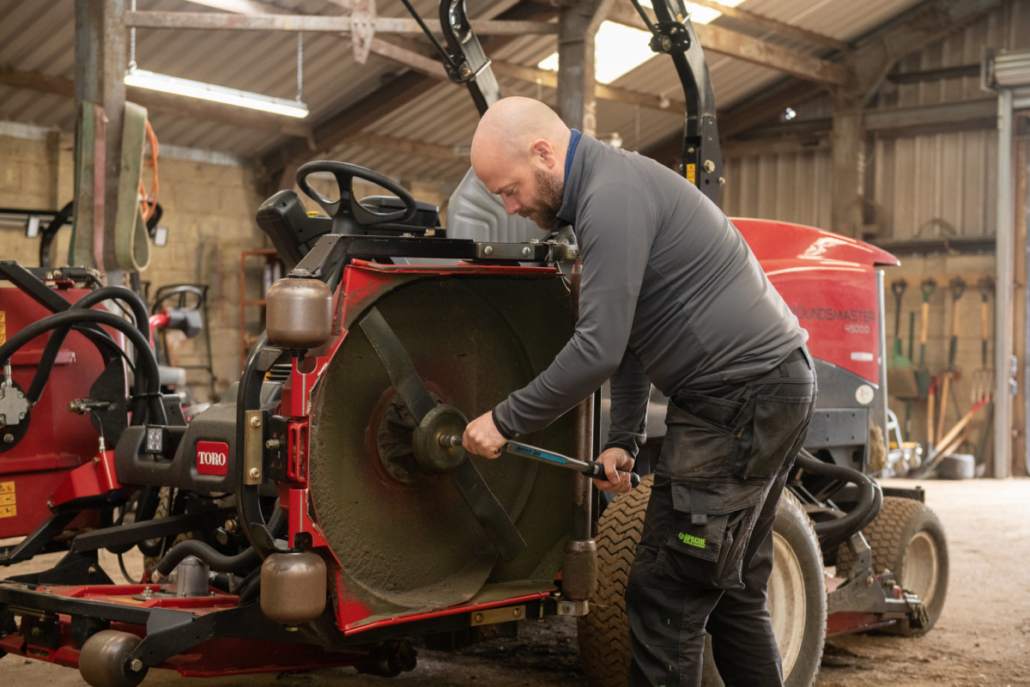
Aerating, mowing and scarifying is tough enough during winter let alone when the ground is overly dry, which means machines will be given a particularly tough work out. Bent and damaged tines and blades will be an issue, so the best advice is to have replacement stock of these in the workshop to avoid delays to schedules and unnecessary downtime.

But which parts to choose? Michael Hampton, parts manager at Reesink Turfcare, says: “Customers should consider the same rigorous criteria for choosing parts as they do when choosing a machine. Things like performance, quality of cut, longevity and return on investment, all stand up for parts too.

“Using parts that aren’t Toro Genuine Parts, especially in a Toro mower, can seriously damage the machine, and even risk damaging the cutting units. Choosing cheaper, less efficient alternatives is a false economy and will likely cost you more in the long run.”

Whether it’s wet or dry, cutting time is reduced in the winter months, which makes it the perfect time to take an in-depth look at the cutting unit. Keeping on top of general maintenance of filters and belts ensures machines operate to full capacity when the grass begins to grow come spring and blades need to be kept sharp throughout the season.

With a blade for all seasons, choosing Toro guarantees not only a perfect fit but one carefully crafted to suit specific turf needs. For example, the ‘Atomic’ blades are best in the winter months, perfect for mulching up leaves or for use with a recycling deck to mulch the grass.

Again, it helps to have these sorts of things in stock but if space is an issue Reesink has customers covered with its comprehensive stock of parts, from the great value MVP kits, to blades, tines and filters. Toro line items are available for delivery at 24 hours’ notice anywhere in the UK, or by transatlantic air freight service.

This represents the kind of reassurance Reesink wants to give turfcare professionals: minimum downtime, maximum productivity and more customer service – all at no extra cost.

Speaking of reassurance, there’s also Reesink’s ReeAssure scheme which offers maintenance service plans to remove the unknowns and make planning easy when it comes to machinery servicing. With the ability to mix and match three different service plans across machines, keeping your machinery fleet in optimum condition has never been easier.

To stock up on Toro parts or for winter machinery maintenance advice, customers can get in touch with their local Toro Genuine Parts dealer or service centre or contact Reesink via reesinkturfcare.co.uk

For the latest industry news visit turfmatters.co.uk/news

Get all of the big headlines, pictures, opinions and videos on stories that matter to you.

Follow us on Twitter and Instagram for fun, fresh and engaging content.

You can also find us on Facebook for more of your must-see news, features, videos and pictures from Turf Matters.

Coronavirus tips for greenkeepers

Coronavirus tips for greenkeepers: BIGGA – the British and International Golf Greenkeepers Association – explain how clubs can assist their vital greenkeeping teams during the pandemic.

Greenkeepers are an essential part of keeping a golf club open. The clubhouse may be able to temporarily shut its doors and ask golfers to change at home or in their cars, but if the course isn’t maintained then a club is losing its key asset.

In providing advice to greenkeepers, BIGGA is doing what it can to keep golf courses open, primarily for the economic health of the sport, but also because the government is concerned about ‘isolation fatigue’. As it is able to played without direct human contact, golf is a low-risk opportunity to stay active if you’re able to leave the house.

However, if a golf club’s entire greenkeeping team is forced to self-isolate or is unable to work due to illness, then the health of the golf course will be at risk, not just in the immediate future but also long-term as it will take some time to recover and the damage could be substantial.

Spring’s warmer weather means the turf will start growing at an increased rate. If courses can’t be maintained for an extended period then the finer areas – greens in particular – will suffer. Disease occurrence is more likely and once the grass is longer, it can’t just be chopped down to its previous height.

The following is guidance to help keep your greenkeeping team healthy during the current health crisis:

1. Split your team up into separate groups and keep them isolated from each other. Make sure you have groups who are able to complete specialist tasks as a unit, although this may also be an opportunity for trainee members of the team to learn new skills. If you need to speak to members of a different group, call them over the radio or phone, rather than meeting in person. As course manager, you also need to stay separate from the teams otherwise you risk spreading the virus among your team.

2. Allow different groups of staff to start and finish at half hour interviews and stagger their coffee breaks and lunch times. Make sure food and drink is stored in separate compartments and ensure each group completely cleans the breakroom after they have used it.

3. It may be an idea to ask the team to lunch in their cars rather than the mess room. Greenkeepers spend a lot of time working alone and so when they come together for a lunch or coffee break, it is a prime opportunity for the virus to spread. At this time, as much isolation as possible is hugely important.

4. As in all aspects of life at this time, hygiene is essential. For greenkeepers, that doesn’t just mean washing your hands for more than 20 seconds, but also ensuring that any equipment you use is completely and efficiently cleaned after use. Likewise, areas such as communal areas, washrooms and offices should be comprehensively cleaned on a regular basis. The current outbreak is an opportunity for a bit of spring cleaning.

5. There are tools that greenkeepers can use to help protect the course if they are unable to gain access for a period of time. The use of dew dispersant will suppress the formation of dew and reduce turf problems made worse by excess moisture. It will also decrease drying times following rainfall.

6. Growth regulators can be used to slow down the growth of the turf, reducing the need to mow it as frequently. Growth regulators work by causing a temporary halt in the production plant hormones responsible for promoting growth in grasses.

7. A programme of Integrated Pest Management will take a proactive approach to disease control and preventative fungicides can help reduce the instances of disease on the turf.

8. Most importantly, if you’re ill or showing any of the symptoms of coronavirus, stay at home. The golf club will survive without you for a few days, but if you make the entire team ill and indirectly cause the closure of the course, then the consequences could be dire. At times like this, it’s better to be cautious.

9. Being prepared for the worst by developing contingency plans are important and you can find more information about these, such as buddying up with other clubs and training other staff members or volunteers, by checking out the guidance BIGGA and golf’s other membership organisations recently published.

10. Other advice to prevent the spread of coronavirus at golf clubs includes:

  • Leave the flag in the hole at all times
  • Remove rakes and any other pieces of course furniture that golfers may touch – let the greenkeepers rake the bunkers and golfers can wipe their own golf balls on a towel
  • Only pick your own ball up
  • Do not share any equipment, such as golf clubs or rangefinders
  • Try to keep a distance of two metres from your playing partners
  • Don’t shake hands after your game
  • Adjust your catering provision to reduce physical contact – keep a barrier between you, use disposable plates and cups, have hand washing facilities available on every table
  • Prioritise online services for entries, bookings and scoring.
  • Take payments using contactless means.

For more information, visit the BIGGA website, or reach out on Twitter

Click here to read the original article

For the latest industry news visit turfmatters.co.uk/news

Get all of the big headlines, pictures, opinions and videos on stories that matter to you.

Follow us on Twitter and Instagram for fun, fresh and engaging content.

You can also find us on Facebook for more of your must-see news, features, videos and pictures from Turf Matters.