
Tag Archive for: Transformation

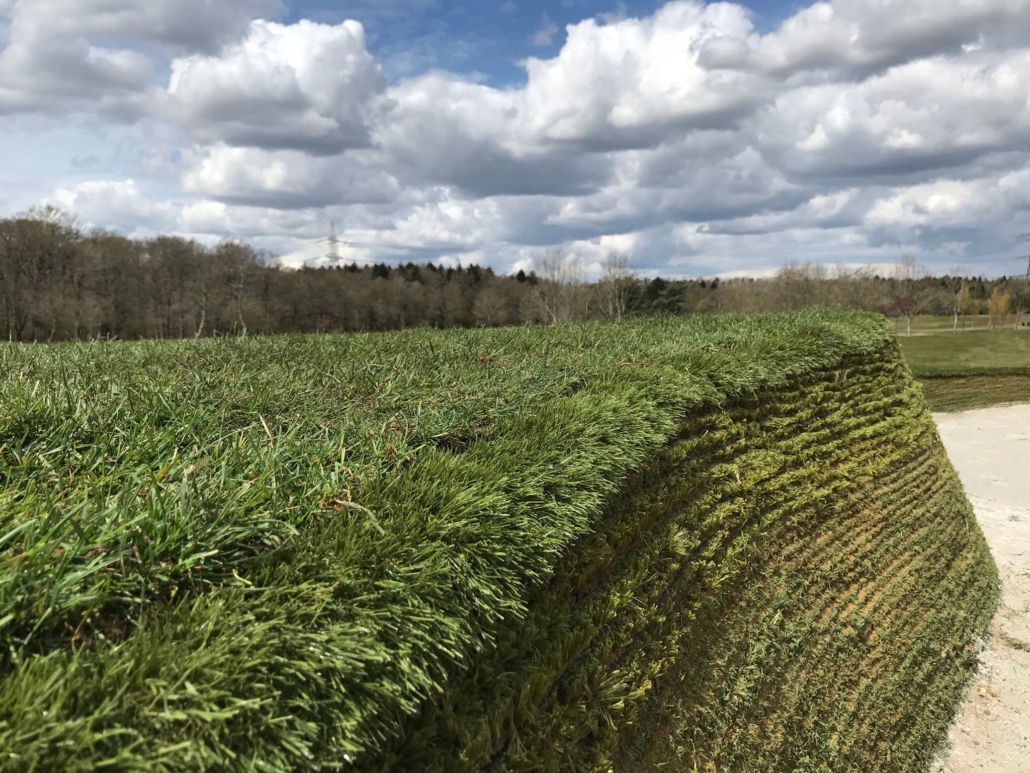
Duncan Ross continue school field transformation

Duncan Ross continue school field transformation: Following Phase 1 of works with Duncan Ross Ltd, Altrincham Grammar School for Boys addressed critical drainage issues and drastically reduced match cancellations. Phase 2 has built on these successes by further improving the school’s sports facilities.

The school has been dedicated to its ‘Sport for All’ campaign, which seeks to improve access to quality sports facilities and ensure students of all levels have the opportunity to engage in physical activity. Duncan Ross Ltd.’s project has been integral to bringing that vision to life, enabling students to enjoy well-maintained and high-performing sports pitches throughout the year.

Duncan Ross continue school field transformation

Duncan Ross continue school field transformation

Neil Brown, Head Groundsman for the Hamblin Trust, highlighted the significant impact of the improvements made during Phase 1 and Phase 2. “Since we’ve had the drains done, the pitches have been fantastic,” he said. ”

In the last 18 months, we’ve only had two games called off, and even then, it was our decision to be extra cautious due to upcoming cup matches. The fields are now miles better for the kids to play on, with improved surfaces and more grass coverage, and the teachers and students are really pleased with how well they play.”

Phase 2 of the project concentrated on the training areas which had significant unevenness, with noticeable dips and slopes that made play difficult. As a result, a decision was made to level the entire area to create a more functional and versatile space.

Duncan Ross Ltd executed this transformation with precision. “The team at Duncan Ross went over and above, using various equipment for stone burning, flattening, and levelling,” Neil explains.

“The work was done so well that, when it was fully grassed in, we decided to convert it into a football pitch instead of just a training area because it was just too good only to be used for training.

Alongside the levelling work, extensive drainage improvements were made, mirroring the successful approach taken in Phase 1. Drains were installed at five-meter intervals with sand slits at half-meter intervals, significantly improving water management on the field. Previously, areas of the Year 7 field would become waterlogged and unplayable for months at a time, but that issue has now been resolved.

Looking ahead to Phase 3, the school is set to benefit from additional enhancements, including the installation of an Olympic-style long jump and triple jump area and another synthetic cricket wicket for match play. The ongoing collaboration between Altrincham Grammar School and Duncan Ross Ltd continues to elevate the school’s sports facilities, fostering greater student participation in various sports.

“There are a lot more kids playing cricket now using the practice nets,” Neil explains. “With the extra football pitch, we have better facilities all around. Before, the fields would turn into a mud bath in winter, but now we have quality playing surfaces all year round. It’s just a much better environment for the kids to play and develop their skills,”

With Duncan Ross Ltd.’s expertise and commitment to delivering top-quality sports surfaces, Altrincham Grammar School for Boys is well on its way to achieving its ‘Sport for All’ vision, ensuring that students have access to excellent facilities for years to come.

For the latest industry news visit turfmatters.co.uk/news

Get all of the big headlines, pictures, opinions and videos on stories that matter to you.

Follow us on Twitter and Instagram for fun, fresh and engaging content.

You can also find us on Facebook for more of your must-see news, features, videos and pictures from Turf Matters.
Pleasington Golf Club’s transformation

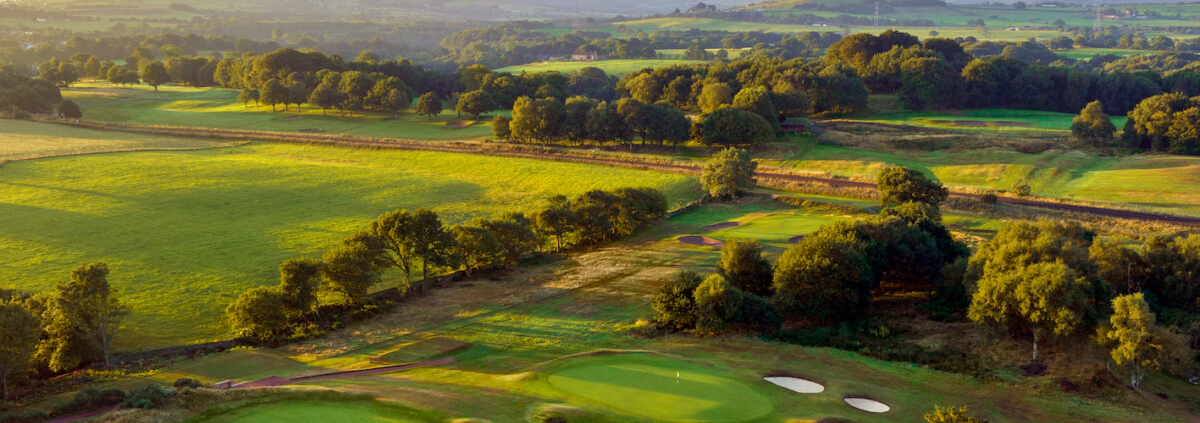
Pleasington Golf Club’s transformation: Pleasington Golf Club, Lancashire, has revealed the latest results of its £1 million course transformation.

Rated the No.1 heathland course in Lancashire, the 12-time Open qualifying venue is upgrading its course as part of a long-term ‘Good to Great’ plan.

Pleasington Golf Club’s transformation

Pleasington Golf Club’s transformation

Just an hour from Manchester, Liverpool and Leeds, the club is already a popular destination with players heading to three nearby Open links, as well as golf travellers stopping off on route to and from Scotland via the M6.

Pleasington Golf Club is aiming to secure its position as one of the finest courses in the UK.

“This has been an important and exciting journey for the club,” said General Manager, Mark Bleasdale. “While the course has always been recognised as an outstanding layout, hosting Open qualifying and prestigious amateur events including the Pleasington Putter for elite amateur women, we wanted to restore its natural character and return it to its very best.

“Now, after major works over the past three winters, including the regeneration of heathland, the course has been transformed.”

The course upgrade has included:

  • Making the course visually stronger with new and renovated bunkers
  • Creating firmer, faster greens with enhanced drainage and disease resilience
  • Strategic design changes making the course fairer to higher handicap players and more challenging for low handicappers and elite golfers.

The work has been overseen by respected golf course architect Ken Moodie of Creative Golf Design.

The project is part of the club’s ‘Good to Great’ plan, which aims to make the venue among the best golf courses in the UK, as well as being an inclusive club at the heart of the community, encouraging golf for all and restoring the landscape’s natural environment.

Visitor bookings are now open for the 2024 season, as well as a series of open competitions and a new Sunday Driver stay-and-play golf package, with accommodation at The Dunkenhalgh Hotel & Spa.

For the latest industry news visit turfmatters.co.uk/news

Get all of the big headlines, pictures, opinions and videos on stories that matter to you.

Follow us on Twitter and Instagram for fun, fresh and engaging content.

You can also find us on Facebook for more of your must-see news, features, videos and pictures from Turf Matters.

Euroflor delivers dazzling transformation

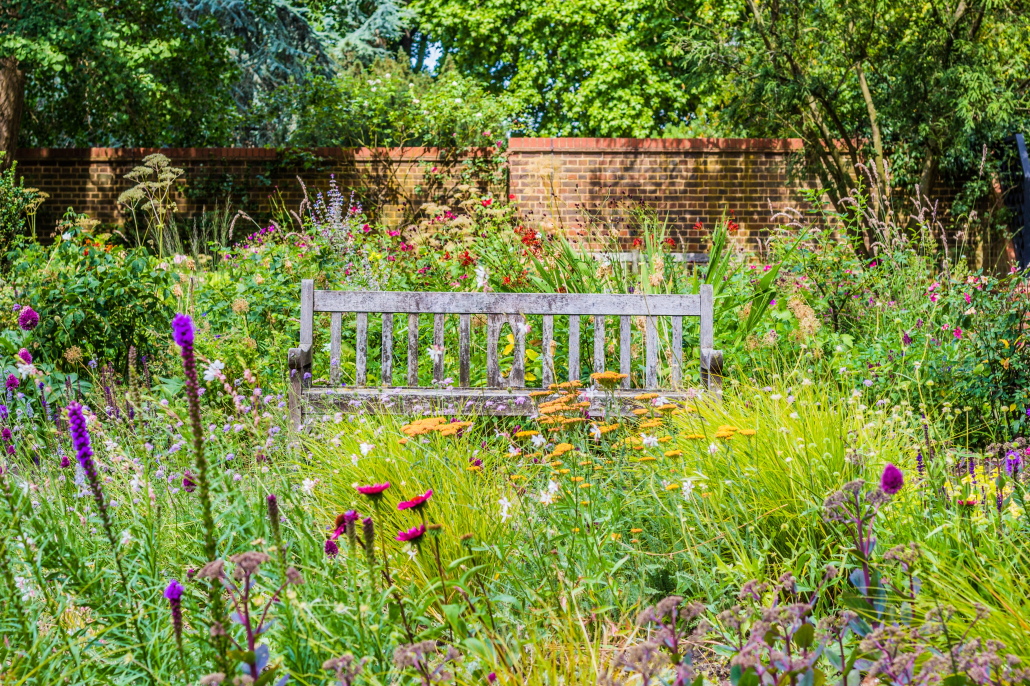
Euroflor delivers dazzling transformation: Seed from the Origin Amenity Solutions (OAS) Euroflor range has transformed three meadow areas within Worth Park, as part of a wider conservation project underway by Crawley Borough Council.

With the aim of increasing plant diversity and providing all-important habitat and food for pollinators, the wildflowers were introduced by Head Gardener Stephen Peters using OAS’s biodegradable FloraFleece – helping to deliver maximum visual and ecological benefit, with minimal impact on the environment.

Euroflor delivers dazzling transformation

Euroflor delivers dazzling transformation

Worth Park Conservation Garden sits within 8.5 hectares of green space which has undergone a complete restoration over the last few years, making it an important community and destination venue for residents and visitors to Crawley. “The objective of the wildflower project was to provide an essential food source (nectar) for pollinators and demonstrate that making a healthier ecosystem that benefits both humans and wildlife need not be complicated or involve intensive preparations with harmful chemicals that we traditionally see” explains Stephen, who is also Horticulture Advisor to Crawley’s Tilgate and Goff Parks.

“Together with my Horticulture Apprentice Tom, we prepared three areas using the FloraFleece from OAS.” The FloraFleece is composed of 50% jute, 25% cotton, 25% brown wool and hessian scrim that acts to suppress weeds and provide an ideal seed bed for wildflowers, before biodegrading naturally over the next seven or eight months. “We just had to roll the matting out, lay three or four inches of soil over the top and sow the seed – all of which was complete in a day.”

Stephen continues, “Following many visits and conversations about the project, Mike Ring from Origin Amenity came in with a catalogue and together we opted for the Euroflor Discovery box. I really liked this option because it incorporated a range of Euroflor mixtures which would give us annuals, bi-annuals and perennials for a rich source of nectar for our pollinators and wildlife, along with maximum colour and plant diversity. These were sown in mid-March and we started to see growth in approximately six weeks.”

“The results were nothing short of beautiful. We had people taking photographs, sharing feedback on social media and we even had a local artist in her 90’s paint one of the wildflower meadows, the end result now proudly hanging in the community room of Ridley’s Court. Importantly, we have also noted a big increase in the number of pollinators we’ve seen so the project did its job and more!”

Once the flowering period was over, the meadows were harvested down to four inches with the trimmings left in piles before being passed through a small shredder. “We scattered the shredded material back over the plots and found that where the seed had been chipped through the shredding process, we saw the emergence of young seedlings growing again in less than two weeks.”

He concludes, “This project has demonstrated what can be achieved if we all look to ‘recycle, reuse, reseed and rejuvenate’. We couldn’t have hoped for a more successful trial and our aim now is to build on this with the help of OAS, to create new wildflower areas in some of the other parks under my remit.”

For the latest industry news visit turfmatters.co.uk/news

Get all of the big headlines, pictures, opinions and videos on stories that matter to you.

Follow us on Twitter and Instagram for fun, fresh and engaging content.

You can also find us on Facebook for more of your must-see news, features, videos and pictures from Turf Matters.

EcoBunker aids transformation at Skylark

EcoBunker aids transformation at Skylark: Seven years ago, Skylark Golf & County Club in Hampshire in the south of England, was in a sorry state.

“The course was opened in the late 1990s, and it was known at Quinn Dell,” says course manager Simon Bell-Tye. “And when I got here in 2014, it had been neglected and run down for most of that time. It was a field with holes in it.”

EcoBunker aids transformation at Skylark

EcoBunker aids transformation at Skylark

But the arrival of its new course manager was a sign that the place was on the up. Acquired by local company JDI (Just Develop It) in late 2013, the renamed Skylark hasn’t looked back.

“My boss at the time, Dan Richards, an ex-golf pro, had a real vision for the place, starting with making the course more presentable and playable,” says Bell-Tye. “But it was a big job. There was a weed called toad rush in the greens. I didn’t know what it was – I’d never come across it before – and the bunkers were just scoops in the ground.”

Now, though, Skylark’s bunkers are among its best-regarded features, thanks to the installation of synthetic edging system EcoBunker over several years. “I’m a member at Royal Winchester and I saw them doing the EcoBunkers there,” says Simon. “I mentioned this to Dan and he said ‘Good idea, get them in’. Rich Allen came and explained their process, and we took him and their construction manager Llewelyn Matthews to the eleventh hole, which had our very worst bunkers. Then Llew spent a week showing us how to build the EcoBunkers, and we haven’t looked back since.”

But the ‘normal’ EcoBunker method wasn’t enough for Skylark. To reduce the bunker maintenance still further, EcoBunker CEO Richard Allen devised a new add-on, named EcoEdge – which sees top quality artificial grass, backed with rubber, used as a rim for the bunkers. Compared to the usual EcoBunker Advanced methodology, where natural grass is planted on top of the synthetic edge, this obviously reduces the maintenance requirement for bunker edging still further. “Skylark was the first club in the world to use the EcoEdge system, although since, a number of other clubs have invested in it,” says Allen.

The reaction to the EcoBunkers was immediate. “Members loved them, so I got a budget to do a number of bunkers each year,” says Bell-Tye. “Ultimately, we have added fourteen extra bunkers to the golf course. We build them all in house – last winter I used forty pallets of material in four bunkers – and they look wonderful. They are huge, and they just pop out at you.”

Skylark’s success has come both on and off the course. From hosting one or two weddings a year, the club now does 140-150. And the golf? “When I joined we had 200-250 golf members. Now we’re up to 750, and we are full, with a joining fee,” says Bell-Tye.

For the latest industry news visit turfmatters.co.uk/news

Get all of the big headlines, pictures, opinions and videos on stories that matter to you.

Follow us on Twitter and Instagram for fun, fresh and engaging content.

You can also find us on Facebook for more of your must-see news, features, videos and pictures from Turf Matters.
Green spaces transformation

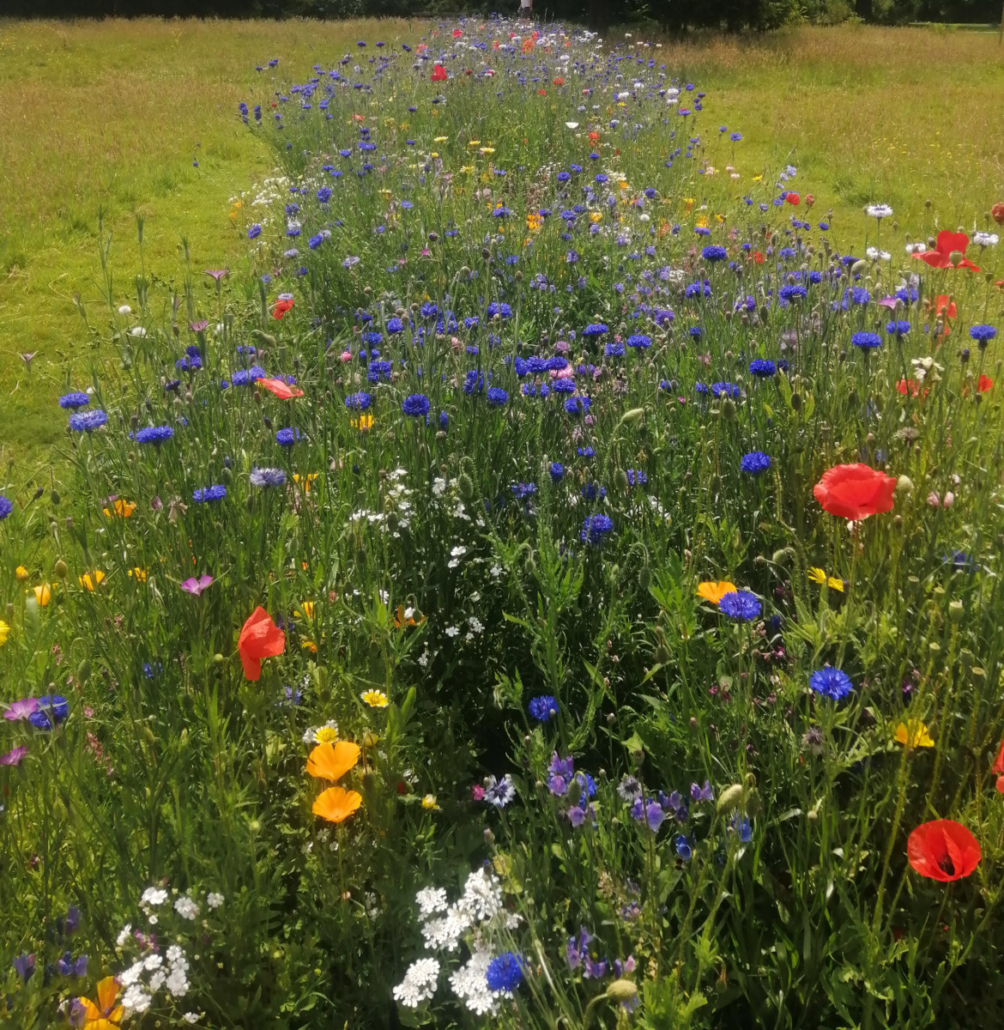
Green spaces transformation: Seeking to transform dull spaces into inspiring havens for nature and the local community, is the mission of a new venture called YourGreen.

The new eco-seed and tree business is calling on the public and private sector to think differently about green space and consider the breadth of environmental, emotional and brand benefits of planting wildflower seed mixes, trees, hedgerows.

Green spaces transformation

Green spaces transformation

Co-founder of YourGreen, Bethan Pugh, points to their YourPact consultancy package, supporting the development of a sustainable and eco-friendly brand; offered alongside advice on the practical and technical aspects of creating inspiring green spaces.

“We work hand in hand with organisations to create a package of activities that help realise their green ambitions, from supporting a sustainable food chain to creating natural public spaces for the local community,” she says. “This could mean planting grassland, meadows, woodlands, hedges, environmental mixtures or donating wildflowers to community projects.

“Carbon sequestration is one aspect, but it’s wider that that – we’re thinking about offsetting biodiversity loss as well as focusing on the community, health and wellbeing.

“We’ve developed a whole range of wildflower mixes that have been created with those benefits in mind – right down to thinking about the impact on mood and mindset, with mixtures which promote relaxation, positivity and creativity. At YourGreen, the service goes well beyond supplying a generic seed mix,” adds Bethan.

The launch of YourGreen follows a year when the pandemic exposed the importance of getting closer to nature.

“There’s definitely an appetite for businesses and the public sector to make their premises and outdoor spaces more attractive and create a positive experience for all. The motivation could be one of mental health, conservation or attracting home workers back to the workplace.

“There’s an untapped demand that’s seeing organisations looking for ways to give staff, customers and the local community an opportunity to connect with nature,” she adds.

Bethan says that the firm is also equipped to offer technical growing advice and has a strong philanthropic outlook.

Marking the launch of the new venture, YourGreen is supporting Children’s Gardening Week by donating wildflower packs to schools across Shropshire.

“Our aim is to encourage schools to take part in rewilding areas of the UK, educating children across the county about how planting wildflowers can support wildlife, conservation and connect with nature to increase quality of life,” she adds.

To find out more about YourGreen, visit the website at https://your-green.co.uk/ or follow on Facebook or Instagram at @yourgreenltd.

For the latest industry news visit turfmatters.co.uk/news

Get all of the big headlines, pictures, opinions and videos on stories that matter to you.

Follow us on Twitter and Instagram for fun, fresh and engaging content.

You can also find us on Facebook for more of your must-see news, features, videos and pictures from Turf Matters.