Tag Archive for: Why

Why Seed Innovation is the New Frontier for Turf Professionals

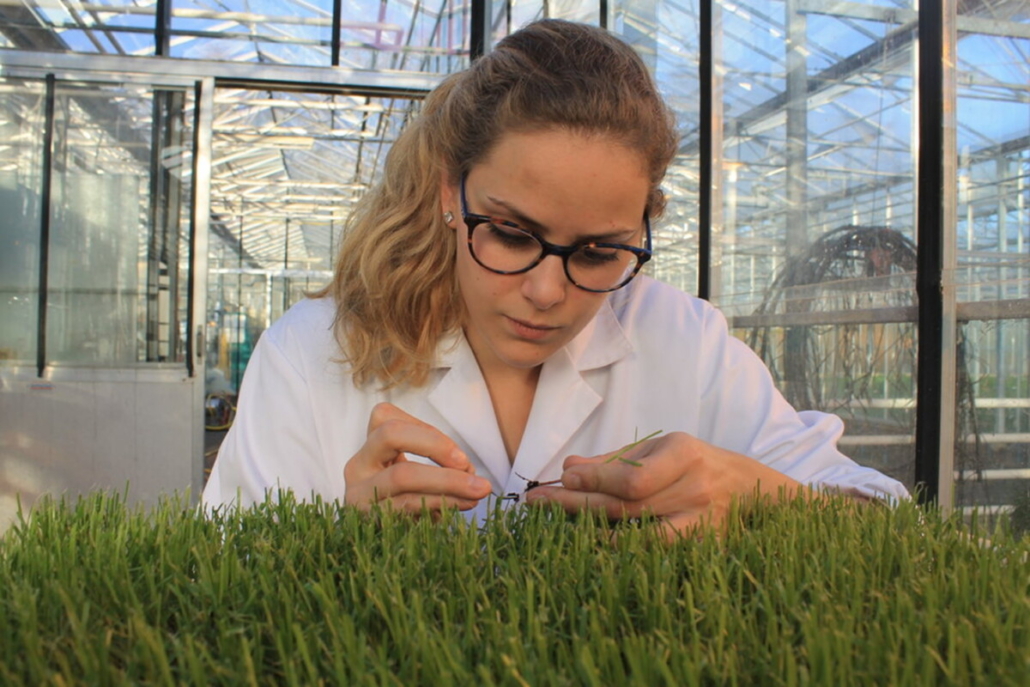
Why Seed Innovation is the New Frontier for Turf Professionals: In the world of professional turf management, the ground beneath our feet is shifting. What once seemed like a predictable seasonal cycle has been replaced by a volatile cocktail of environmental and operational pressures. From the scorching droughts of record-breaking summers to the relentless intensity of equally record-breaking rainfall, the demands placed on a sward have never been higher.

At DSV Eurograss, they recognise that the “business as usual” approach to seed selection is no longer an option. As we navigate 2026, the research into seed and turf development has transcended simple aesthetics; it is now the critical foundation for the industry’s survival and sustainability.
Why Seed Innovation is the New Frontier for Turf Professionals

Why Seed Innovation is the New Frontier for Turf Professionals

The Climate Challenge: Breeding for the “New Normal”

Climate change is no longer a distant threat – it is an everyday operational hurdle. For turf managers, this manifests as extreme temperature fluctuations and increasingly restrictive water usage regulations. The traditional “cool-season” grasses that have long been the backbone of UK and European sports turf are being pushed to their physiological limits.

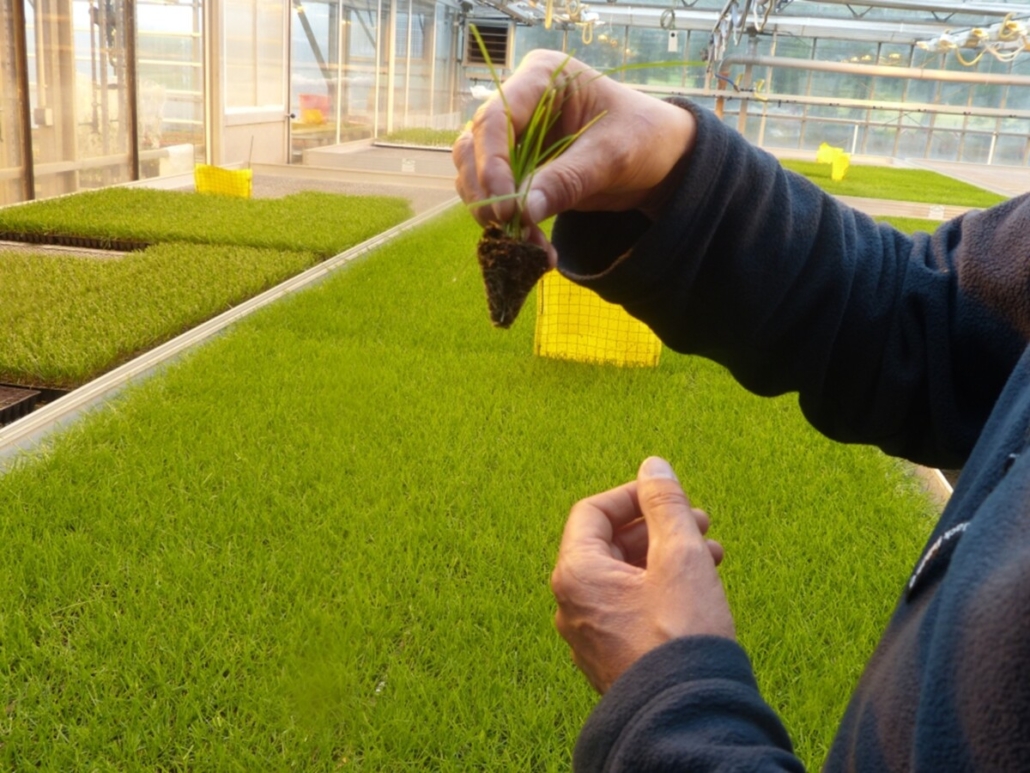
The research at DSV focuses on genotypic variation – the genetic “blueprint” that allows certain cultivars to thrive where others fail. Their breeding programs are specifically targeting drought tolerance, not just through surface-level survival, but through deep-rooting characteristics. By selecting for “smart roots”, plants that can strategically adjust their water uptake from deeper soil profiles during dry spells, they are helping groundstaff maintain high-quality surfaces with significantly fewer irrigation inputs.

Resilience Against Emerging Diseases

Warmer, more humid autumns and winters have invited a new guest list of pathogens to our pitches and fairways. Diseases like Dollar Spot and Gray Leaf Spot, once considered “continental” problems, are now common in more temperate climates.

The traditional reliance on chemical interventions is under pressure from both a regulatory and environmental standpoint. The DSV development pipeline prioritises genetic disease resistance.

Varieties like the newly ranked Flanell and Euromagic aren’t just chosen for their wear tolerance; they are bred to be naturally robust against the fungi that thrive in these changing weather patterns. By building resistance directly into the seed’s DNA, DSV provide the first line of defence, reducing the need for costly and carbon-heavy fungicide applications.

Performance Under Pressure: The Usage Factor

While the climate changes, the expectations of players and spectators remain at an all-time high. Modern multi-use stadia and academic facilities require turf that can withstand “increased usage” from the relentless pounding of feet and equipment, often under low-light conditions or beneath retractable roofs.

DSV’s PRO range is a testament to this research. It features diploid perennial ryegrasses that offer:

  • Rapid Germination: Vital for the tight windows of summer renovations.
  • Exceptional Sward Density: Providing the stability required for high-speed play.
  • Genetic Colour: Cultivars like Flanell and Eurogala provide a naturally deep green hue that looks exceptional on camera without the need for excessive nitrogen fertilization.

A Data-Driven Future

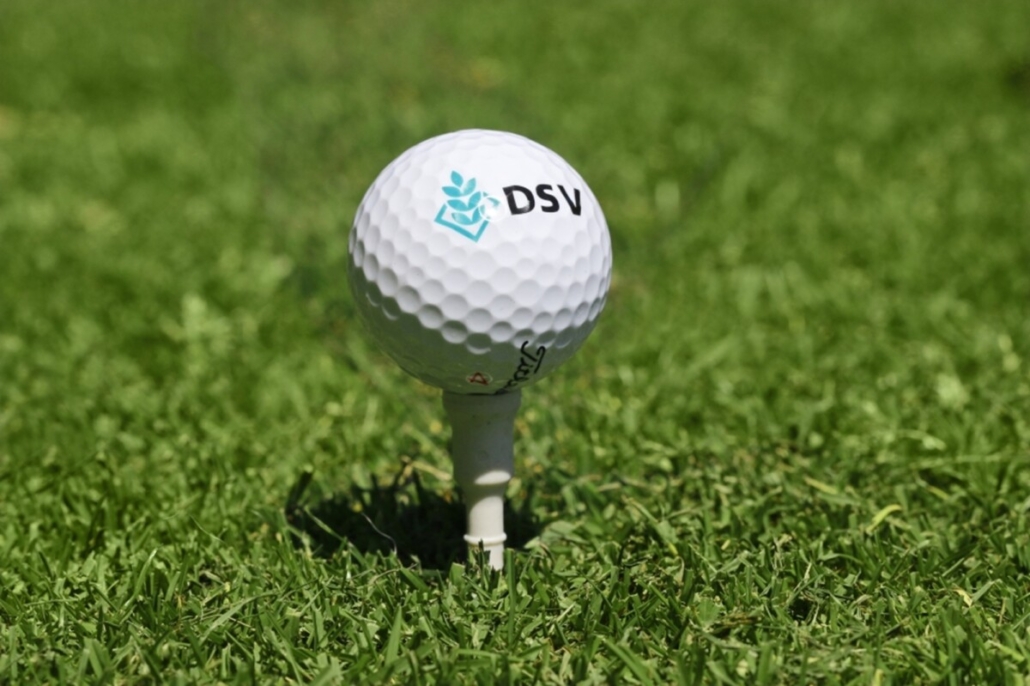
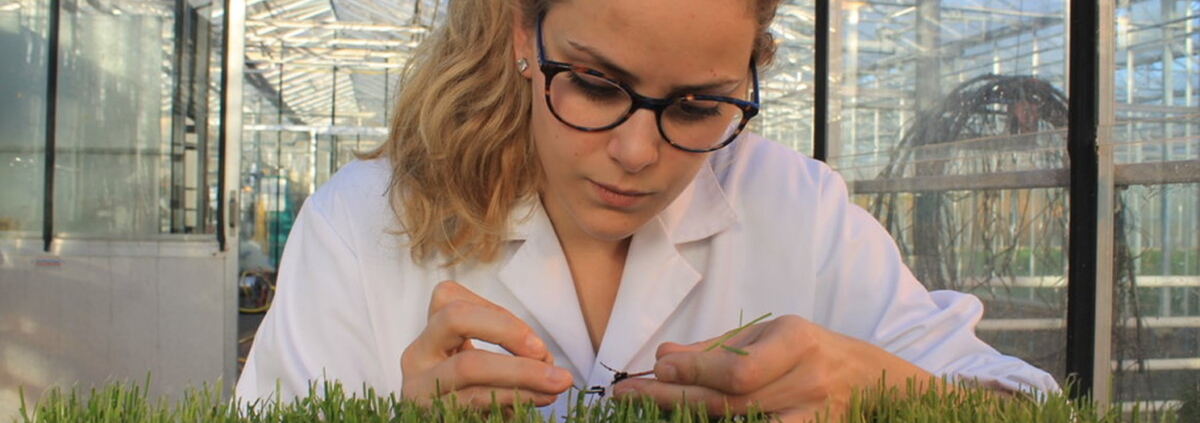
The importance of independent testing has never been greater. DSV are proud that their varieties now occupy top positions on the BSPB Turfgrass Seed rankings. However, their work doesn’t stop at the trial plots. The company is moving toward a more predictive framework in breeding, using genomic selection to identify the next generation of resilient varieties years faster than traditional methods.

“The rankings table is the one everyone wants to top. Our recent results prove that our breeding material is now the best in these trials, but the real victory is seeing these grasses perform in the face of a changing environment,” commented Sam Horner, DSV Seeds.

Conclusion: The Seed is the Solution

As water becomes more precious and the weather more unpredictable, the turfcare industry must look to the science of the seed. At DSV Eurograss, they are committed to providing the professional community with the tools to stay ahead of the curve. Investing in advanced seed technology is not just about a better-looking pitch today; it’s about ensuring we have a surface to play on tomorrow.

Please visit www.dsv-uk.co.uk/products/amenity for more information and follow on social media @EuroGrassUKSeed.

For the latest industry news visit turfmatters.co.uk/news

Get all of the big headlines, pictures, opinions and videos on stories that matter to you.

Follow us on Twitter and Instagram for fun, fresh and engaging content.

You can also find us on Facebook for more of your must-see news, features, videos and pictures from Turf Matters
Why Seed Innovation is the New Frontier for Turf Professionals

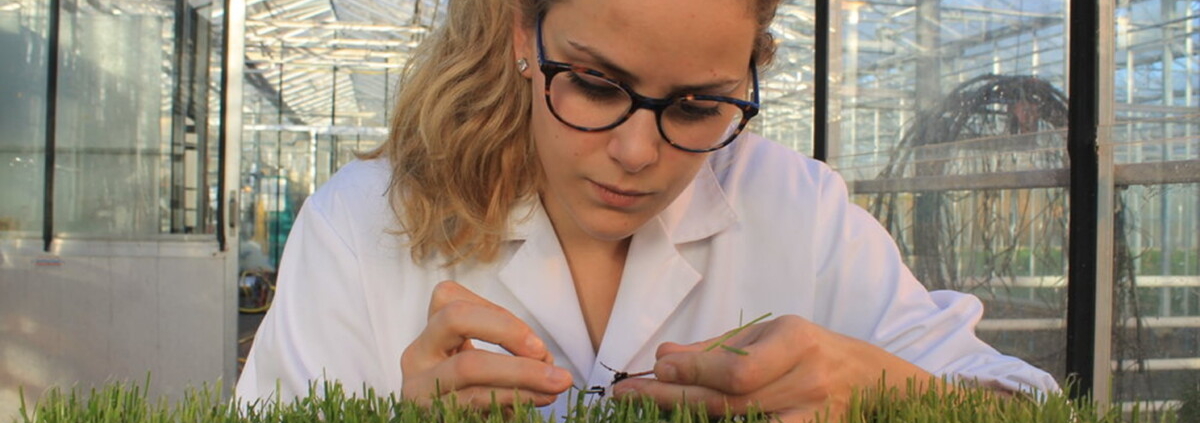
Why Seed Innovation is the New Frontier for Turf Professionals: In the world of professional turf management, the ground beneath our feet is shifting. What once seemed like a predictable seasonal cycle has been replaced by a volatile cocktail of environmental and operational pressures. From the scorching droughts of record-breaking summers to the relentless intensity of equally record-breaking rainfall, the demands placed on a sward have never been higher.

At DSV Eurograss, they recognise that the “business as usual” approach to seed selection is no longer an option. As we navigate 2026, the research into seed and turf development has transcended simple aesthetics; it is now the critical foundation for the industry’s survival and sustainability.

Why Seed Innovation is the New Frontier for Turf Professionals

Why Seed Innovation is the New Frontier for Turf Professionals

The Climate Challenge: Breeding for the “New Normal”

Climate change is no longer a distant threat – it is an everyday operational hurdle. For turf managers, this manifests as extreme temperature fluctuations and increasingly restrictive water usage regulations. The traditional “cool-season” grasses that have long been the backbone of UK and European sports turf are being pushed to their physiological limits.

The research at DSV focuses on genotypic variation – the genetic “blueprint” that allows certain cultivars to thrive where others fail. Their breeding programs are specifically targeting drought tolerance, not just through surface-level survival, but through deep-rooting characteristics. By selecting for “smart roots”, plants that can strategically adjust their water uptake from deeper soil profiles during dry spells, they are helping groundstaff maintain high-quality surfaces with significantly fewer irrigation inputs.

Why Seed Innovation is the New Frontier for Turf Professionals

Why Seed Innovation is the New Frontier for Turf Professionals

Resilience Against Emerging Diseases

Warmer, more humid autumns and winters have invited a new guest list of pathogens to our pitches and fairways. Diseases like Dollar Spot and Gray Leaf Spot, once considered “continental” problems, are now common in more temperate climates.

The traditional reliance on chemical interventions is under pressure from both a regulatory and environmental standpoint. The DSV development pipeline prioritises genetic disease resistance.

Varieties like the newly ranked Flanell and Euromagic aren’t just chosen for their wear tolerance; they are bred to be naturally robust against the fungi that thrive in these changing weather patterns. By building resistance directly into the seed’s DNA, DSV provide the first line of defence, reducing the need for costly and carbon-heavy fungicide applications.

Performance Under Pressure: The Usage Factor

While the climate changes, the expectations of players and spectators remain at an all-time high. Modern multi-use stadia and academic facilities require turf that can withstand “increased usage” from the relentless pounding of feet and equipment, often under low-light conditions or beneath retractable roofs.

DSV’s PRO range is a testament to this research. It features diploid perennial ryegrasses that offer:

  • Rapid Germination: Vital for the tight windows of summer renovations.
  • Exceptional Sward Density: Providing the stability required for high-speed play.
  • Genetic Colour: Cultivars like Flanell and Eurogala provide a naturally deep green hue that looks exceptional on camera without the need for excessive nitrogen fertilization.

A Data-Driven Future

The importance of independent testing has never been greater. DSV are proud that their varieties now occupy top positions on the BSPB Turfgrass Seed rankings. However, their work doesn’t stop at the trial plots. The company is moving toward a more predictive framework in breeding, using genomic selection to identify the next generation of resilient varieties years faster than traditional methods.

Why Seed Innovation is the New Frontier for Turf Professionals

Why Seed Innovation is the New Frontier for Turf Professionals

“The rankings table is the one everyone wants to top. Our recent results prove that our breeding material is now the best in these trials, but the real victory is seeing these grasses perform in the face of a changing environment,” commented Sam Horner, DSV Seeds.

Conclusion: The Seed is the Solution

As water becomes more precious and the weather more unpredictable, the turfcare industry must look to the science of the seed. At DSV Eurograss, they are committed to providing the professional community with the tools to stay ahead of the curve. Investing in advanced seed technology is not just about a better-looking pitch today; it’s about ensuring we have a surface to play on tomorrow.

Please visit www.dsv-uk.co.uk/products/amenity for more information and follow on social media @EuroGrassUKSeed.

For the latest industry news visit turfmatters.co.uk/news

Get all of the big headlines, pictures, opinions and videos on stories that matter to you.

Follow us on Twitter and Instagram for fun, fresh and engaging content.

You can also find us on Facebook for more of your must-see news, features, videos and pictures from Turf Matters
Why leading brands choose SALTEX

Why leading brands choose SALTEX: SALTEX remains the cornerstone of the grounds management calendar, with many of the industry’s most respected names making it a permanent fixture. Their continued presence is a testament to the show’s enduring value as the sector’s most trusted meeting place. 

From long-standing exhibitors like Dennis Mowers to global innovators such as Husqvarna, Cramer, and ISEKI UK & Ireland, brands return because SALTEX consistently delivers what matters: direct access to thousands of decision-makers and the opportunity to build lasting customer relationships.

Why leading brands choose SALTEX

Why leading brands choose SALTEX

This loyalty speaks volumes. SALTEX isn’t just a trade show – it’s the industry’s home. And 2025 is no exception. Here are just a few of the brands who are back again this year:

Dennis Mowers

The only exhibitor to have attended every single SALTEX show, Dennis is synonymous with the event’s heritage. Trusted worldwide by elite stadia, golf, cricket and local authorities, Dennis will bring decades of engineering expertise to the NEC this November, showcasing world-leading cylinder mowers designed for pristine playing surfaces.

“We’re incredibly proud that Dennis Mowers has been part of every single SALTEX show since its inception,” said Megan Oliver, Managing Director at Dennis Mowers. “As a British manufacturer with over a century of heritage in professional mowers, SALTEX has always been an invaluable platform for us to connect with our dealers and the grounds care community.

“This year, we’re excited to show our NEW lightweight mower, alongside our renowned range of battery-powered turf maintenance machinery and cylinder mowers, which continue to set the standard for exceptional cut quality and reliability.

“To be recognised as the longest-standing exhibitor is a real honour for the Dennis team. SALTEX has played a key role in our journey and year after year it gives us the opportunity to listen to our customers, share ideas and proudly showcase British engineering at its best.”

Husqvarna

Proudly exhibiting since 2015, Husqvarna continues to bring its pioneering robotic mowers, chainsaws and riders to SALTEX. With a history stretching back to 1689 and products sold in more than 100 countries, Husqvarna values SALTEX as the must-attend UK platform.

“Husqvarna is proud to be part of SALTEX again this year, particularly as 2025 marks our 10th anniversary of attending the event,” said Karl Hansell, Marketing Manager at Husqvarna Group. “SALTEX is a key date in our calendar because it brings the entire industry together under one roof. For us, the real value lies in the conversations we have with the decision makers on the show floor and the ability to showcase our world-leading robotics, battery solutions and other products to the people who can put them into practice. SALTEX is a vibrant, well-organised event and we’re excited to be building on that again this year.”

Cramer

With more than ten years of unwavering presence at SALTEX, Cramer continues to showcase its cutting-edge, battery-first technology – strengthening its commitment to sustainable innovation in grounds care. Over the last 20 years, Cramer has redefined what cordless tools can achieve, from robust blowers to intelligent, high-performance mowers. SALTEX remains its meeting point with professionals seeking sustainable, battery-powered solutions.

John McGrady, National Sales Manager at Cramer, said: “We’re really pleased to be returning to SALTEX, bigger than ever. What we value most is the quality of the audience. The team behind the event go the extra mile to attract genuine decision-makers who are in a position to buy, and that makes all the difference for us. It’s a fantastic way to round off the year – a well-run, energising event that delivers real commercial value.”

ISEKI UK & Ireland

Since 2018, ISEKI has made SALTEX a permanent part of its UK strategy. Known globally for compact tractors and mowers that combine performance with reliability, ISEKI values the show for its ability to connect with professionals across a variety of different sectors. This year, visitors can expect to see ISEKI’s latest tractors and turf-care innovations, designed with efficiency and sustainability in mind.

“ISEKI UK & Ireland is pleased to be attending SALTEX 2025, the leading event for the grounds care and turf management industry,” said Alan Prickett, Director at ISEKI UK & Ireland. “Our presence underscores our continued commitment to innovation, quality and professional engagement through the GMA and its members.

“SALTEX provides an invaluable opportunity to present the latest Iseki products and associated machinery, plus latest technological advancements to a discerning audience of industry professionals and volunteers. We look forward to sharing our products and expertise, whilst reinforcing our position as a trusted partner in delivering efficient and sustainable solutions for grounds maintenance.”

Whilst long-standing exhibitors highlight SALTEX’s trusted value, the show is equally defined by fresh ideas and first-time exhibitors. This year, several newcomers are set to turn heads with technologies that point to the future of grounds management.

Fendt leads the charge with its brand new e100 Vario electric tractor. Following the successful launch of the Fendt e100 V Vario in Europe in 2024, they have added the new e100 Vario tractor to its offering in the UK & Ireland. Delivering up to 90hp of emission-free power with rapid charging and near-silent operation, it’s a bold glimpse of how sustainable machinery is reshaping the industry.

Joining the line-up are innovators across lighting, materials and precision technology:

  • LEDturebrings their expertise in high-performance outdoor lighting. Solutions trusted in demanding industrial and sports environments worldwide.
  • Holcim Specialist Sandsare set to showcase their premium sands, recognised for consistency and quality across sports turf, construction and utilities.
  • Cleveland Alliancesintroduce advanced ARAG sprayer components and GPS precision farming systems, already in use at Premier League clubs and leading golf venues.

With more than 400 brands on the floor, SALTEX remains a unique platform trusted by exhibitors who return year after year.

Register for FREE at www.saltex.org.uk and be in with a chance of winning a Cramer Tools Lawn Mower, complete with charger and battery, worth £2,240!

For the latest industry news visit turfmatters.co.uk/news

Get all of the big headlines, pictures, opinions and videos on stories that matter to you.

Follow us on Twitter and Instagram for fun, fresh and engaging content.

You can also find us on Facebook for more of your must-see news, features, videos and pictures from Turf Matters.

Why Late Summer Sowing Works

Why Late Summer Sowing Works: Why Late Summer Sowing Works – Lawn Advice from The Grass People’s Chris McIlroy 

While spring may seem like the natural time to sow grass seed, lawn care experts are encouraging homeowners to look later in the calendar. According to Chris McIlroy, lawn specialist at The Grass People, late summer is one of the most effective times of year to establish new grass or overseed tired lawns.

Why Late Summer Sowing Works

Why Late Summer Sowing Works

“Sowing in late summer is often overlooked, but it can actually give you some of the best results,” says McIlroy. “The conditions are more stable, soil temperatures are ideal, and there’s less weed competition than in spring. It’s a great window for successful germination.”

Soil is still warm – but the worst heat has passed

“By late August and into early September, the soil holds onto summer warmth but without the extreme temperatures that can dry out young seedlings,” explains McIlroy. “This creates an ideal environment for quick and even germination.”

Rainfall becomes more reliable

One of the key challenges in establishing new grass is consistent moisture. “In late summer, you typically get more regular rainfall,” says McIlroy. “That natural watering supports seed development and reduces the need for constant manual watering.”

Fewer weeds to compete with

Spring sowing often means competing with aggressive weeds. “By late summer, most annual weeds are past their peak,” McIlroy notes. “This gives grass seed a much better chance of establishing without having to fight for space or nutrients.”

A stronger lawn before winter

Sowing in late summer gives your lawn a head start heading into colder months. “New grass has several weeks to grow and develop roots before winter sets in,” says McIlroy. “That makes it stronger, more resilient, and better able to bounce back in spring.”

Ideal timing for repairing worn patches

Summer can take its toll on lawns, especially in high-traffic areas. McIlroy recommends late summer as the perfect time to repair any damage. “Whether it’s from kids, pets or prolonged dry weather, now’s the time to fill in bare spots and encourage uniform growth across your lawn.”

Final thoughts from Chris McIlroy

“Late summer is a golden opportunity for lawn care that many people miss. With the right timing and preparation, you can set your lawn up for long-term success heading into autumn and beyond.”

For the latest industry news visit turfmatters.co.uk/news

Get all of the big headlines, pictures, opinions and videos on stories that matter to you.

Follow us on Twitter and Instagram for fun, fresh and engaging content.

You can also find us on Facebook for more of your must-see news, features, videos and pictures from Turf Matters.

Why Are Biological Companies Struggling for Investment

Why Are Biological Companies Struggling for Investment: In recent years, the agricultural biologicals sector has witnessed significant growth. The global market was estimated at $16.7 billion in 2024 and is projected to reach $31.8 billion by 2029. This surge underscores the increasing demand for sustainable agricultural solutions.

However, early-stage startups, particularly those in pre-seed and seed stages, face substantial challenges in securing investment. While more established companies like Switch Bioworks, Elicit Plant, Solasta, Agospheres, Biotalys, Micropep, Catalera, Botanical Solution, and BioConsortia successfully obtained funding in 2024, emerging enterprises often struggle to attract similar attention. This disparity is partly due to investors’ heightened expectations and a preference for ventures with proven technologies or those nearing revenue generation.

Why Are Biological Companies Struggling for Investment

Why Are Biological Companies Struggling for Investment

Current Investment Trends in Agricultural Biologicals

Geographically, Europe-focused venture capitalists (VCs) are leading the way in funding biological companies. Looking ahead to 2025, there is cautious optimism that U.S. investors will increase their participation, particularly as interest rates decline. However, uncertainties related to tariffs, the farm economy, and government agency (EPA) budgets persist, which could impact investment decisions.

The investment landscape has changed significantly. The willingness to fund biological companies at the high levels seen 3-5 years ago has diminished. Investors today possess more profound industry knowledge, making them more selective. They are increasingly drawn to companies with well-defined business models, clear paths to market impact, and solid financial planning.

The Challenges of Building a Successful Biologicals Business

Succeeding in the biological sector demands patience, effort, and strategic focus. Investors often have unrealistic expectations regarding market development, leading to an oversaturated and unsustainable market. Moving forward, I hope to see more realism in investor sentiment, which will benefit the entire industry by fostering sustainable growth and innovation.

Additionally, recent failures in agri-biological investments have made investors more cautious. To attract funding, companies must demonstrate:

  • Quality-driven research & development
  • Efficient spending and cost management
  • Clear and executable go-to-market strategies

Companies that meet these expectations will have a higher chance of securing funding, thereby improving the overall quality of investments in the sector.

Regulatory Barriers and Their Impact on Investment

My experience raising investment for Bionema has reinforced one of the most critical issues in this sector: the lengthy and costly regulatory approval process for biopesticides. While venture capital investors are interested in biological solutions, many are deterred by the extended timelines required to bring products to market. Unlike conventional agrochemicals, biopesticides require approximately £5-8 million per product for global registration, which is manageable for companies like Bionema. Still, the real challenge is the time needed for regulatory approval. This process often delays market entry by 5-7 years in the EU, 2-3 years in NA and 12 months in Brazil after biopesticides regulatory reform, making it difficult for investors to commit to early-stage funding.

Instead of investing in Series A or Series B rounds, I have observed greater interest from agrochemical multinationals in acquiring or licensing biological technologies. While this demonstrates the commercial viability of biologicals, it also signals a reluctance among large corporations to invest in the sector’s long-term growth. If the biological industry is to thrive and compete with synthetic chemicals, substantial investment will be required to accelerate development and commercialisation.

Moreover, biopesticide regulations must be harmonised globally to streamline approvals and reduce market entry barriers. The fragmented regulatory environment forces companies to undergo separate and costly registration processes in different regions, further discouraging investment. Unless regulatory agencies align their frameworks, the biological sector will struggle with slow growth and limited funding.

Key Areas of Growth in Agricultural Biologicals

From an industry perspective, biologicals are thriving, particularly in nitrogen use efficiency, nitrogen fixation, and biocontrol. New application methods like planter box technologies are experiencing significant growth and scaling.

For farmers, return on investment (ROI) remains the key driver. In the current economic climate, growers are seeking efficiency-enhancing solutions, including:
✔ Fertilizer replacements
✔ Yield enhancers
✔ Abiotic stress mitigation products

As growers become more educated about biologicals, their adoption rates are increasing rapidly, leading to further investment in these technologies.

Investor Expectations for the Future

Historically, venture capital has played a key role in funding biologicals and will continue to do so. However, some investors have overly enthusiastic expectations regarding short-term returns. As VCs gain a deeper understanding of the sector, we expect them to invest more targeted and strategically.

Private equity firms are taking a more cautious, sustainable approach to investment. These firms focus on long-term flexibility and adaptability, recognising the rapidly evolving nature of the AgBio industry.

The Reality of Raising Capital in 2025

The current investment climate in biorationals mirrors the broader agricultural market’s bearish trend. However, market growth in this sector, driven by:
✔ Public and grower demand for sustainable agriculture
✔ Stricter regulatory policies limiting chemical options

Farmers are expected to increase their adoption of biologicals, but only for science-backed solutions with proven efficacy that deliver real value.

Finding new capital to fund early-stage biological companies will remain challenging in 2025. Investors are becoming more critical and selective, favouring companies that:
✔ Have a proven technology platform
✔ Are generating (or near generating) revenue
✔ Have a clear pathway to profitability

As a result, securing seed funding or Series A investment will be challenging over the next 1-2 years.

The Long-Term Future of BioAg Investment

Despite the current challenges, biologicals attract significant interest, mainly from companies traditionally focused on agrochemicals and fertilisers. These corporations recognise the growing regulatory and consumer-driven shift toward sustainable agricultural solutions. However, we have seen a slight decline in mergers and acquisitions (M&A) activity and the closure of some companies in this sector. This highlights the difficulty of sustaining a BioAg business—balancing high investment costs with the need for consistent financial returns. Despite this, the long-term strategic value of biologicals is undeniable. The agricultural industry is undergoing a significant shift, and biologicals will be crucial in this transformation. Investors may remain cautious, but their interest in scalable, science-backed solutions will persist.

Final Thoughts

While securing investment remains a significant challenge for early-stage biological companies, those focusing on innovation, strategic planning, and strong financial models will continue attracting funding. Realism in investor expectations is key to building a sustainable and impactful BioAg industry.

The future of biologicals is bright, but companies must prove their value with solid science, strong business cases, and a clear go-to-market strategy.

For the latest industry news visit turfmatters.co.uk/news

Get all of the big headlines, pictures, opinions and videos on stories that matter to you.

Follow us on Twitter and Instagram for fun, fresh and engaging content.

You can also find us on Facebook for more of your must-see news, features, videos and pictures from Turf Matters.