Tag Archive for: Game

Tom Curry’s New Game with STIGA

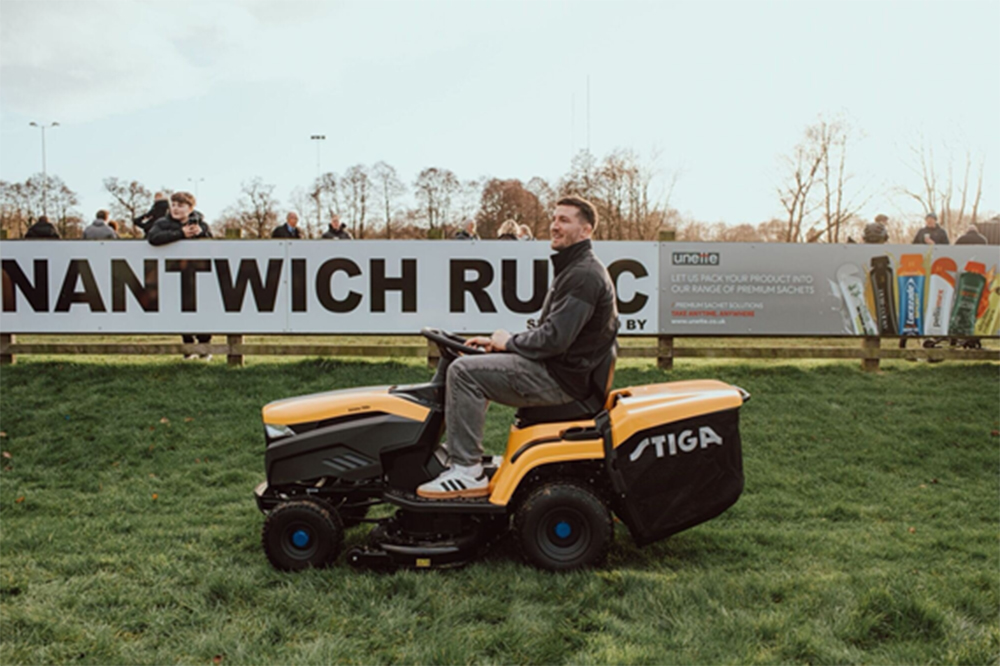
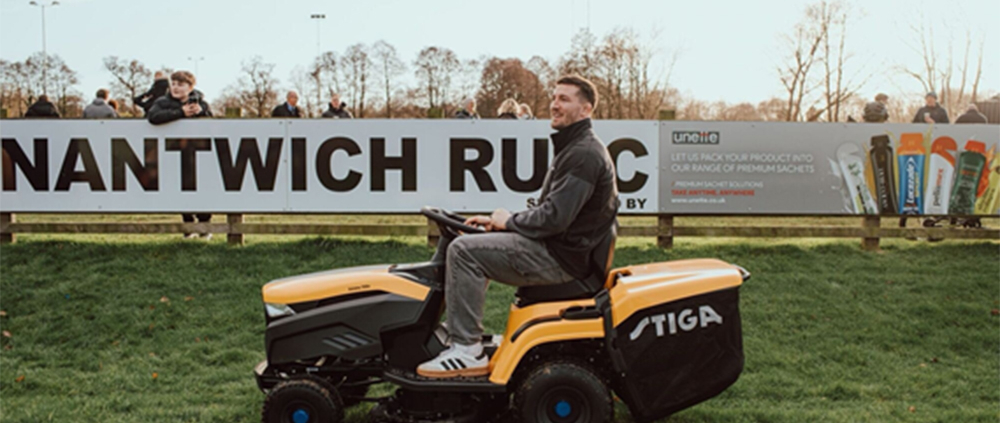
Tom Curry’s New Game with STIGA: Tom Curry has been enjoying swapping the scrum for stripes as the new brand ambassador for STIGA, one of Europe’s leading garden machinery brands. The partnership has brought together one of rugby’s most respected and powerful players with a brand renowned for performance, reliability and innovation.

Known for his relentless work rate on the pitch, Tom is now applying that same precision and dedication to creating his own “pitch-perfect lawn” at home.

Tom Curry’s New Game with STIGA

Tom Curry’s New Game with STIGA

Through the collaboration, he has been exploring STIGA’s range of advanced battery-powered and robotic mowing solutions, combining smart technology with sustainability to deliver professional-level results in the garden.

The partnership also forms part of STIGA’s wider collaboration with England Rugby, reflecting a shared commitment to supporting the game at every level, from grassroots clubs to the international stage.

Supporting Local Rugby Clubs

Great games start with great grounds. Across the country, thousands of volunteers give their time week in, week out to maintain rugby clubs. STIGA and England Rugby are working together to support these vital community hubs with time-saving, cost-effective mowing solutions that help keep pitches in peak condition.

By reducing maintenance time and lowering running costs, clubs can focus their energy on developing players, growing participation and strengthening their local communities.

15% Off for Members + Cashback for Clubs

As part of the initiative, every RFU club has its own unique STIGA discount code*. When members use their club’s code online, they receive 15% off STIGA products, and their club earns cashback from every purchase.

Funds raised can be reinvested into facilities, whether that’s improved pitch lighting, upgraded clubhouses, kitchen refurbishments or essential structural improvements. It’s a simple way for members to invest in their own gardens while giving back to the club they love.

This partnership is rooted in performance, community and long-term impact, ensuring both home lawns and rugby grounds are always match-ready.

To read more about the partnership got to: STIGA & England Rugby

Shared Values, Shared Impact

At their core, rugby and STIGA are built on the same foundations. teamwork, reliability, performance, and community. It’s this shared spirit that helps both players and gardeners grow, thrive, and make a lasting impact.

For the latest industry news visit turfmatters.co.uk/news

Get all of the big headlines, pictures, opinions and videos on stories that matter to you.

Follow us on Twitter and Instagram for fun, fresh and engaging content.

You can also find us on Facebook for more of your must-see news, features, videos and pictures from Turf Matters

BIGGA unveils new initiatives to Elevate the game of golf

BIGGA unveils new initiatives to Elevate the game of golf: The British and International Golf Greenkeepers Association (BIGGA) used its annual education conference and trade show in Harrogate to announce a series of new initiatives aimed at elevating standards across the game of golf.

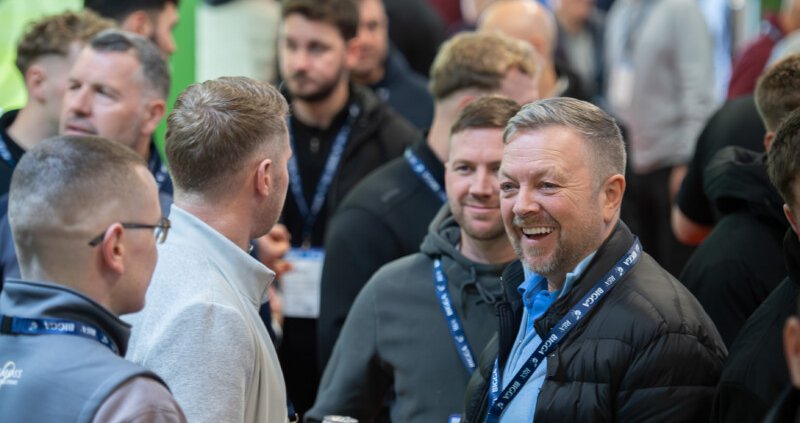
The BIGGA Turf Management Exhibition (BTME) represents the association’s ‘championship week’ and provides a platform for the industry to come together from all corners of the globe. In 2026, it also provided an opportunity to clearly articulate what BIGGA exists to do and how it intends to support the profession as it continues to evolve.

BIGGA unveils new initiatives to Elevate the game of golf

BIGGA unveils new initiatives to Elevate the game of golf

BTME once again attracted exhibitors, speakers and visitors from across the UK and overseas, reflecting the global reach of the event and its profile within the turf management industry. Across the exhibition halls, the Continue to Learn education programme and networking spaces, the week showcased innovation, collaboration and best practice throughout the sector.

Across three show days, 4,567 visitors walked through the doors of Harrogate Convention Centre, representing an 8.7% increase on last year. Visitors stayed for an average of 1.60 days, up from 1.56 in 2025.

A new strapline to underpin the association’s work was also revealed by BIGGA CEO Jim Croxton: ‘We support greenkeepers through education, recognition and community to enhance course quality and to continually elevate the game of golf.’ BTME provided a clear demonstration of that purpose in action.

“BTME is our championship week and a moment to set out, clearly and confidently, what BIGGA exists to do,” said Croxton. “Everything we do is rooted in supporting greenkeepers through better education, stronger professional communities and meaningful recognition. When we do that well, standards on the ground improve, course quality rises and the game itself benefits.”

Croxton outlined a series of developments designed to provide greater long-term support for greenkeepers. Central to that work is a restructured education and training pathway, setting out clear progression from entry level through to course management, underpinned by BIGGA’s status as a Lantra Customised Training Provider.

That accreditation allows the association to deliver bespoke, industry-specific training that is independently quality assured while remaining directly aligned to the practical realities of greenkeeping.

Alongside education, BIGGA is modernising its membership offer to better reflect the way clubs and facilities now operate. This includes the introduction of more flexible membership options, expanded welfare support, and a strengthened approach to professional recognition.

As part of that, BIGGA has reached agreement with STRI Group to manage the popular Golf Environment Awards, ensuring environmental excellence is fully integrated into its awards programme and continues to be recognised as a core component of modern course management.

“These initiatives are not standalone announcements,” Croxton added. “They form a connected programme of work that reflects where the profession is now and where it needs to go next. Our focus is on providing clear pathways, relevant support and a sense of belonging for greenkeepers at every stage of their careers.”

Education remained a cornerstone of the week through BIGGA’s Continue to Learn programme, which provided a wide-ranging schedule of learning opportunities. In total, 5,877 hours of education were delivered, with bookings up more than 7% on 2025’s record turnout.

Designed to support professional development in a modern, practical and progressive way, Continue to Learn reflects BIGGA’s wider ambition to provide a coherent education pathway that supports progression from entry level through to course management.

Recognition also played a central role, with the BIGGA Celebration once again highlighting outstanding achievement across the profession. The awards shone a light on the dedication, resilience and professionalism of greenkeeping teams and individuals, reinforcing the value of their work to clubs, facilities and the wider game.

A further highlight was BIGGA Elevates, which brought together more than 50 women from across the industry for an event focused on visibility, connection and shared experience. Engagement continued beyond the room, with more than 35 participants joining the BIGGA Elevates WhatsApp community as the initiative begins its next phase of development.

Lauren Frazer, BIGGA’s Head of Commercial and Marketing, said the response demonstrated both appetite and momentum for continued progress.

“The turnout and engagement were hugely encouraging,” she said. “We heard inspiring stories, made valuable connections and opened up important conversations. This is very much the beginning for BIGGA Elevates, and we are already working on what comes next as the initiative continues to evolve alongside the support of the wider industry.”

BTME provided a clear statement of intent from BIGGA, reinforcing a cohesive strategy that will define the association’s direction of travel in the coming years. With membership at its highest level for more than two decades, the focus is on continuing to broaden the association’s reach and its impact.

Further detail on initiatives outlined during BTME will follow in due course as the association builds on the momentum generated during another landmark week in Harrogate.

For the latest industry news visit turfmatters.co.uk/news

Get all of the big headlines, pictures, opinions and videos on stories that matter to you.

Follow us on Twitter and Instagram for fun, fresh and engaging content.

You can also find us on Facebook for more of your must-see news, features, videos and pictures from Turf Matters

Hockey: A game reborn

Hockey: A game reborn: Scott MacCallum looks at the quantum leap taken by hockey and discusses the game’s development and future with Professor Alastair Cox, one of its leading authorities.

There can be few sports which are as influenced by the surface on which it is played than hockey – that’s field hockey, not the game Wayne Gretzky played on skates.
Hockey: A game reborn

Hockey: A game reborn

Did I hear someone at the back say “Tennis”? Well yes, it’s true that tennis is a different game depending upon which surface it’s played. The difference here, however, is that if you’re a top professional and a specialist in clay, grass or hard court there is always a point in the season when your game comes into its own.

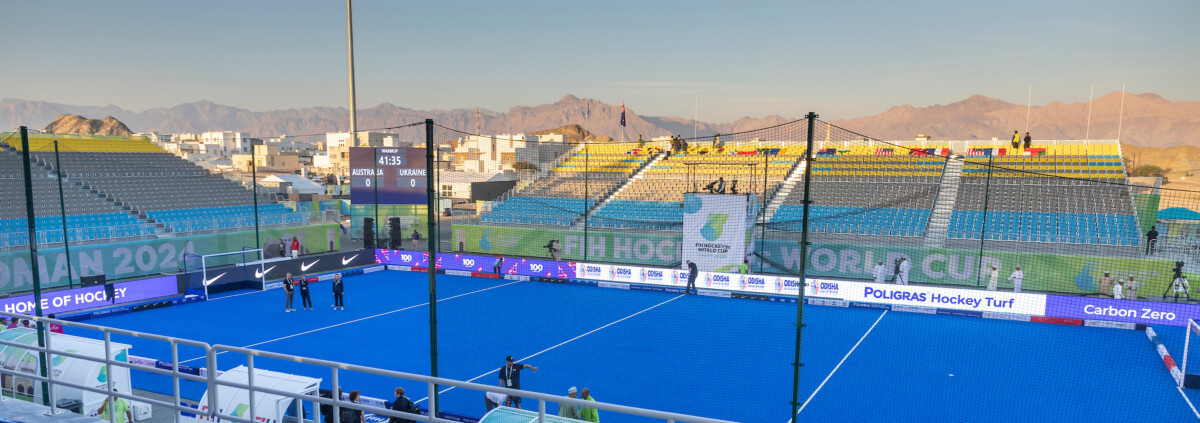
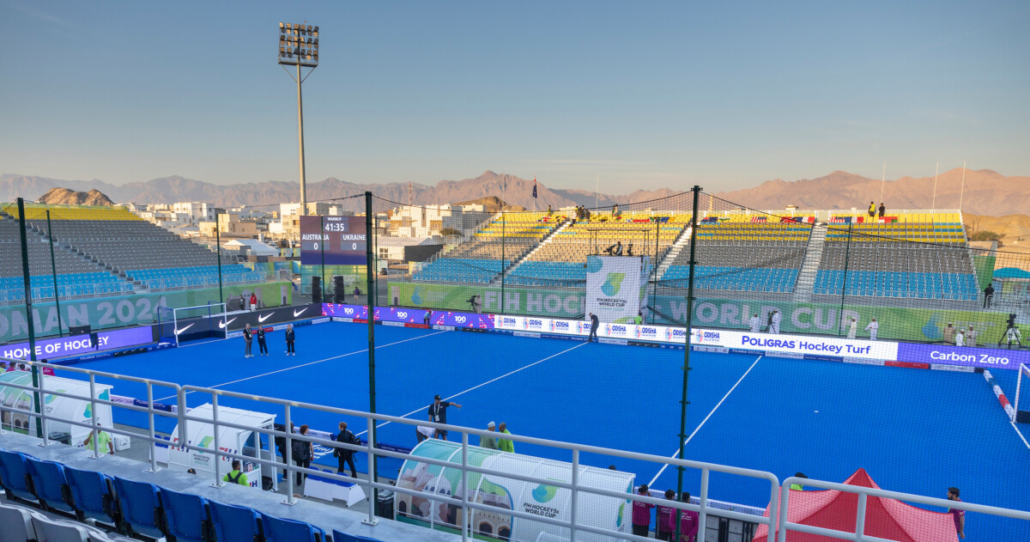
Hockey, however, made a fundamental shift in the mid-1970s which altered the game to such an extent that the previous masters of the art were reduced to virtual also rans. Until that key change – which took place following the 1976 Olympic Games when the International Hockey Federation (FIH) made artificial pitches mandatory for all major competitions – until then natural turf had been playing surface of choice and India and Pakistan were its very best exponents.

From 1928 through to 1968 every Olympics was won by either India (seven times) or Pakistan (twice). The game was a bit more aerial in those days, taking bumpy natural grass surfaces out of the equation and these guys were good at it.

It was only on home turf, literally, in Munich in 1972 that West Germany defeated Pakistan to break the stranglehold. That was the last Olympics where hockey was played on a natural surface.

In fairness, since the introduction of synthetic surfaces at Montreal in 1976, India and Pakistan each achieved one more win, but neither has even made it to a final since 1984.

The new powerhouses are Germany (four times) and the Netherlands (three times). Great Britain, Belgium, New Zealand, Argentina and Australia have each been Olympic Champions once since 1976.

It should be noted that when it comes to playing surfaces we are, of course, talking about the elite. Around the world, about 50% of hockey is still played on grass, but that percentage is much lower in wealthier nations which can afford to install synthetic pitches.

In the UK, up until the 1950s, hockey could be played out on the outfield of the cricket field but given the increasing demands to produce high-quality surfaces cricket clubs became increasingly reluctant to share facilities and such arrangements are now much rarer.

Hockey: A game reborn

Hockey: A game reborn

One man well placed to look at the evolution of the hockey pitch is Professor Alistair Cox, Facilities & Quality Programme Manager for the International Hockey Federation and Technical Director for the European Synthetic Turf Council.

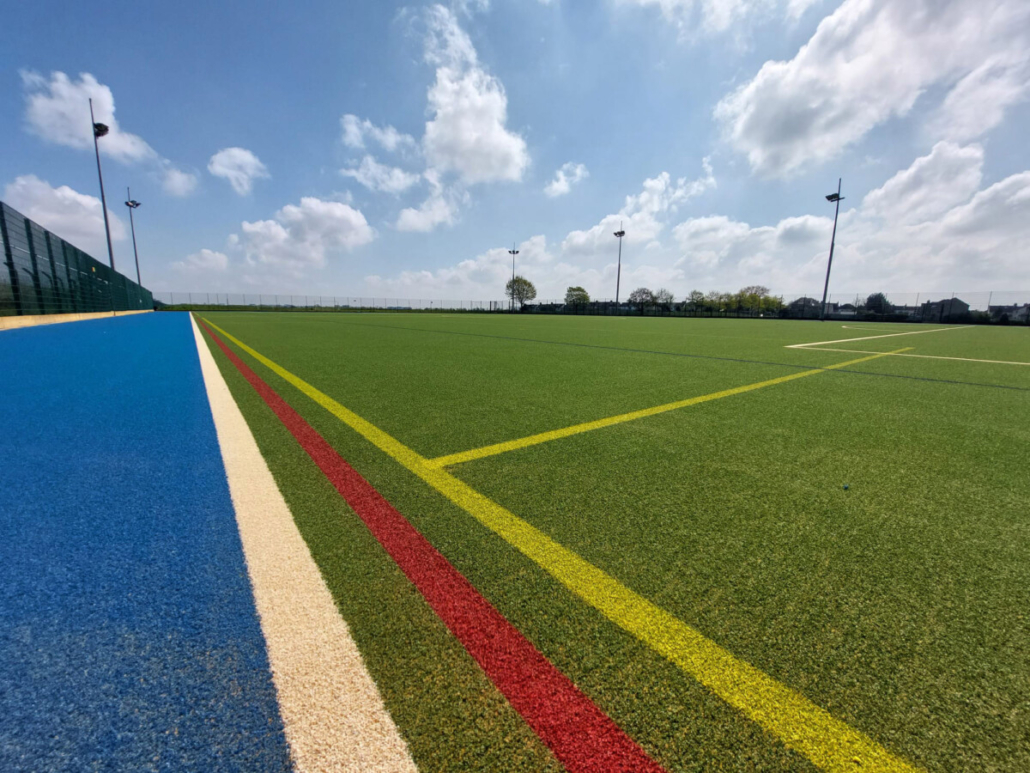
“The move to synthetic turf fundamentally changed the sport, making it a lot faster and more skillful. It’s now a totally different game to before,” said Alastair, who is also Visiting Professor – Sports Surface Innovation at Loughborough University.

“It did mean that India and Pakistan who had dominated the game through to the early 70s were negatively affected as they could not practice on the new surfaces so regularly and European nations, as well as Australia and New Zealand, have dominated.”

Fundamentally the technology within synthetic hockey pitches has evolved in terms of the materials employed and player comfort but the basic concept has not changed since those early days.

While football – soccer – has dipped its toe in the world of synthetic turf and has seen many refinements and improvements since the days of Queens Park Rangers at Loftus Road and Luton Town at Kenilworth Road back in the 1980s. Remember the giant unnatural bounces and propensity to crinkle? However, it hasn’t embraced synthetic surfaces to the same extent as its stick-wielding sporting cousins.

That said, you might have expected that hockey would have benefited from the resources and research that the biggest and most popular sport in the world could invest in pitch technology research.

That’s not exactly been the case, however.
Hockey: A game reborn

Hockey: A game reborn

“Hockey wants the ball to move as quickly as possible whereas football doesn’t want a football to roll too quickly on the surface,” explained Alastair.

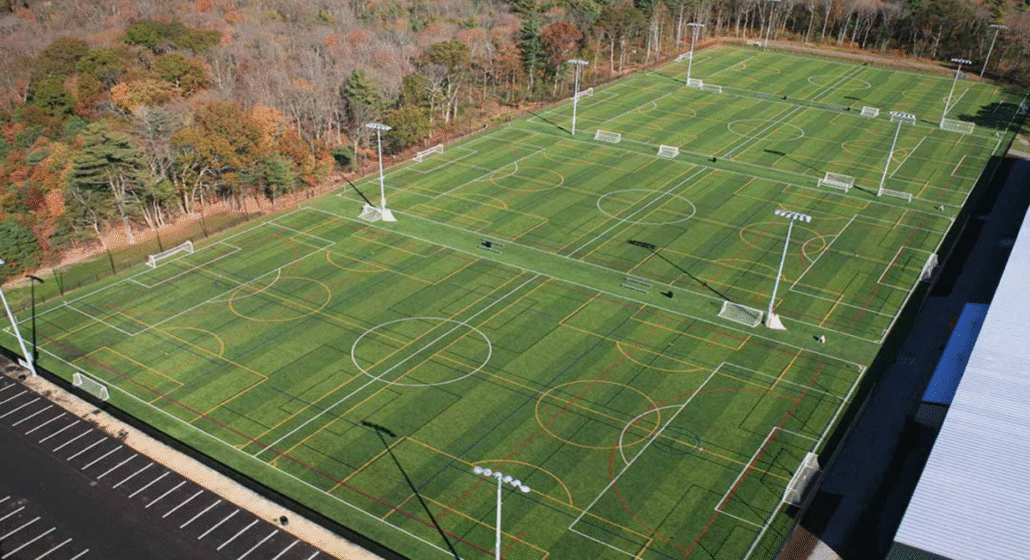
“FIFA wants its synthetic surfaces to replicate natural turf, so if you have a football field that meets the FIFA quality standards, it’s not very good for hockey, as has all the limitations of playing on a grass pitch from a hockey point of view. That’s created challenges for hockey because instead of being able to share facilities, it’s had to have bespoke pitches,” he said.

“That works where there’s enough demand, enough money, enough interest, but in many parts of the world hockey is nothing like as popular as football and the money isn’t there to fund synthetic hockey pitches,” said Alistair, who is recognised as a world leading expert in the field.

However, behind the scenes things are happening which could have a major impact on the popularity and accessibility of hockey.

“We’ve been working with FIFA over the last 18 months and developed a joint standard for dual-use football and hockey surfaces. It’s still biased towards football with the length of fibre preventing the football from rolling too quickly on the surface, but it is still short enough for hockey to be played,” he revealed.

“The fact that it is now a FIFA publication and not one from the FIH makes it a lot better for us because it’s FIFA saying this is okay for community football and you can also play hockey. If it had come purely from the FIH, few would have listened. It offers so much potential for grassroots hockey.”

The cost of a bespoke synthetic hockey pitch is out of reach for many communities, given the number of hockey players who would use it, but a shared multi-use pitch capable of hosting a range of sports including hockey would be much more attainable for many more clubs and communities.

The other major issue surrounding the game at the elite level is that of wet pitches.

“Water is becoming a scarce commodity in many parts of the world and, environmentally, putting thousands of litres onto a plastic surface is now very difficult to justify, and it doesn’t look good.

“It’s has become a barrier to people wishing to invest in the sport in parts of the world where water is scarce. That means potentially we wouldn’t be considered a true global sport, so we have set a strategy to encourage the turf industry to develop better surfaces that can be used without water,” revealed Alastair.

“They’re probably not going to replicate fully a wet turf, but if they have enhanced performance compared to what they have been producing until now, the differences may be minimal.”

One of those issues is the ability to drag flick, some you see at penalty corners, and one of the most exciting elements of the game. “The water acts as a lubricant allowing the stick to glide across the surface. You cannot do that so well on current surfaces when they are fully dry.

“On the new surfaces, it’s sort of halfway between the two. The ball is not bobbling around on the surface as much as you see on a sand dressed or sand filled turf so that aids the control to play in a more technically skillful way. We are sure the game will develop and adapt,” he explained.
Hockey: A game reborn

Hockey: A game reborn

“As the environmental agenda becomes more relevant, players see the need, but it’s going to be challenging. If you’re an elite player and you have only played and trained on a wet turf for the last five ten years of your hockey career suddenly being told go and play on something very different will take time to adjust.”

A number of installations in the UK are embracing these new surfaces, including St Andrews University that has recently installed a dry turf pitch, with one of the reasons being the use of vast amounts of water on the pitch does not fit with their sustainability ethos. “I also would suggest that the number of dry days during the hockey season in St Andrews are going to be fairly limited and these new surfaces hold the water. So when it rains, it stays in the carpet.

“What we’re finding is some of the more elite clubs in Europe that have invested in these new surfaces, they will water the fields at the weekend for the first team and then not water them at all during the week for training, community and the juniors.

The other issue of dry pitches in hot climates is that the surface temperature of the pitches and heat stress. Major tournaments tend to be played during the summer when conditions are dry and often hot.

“That’s a dilemma. Do we do what is good for the environment and potentially compromise players welfare or do we say, actually, these are the most important events in hockey and we may think that wet turf is the solution for now?

“It’s a bit of a paradox that the countries that need the dry turf because they haven’t got the water are the countries that have the issues with the temperature.

“These are all the things that have been discussed within the FIH, while we also have to be mindful of the host committees’ environmental agendas,” he added.

Speaking with Alastair, and delving into the world of hockey pitch development, revealed a host of issues but more than that, an understanding that the work going on to ensure the best possible solution is well advanced.

The Grass Seed That Changed the Game

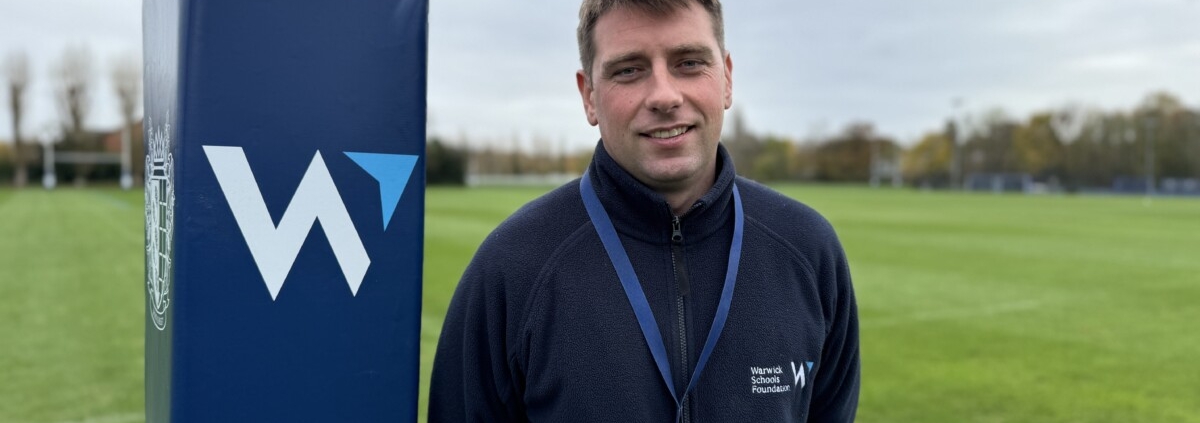
The Grass Seed That Changed the Game: Managing the expansive grounds of Warwick Schools Foundation requires precision and dedication, and Grounds Manager Duncan Toon relies on trusted solutions to meet these demands.

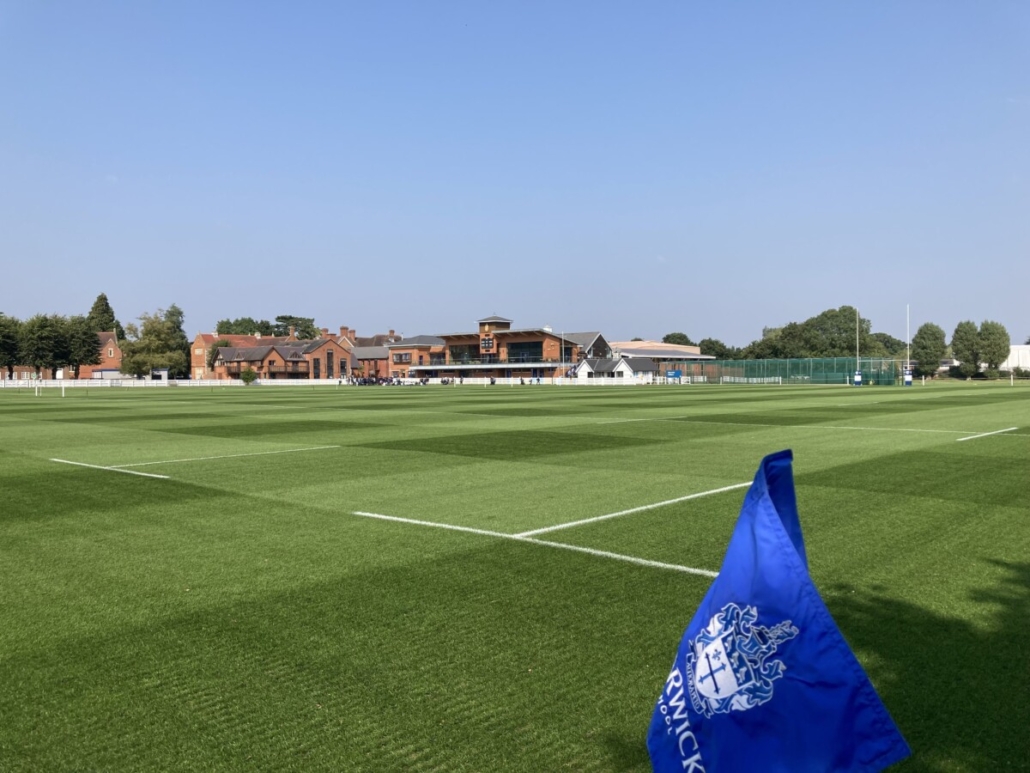
Recently, he found that MM Tetra Sport grass seed has become an essential part of his maintenance toolkit; ensuring top tier playing conditions for the schools’ varied sports facilities.

The Grass Seed That Changed the Game

The Grass Seed That Changed the Game

Duncan has overseen the grounds for just over six years, looking after Warwick Preparatory School, Warwick Junior School, The Kingsley School, King’s High School, and Warwick Senior School. These sites cover eight hectares of natural grass, a 3G pitch, two hockey pitches (with plans for a third), eight netball/tennis courts, three cricket squares, and various other sports surfaces.

He has long relied on high-quality grass seed mixes – particularly MM50 and MM60 – which he praises for their consistency and strong performance. However, a recent shift in his approach has led to the adoption of MM Tetra Sport – a mixture by MM Seed that has quickly become his go-to choice.

“I’ve always been a big fan and a long-term user of MM50 and MM60 grass seed”, Duncan shares. “However, more recently, I started using Tetra Sport by MM Seed because I was interested in the fact that tetraploids have deeper roots.” The MM Tetra Sport mixture, consisting of Tetraploid Ryegrasses, is designed for overseeding high-quality sports fields and caught Duncan’s attention for its many benefits – including strong root growth and enhanced drought tolerance.

Duncan first applied MM Tetra Sport to the main rugby pitches after an extensive renovation process: “We sprayed off the main rugby pitches, heavily fraise mowed, and removed most of the organic matter from the surface. We then seeded at 50g per square metre with the Tetra Sport”, he explains. “The seed germinated within four days, even though only one of the pitches had automated irrigation. On the pitch without automated irrigation, we used travelling sprinklers, but we still achieved the same germination.”

The results exceeded Duncan’s expectations: “I was really surprised because after about four weeks, we had a root down to about four inches, and I was really impressed with that. The vigour of the sward is incredible. Even when all the fixtures have taken place over the weekend, I come in on a Monday and the pitches still look immaculate.”

Duncan credits the success of MM Tetra Sport to recommendations from both Matt Gresty of MM Seed and Mark Allen of Agrovista Amenity. Reflecting on the qualities of the mixture, Duncan said “it became apparent that the Tetra Sport seed had everything I was looking for: good, deep rooting, drought tolerance, and a hardier look. It stands up very well to extreme weather conditions.”

He has since expanded the use of MM Tetra Sport across multiple pitches: “We’ve overseeded the middle of four heavily used pitches, and again, we had fast germination – even in colder temperatures. With the dry weather we’ve experienced recently, we still saw germination very quickly. The stand-up and vigour are impressive, and you can just see it standing strong.”

The Grass Seed That Changed the Game

The Grass Seed That Changed the Game

Maintaining a large and busy site means that time efficiency is critical for Duncan and his team. One of the key advantages of MM Tetra Sport is its drought tolerance, which reduces the need for frequent watering – an essential benefit for areas without automated irrigation systems. “Running travelling sprinklers takes a lot of time, and our schedule is very tight for watering,” Duncan explains. “If we can have a drought-tolerant plant that aligns with our schedule, it saves us a lot of time.”

Duncan now makes it a routine to overseed with MM Tetra Sport during half-term breaks. “MM50 and MM60 have always been reliable for me, but Tetra Sport has taken these particular sites to another level”, he adds.

His relationship with MM Seed and Agrovista Amenity has also played a crucial role: “I get very good support from both Matt Gresty and Mark Allen. Their guidance directs me in the right way, and it really helps,” he says.

For Duncan, the ultimate reward is more than just aesthetic appeal: “Presentation is key, but for me, it’s not just about how it looks; the best thing is to see a high-end game of sport played on a pitch performing to the best of its ability because we’ve produced a good surface.”

With MM Tetra Sport now firmly integrated into his maintenance regime, Duncan is confident that he has found the ideal solution for maintaining the exceptional standards of Warwick Schools Foundation.

For further information, please contact MM Sports Seed on 01386 791102 or visit the company’s website www.mm-seeds.co.uk.

You can also follow the company on Twitter/X: @MM_Seed.

For the latest industry news visit turfmatters.co.uk/news

Get all of the big headlines, pictures, opinions and videos on stories that matter to you.

Follow us on Twitter and Instagram for fun, fresh and engaging content.

You can also find us on Facebook for more of your must-see news, features, videos and pictures from Turf Matters.

Boost your game with Toro at the Game Fair

Boost your game with Toro at the Game Fair: Machinery distributor Reesink UK is bringing a selection of revolutionary Toro machinery to The Game Fair for the first time.

One thing Reesink knows for sure is that landowners need machinery they can rely on to make their workload easier and more efficient.

Boost your game with Toro at the Game Fair

Boost your game with Toro at the Game Fair

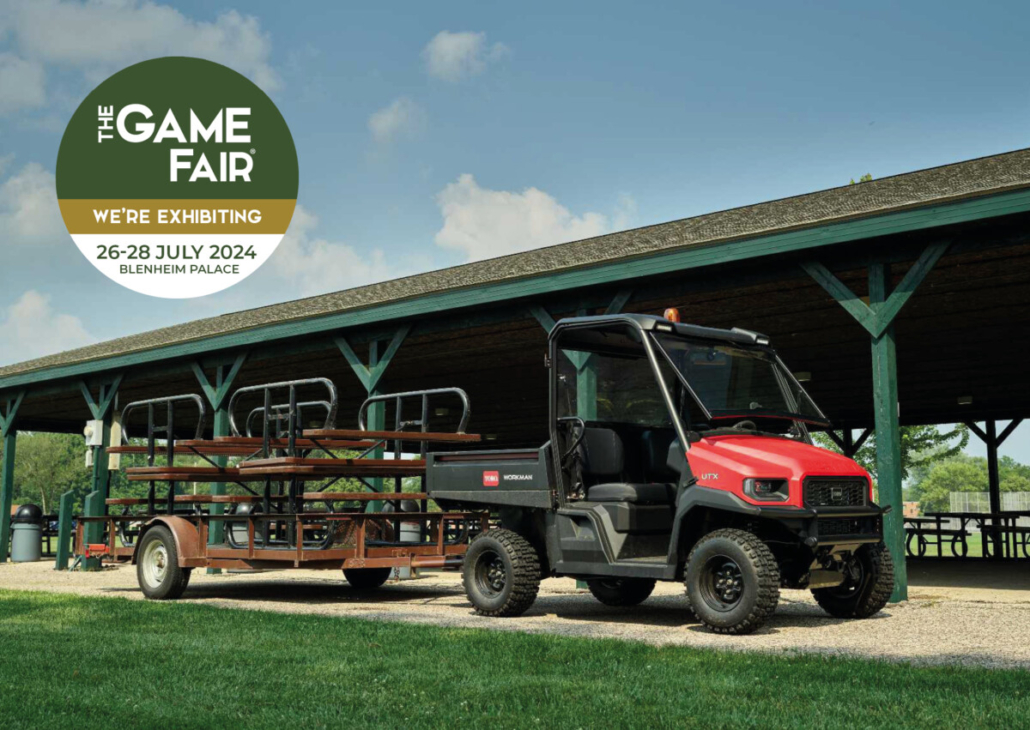
That’s why Reesink is bringing a choice of versatile, convenient machinery including the Workman UTX utility vehicles and a powerful, multi-purpose Groundsmaster 3300 mower, all from Toro.

David Timms, Reesink’s National Accounts Manager, says: “Decent machinery that is formulated to handle those heavy-duty tasks effectively, can help landowners to keep on top of estate maintenance with ease, while cutting costs.

“It is important to have the right equipment for the job, and just as quality is a consideration when choosing a car, it’s equally as important when it comes to the machinery used to sustain and upkeep grounds. It’s with good reason that Toro is widely known for their quality when it comes to machinery.”

The Toro Workman UTX 4×4 utility vehicle – available in both two and four seat options – is built to tackle all terrains and with 25 percent more cargo capacity than that of others in its class and a towing capacity of up to 2000lbs, it delivers the ultimate productivity.

It guarantees the right speed and power for the job in hand, meaning customers can choose between lower RPMs for lower fuel consumption and sound near the house, or higher RPMs for more power to transport a heavier load up any inclines.

The Toro Groundsmaster 3300 and its innovative flail attachment delivers year-round productivity and multiple cutting options. It copes easily with longer, coarser, dry or wet grass, and when paired with the fine-cut flail attachment option, cuts two ways. It’s this sort of innovation from Toro that guarantees the kind of productivity customers today demand.

Toro is a firm favourite with National Trust properties, private schools, colleges and universities and sports venues, but that doesn’t price it out of the market for today’s homeowner. Come and see at The Game Fair on 26–28 July on stand FBJ.

For the latest industry news visit turfmatters.co.uk/news

Get all of the big headlines, pictures, opinions and videos on stories that matter to you.

Follow us on Twitter and Instagram for fun, fresh and engaging content.

You can also find us on Facebook for more of your must-see news, features, videos and pictures from Turf Matters.