
Tag Archive for: Winter

Win at winter maintenance

Win at winter maintenance: With the winter season upon us, it’s important to keep golf course machinery up to scratch and capable of dealing with the challenges colder weather brings.

With Royal Norwich Golf Club’s new course in its first winter, estates manager Peter Todd, with 30 years of experience in the industry, explains why winter maintenance is so important.

Win at winter maintenance

“Golf is now very much a sport which is played 365 days a year,” he says. “It used to be that winter would signal a break in the level of activity, but more and more golfers want to enjoy golfing throughout the year and make the most of their membership. And their expectations of the course don’t change just because the weather has.

“In order to keep standards high, you have to keep your machinery in top notch condition and paying attention to parts maintenance is your first point of call in order to do that.”

It’s well known that the winter season provides many challenges for greenkeepers. For one, cutting turf in wet conditions makes it more difficult to get a perfect finish. So, sharpening cutting unit blades in winter is essential, says Peter.

“With wet grass and the increase in earthworm castings in the autumn and winter, it becomes more difficult to keep blades sharp,” he says. “Although you need to make sure your blades are sharp throughout the year to keep quality consistent, the winter season brings that more into focus. Plus, not cutting cleanly will increase the risk and spread of disease in your turf – so that’s an added reason to ensure the proper maintenance of your machinery parts in the winter.”

With a blade for all seasons, choosing Toro guarantees not only a perfect fit but one carefully crafted to suit specific turf needs. For example, the ‘Atomic’ blades are what’s best later in winter, perfect for mulching up leaves or for use with a recycling deck to mulch the grass.

The cold weather can also have an effect on machinery starting systems, says Peter. “Engines will take longer to start up in the cold and checking batteries and electrics, changing the oil and cleaning blocked air filters will save you time in the long run. Switching to new tyres to ensure you have improved grip in the face of unforgiving ground conditions as well as keeping a stock of replacement parts will ensure productivity remains high.”

However, just as preparing the turf for winter is a year-round endeavour similarly so is machinery maintenance says Peter. “There is a tendency to push the majority of machinery maintenance into the off season when there are fewer jobs to do around the course and cutting frequency has decreased, and while it does provide the time to do the machine’s ‘MOT’ if you like and a full service and deep clean, you’ll never regret paying attention to your machinery and parts maintenance throughout the year.”

Peter concludes: “Keeping on top of general maintenance ensures your machines are in the best possible condition. It can be tempting to cut corners when it comes to preventative service work, but breakdowns and downtime are more expensive and well-maintained kit tends to be trouble-free. In an ideal world maintenance should always be done as per the machinery manufacturer’s instructions in order to keep standards high.”

To stock up on Toro Parts or for winter machinery maintenance advice, customers can get in touch with their local genuine Toro parts dealer or service centre or contact Reesink via reesinkturfcare.co.uk

For the latest industry news visit turfmatters.co.uk/news

Get all of the big headlines, pictures, opinions and videos on stories that matter to you.

Follow us on Twitter and Instagram for fun, fresh and engaging content.

You can also find us on Facebook for more of your must-see news, features, videos and pictures from Turf Matters.
Getting turf through winter

Getting turf through winter: Geoff Fenn, of Advanced Grass Solutions, helps you navigate the trials and tribulations of the winter months.

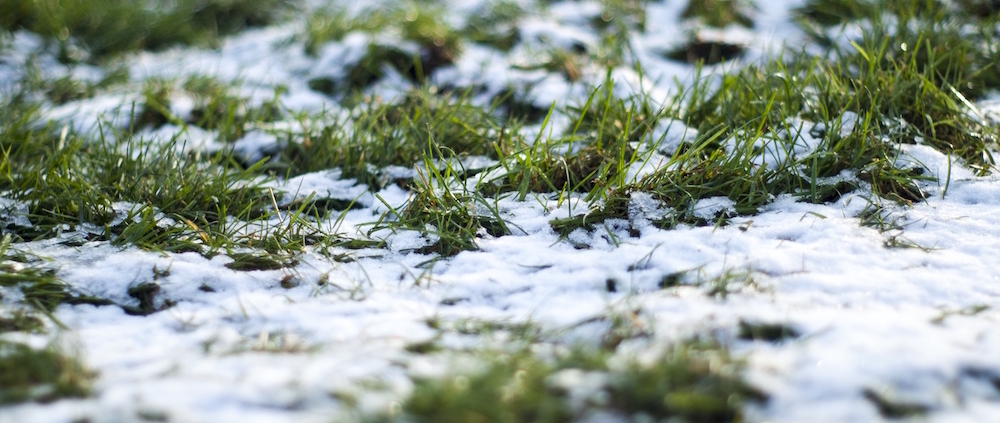
Autumn and winter are tough for turf. Low light, cold temperatures, poor weather and regular play mean plants can become stressed, weakened and susceptible to disease. What can we do as Turf Managers to maintain quality through a long winter?

Getting turf through winter

With the reduction in availability (and lower curative abilities) of amenity fungicides, putting together an Integrated Pest Management (IPM) plan can help reduce disease outbreaks on your site.

Firstly, do not underestimate the importance of correct nutrition. Understand the growth requirements of your surface and make sure nitrogen inputs will produce the exact level of growth you require. In winter sports with high wear you need a higher level of growth for recovery from divots and scars – monitor your growth rate by measuring clipping yield and change inputs to match the growth your site requires. Do not overfeed, do not underfeed – easier said than done but it’s crucial to get the plant in a healthy state with good carbohydrate reserves going into cold weather.

Pay close attention to the source of nitrogen you use – colder weather requires nitrogen with an ammoniacal or nitrate source as these are instantly available. Urea/methylene urea requires some warmth for bacteria to convert it into a plant-available form.

Everything nutritionally should be balanced – beware of the consequences of over-applying anything – excess nutrition can cause plant stresses that reduce health and bring on disease. Soil health can also be adversely affected by too much iron, sulphur and many other compounds used to the detriment of beneficial soil biology. Try to use products that declare exactly what’s in them so you know what effects these can have both short and long-term.

Try to set aside small trial areas to test if products and practices are genuinely having a beneficial effect on your site. Don’t believe all the hype or claims of products until you have seen good research or proved to yourself they have a benefit to you.

There are times when disease pressure simply overwhelms all the good factors we encourage in our turf and outbreaks happen anyway, but by getting as many things as ‘correct’ as we can, disease can be limited to a level that you may find ‘acceptable’.

What are some of the factors we can use/influence to reduce disease?

• Thatch Control – Reduce the home of pathi
• Nutrition – Get the balance right
• Airflow – Increase airflow around each plant
• Shade – Reduce shade and increase light
• pH – slightly acidic soil and leaf surface will reduce disease
• Dew/Moisture – reduce leaf wetness to prevent infection
• Drainage – keep surfaces firm and dry
• Grass Species – the right species for the right site
• Soil biological management – control thatch and diseases and improve health
• Fungicides – understand active ingredients and when they work best.

Each individual control method may not add up to a significant difference in disease levels but getting many of the pieces in the puzzle lined up correctly, we can reduce fungicide use and reduce disease activity.

Disease spores can live in thatch layers and when conditions are suitable, they will spread and attack the plant. Reduce thatch to minimal levels and you reduce the amount of disease spores. Try to encourage a healthy, balanced microbial population in your soil by adding high quality carbon-rich organic fertilisers and reducing chemical inputs to as low as possible.

This will then ensure natural thatch breakdown by soil microbes is maximised, leading to less invasive thatch removal practices to achieve the desired results.

Encouraging beneficial biology helps create a ‘suppressive soil’ that reduces pathogen populations leading to lessaggressive disease outbreaks. Biology alone cannot stop disease, but it can massively help reduce its impact. An unhealthy anaerobic soil with black layer

SHADE & AIRFLOW

Trees, buildings or spectator stands surrounding your turf cast shade and limit the energy a plant can produce for itself. Plants convert light energy into ‘plant-available’ energy such as sugars and carbohydrates. By cutting off sunlight you are cutting off the potential energy available for each plant and weakening it.

Think of grass plant leaves like mini solar panels – without sufficient sunlight they cannot produce enough energy to keep a healthy plant alive.

Removal of trees you will often also allow better airflow around the plant. This can be just enough to keep the leaf a little bit drier which can reduce disease. Leaf moisture is a key element for Microdochium development.

Apps such as Sun Seeker show the path of the sun and just how little sunlight turf often receives.

The public perception is planting trees is a great idea and removing trees is some form of ‘environmental vandalism’. The truth is sportsturf and trees really are not happy bedfellows. Grass is naturally adapted to open spaces with plenty of light, not shady areas under trees.

There are so many ways of managing turf and no one single correct method. Manage all the elements as best you can on your site is all you can do. You may still get stress and disease – but it will be much less than it could have been.

DLF’s Wildflower And Winter Mixtures

DLF’s Wildflower And Winter Mixtures: Sports, Lawn and Wildflower seed will all be under the spotlight as DLF Seeds return to SALTEX.

The technical team will be on hand to provide mixture advice across the Johnsons Sports Seed and Masterline ranges, but also, visitors to stand J100 will have the chance to win innovative tools for effective on-the-spot overseeding, worth over £600!

DLF's Wildflower And Winter Mixtures

With sustainability and ecology still very much on the agenda for golf courses and those managing green spaces, the DLF Pro Flora wildflower range has been extended with the addition of 3 Colour Boost mixtures. Designed to deliver maximum colour, diversity and interest, the Colour Boost collection incorporates native wildflowers and garden flowering species to deliver a dazzling floral display throughout the year, whilst providing welcome food and shelter for a variety of wildlife.

With winter approaching, the importance of regular overseeding cannot be over-emphasised – essential for sward development, overseeding improves turf quality and can reduce maintenance costs over the long term. DLF’s new turf type tetraploids are ideal for winter overseeding, bred for rapid germination and establishment even under low soil temperatures. These 4Turf tetraploids develop a stronger and deeper rooting system which also improves the efficiency in which nutrients, including Nitrogen, are utilised. Incorporated into Johnsons Sports Seed mixtures including J 4Turf and J Rescue Stadia, the qualities of 4Turf make it suitable for autumn/winter programmes for football, rugby, golf tees, polo and racecourses.

To help make the overseeding process more efficient and effective, DLF have teamed up with ForthRoots to give visitors to SALTEX the chance to win both the new RyeSeeder and MultiTool. For precision overseeding, the RyeSeeder features interchangeable tine options that are designed to fit perfectly into the scars left following matches or training, to create the perfect bed for placement of recovery seeding. With double the tines, the ForthRoots MultiTool is ideal for larger areas – eliminating the need for tractor mounted-overseeding during the playing season.

For the latest industry news visit turfmatters.co.uk/news

Get all of the big headlines, pictures, opinions and videos on stories that matter to you.

Follow us on Twitter and Instagram for fun, fresh and engaging content.

You can also find us on Facebook for more of your must-see news, features, videos and pictures from Turf Matters.
Barenbrug’s New Winter Sports Blend

Barenbrug’s New Winter Sports Blend: Elite Sport from Barenbrug is the new number one rated Winter Sports blend. The top-performing product blends perennial ryegrasses for the renovation and construction of winter sports pitches.

Cultivar trials at the Sports Turf Research Institute (STRI) under the British Society of Plant Breeders (BSPB) protocol analyse the performance of sports perennial ryegrasses under intensive wear pressure in line with a winter sports season.  The trial plots are sown in spring, and a “wear simulation machine” is applied from autumn through to the following spring.  Individual cultivars are replicated three times and scored for traits such as Visual Merit; Live Ground Cover; Shoot Density and Recovery; each scored on a scale of 1-9 (9 is highest).

Barenbrug's New Winter Sports Blend

A ryegrass cultivar must be subjected to three successive wear trials (sports seasons) to be listed in Table S1 of the annual publication “Turfgrass Seed” (aka “the STRI/BSPB booklet”).  Table S1 represents a ranking of Mean scores (the combined average of Visual Merit and Live Ground Cover) of approximately 100 perennial ryegrass varieties.

Elite Sport features four of the top-six cultivars in the S1 table and contains 40% by composition of the new #1-ranked Europitch (Mean = 8.1).  Overall, the product blend has an outstanding Mean score of 7.92.  This score translates into Elite Sport being the industry-leading performing product for winter sports use in the UK.

In addition to performance underwear, the blend has other traits of interest to grounds managers of elite winter sports surfaces.  Barcristalla (25% of the mix) is ranked #1 in the top-60 listed varieties for dark green colour and has exceptional Drechslera leaf spot and Fusarium (Microdochium) tolerance (source: turfgrass-list.org).  These two factors are particularly important to stadium environments under intensive disease pressure and the scrutiny of high-definition TV cameras.

Three of the four varieties have also been put their paces at Barenbrug’s dedicated UK research station, Cropvale, in Worcestershire.  Here, wear simulation is monitored using Digital Image Analysis (DIA) to objectively analyse performance.

Elite Sport is being successfully tested in pilot form at Heart of Midlothian FC, following a full pitch reconstruction in the summer of 2018.

For the latest industry news visit turfmatters.co.uk/news

Get all of the big headlines, pictures, opinions and videos on stories that matter to you.

Follow us on Twitter for fun, fresh and engaging content.

You can also find us on Facebook for more of your must-see news, features, videos and pictures from Turf Matters.

Makita Warms To Winter Fashion

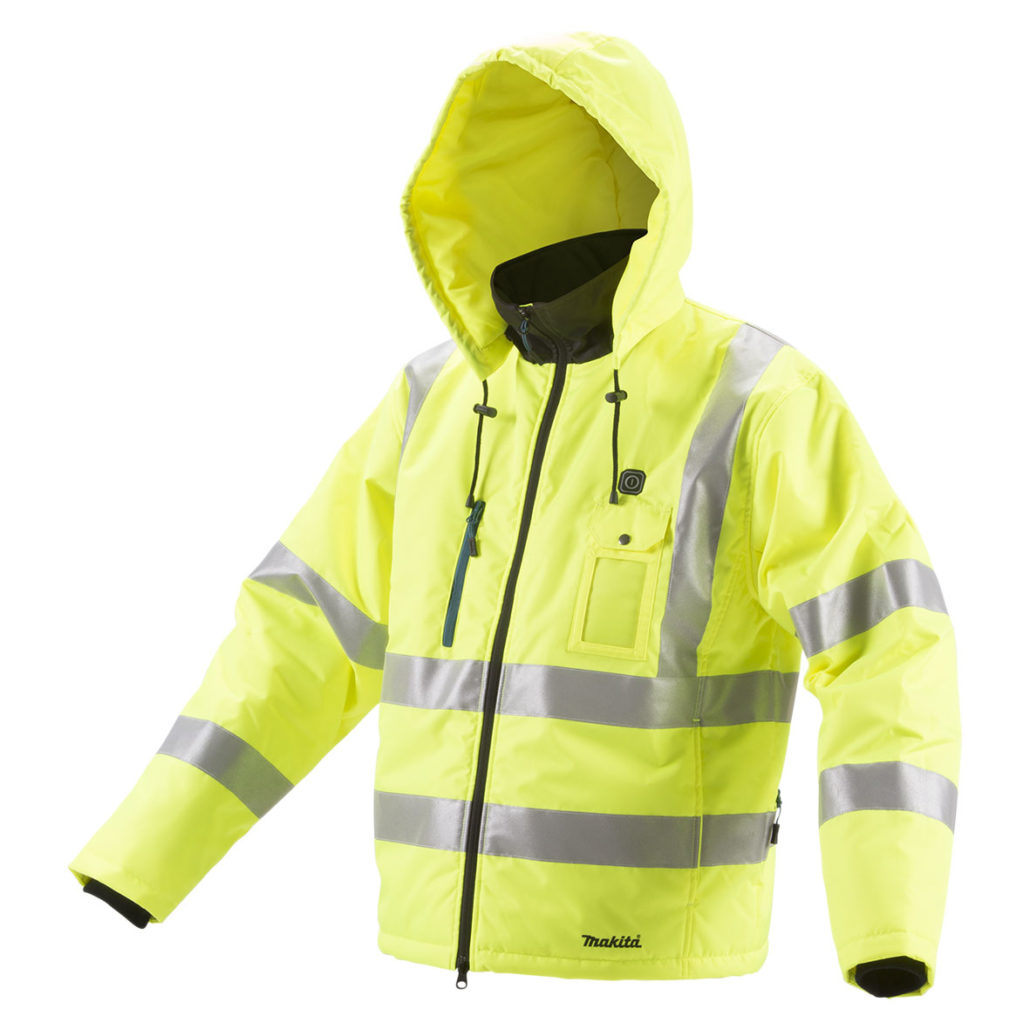
Makita Warms To Winter Fashion: Makita UK has added new, high visibility, Heated Jackets to the LXT and CXT ranges to help keep construction workers comfortable on site, for longer.  Construction sites can be cold and bleak in wintertime and these jackets and vests will provide a new level of comfort and protection.

Powered by Makita’s Lithium-Ion batteries, which many site tradesmen will already own with their Makita power tools, the DCJ206Z LXT Jacket, compatible with 14.4V and 18V LXT batteries only, will run in Hi, Medium and Lo heat settings providing up to 35 continuous hours of comfort when powered by a Makita 18V 6.0Ah Lithium-Ion battery.  The jacket features five heat zones, two on the chest and three in the back, which are controlled by an on/off selector with LED indicator conveniently positioned on the chest.  An external transparent chest pocket perfectly protects essential ID cards from the elements.

Makita Warms To Winter Fashion

Complete with battery adaptor, the heated jackets are made of robust and durable fluorescent yellow polyester with reflective silver lines, are washable when detached from the battery, have a removable zipper hood and are cosily fleece lined.  The 2-way front zipper opens from top and bottom.  The DCJ206Z hi-vis jacket, weighing a comfortable 1.2kg, is designed to meet ISO20471, and many other recognised standards, for use on roads and construction sites.

The CJ106DZ Heated CXT Jacket is compatible with 10.8V and 12Vmax CXT batteries only and offers the same high quality and outstanding design features as the LXT models, weighing a comfortable 1.1kg, and provides a run time of up to 14 hours when powered by a 4.0Ah Makita CXT battery.  These body only items are available in M/L/XL/2XL and 3XL sizes and come with their own CXT version of the adaptor.

Of course, these smart and protective clothing items can justifiably be worn around a rugby or football pitch, while lakeside fishing or for gentle winter strolls in the countryside.

For more news and product information about Makita UK please visit www.makitauk.com.  Follow us on Twitter @MakitaUK, Facebook.com/makitauk and google.com/+makitauk

For the latest industry news visit turfmatters.co.uk/news

Get all of the big headlines, pictures, opinions and videos on stories that matter to you.

Follow us on Twitter for fun, fresh and engaging content.

You can also find us on Facebook for more of your must-see news, features, videos and pictures from Turf Matters.