The industry faces a challenge efficiency alone can't solve

The industry faces a challenge efficiency alone can’t solve

The industry faces a challenge efficiency alone can’t solve

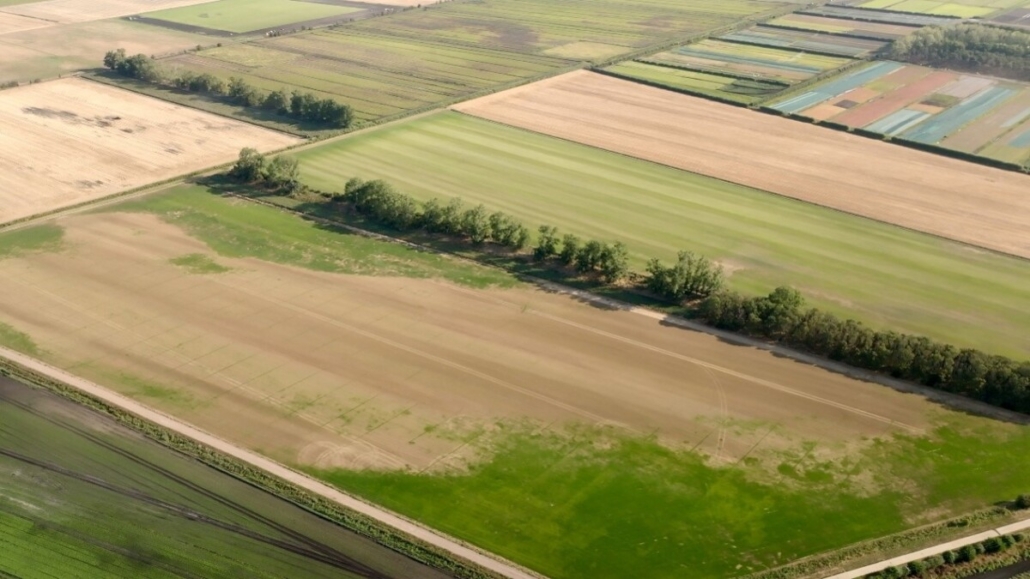
The turf industry of today is almost unrecognisable from the one operating at the turn of the century.
The industry faces a challenge efficiency alone can't solve

The industry faces a challenge efficiency alone can’t solve

Harvesting that once required turf to be stacked by hand can now be highly automated. Modern machinery operates with far greater precision. GPS technology reduces unnecessary overlap. Irrigation can be informed by real-time weather and soil-moisture data, while soil testing and variable-rate spreading allow fertiliser to be applied according to actual crop requirements.

For more than 25 years, turf growers have invested, innovated and become significantly more efficient.

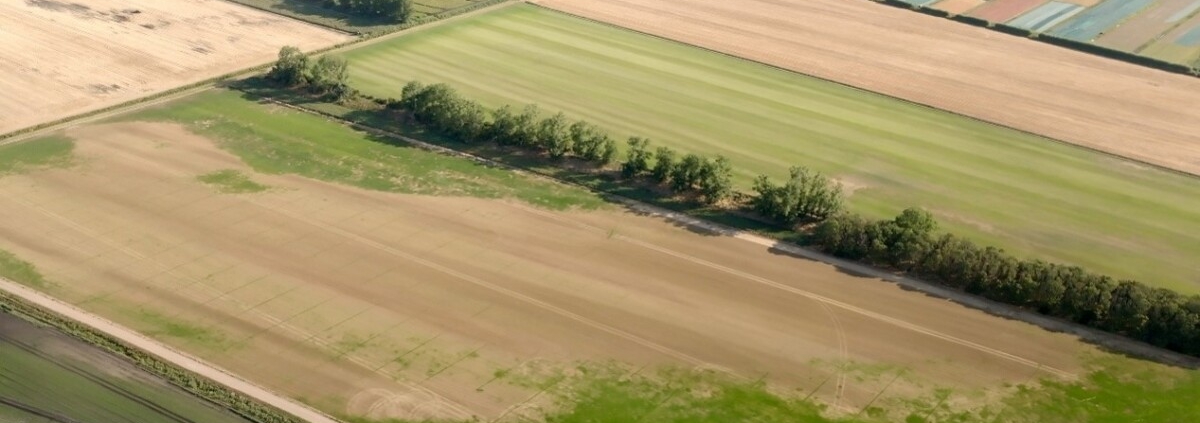
But the extreme growing conditions experienced during 2026 have exposed an uncomfortable reality. There are some challenges that greater efficiency alone cannot solve.

And as increasingly volatile weather changes the conditions in which turf is grown, we believe the next phase of innovation will increasingly be about something else: resilience.

25 years of increasing efficiency

The turf industry has not stood still. Advances in tractors and harvesting equipment have increased productivity and reduced many of the physical demands once placed on farm teams. Irrigation technology has evolved considerably.

At Harrowden, Raindancer technology is used on irrigation reels to control the timing and application of water more accurately. Sencrop weather stations, forecasts and soil-moisture probes help our teams understand when irrigation is actually required.

Soil testing and variable-rate spreading mean fertiliser can be applied according to crop requirements rather than treating every area in exactly the same way.

These developments have enabled growers to make increasingly intelligent use of water, fertiliser, fuel, machinery and people. So improving consistency and reducing unnecessary inputs and waste.

But there is another important consideration too. Modern turf production cannot simply respond to more challenging conditions by continually applying more water, more fertiliser or more inputs.

Growers have a responsibility to farm efficiently and responsibly. We must use resources according to what crops genuinely need and reduce unnecessary inputs wherever possible.

That means the challenge facing the industry is no longer simply how to produce more with less.

Increasingly, it is how to remain productive when some of the resources growers depend upon become less predictable.

When efficiency meets its limits

Water provides perhaps the clearest example. Turf farms can be equipped to irrigate crops on a rotational cycle across large growing areas. In normal conditions, that allows available water and equipment to be moved efficiently between fields.

But during prolonged periods of extreme heat and drought, the frequency with which crops require water can increase dramatically. A system capable of working across a farm on approximately a ten-day irrigation cycle may face conditions in which turf requires water every few days.

Building sufficient infrastructure to meet that level of peak demand across an entire farm would require enormous investment for conditions that may occur for only part of the year.

And infrastructure is only one side of the equation. Even with additional pumping and irrigation capacity, growers cannot apply water that simply isn’t available.

Access can be a challenge too. On farms which use ditch networks to move irrigation water around the site, falling water levels can make it considerably more difficult to get water to particular growing areas, requiring additional pipes, transfers and water management.

High temperatures can increase water demand at the same time as evaporation increases and available water resources come under greater pressure.

Analysis provided to Harrowden by MapleSky’s environmental data scientist Dr Tim Farewell shows the time between the start and end dates of the theoretical thermal growing season in Eastern England has increased by approximately seven days per decade.

It demonstrates the limit of even increasingly sophisticated technology: efficiency can help growers make the best possible use of a resource, but it cannot create more of that resource.

2026 – an exceptional year, or a sign of what’s ahead?

This is where the experience of 2026 becomes particularly important. The exceptionally hot and dry conditions experienced this summer placed significant pressure on turf production across the UK, but longer-term climate data suggests growers need to think beyond one difficult summer.

Average growing seasons have increased from around 222 days in the 1980s to approximately 244 days during the 2020s.

On paper, that sounds positive.

The reality on the ground is more complicated.

Over the same period, average summer temperatures have increased, spring and summer rainfall have fallen and the number of days experiencing significant summer soil-moisture deficits has risen considerably. Winters, meanwhile, have become wetter.

For turf growers, that creates a contradiction. Temperature is only one part of successful turf production. Soil conditions, water availability, machinery, labour and suitable access to the land all need to come together at the right time.

So while temperatures may theoretically allow grass to grow for longer, the windows in which conditions are actually suitable for successfully establishing and producing a crop can become harder to predict.

Dr Farewell said: “The UK climate is changing to one with an earlier start, and later end, of the theoretical grass growing season. But this does not necessarily mean easier growing conditions. With springs and summers both becoming much hotter and drier, this increases both soil moisture deficits and water demand.

At the same time, wetter winters create a different set of challenges. It is the increasing extremes of those conditions that growers will need to adapt to.”

Our own farm teams are already seeing those changing patterns first-hand.

Late-spring sowings can struggle to establish before high temperatures arrive, while drought followed by excessive autumn rainfall can compress the window in which conditions are suitable for sowing.

And when a crop fails to establish as expected or is damaged by difficult growing conditions, the consequence isn’t necessarily just a delay. It can mean additional renovation, greater waste and more work before that area is ready to produce turf again.

Warmer conditions also affect how turf is harvested. We typically move to night-time harvesting between early June and early September, depending on conditions, allowing turf to be loaded and delivered the same day to reduce the risk of turf heating once it has been stacked on pallets.

The economics of growing turf have changed too

All of this is happening against another changing backdrop. Many of the underlying costs associated with agricultural production have risen substantially over the past 25 years.

Data we have compiled using Office for National Statistics and Defra figures shows that between 2000 and 2025, wider agricultural input costs increased by around 131%, while red diesel rose by more than 200%, wages by around 230% and compound fertiliser by more than 300%.

Over approximately the same period, historic purchasing data from within the business shows that the ex-field price paid for turf increased by approximately 86%.

The comparison does not mean every turf grower has experienced identical cost or pricing movements. Prices vary according to supplier, customer and commercial model, while individual input costs can fluctuate considerably from year to year.

What it does illustrate is the wider economic environment in which the sector has spent decades driving greater efficiency.

For years, investment in technology, productivity and better growing methods has enabled turf businesses to respond to changing costs and market conditions.

But what happens when the variable that changes is the growing environment itself?

The next challenge is resilience

None of this means the industry’s drive for greater efficiency is over.

Better water management, increasingly precise irrigation, improved grass varieties, smarter use of data and further advances in machinery all have an important role to play.

But after decades of focusing on how to become more efficient, the experience of recent years suggests the next phase of innovation cannot be measured by productivity alone.

Efficiency is about doing more with the resources available. Resilience is about remaining productive when the availability and reliability of those resources change.

That means continuing to invest and innovate, but with an increasing focus on how turf production adapts to less predictable growing conditions – from the way water is managed and crops are established to the technology, data and expertise used to make decisions.

Stuart Ridd-Jones, Director at Harrowden, said: “Turf production has changed enormously over the last 25 years and the industry should be proud of how far it has come. It is more sophisticated, more precise and more efficient than it has ever been.

Efficiency alone is not enough

“But 2026 has shown us that there are some things efficiency alone cannot solve.

“We can invest in better machinery, use data to make smarter decisions and apply water and fertiliser with greater precision. We can continue improving the way we grow, and we absolutely will.

“What we can’t do is manufacture water that isn’t available or control the conditions in which our crops have to grow.

“The challenge now is not simply becoming more efficient. It’s making sure we’re adapting and building resilience into the way we grow for the conditions we’re increasingly likely to face.”

The summer of 2026 may eventually be remembered as an exceptionally challenging growing season.

But it may also prove to be the point at which a highly efficient industry was forced to confront a different question.

After 25 years of transforming how turf is grown, how does the sector adapt when the environment it’s growing in is transforming too?

For the latest industry news visit turfmatters.co.uk/news

Get all of the big headlines, pictures, opinions and videos on stories that matter to you.

Follow us on Twitter and Instagram for fun, fresh and engaging content.

You can also find us on Facebook for more of your must-see news, features, videos and pictures from Turf Matters
GroundsFest 2026 Proves Community is Driving the Industry Forward

GroundsFest 2026 Proves Community is Driving the Industry Forward

GroundsFest 2026 Proves Community is Driving the Industry Forward

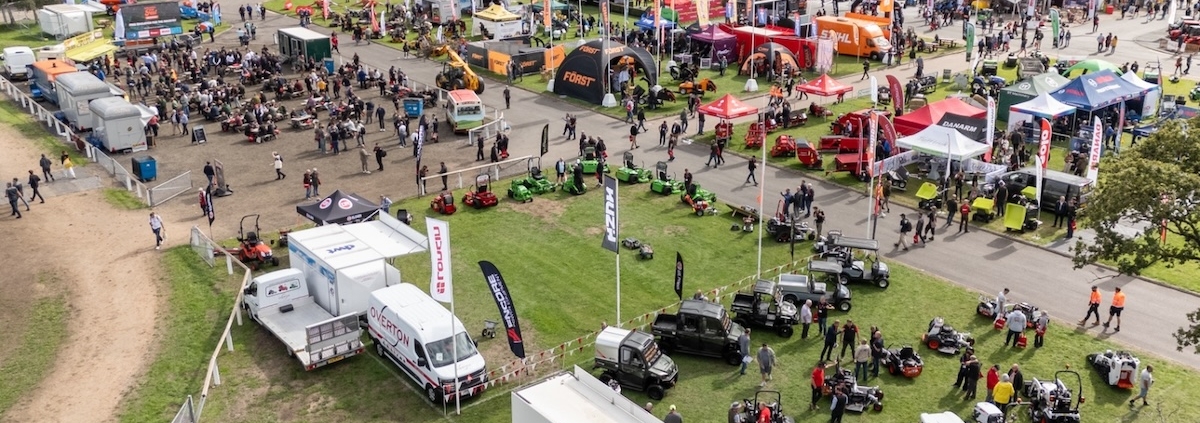
GroundsFest 2026 has once again demonstrated why it has become the industry’s must-attend event, bringing together every corner of the groundscare, landscaping, amenities and outdoor industries for two unforgettable days at Stoneleigh Park.

GroundsFest 2026 Proves Community is Driving the Industry Forward

GroundsFest 2026 Proves Community is Driving the Industry Forward

A total of 10,664 unique visitors attended the fourth edition of GroundsFest, marking another significant milestone in the event’s remarkable growth. What began in 2023 across approximately 8,500 square metres has expanded to cover more than 42,000 square metres – a reflection of increasing demand from both exhibitors and visitors alike.

The growth was evident throughout the show. More exhibitors than ever before took part, many returning companies increased the size of their stands, and visitors were treated to the largest collection of brands and a record number of new product launches ever seen at GroundsFest.

Yet, while the figures tell one story, it was the atmosphere that became the biggest talking point.

Throughout the two days there was a genuine sense of positivity across the show.

Busy aisles, smiling faces and packed stands created an environment unlike any other industry event. This years event saw a substantial increase in local authorities and professional groundscare including football, rugby and golf clubs. Time and again, visitors and exhibitors commented on the welcoming, relaxed feel of GroundsFest and the strong sense of community that has become synonymous with the event.

Innovation remained at the heart of GroundsFest, with exhibitors unveiling a record number of new products and technologies. Live demonstrations gave visitors the opportunity to see machinery in action and try equipment for themselves, while manufacturers showcased the latest developments designed to improve productivity, sustainability and performance across the industry.

Education continued to play a major role, with free seminars taking place across four theatres throughout both days. Experts from across the industry shared practical advice, technical knowledge and business insights, while delegates were able to collect valuable CPD points.

Popular features including Machinery Nation LIVE, Lawn Mower Racing, sponsored by Kramp, and the Landscape Zone, in partnership with BALI, once again attracted large crowds, while the live music festival rounded off the first day with an evening of entertainment, food, drinks and networking in GroundsFest’s unique festival atmosphere.

Stoneleigh Park also continued to receive praise from exhibitors and visitors alike. Exhibitors highlighted the ease of setting up and operating at the venue, while visitors appreciated the free parking, easy access and complimentary shuttle coaches running between Leamington Spa railway station and the showground.

Christopher Bassett, Event Director of GroundsFest, said:

“When we launched GroundsFest in 2023, we wanted to create an event that truly reflected what the industry was looking for. Four years on, it’s incredibly rewarding to hear so many people say that GroundsFest feels different – it’s welcoming, it’s relaxed, it’s enjoyable and, above all, it brings the whole industry together.

“The growth has been phenomenal, but what makes us incredibly proud is the atmosphere. Everywhere you looked people were talking, learning, doing business and enjoying themselves. That’s exactly what GroundsFest is all about.

“The whole GroundsFest team would like to thank every exhibitor, visitor and partner for helping make this year’s event such a success. We’ll continue to listen, continue to invest and continue to evolve, ensuring GroundsFest remains an event the entire industry can be proud of.”

With record visitor numbers, unprecedented exhibitor growth and an atmosphere that continues to set it apart, GroundsFest has firmly established itself as one of the UK’s most important events for the groundscare and landscaping industries.

GroundsFest will return to Stoneleigh Park, Warwickshire, on 15 and 16 September 2027.

For more information, visit at www.groundsfest.com

For the latest industry news visit turfmatters.co.uk/news

Get all of the big headlines, pictures, opinions and videos on stories that matter to you.

Follow us on Twitter and Instagram for fun, fresh and engaging content.

You can also find us on Facebook for more of your must-see news, features, videos and pictures from Turf Matters
Groundsperson

Groundsperson

Situated in 42 acres of landscaped grounds adjacent to the River Thames in Fulham, The Hurlingham Club is recognised as one of the world’s finest private member clubs. Since its opening in 1869, The Hurlingham Club’s croquet and tennis lawns, botanical gardens and stately Georgian Clubhouse have made it a sought-after destination for exclusive sporting and social activities.

Groundsperson

Groundsperson

The Club offers a truly unique and rewarding environment to work, blending a rich history with a progressive outlook. With 26 specialised departments, each contributing distinct roles and functions you will have the opportunity to interact with vibrant, multi-faceted colleagues and members that share common interests and represent a wide range of backgrounds, professions and perspectives. The members actively contribute to the Club’s community, atmosphere, heritage and culture.

The Role

As a Groundsperson you will work 39-hour week (plus weekend overtime – 1 in 3 mornings). Typical duties will include:

Typical duties will include:

  1. To undertake general turf and grounds duties.
  2. Reporting and treating common pests, fungi and diseases.
  3. Setting out sports areas.
  4. Operating handmowers and other turf related machinery.

Working Schedule

39-hour week, Monday to Friday plus regular weekend overtime (one in three weekend mornings).

The Candidate

Candidates will embody our Club values; excellence, responsibility and courtesy.

Previous grounds or turf experience and preparing cricket pitches would be advantageous. Advantageous qualifications – NVQ 2 in Greenkeeping / Sports Turf Management and PA1 and PA6 Spraying qualifications. Candidates will have a hands-on approach, the ability to work under pressure, have excellent attention to detail and will be friendly, polite and diplomatic.

Benefits

At The Hurlingham Club, we are committed to supporting the wellbeing, development and long-term success of our staff. We offer a comprehensive range of benefits designed to reward your contribution and support you both inside and outside of work. Benefits include:

Financial & Leave Benefits

  • 23 days’ annual leave, rising to 28 days after 5 years’ continuous service.
  • Annual bonus scheme and annual pay review.
  • Generous contributory pension.
  • Season ticket loans, cycle to work scheme and other financial wellbeing benefits.

Health & Wellbeing

  • Health cash plan, life assurance and group income protection.
  • Enhanced family leave (including maternity and paternity leave) and sick pay provisions.
  • Mental wellbeing support, including an Employee Assistance Programme (EAP), access to counselling services and an in-house Mental Health First Aider network.

Learning & Development

  • Ongoing learning, training and development opportunities.

Workplace Benefits & Perks

  • Free meals on duty and free onsite parking.
  • Access to onsite sports and fitness facilities, including weekly staff fitness classes.
  • Discounts in the Club’s retail outlets and at selected local businesses.

Recognition & Social

  • Staff awards and recognition programmes.
  • Regular social events, both onsite and at local venues.

Investor in People

The Club has been recognised as an Investor in People since 2001, reflecting our long-standing commitment to supporting, developing and recognising our colleagues.

Well done, Richard

Well done, Richard

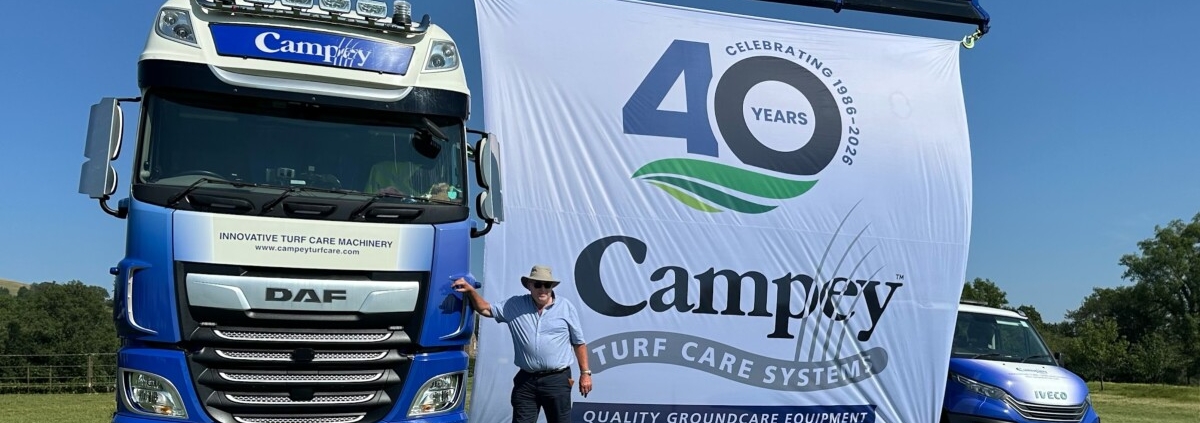
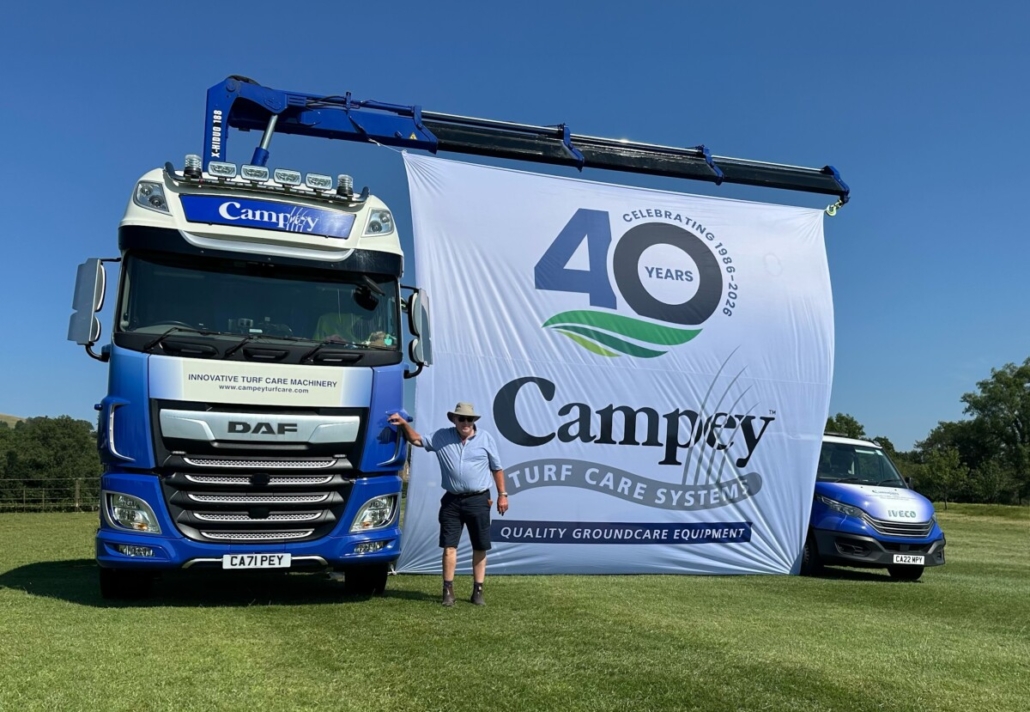
Scott MacCallum attended Campey’s 40th birthday celebrations and chatted with the man himself…

Well done, Richard

Well done, Richard

It’s the mid 1980s and the Spandau Ballet and Duran Duran are duelling it out to be top dogs – Through the Barricades or Notorious – you took your pick.

Whichever one he had playing on his in-car cassette player at the time, I know not, but one young man had just arrived at his Macclesfield-based bank for an important meeting with the manager.

His goal was to set up his own company and he had saved £15,000 to help make it happen. What he needed from the bank was matched funding so that he could purchase some second-hand machinery and set up a contracting business.

He had been encouraged to strike out on his own by the prospect of a Government-led Enterprise Allowance Scheme, which offered £2,000 per annum and the Bank Manager, while approving the loan, also offered some friendly and practical advice on how to get started.

Nowadays a Bank Manager is almost as mythical a beast as a fraize mower would have been back in the 1980s, but the benefits of that meeting cannot be overstated.

The young man was Richard Campey and that small contracting company, set up in 1986, has gone on to phenomenal success with the Campey name known and respected across not just the north west of England, but the entire country, Europe and the rest of the world. Sitting in the state-of-the-art Campey Turf Care premises, on the occasion of the company’s 40th anniversary, Richard could look out the window at the vast array of machinery assembled for the occasion, not just from Campey itself, but many other associated brands, and look back at a career which had surpassed even his most optimistic of expectations.

Campey Turf Care Systems is now one of world’s largest independent sports turf and ground care machinery suppliers, distributing innovative sports turf maintenance equipment.

Over the years Campey has earned a reputation for offering practical advice and superb aftercare service.

The company acts as a new equipment importer for some of the most respected grounds care machinery manufacturers including Dakota, Imants, Koro, Vredo, Foley Air 2G2, BellonMit, and Omarv.

They also have a thriving used machinery business and a subsidiary company, Tines Direct, which supplies replacement tines, blades, and replacement parts for a wide range of turf care machinery.

Richard lays much of his success at the door of his introduction to the industry. He started as a Demonstrator for SISIS, in 1976 and worked there through to when he launched Campey Turf Care. During his time at SISIS he travelling around Europe in a wagon, The Campey team extolling and demonstrating the virtues of the machinery, and also as far afield as Australia,

“I think sales people have it easy nowadays. We didn’t have mobile phones so we had to find the nearest phone boxes and either put our coins in, or reverse the charges,” recalled Richard.

“If you were going abroad, everything was done by telex. You’d be given the address of your first demonstration and have to find your way there. No SatNav – you had to stop at a garage and buy a map!” he said, thinking back to another era.

“What sticks in my mind when we got to Australia, there were two of us and we met the Managing Director and Sales Director of a dealership just outside Melbourne. They were delighted to meet two Englishmen who didn’t wear suits or carry briefcases,” laughed Richard.

Richard bought his first premises 18 months after starting the company and it is still the main Campey HQ with the new building, and site of the 40th celebrations, four miles away “Our main building was an old dairy, set in about two acres. Over the years, we’ve improved it, and it is where everything’s run from nowadays.

“This building is where we keep tractors. It looks great now but it took two of us, eight months to tidy it up.”

And with Richard’s hands-on approach to life you can bet that he was one of the two.

There must be a secret for continuing to grow a family company in times when so many others are struggling…

“George Fox, at Stockport, who was in demolition and responsible for clearing up Manchester after the war, He had his own business and he told me that his philosophy of business was that if somebody rings up for something don’t ever say no.

“Say ‘Yeah, we could do that. I can get you that.’ If there is a problem, you’ll find a way and you keep your customer happy,” said Richard.

So what are Richard’s thoughts looking back over the last 40 years of building what is very much a family business?

“The family want to keep it on. Two work in the business, while my second daughter lives next door to me.”

Julia, is now Managing Director and Richard credits her for bringing a new level of organisation to Campey Turf Care.

“She’s a brilliant organiser and very good at handling people. She also remembers everything. I really don’t know how she manages to store so much in her head,” said the proud dad.

Much of the credit for the success of the company, however, lies with someone who isn’t around to celebrate the company’s anniversary.

“I couldn’t have done it without a good wife who stood by me. Sadly, Jean died two years ago. She stood by me when I was spending a lot of time away from home and travelling when the kids were small. My dad did warn me that I was spending too much time away, and the fact that I was able to devote so much time to building the business was down to Jean.”

With 40 years behind them Campey Turf Care Systems has a proven track record which ensures customers and potential customers know they are dealing with an established and well respected company and, under the stewardship of Julia, they can look forward to many more years serving the industry.